Newsletters


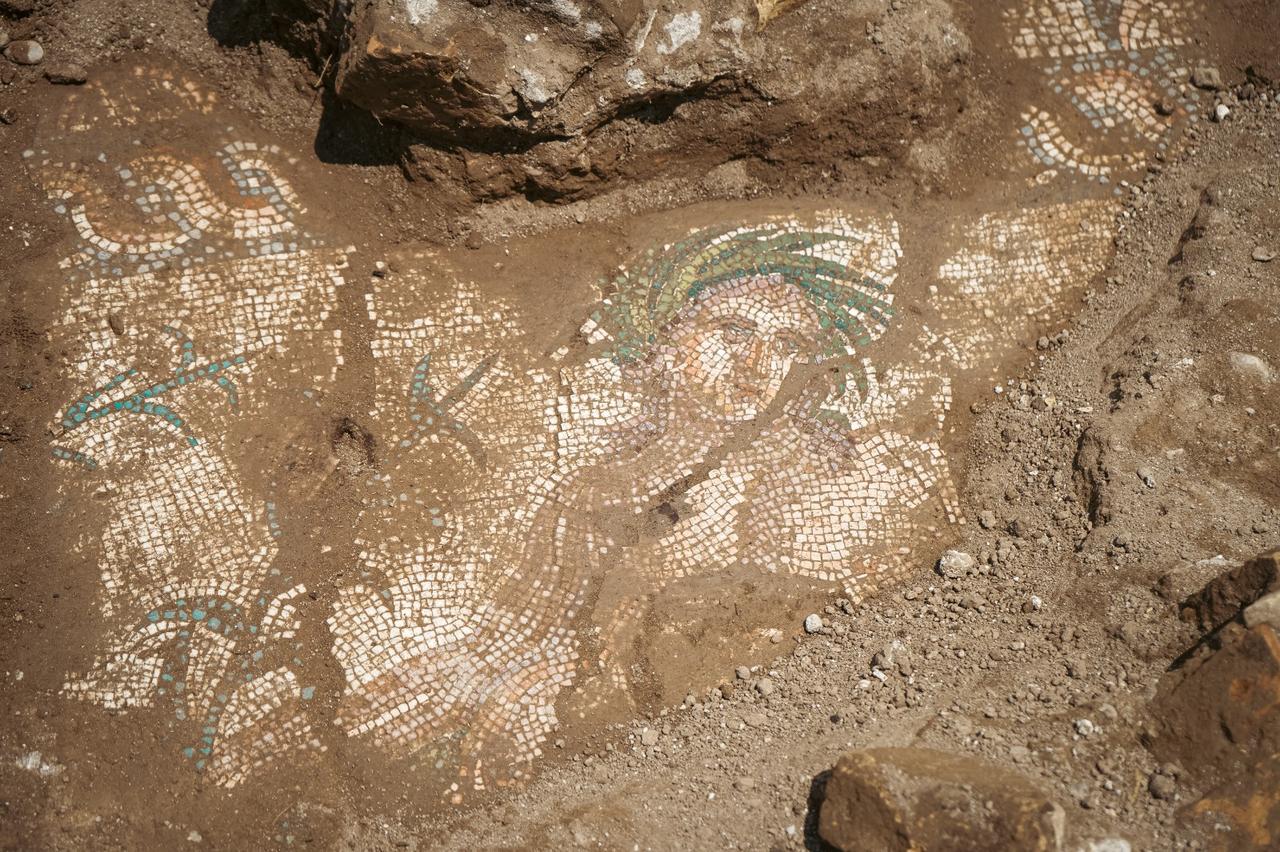
A Roman-period mosaic depicting "Young Eurymedon," the river god associated with ancient Aspendos, has been uncovered during excavations in the city. The discovery offers new evidence regarding Anatolian mosaic art from the third century AD.
Identified through its iconographic features and comparable historical examples, the figure symbolizes the Eurymedon River, which sustained Aspendos in antiquity.
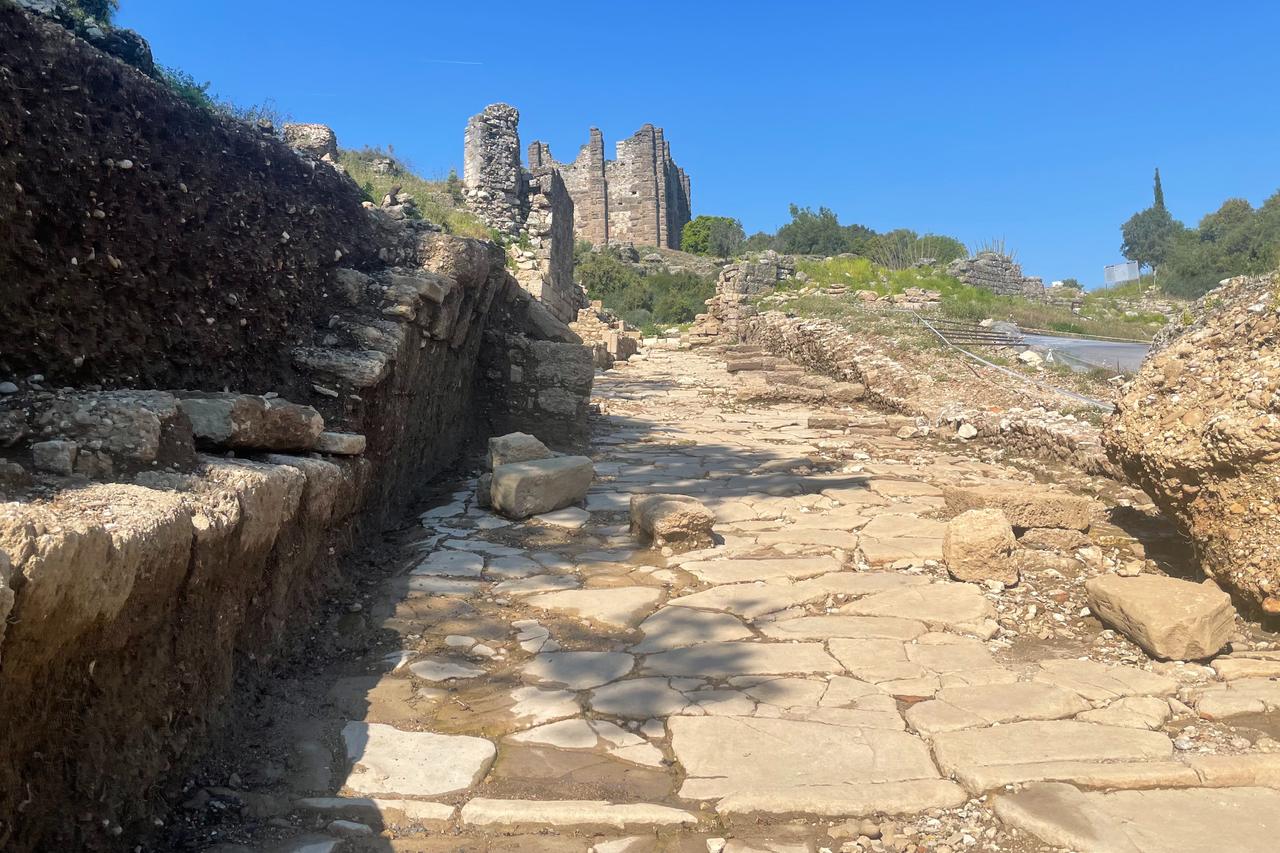
The mosaic was found on Theater Street, where ongoing excavation work has brought to light a decorated architectural structure situated between the eastern square and the eastern city walls.
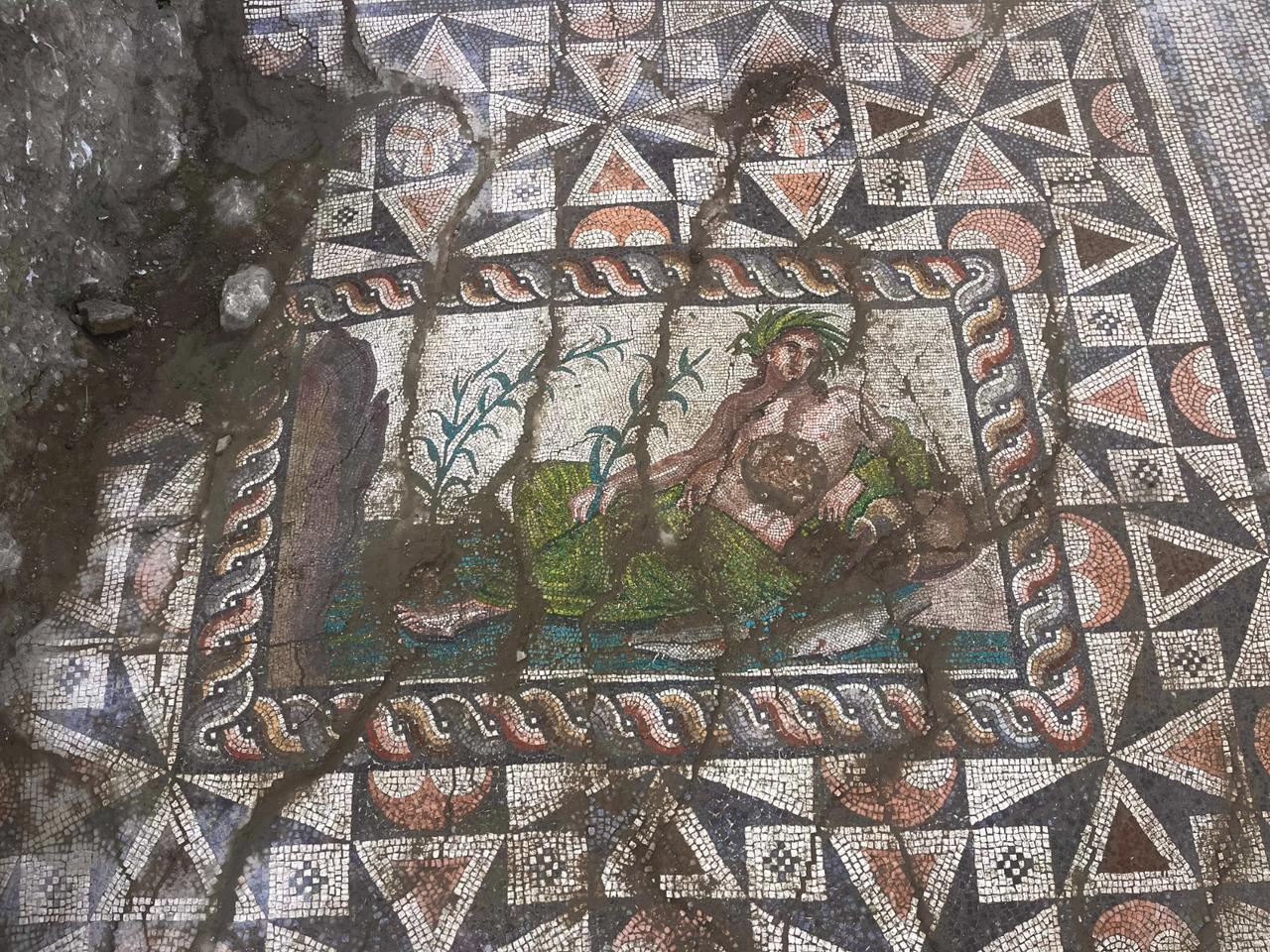

Culture and Tourism Minister Mehmet Nuri Ersoy said the discovery sheds light on Roman-period mosaic art in Anatolia and reveals the artistic richness of Aspendos. He noted that the central figure represents the Eurymedon River, which was closely tied to the life of the ancient city.
The composition includes reed leaves, an amphora—an ancient storage jar often used in the Greco-Roman world—and fish figures. These elements point to water, fertility, and the life-giving role of the river.
Ersoy said the work stands out for its color transitions made with small tesserae, tiny stones or glass pieces used to create mosaics, as well as for its rich details and high-quality craftsmanship.
"This discovery not only reveals the artistic richness of Aspendos, but also provides important scientific data on Roman-period Anatolian mosaic art," Ersoy said.
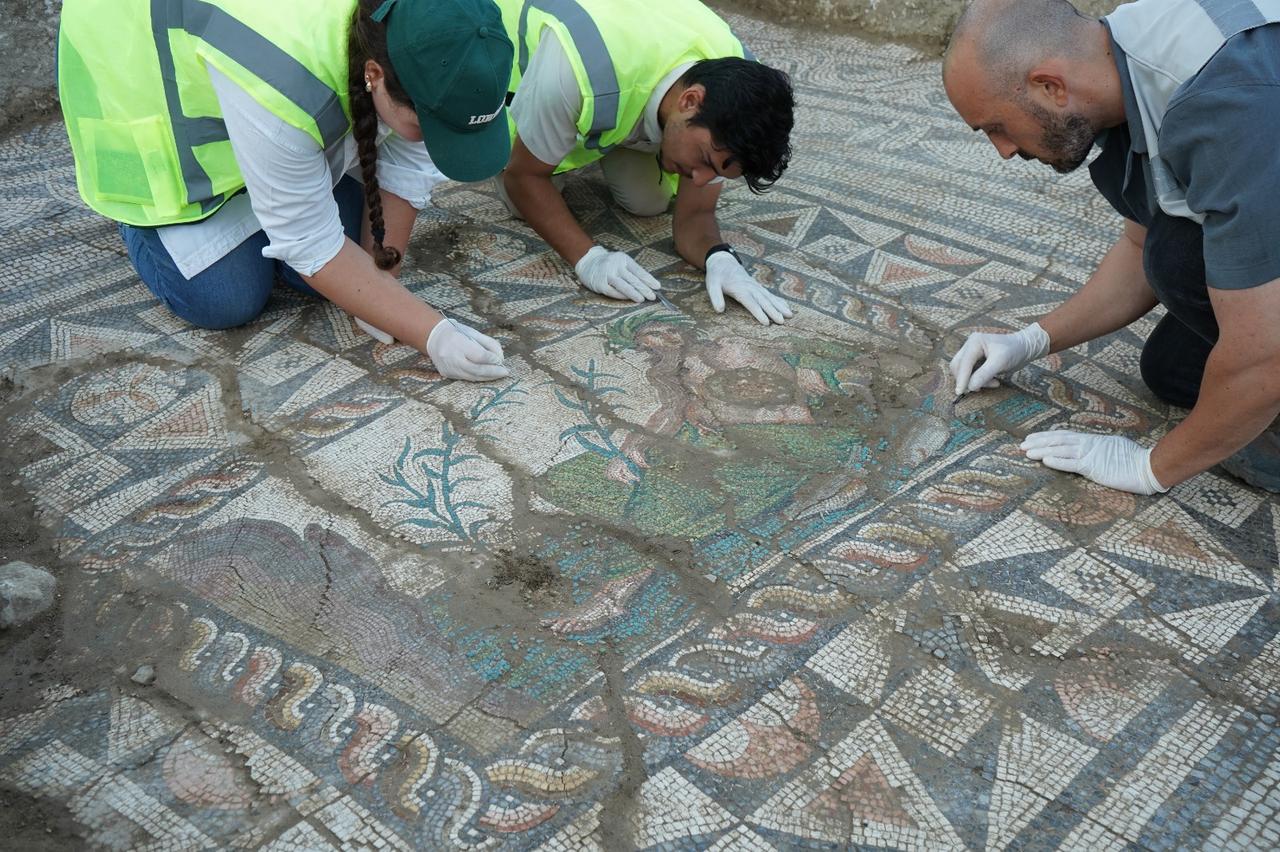
According to the ministry, the mosaic was found in a structure measuring roughly 6 by 25 meters. Initial assessments suggest that the building was constructed as a pool in the early third century A.D.
So far, excavation has been completed in an area of about 6 by 7.5 meters, but the mosaic pavement appears to continue into sections that have not yet been fully uncovered.
The structure is believed to have been divided into different spaces by interior walls after the 262 A.D. earthquake.
The uncovered mosaic floor consists of two main panels. The first contains geometric decorations, while the second includes the central figurative scene.
In the main panel, the Young Eurymedon is shown with reed leaves on his head and in his hand. He is depicted leaning on an amphora from which water flows, a visual expression of nature's fertility and the power of water to sustain life.
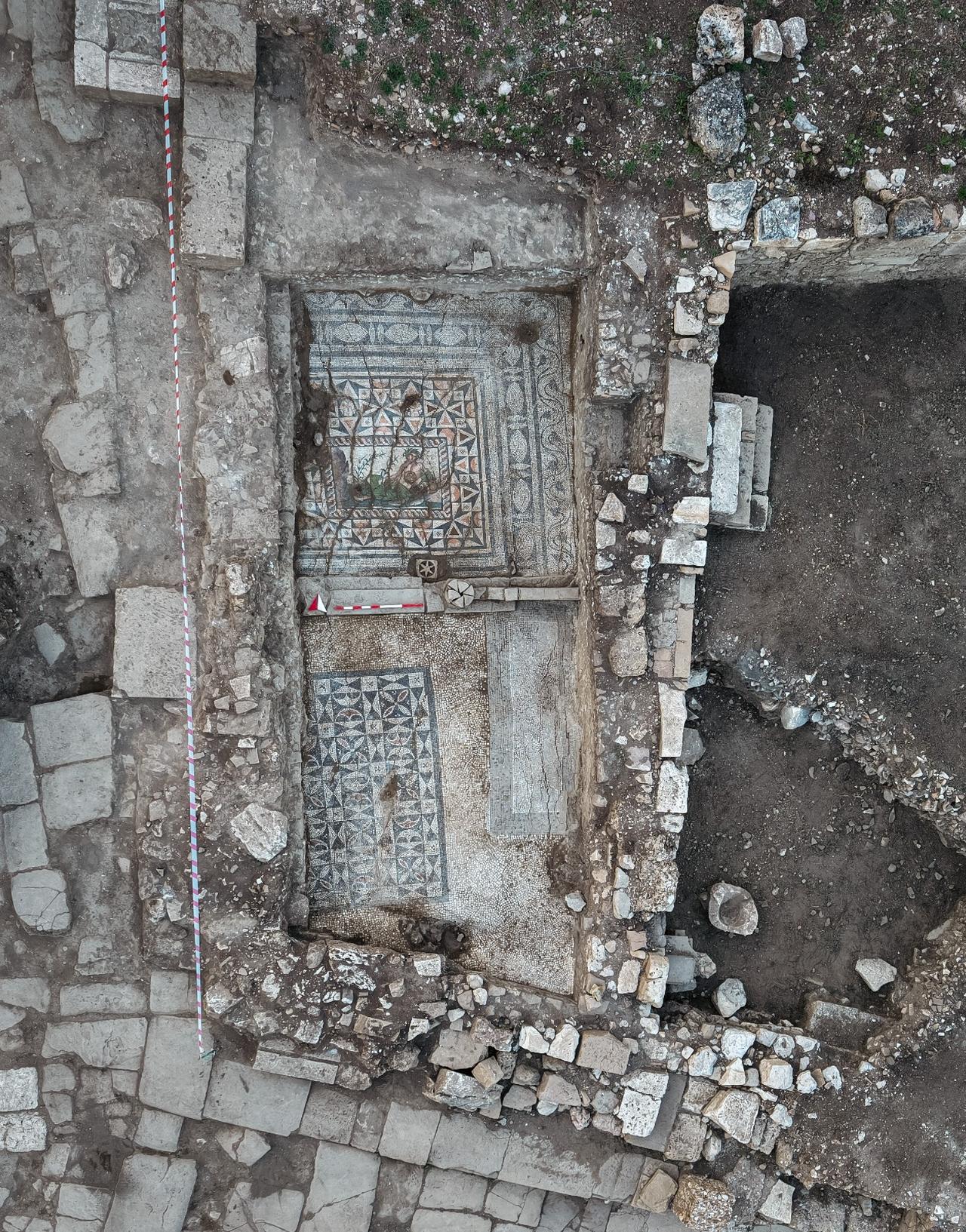
Fish swimming in opposite directions complete the scene, adding movement and capturing the richness of the aquatic world.
The ministry stated that the discovery is significant for the study of Roman-period Anatolian mosaics, particularly because river god depictions are rare in mosaic art.


 Set as preferred source
 Set as preferred source


 1 min read
 1 min read