Newsletters


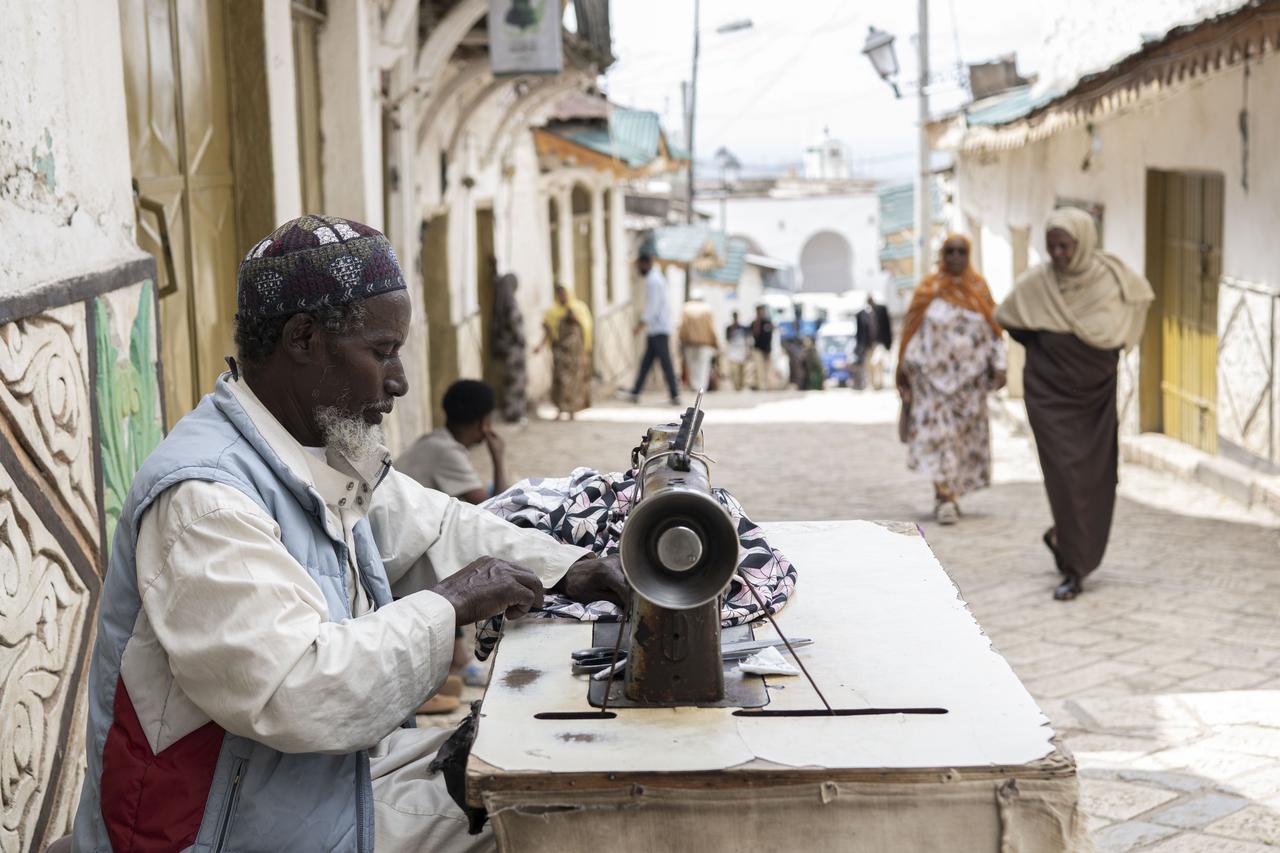


The historic Ethiopian city of Harar, one of East Africa's oldest settlements, continues to stand out as a major cultural destination with its maze-like streets, centuries-old walls and layered heritage.
Located east of Addis Ababa, the Ethiopian capital, Harar was added to UNESCO's World Heritage List in 2006. Its protected status is closely tied to its walled old city, known as Jugol.
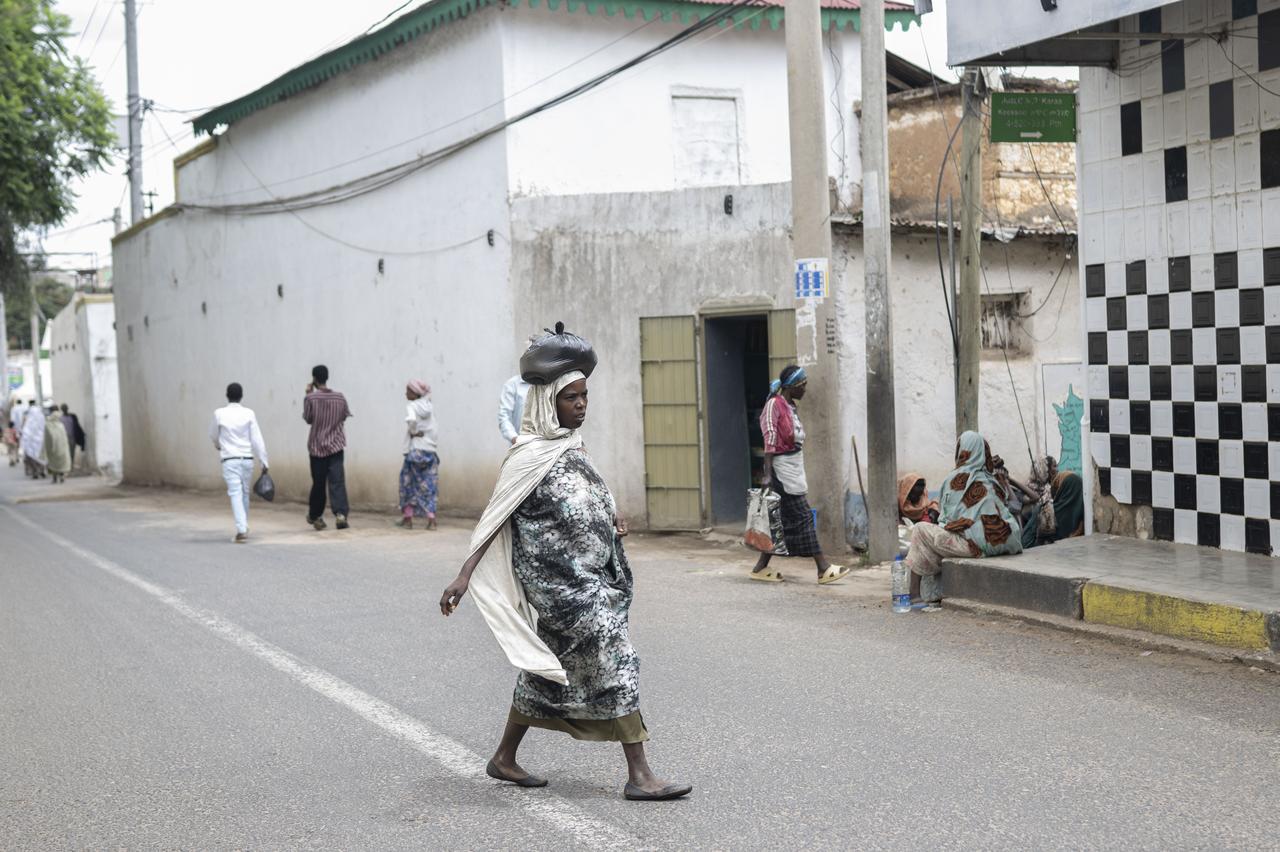

Harar is widely described by Ethiopian authorities, tourism bodies and some scholars as the fourth holiest city in Islam, after Mecca, Medina and Jerusalem. This description is linked to the city's long Islamic history and its large concentration of mosques and shrines, which continue to shape its identity.
The city's old quarter remains one of its main attractions, drawing visitors into narrow alleyways, historic streets, museums and cultural landmarks that reflect Harar's role as a long-standing center of religious and urban life in East Africa.
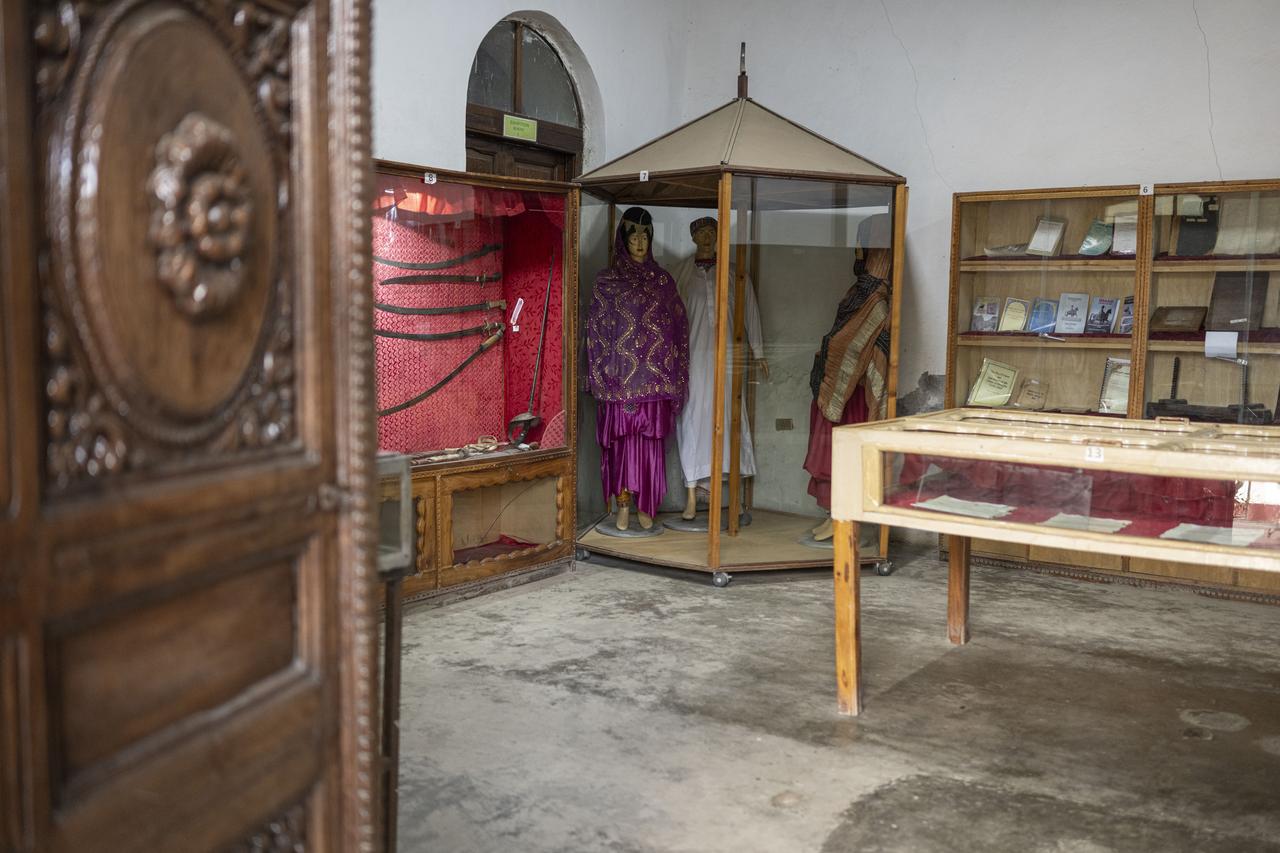
Alongside its Islamic and Ethiopian heritage, Harar also carries traces of its Ottoman past. Among the surviving links is a former Ottoman consulate building, which was restored by the Turkish Cooperation and Coordination Agency (TIKA).
TIKA is Türkiye's official development and coordination agency, and its restoration work has helped bring out one of the city's historic connections with the Ottoman period.
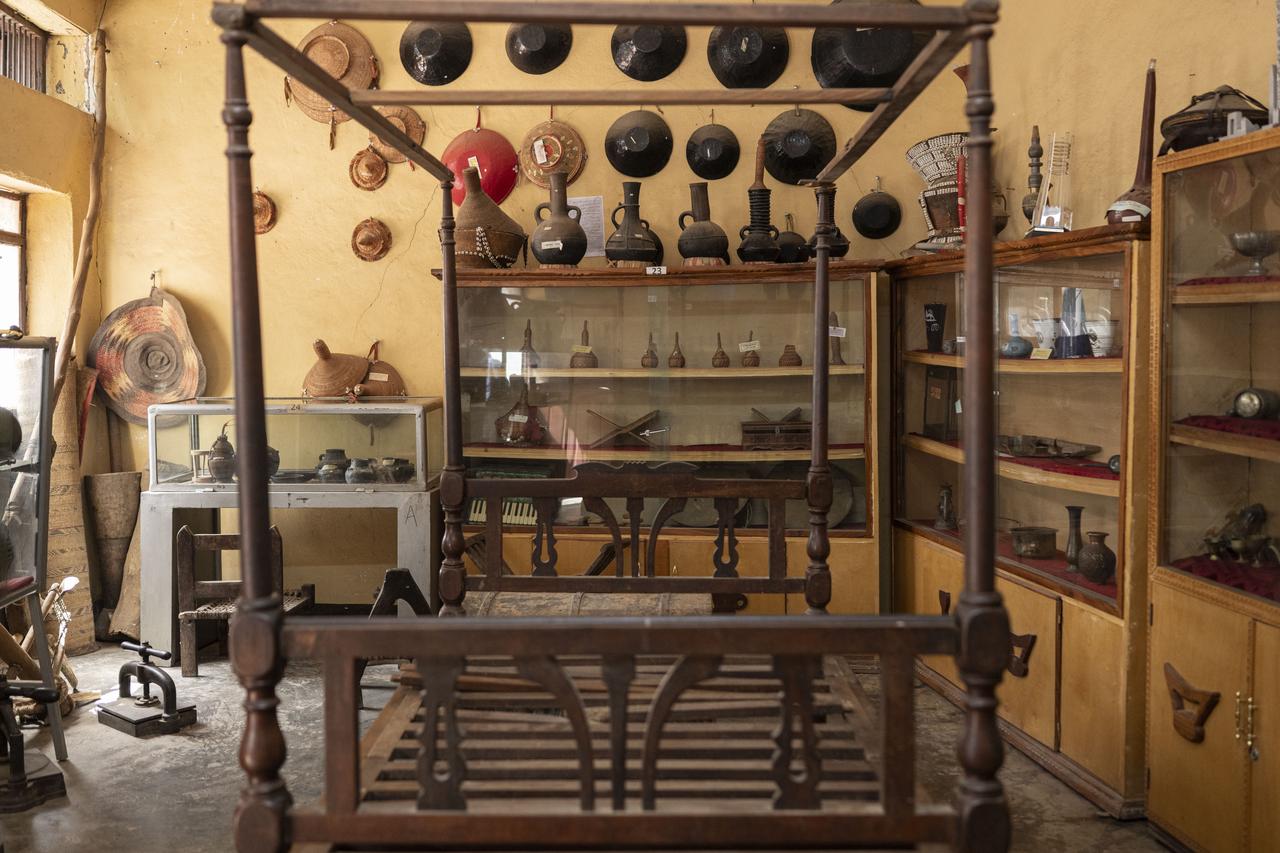
With its UNESCO-listed old city, walled urban landscape and deep cultural memory, Harar remains one of Ethiopia's most popular tourist destinations.
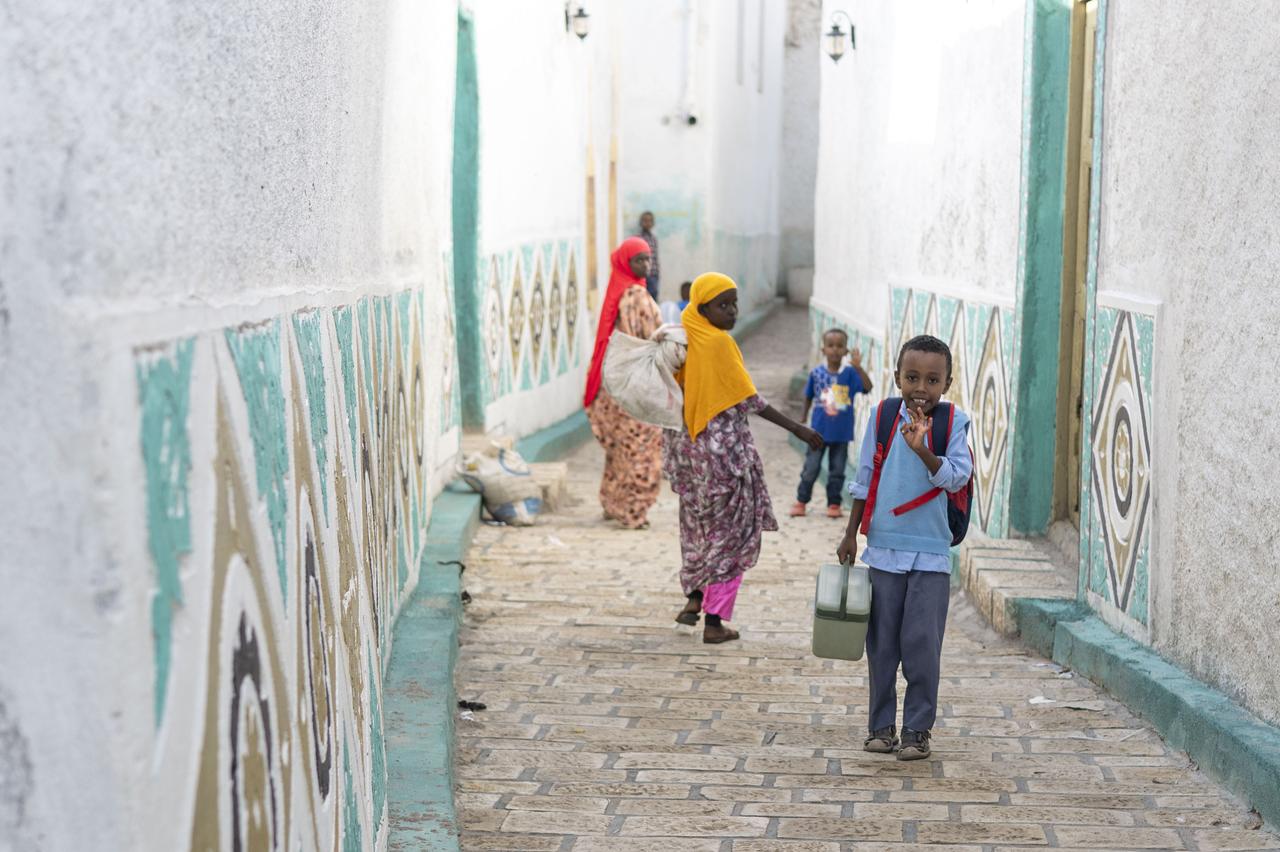
Visitors from around the world continue to come to the city to walk through its historic streets and take in its museums, landmarks and preserved urban heritage.


 Set as preferred source
 Set as preferred source



 2 min read