Newsletters


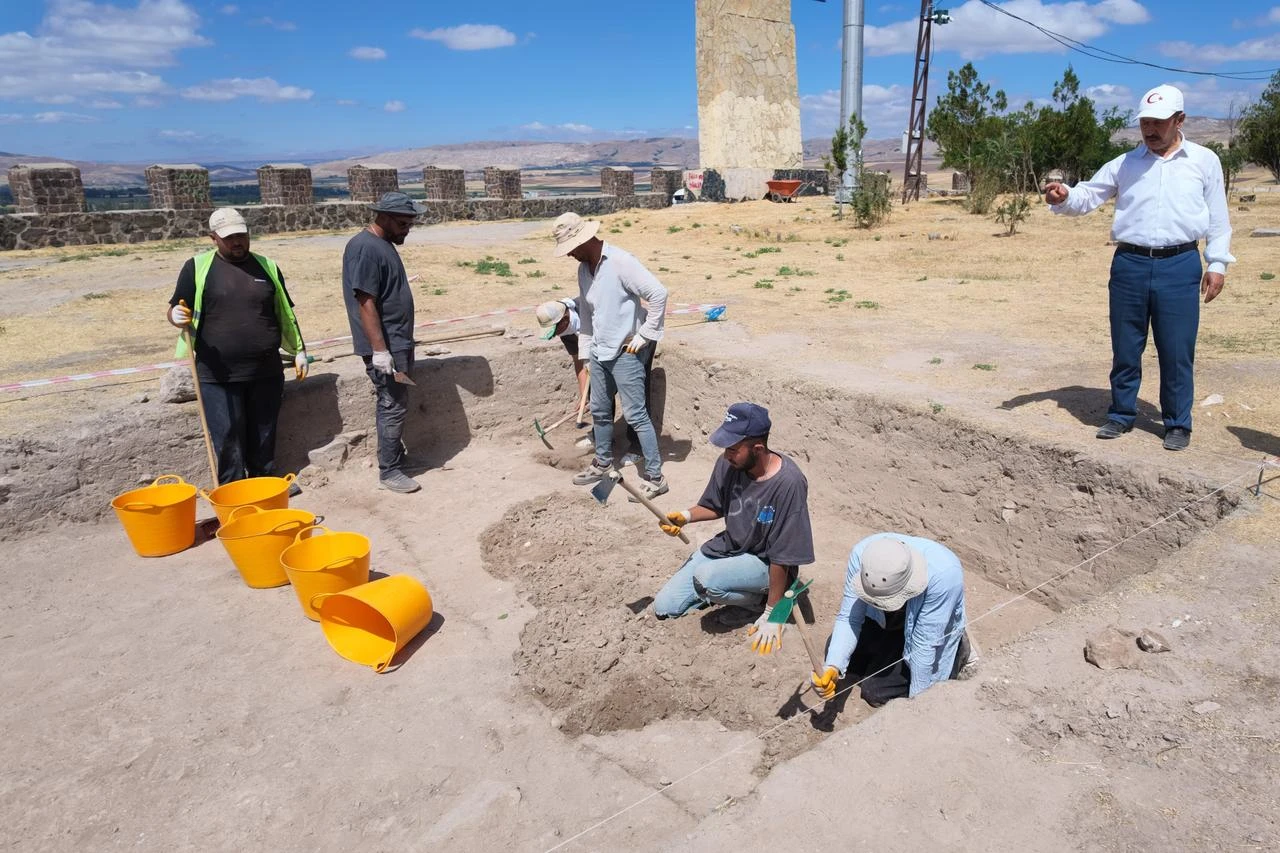


Archaeological excavations at Kale Hoyuk in the Sarkisla district of Sivas have begun to uncover occupation layers stretching back as far as the Hittite period, strengthening indications that the site may have been inhabited for up to 5,000 years.
The site first came to light during municipal landscaping carried out between 2009 and 2014, when historical remains were discovered and work in the area was halted. Kale Hoyuk was later designated a protected archaeological site, while formal excavations got underway following an application by Sarkisla Municipality in 2024.
The excavation is being carried out under the coordination of Türkiye's General Directorate of Museums, with the municipality covering the costs.
Initial findings have brought out traces associated with several periods, including the Ottoman, Seljuk, medieval, Roman, Byzantine and Hittite eras.
Sarkisla Mayor Kasim Gultekin said the earlier discoveries suggested that the mound, or "hoyuk," an archaeological settlement mound formed through successive layers of habitation, could have a history stretching back between 3,500 and 5,000 years.
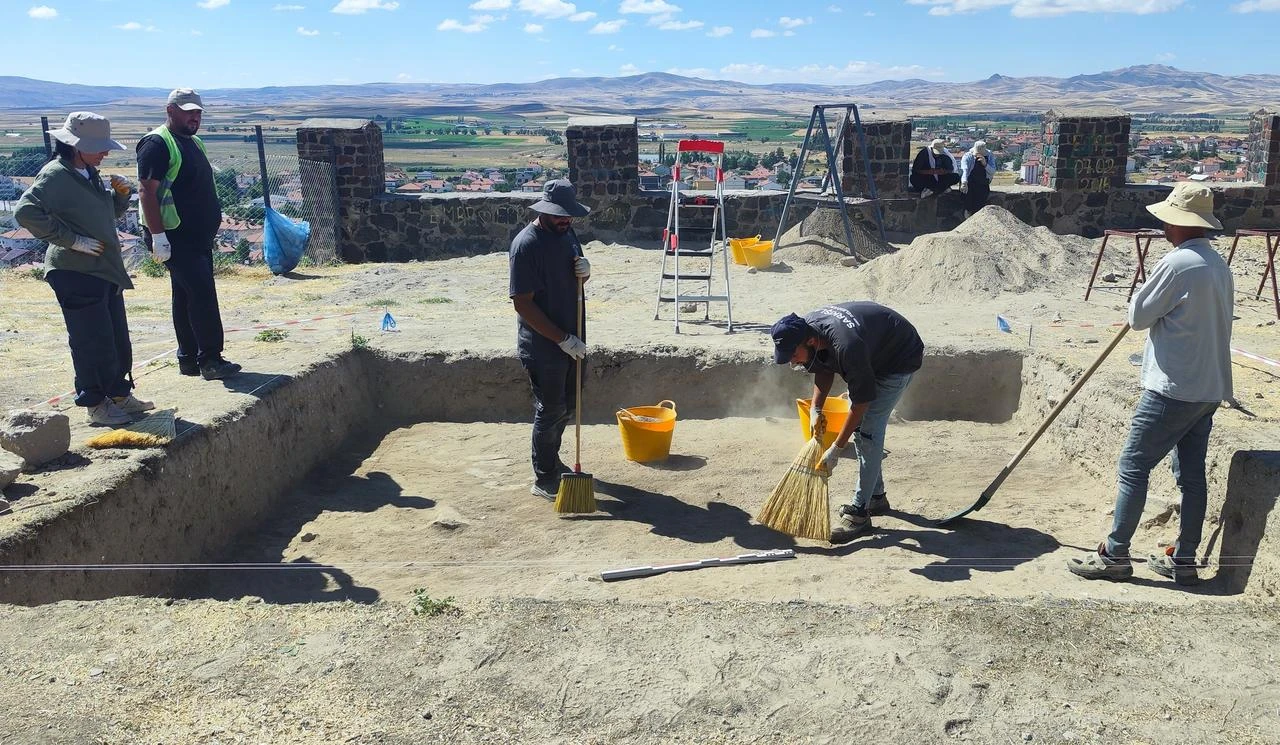

He said archaeological teams and officials from the General Directorate of Museums were now working at the site with municipal funding, while finds from different periods continued to turn up in separate layers.
"Findings belonging to different periods are being reached in every layer," Gultekin said.
Gultekin said the municipality hoped the excavations would provide valuable information about Sarkisla's past and eventually help the district build up its cultural tourism potential.
Once the scientific studies are completed, the municipality plans to turn the surrounding area into a city viewing terrace and social space while preserving the archaeological site.


 Set as preferred source
 Set as preferred source


 3 min read