Newsletters


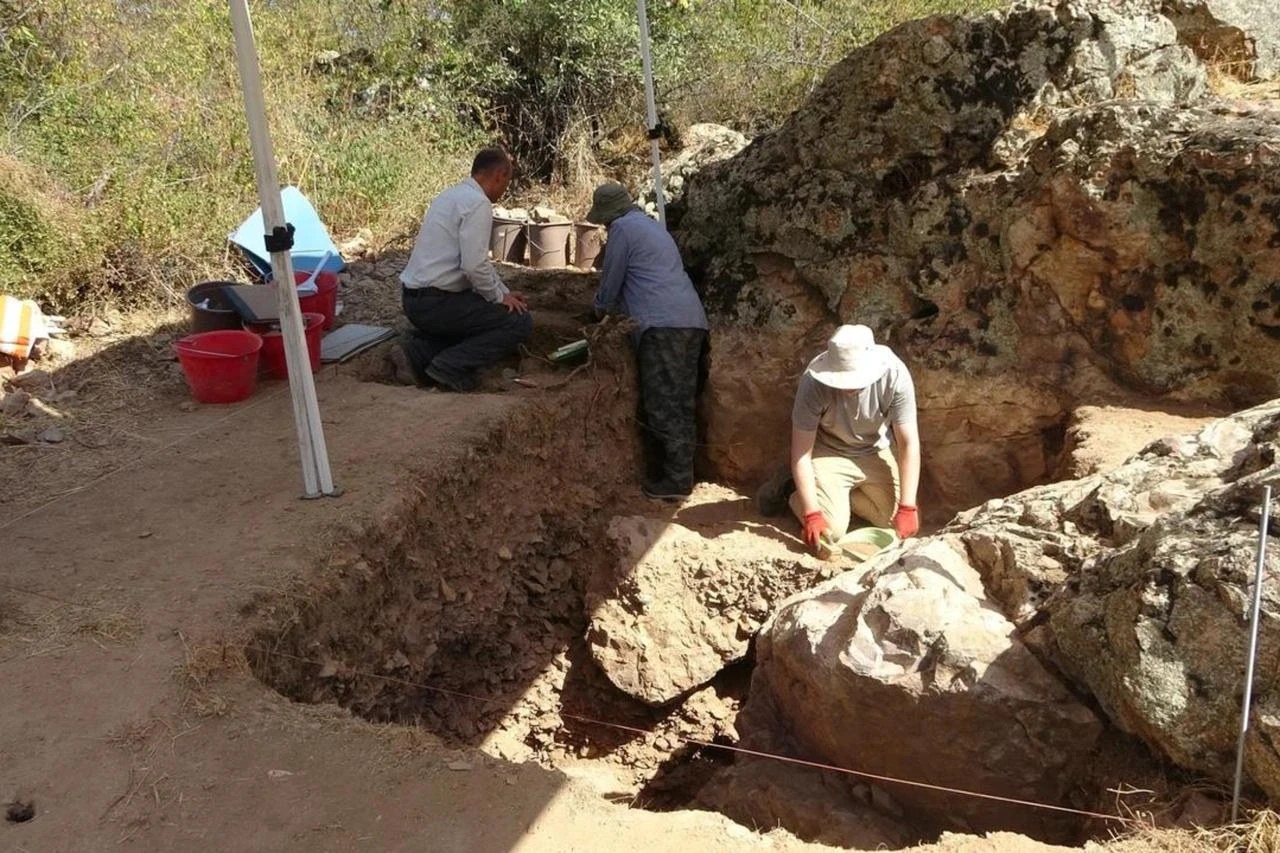


Archaeologists working at the 86,000-year-old Inkaya Cave in Canakkale, northwestern Türkiye, are preparing to use environmental DNA analysis after excavations produced nearly 40,000 flint finds but not a single organic remains, an absence researchers describe as highly unusual.
Professor Ismail Ozer of Ankara University said the team will carry out environmental DNA, or e-DNA, analysis during the 2026 excavation season in an effort to work out why organic material has completely disappeared from the archaeological layers.
Environmental DNA analysis examines genetic material preserved in environmental samples such as soil, allowing researchers to look for traces left behind by plants, animals, microorganisms, and, under favorable conditions, humans.
"A large number of flint finds are coming out of the site. At this point, the number has reached around 40,000. However, despite this, the number of organic remains we have found during the excavation is zero. This is a very unusual situation," Ozer said.
According to Ozer, who spoke to Demiroren News Agency, one of the main aims of the e-DNA study will be to identify bacteria that may have broken down or consumed the organic material once present inside the cave.
The analysis could also help the team reconstruct the surrounding vegetation and identify traces of animals that once lived in the area.
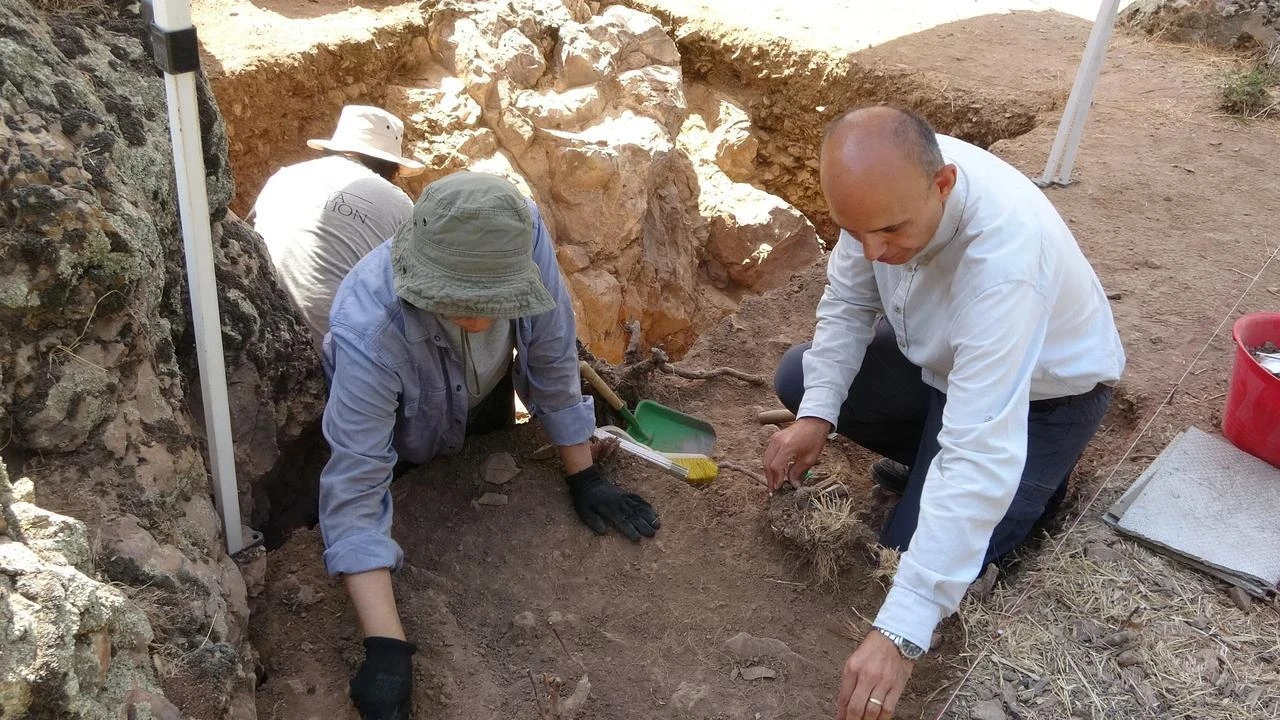

Researchers additionally hope that genetic material preserved in the soil could shed light on the human species, or species, that used the cave.
Specialists from Ankara University's genetic evolution laboratory are expected to arrive at the site in September and collect soil samples. DNA recovered from those samples will then be used to build up a picture of the area's ancient ecological conditions.
Inkaya Cave lies within the boundaries of Bahadirli village in Can district.
It was discovered in 2016 during a surface survey in Mugla and Canakkale led by Ozer, a paleoanthropologist at Ankara University's Faculty of Languages, History, and Geography.
The cave is considered important for research into the movements of Paleolithic populations between Anatolia and the Balkans. The Paleolithic, commonly known as the Old Stone Age, refers to the long prehistoric period when early humans largely depended on stone tools.
Periodic excavations were carried out between 2017 and 2020 under the leadership of the Troy Museum Directorate with an international team.
From 2021 onward, the project was placed under the status of a Presidential Decision Excavation.
The 2026 work continues with permission and support from the Culture and Tourism Ministry's General Directorate of Cultural Assets and Museums, together with financial backing from the ministry, Ankara University Rectorate, Canakkale Governorship, Truva Bakir Maden Isletmeleri A.S., and T-Design Engineering Company.


 Set as preferred source
 Set as preferred source



 1 min read