Newsletters


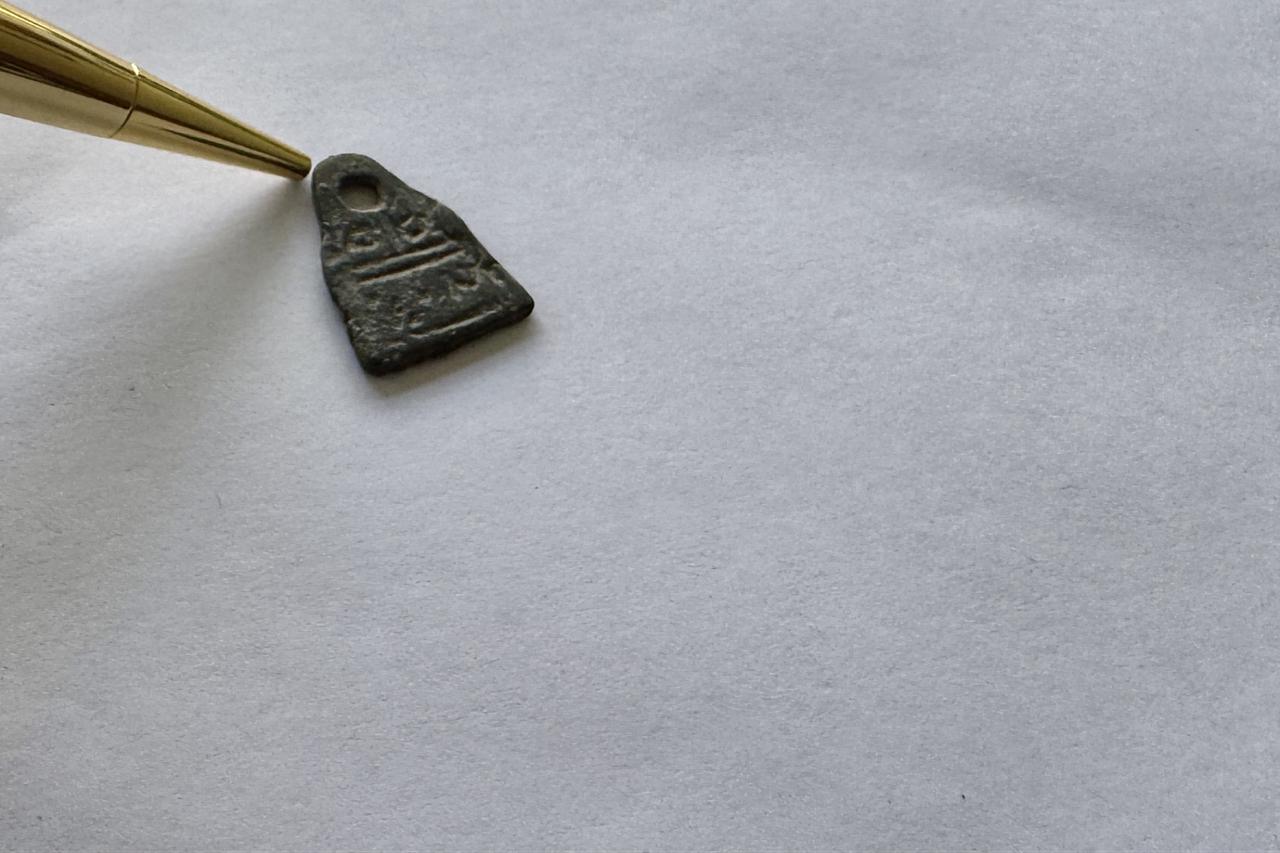


Archaeological excavations at the ancient city of Lystra in Konya, central Türkiye have brought to light a bronze amulet believed to date back to the Seljuk era, adding a new layer to the site’s long and complex history that spans the Roman, Byzantine, Seljuk, and Ottoman periods.
The find stands out for both its material and its cultural context, as it was uncovered alongside everyday objects linked to Christian communities living in the region during Seljuk rule.
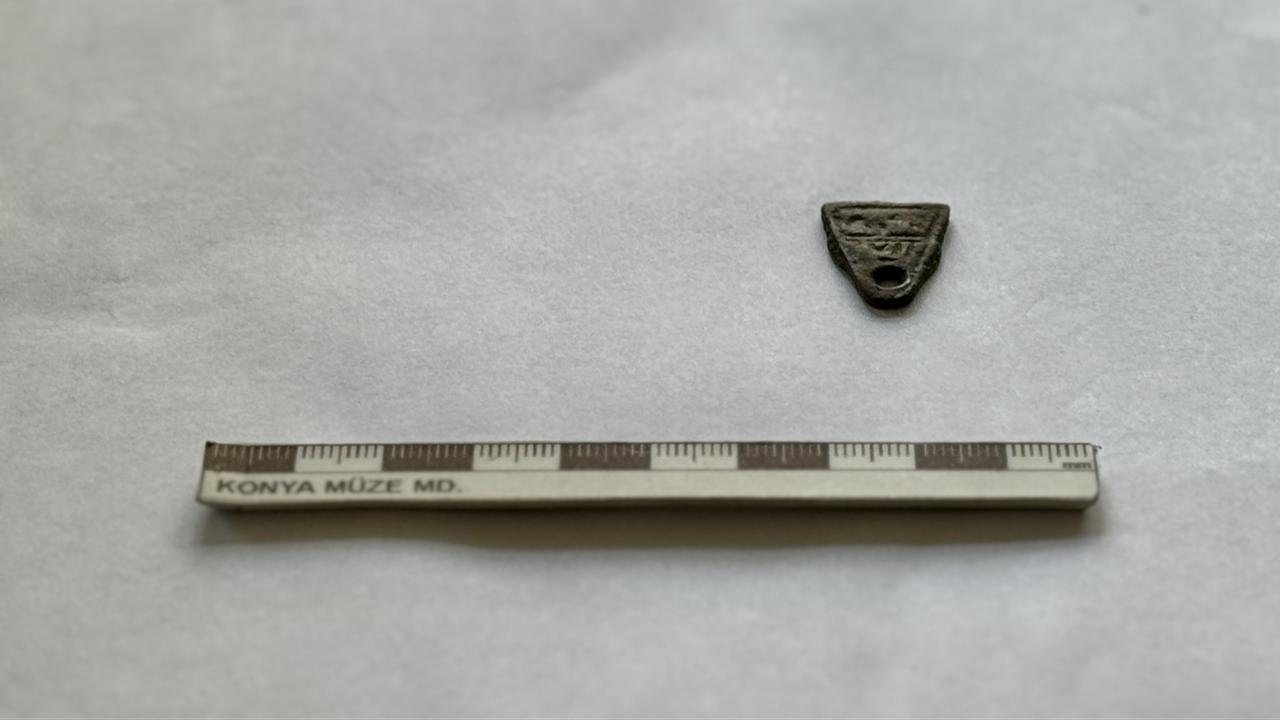

The discovery was made during ongoing excavations conducted with permission from the Ministry of Culture and Tourism, and with support from Necmettin Erbakan University, Konya Metropolitan Municipality, and Meram Municipality. The work is being carried out in the Hatunsaray and Botsa neighborhoods of Konya province, where the ancient city of Lystra, also known as Lystra in classical sources, is located.
The excavation team, led by Associate Professor Ilker Mete Mimiroglu from Necmettin Erbakan University, identified the bronze object in what is thought to be a Seljuk-era residential structure. According to Mimiroglu, the amulet was found next to a green-glazed inkwell, an everyday writing object typical of the period, which helped archaeologists date the context of the find.
He explained that the amulet takes the form of a triangular bronze pendant, with two lines of inscription on each side, arranged in reverse orientation. The object is interpreted as a talisman, a type of protective charm commonly worn as a necklace.
The bronze amulet is currently undergoing restoration, and its inscriptions have not yet been fully read. Mimiroglu noted that once the conservation work is completed and the text becomes legible, researchers will be able to offer more precise interpretations about its function and cultural meaning. While similar objects are not frequently encountered in Anatolia, parallels are known from Central Asia, where such talismans were often worn by soldiers and travelers for protection.
The find also sheds light on the everyday beliefs and practices of people living in Lystra during the Seljuk period, a time when different religious communities coexisted in central Anatolia.
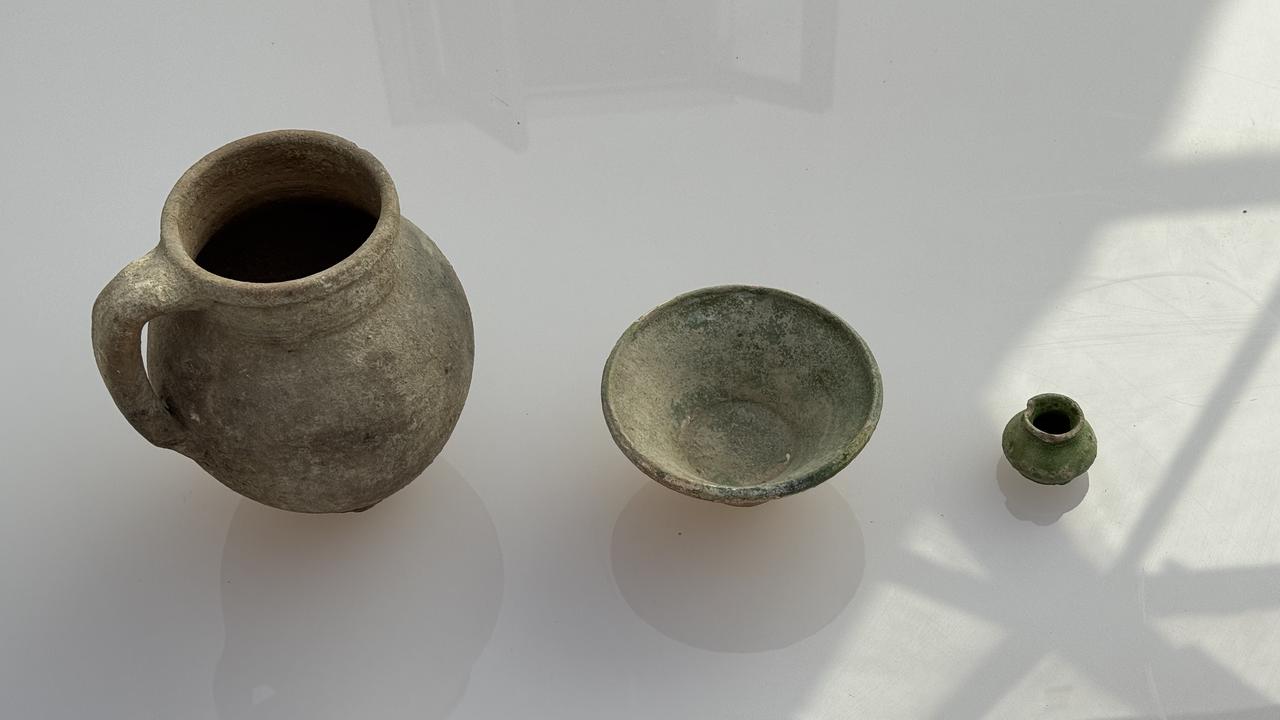
The bronze amulet is not the only discovery reshaping understanding of Lystra’s medieval past. Excavations in and around the main church complex have uncovered nearly 80 graves, which archaeologists believe belong to Christians who lived in the area during Seljuk rule. These burials contained a range of objects, including glazed inkwells, coins, and turquoise beads, all consistent with Seljuk-era material culture.
Mimiroglu pointed out that while historical sources have long indicated the presence of Christian populations in Anatolia during the Seljuk period, the discovery of clearly datable Christian graves from this era provides rare and concrete archaeological evidence.
Excavation work has also extended beyond the church area to the slopes surrounding the ancient city. In these zones, archaeologists identified Ottoman-era residential buildings and large storage jars known as pithoi, which were used for storing agricultural products. Among the finds was a silver coin from Austria dating to the 17th century, an object that points to Lystra’s continued role in regional and long-distance trade networks during the Ottoman period.
According to the excavation team, such finds support the idea that Lystra remained connected to major trade routes for centuries, with goods and currency circulating from different parts of Europe and beyond.
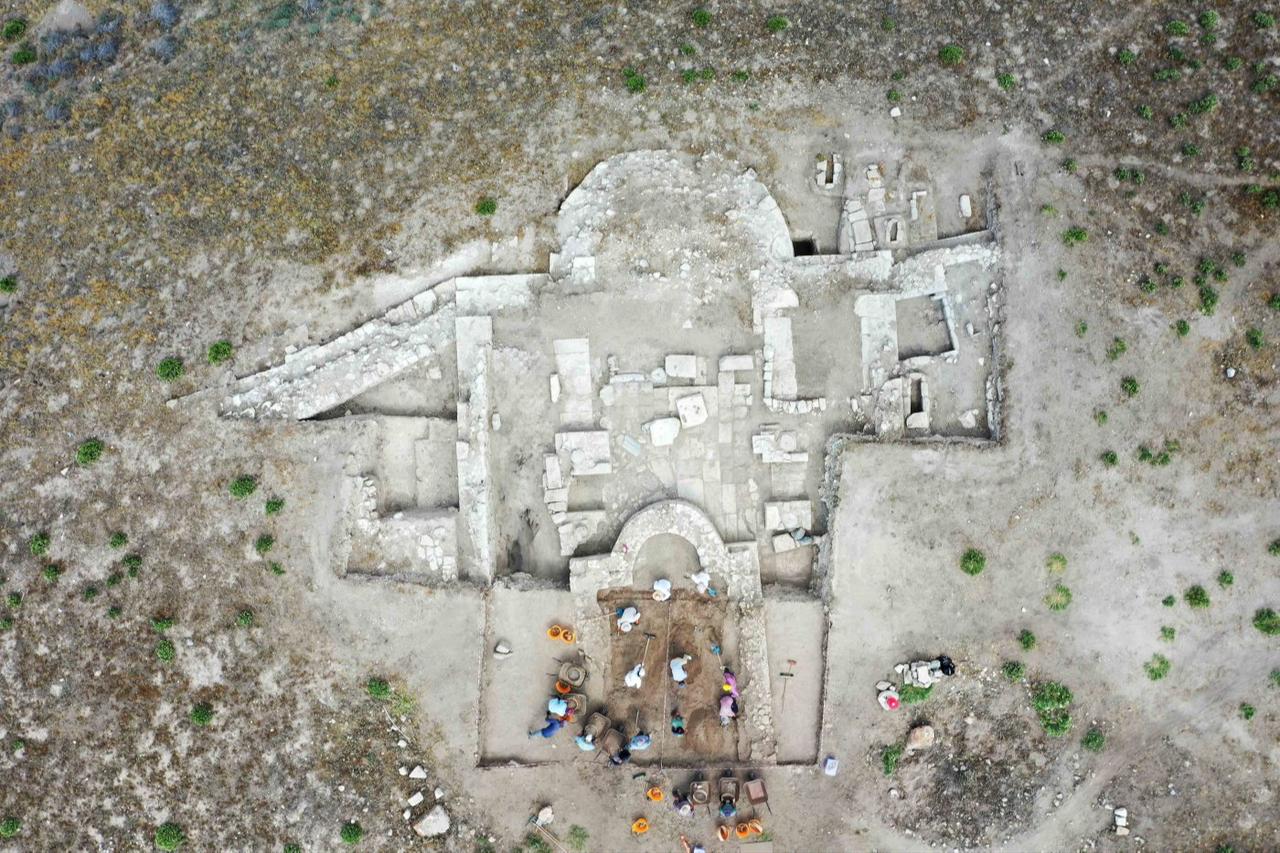
Local authorities have emphasized the growing public interest in the site. Meram Mayor Mustafa Kavus stated that even before the second excavation season was completed or fully promoted, thousands of visitors had already come to see the area. He underlined that Lystra attracts attention from both public institutions and private sponsors, and that efforts are underway to significantly increase visitor numbers in the near future.
Lystra is widely known in Christian history as one of the cities visited by Saint Paul during his missionary journeys, a fact that continues to draw international interest.


 Set as preferred source
 Set as preferred source


 2 min read