Newsletters




Netflix has used artificial intelligence (AI) in various capacities on about 300 titles, a senior company executive said Saturday at the Busan International Film Festival, The Hollywood Reporter reported. Busan is South Korea’s second-largest city, a port city on the country’s southeastern coast.
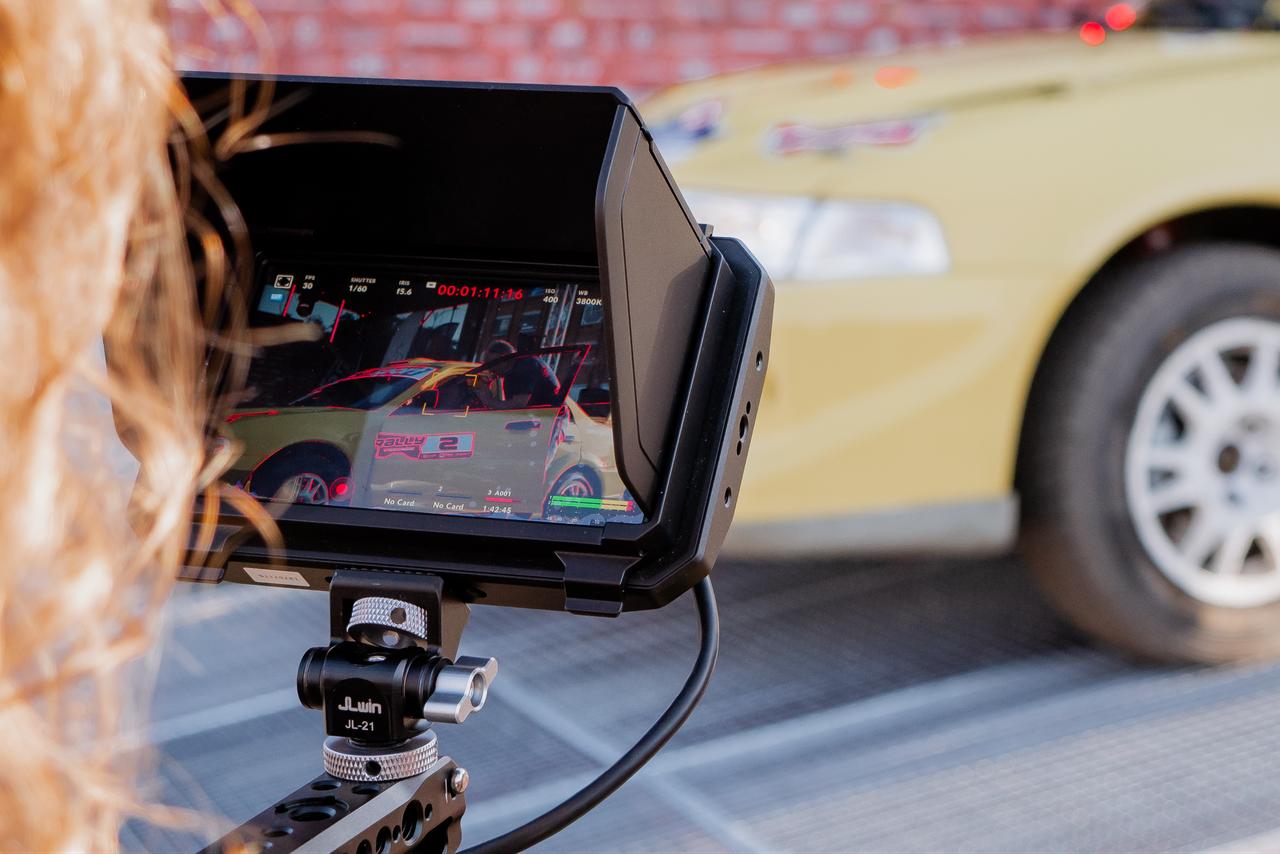
Sung Q Lee, Netflix’s senior director of production for Asia-Pacific, said the technology is used throughout the filmmaking process, including previsualization, production design, set-dressing concepts, editing, and visual effects (VFX).
“The question that matters to me isn’t, ‘How much AI can we put into this title?’ but, ‘What more can this title do with AI’s help?’” Lee said.

Lee spoke at Netflix’s annual Creative Asia event, held in partnership with the festival. The panel, co-hosted with the Motion Picture Association, also included Korean filmmaker Kang Yun-sung, director of “The Outlaws," and Kimball Thurston, chief technology officer at visual effects company Weta FX.
Much of the discussion focused on how AI could help filmmakers on limited budgets, while speakers repeatedly stressed the need to preserve human creative judgment. The Hollywood Reporter noted that the Hollywood creative community tends to view the technology with wariness, while the Asian content sector largely sees it as an opportunity.
Kang co-directed “Run to the West” last year with AI filmmaker Kwon Han-seul.
The film was billed as Korea’s first fully AI-assisted feature and earned about $100,000 at the box office amid criticism of its AI visuals. Kang said AI’s rapid advancement meant the film already looked somewhat dated at release, and he still sees potential in the technology for screen storytelling.
Kang is now producing an action film, “The Gulf of Aden," which heavily uses generative AI tools from China’s Kling AI. He said the tools made it possible to realize scenes that budget constraints would otherwise have ruled out. He estimated the approach would reduce the film’s production costs by around 40%.
“That’s not just from replacing CG and VFX,” Kang said. “The shoot itself was streamlined, and that cut down our production time to some extent.”
Lee placed AI within the long history of technological change in film.
He said new tools have helped with how films are made but have never decided why a story is told.
“The human touch is critical and necessary,” Lee said of conveying emotion.
Thurston described WetaFX's use of AI so far as “assistive AI," not something allowed to change creative intent. He said the technology quickly provides visuals, making errors easier for directors and cinematographers to spot and correct.
“Our goal is to reduce simple, repetitive tasks,” Thurston said.


 Set as preferred source
 Set as preferred source



 2 min read