Newsletters


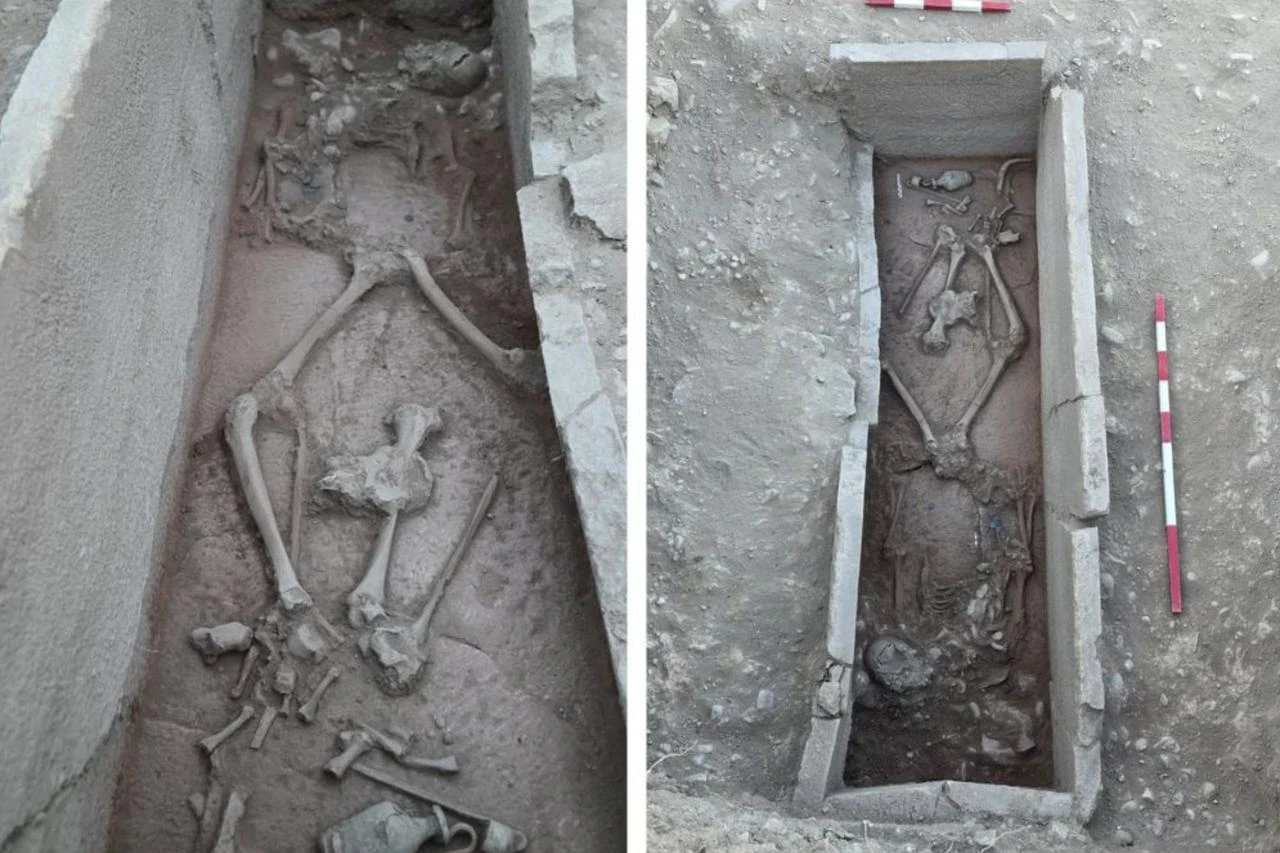


Archaeologists have discovered a previously unidentified necropolis at Aspendos, an ancient city in southern Türkiye best known for its well-preserved Roman theater, along with a stone tomb dating back some 2,400 years.
The cist tomb, a stone box-like structure, dates from the last quarter of the fifth century B.C. to the fourth century B.C. and was found in what researchers have named the Eastern Necropolis, an area whose existence within the ancient city had not previously been identified, Culture and Tourism Minister Mehmet Nuri Ersoy said Monday.
"In the excavations we are doing at the ancient city of Aspendos, we have made a very important discovery that sheds light on the city's Classical-period history," Ersoy said in a post on NSosyal, a Turkish social media platform.
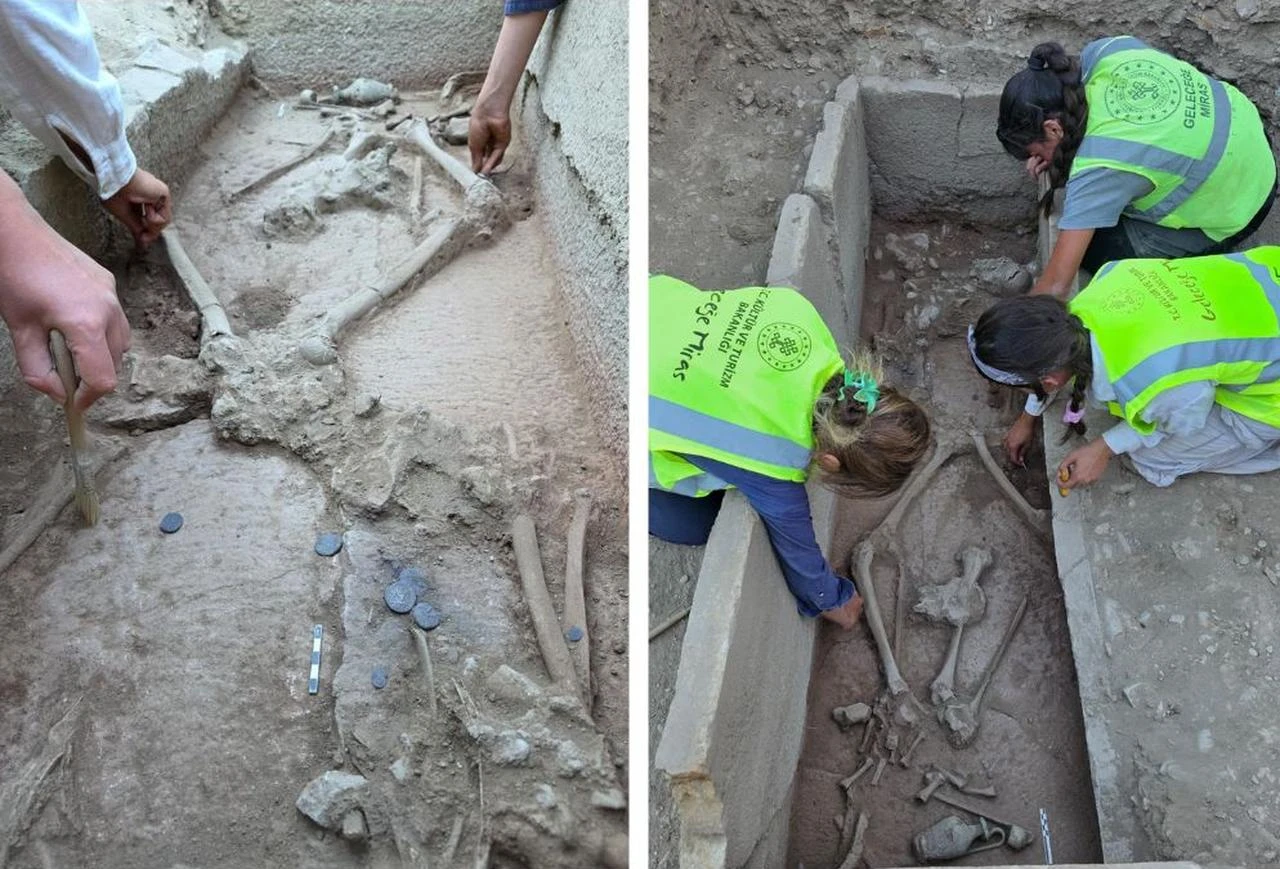

Artifacts found inside the tomb, including Aspendos coins depicting wrestlers, suggest that the person buried there was connected to sports and may have been a wrestler from the city, Ersoy said.
He said archaeological work at Aspendos would continue to help fill gaps in the historical record.
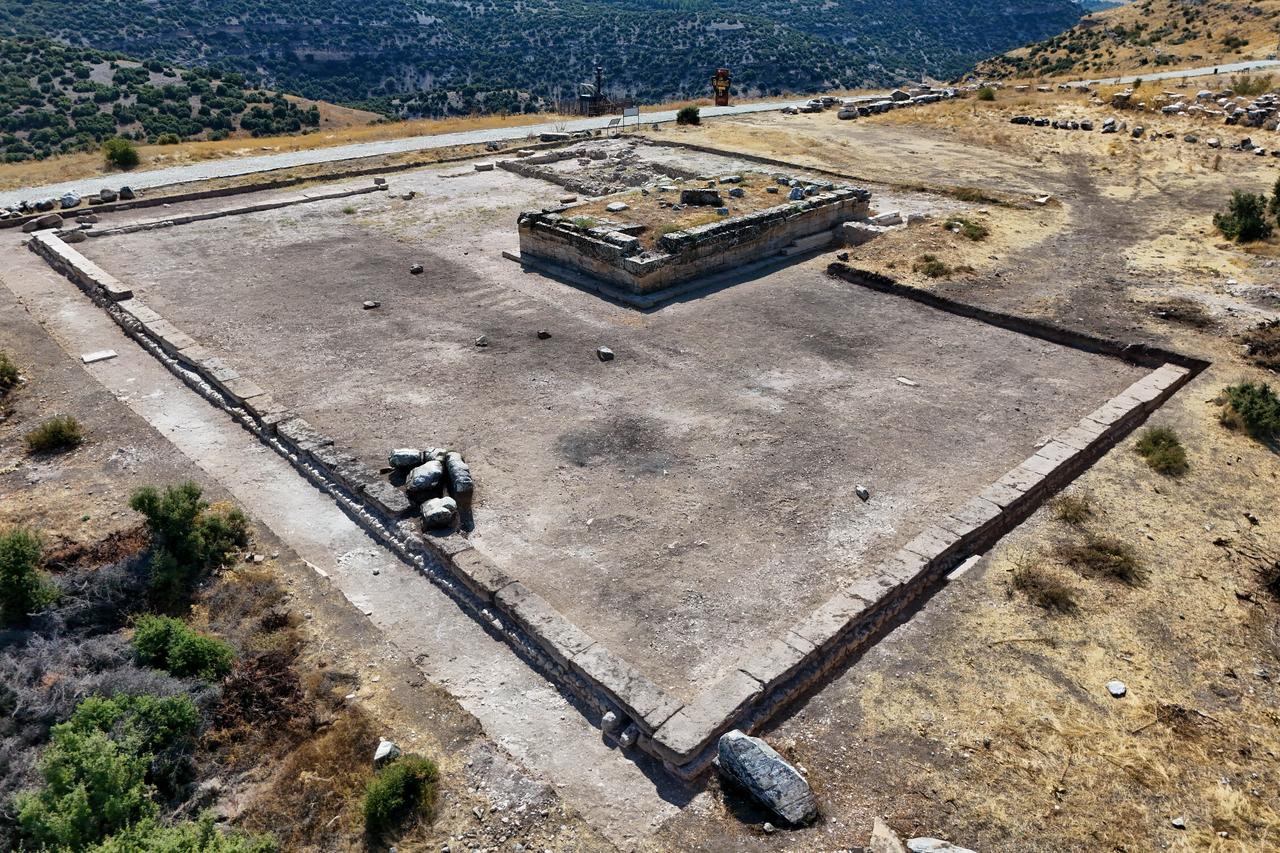
Aspendos is located near the modern-day town of Serik in Antalya province, a region on Türkiye's southern coast that draws millions of tourists each year. The ancient city was an important settlement in the region of Pamphylia and is best known today for its large Roman theater, built in the second century A.D. and considered among the best-preserved ancient theaters in the Mediterranean.
The newly identified Eastern Necropolis adds to the archaeological record of an earlier period of the city's history, offering researchers further evidence about how its inhabitants lived and buried their dead.


 Set as preferred source
 Set as preferred source


 2 min read