Newsletters


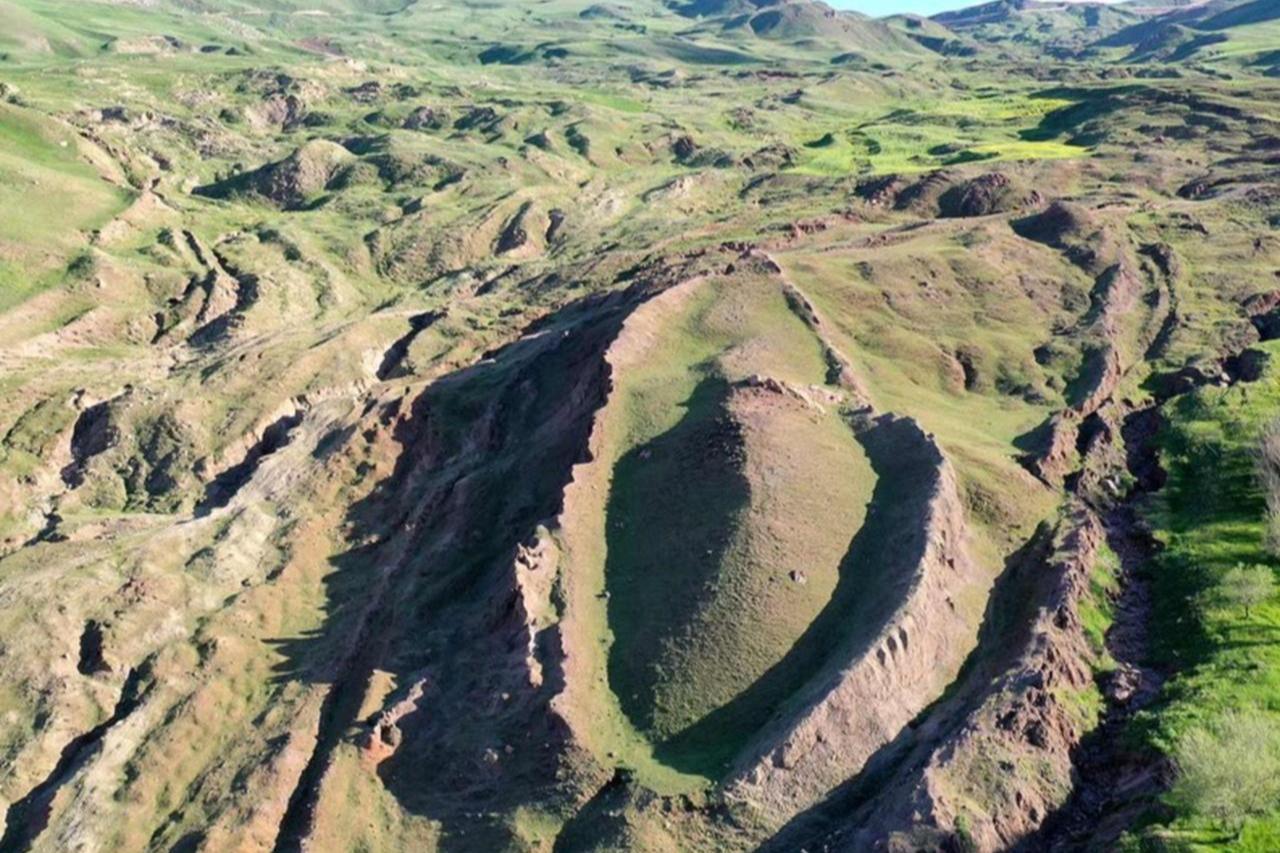


A long-running debate over whether a ship-shaped formation near Mount Agri (Ararat) could be linked to the legendary Noah’s Ark has resurfaced after new ceramic fragments were uncovered close to the site.
Speaking to Demiroren News Agency, Professor Faruk Kaya of Agri Ibrahim Cecen University, says pieces found during recent roadwork suggest that people lived in the area as early as the Chalcolithic period, roughly between 5,500 and 3,000 B.C.—a timeframe some researchers note overlaps with traditional estimates for the life of Prophet Noah.
Kaya stressed in indirect remarks that the geological formation and its surroundings “must be protected without exception,” adding that its significance for faith-based tourism makes preservation essential.
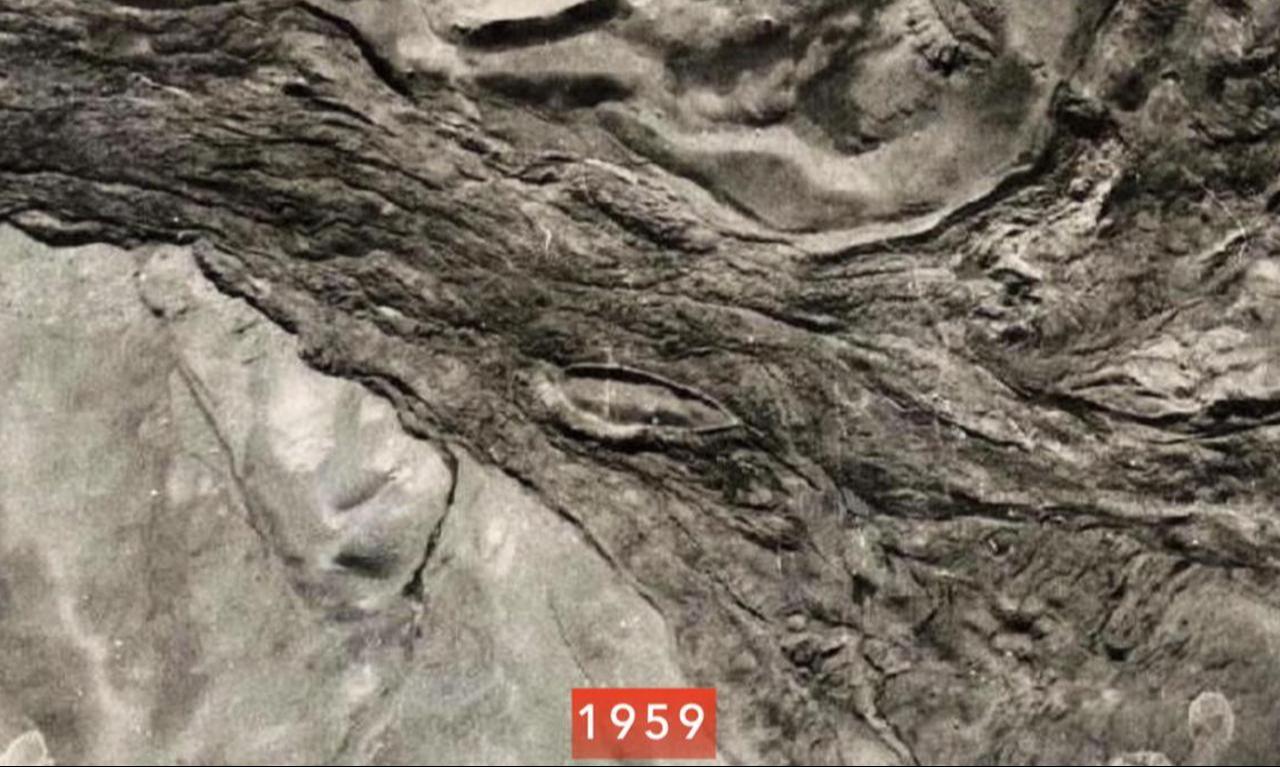

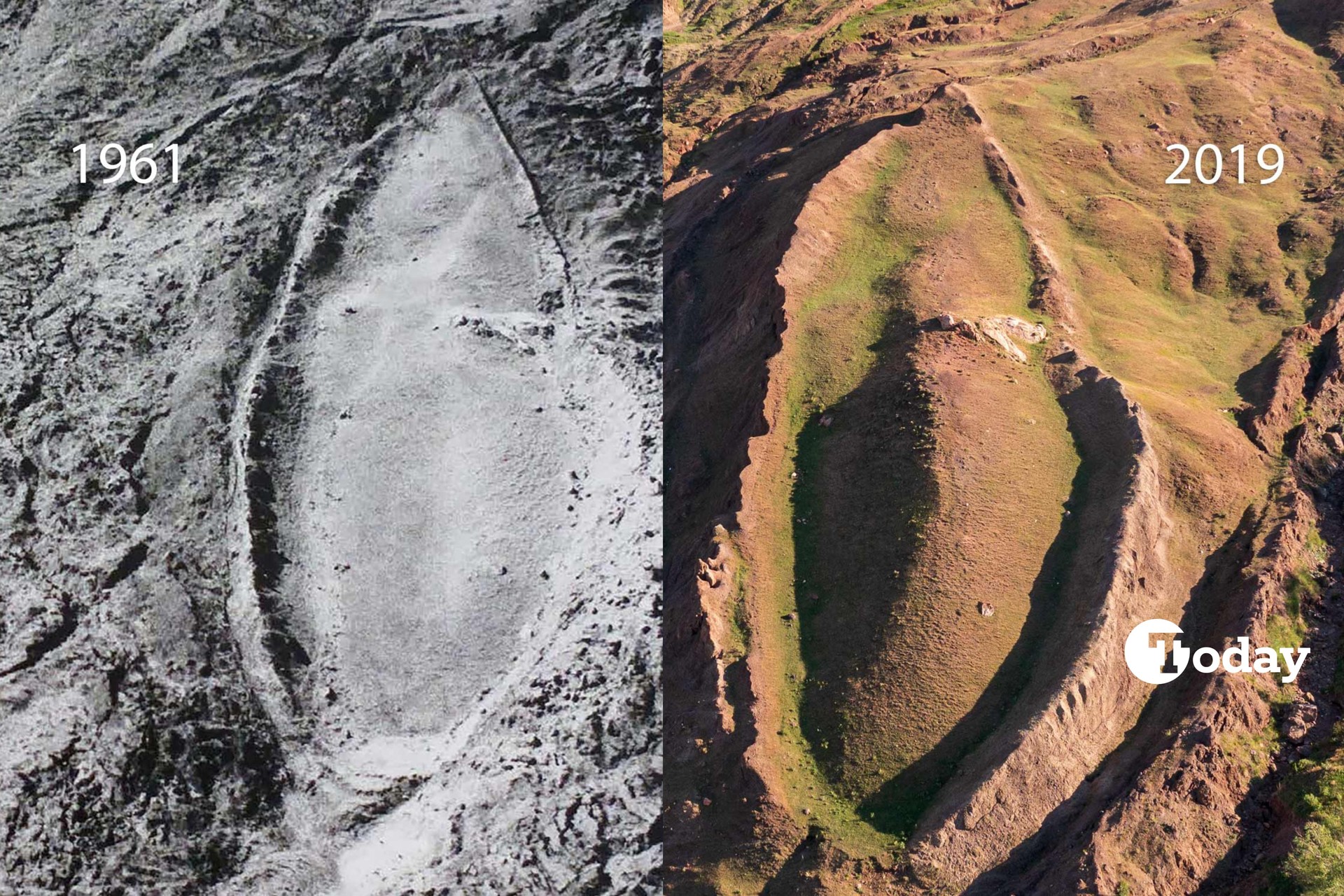
The site—located between Telceker and Uzengili villages in Dogubayazit—first drew international attention in 1959 when Turkish Army Captain Ilhan Durupinar spotted a boat-shaped outline while mapping the region from the air. Subsequent sampling in the area indicated human presence dating back at least five millennia, a finding that has repeatedly fueled speculation about whether the formation could be tied to the biblical vessel.
Türkiye Today's earlier articles detailed this history extensively, noting how explorers, scholars, and believers from across the world have long searched for traces of the ark in the mountains of eastern Türkiye. The Durupinar formation, with its striking resemblance to a ship, has remained a focal point of that search for more than six decades.
Since 2022, Agri Ibrahim Cecen University and Istanbul Technical University (ITU) have jointly carried out geophysical, chemical and geoarchaeological research on the formation and its geological layers. Kaya explained that rock samples analysed in ITU laboratories point to a continuous settlement pattern stretching back to the mid-sixth millennium B.C.
He noted that some researchers argue the dimensions of the structure match descriptions of the ark found in the Bible. While the academic community remains cautious, Kaya underlined that no comparable formation has been identified elsewhere in the world.
Local accounts also suggest that some visitors collect stones—some even inscribed—from the site. Kaya urged authorities and tourists to refrain from removing any material, saying the area’s historical narrative “is written in its rocks and geological layers.”
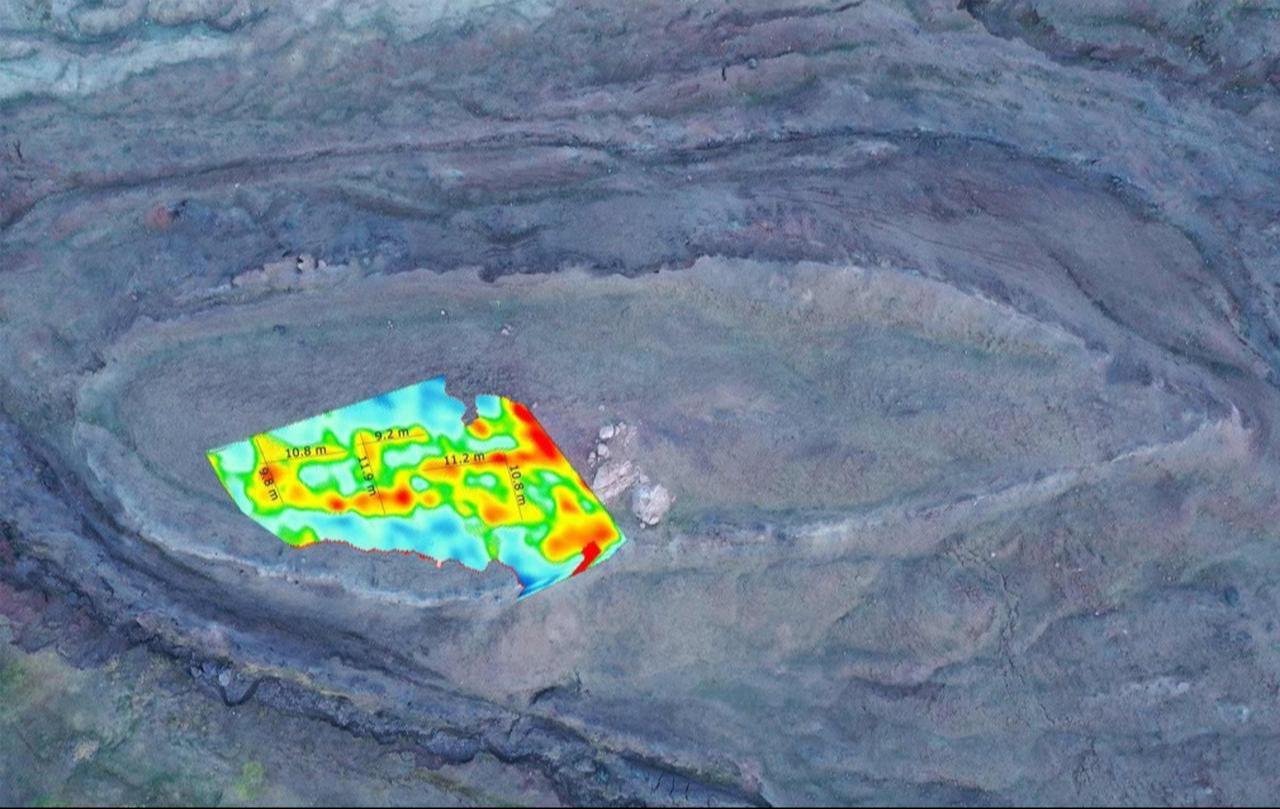
One of the region’s most pressing risks, Kaya warned, is the potential for landslides. Heavy spring rainfall, he said, gradually erodes both sides of the formation. Preventive measures are needed not only to secure the area but also to support long-term scientific research.
This assessment aligns with Türkiye Today's previous reporting, which underscored that harsh weather, seismic activity, and natural erosion have shaped the mountain’s landscape for centuries.
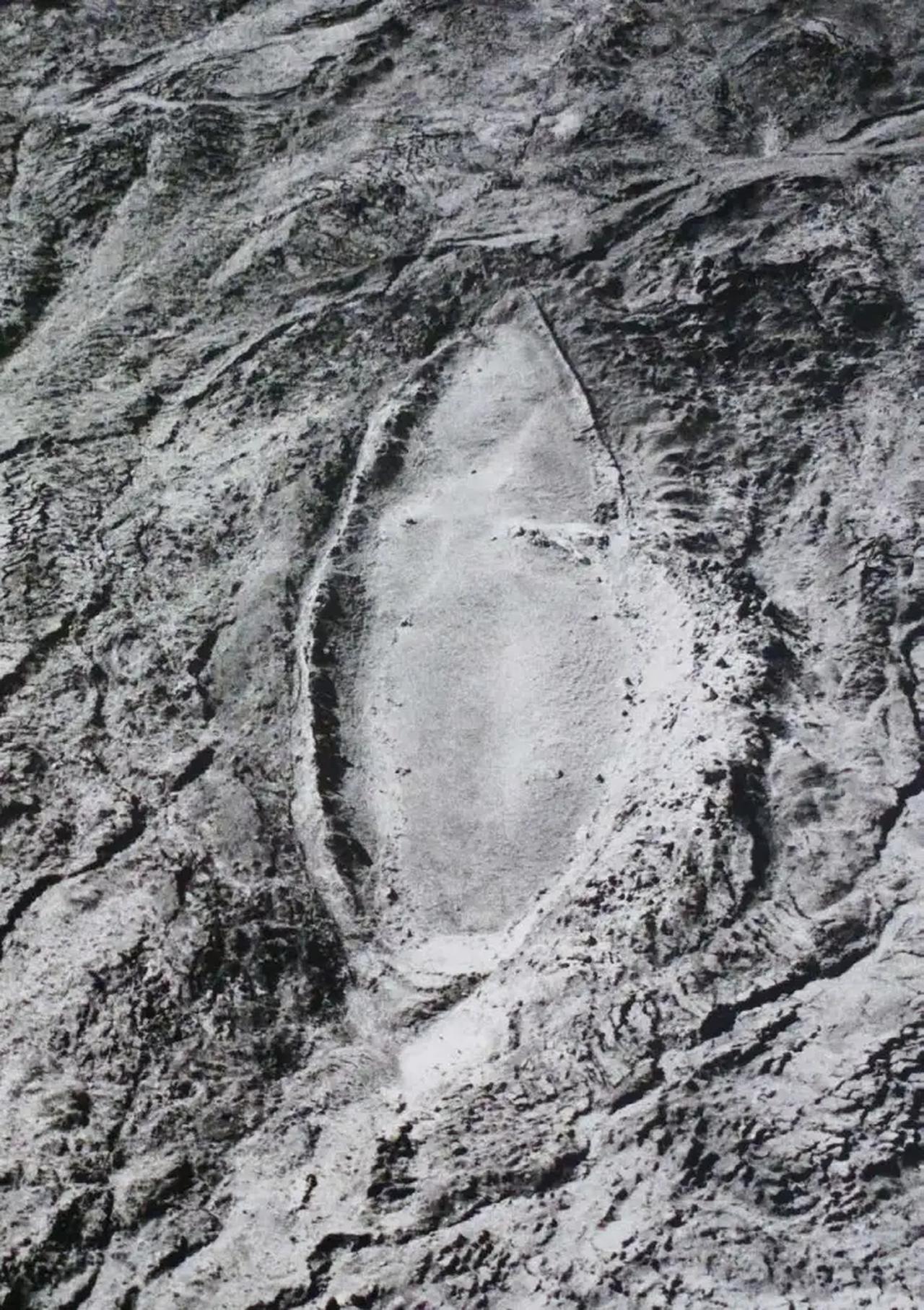
Kaya also argued that a museum should be established either in Dogubayazit or at the foot of Mount Agri to interpret archaeological, geological and cultural findings for global visitors. He pointed out that Noah’s Ark-themed parks exist in Kentucky, Hong Kong and the Netherlands, and questioned why a region with a much stronger spiritual association should not have its own museum.
Such a project, he added, could significantly boost faith-based tourism and turn the area into a structured research and visitor hub.
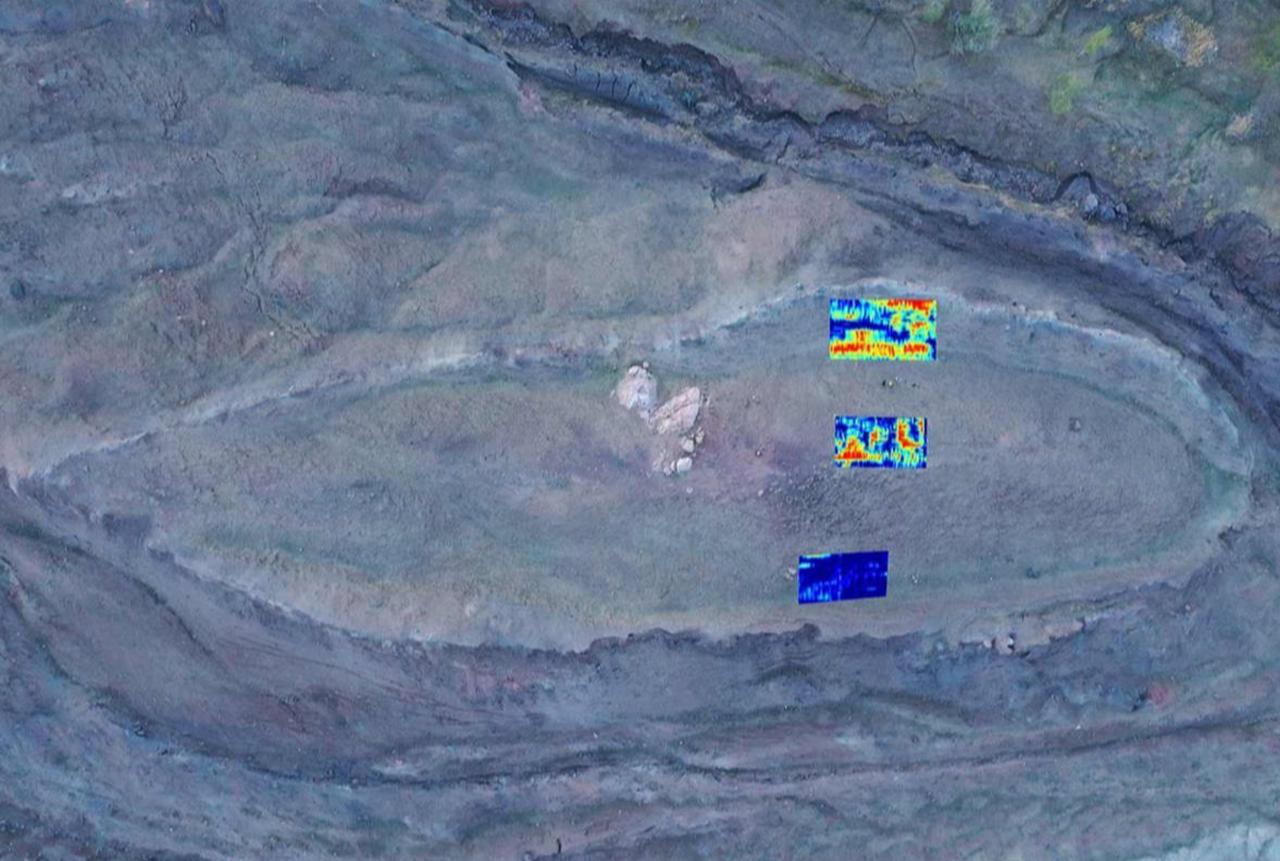
An earlier Türkiye Today article traced how myths of a great flood appear not only in Abrahamic traditions but also across Sumerian, Mesopotamian, Greek, Persian, Chinese, Hindu, and Native American narratives. The search for Noah’s Ark has inspired expeditions for centuries—some claiming to find wooden fragments, others relying on aerial photographs or local folklore—but none producing evidence accepted by the scientific community.
While some scholars have shifted their attention to Mount Cudi, which Islamic interpretations identify as the landing site, Mount Agri continues to hold global fascination. The story of the ark endures at the intersection of archaeology, geology, and religious history, and new discoveries near the Durupinar formation ensure that debate will not fade anytime soon.


 Set as preferred source
 Set as preferred source


 2 min read
 1 min read