Newsletters


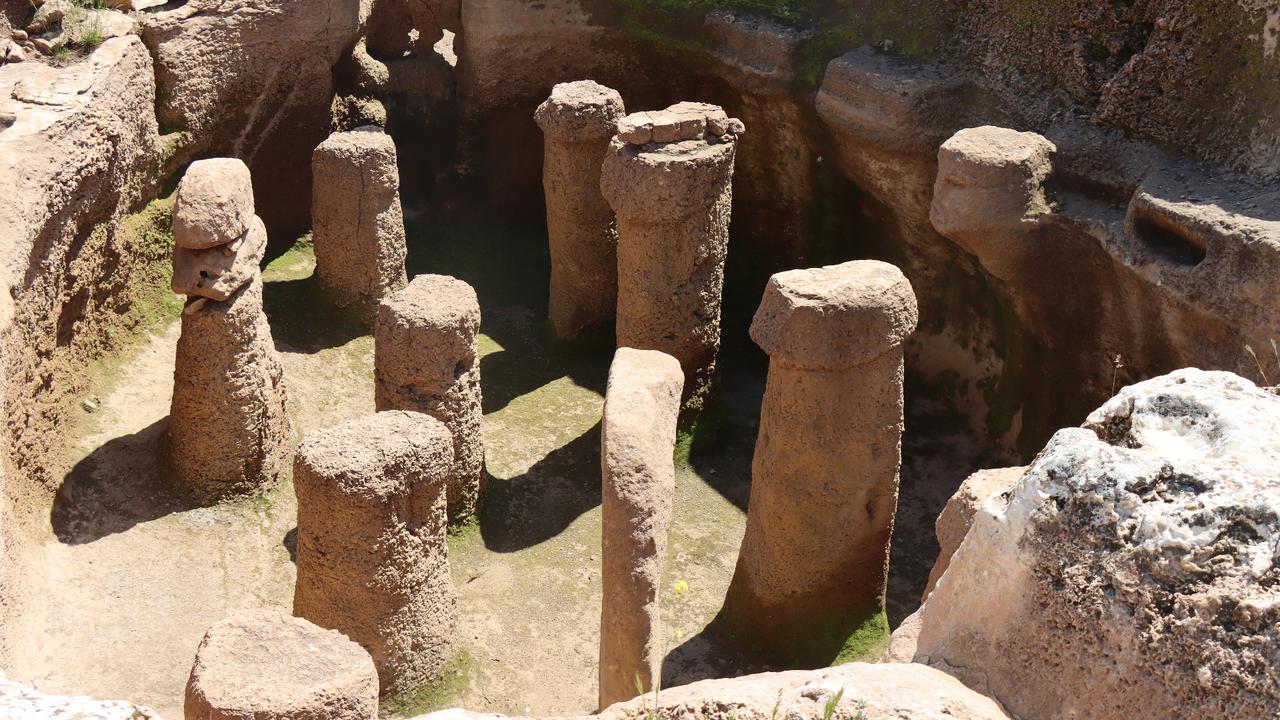
Karahantepe has emerged as a central focus in ongoing debates about the origins of settled life, as new discoveries continue to reshape how early human societies in Anatolia are understood.
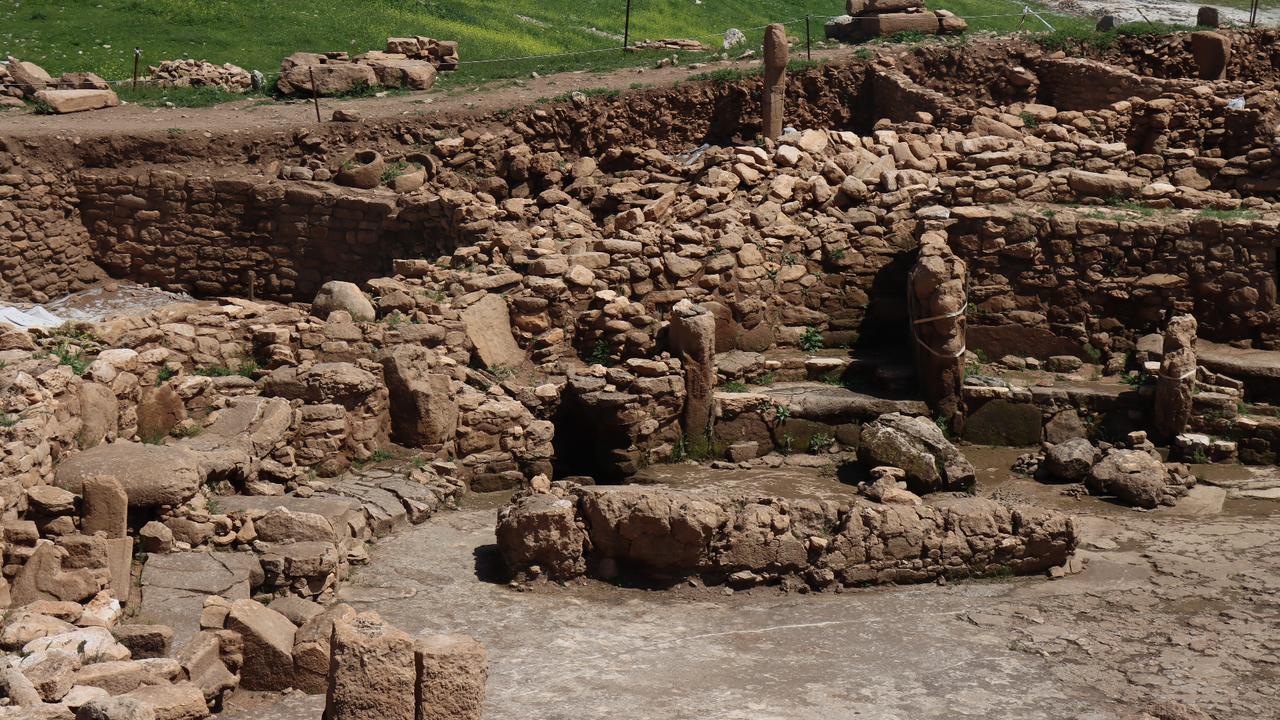
The site has been under excavation for seven years as part of the Tas Tepeler Project, described as one of the most comprehensive archaeological initiatives in the history of the Republic of Türkiye. Within this broader framework, Karahantepe stands out as one of the most significant excavation areas in Sanliurfa.
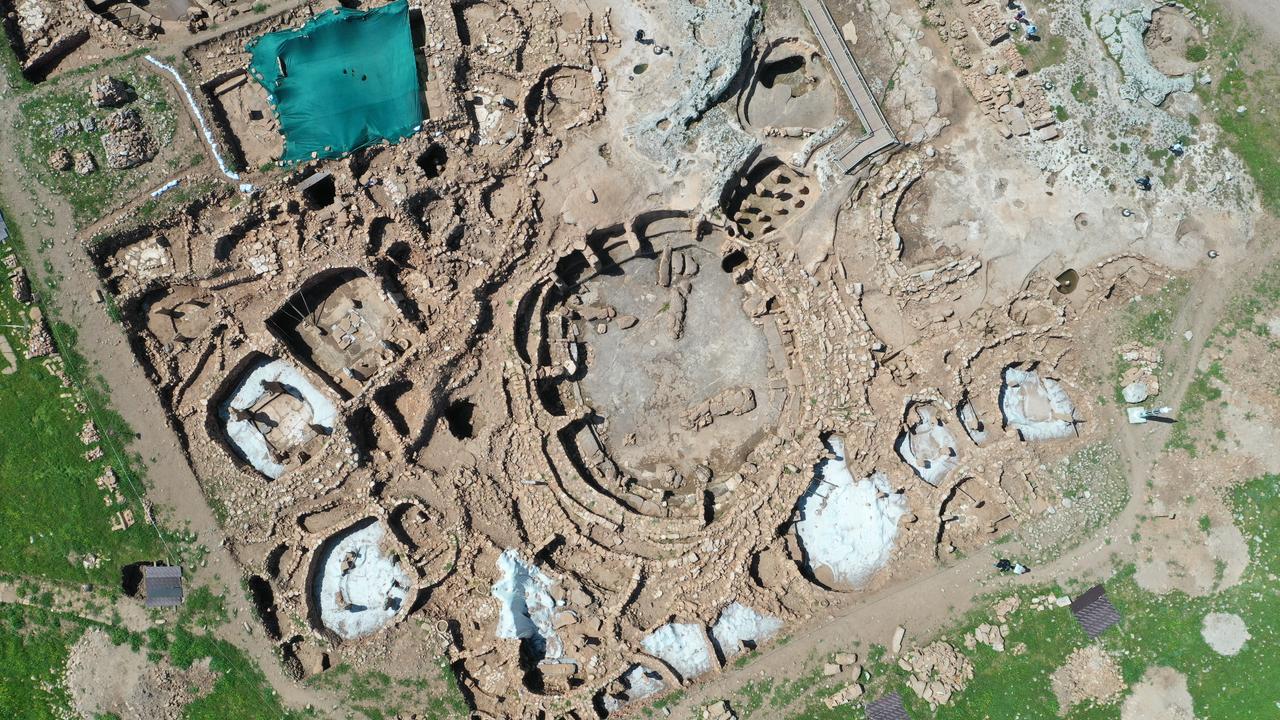
More than 250 T-shaped pillars dating back to the Neolithic period have been uncovered at the site, drawing direct comparisons to those at Gobeklitepe. These monumental stone structures are widely associated with early ritual or communal spaces, offering insight into symbolic architecture at a time when settled life was beginning to take shape.
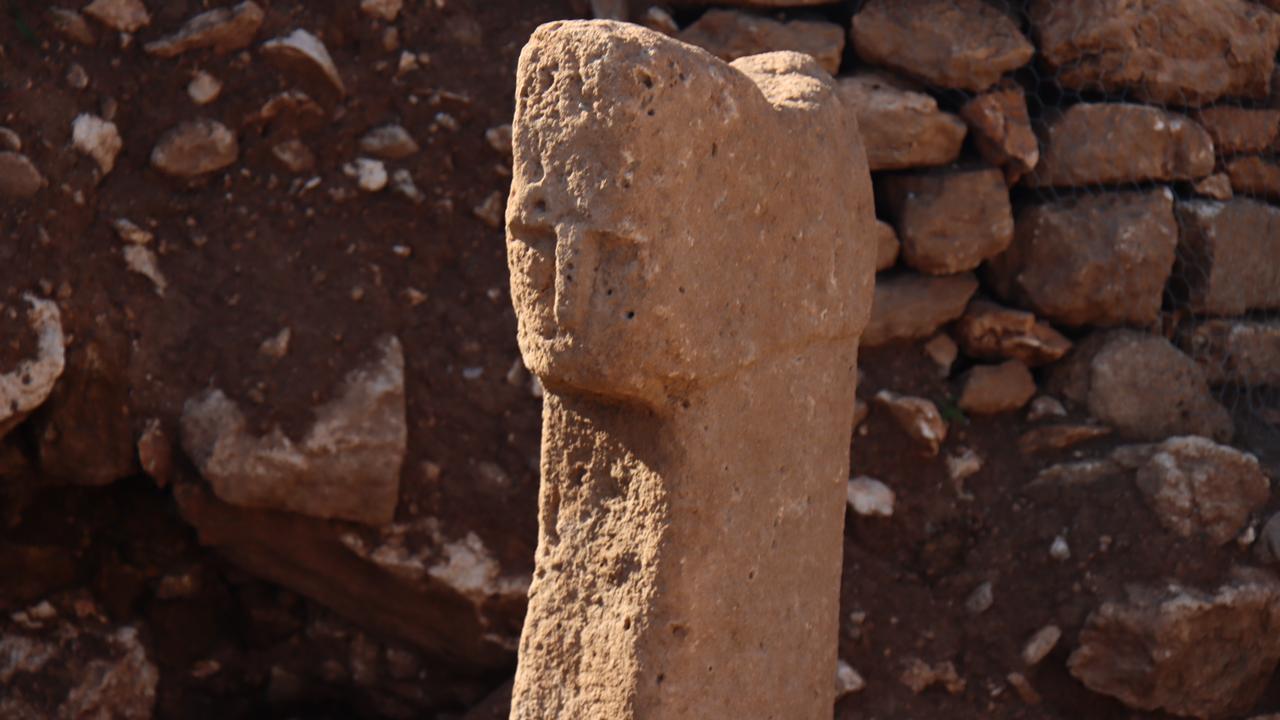
Alongside the pillars, numerous artifacts have been brought to light, including three-dimensional human statues and detailed animal depictions. These finds contribute to a growing body of evidence that suggests complex social and symbolic behaviors among early communities in the region.
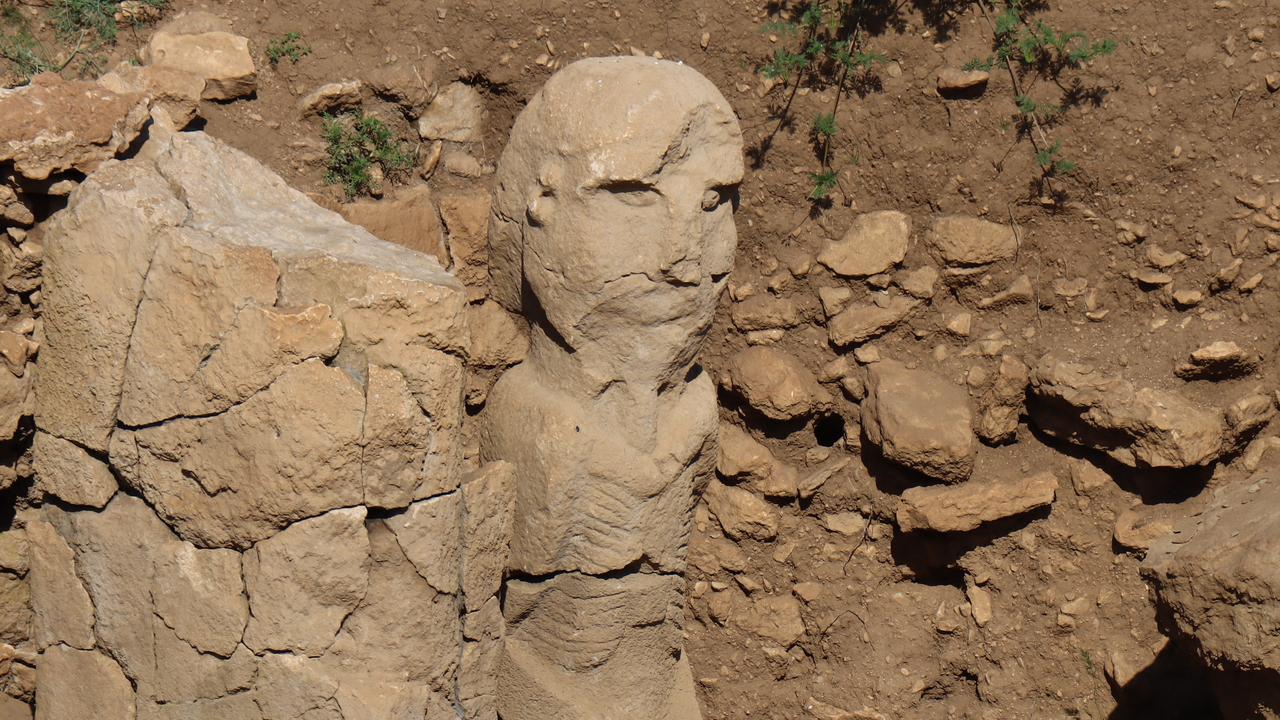
The discoveries at Karahantepe are linked to the Pre-Pottery Neolithic period, a phase roughly dated between 12,000 and 10,200 years ago. This era is defined by the emergence of permanent settlements before the widespread use of pottery, marking a critical transition in human history from mobile lifestyles to more structured communities.
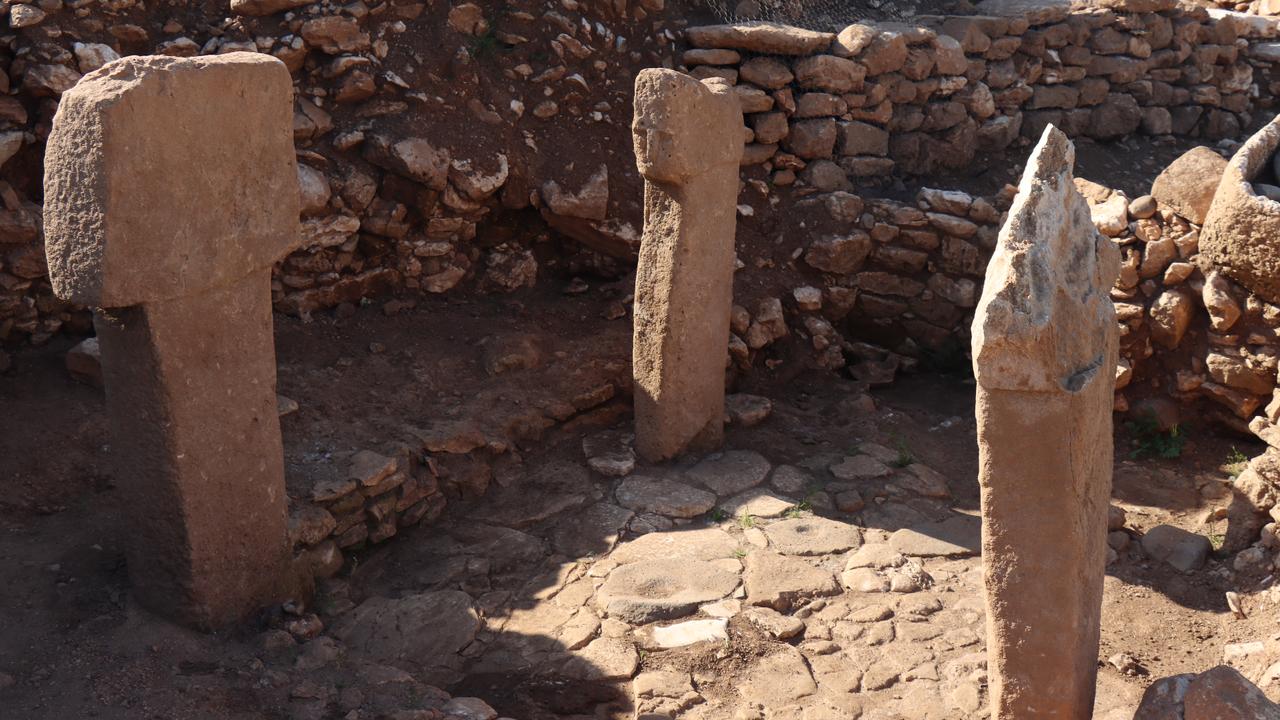
Situated near Sanliurfa and about 46 kilometers from the city center, the site lies within the Tek Tek Mountains National Park. Its proximity to Gobeklitepe has further strengthened its role within a broader network of early Neolithic sites across southeastern Türkiye.
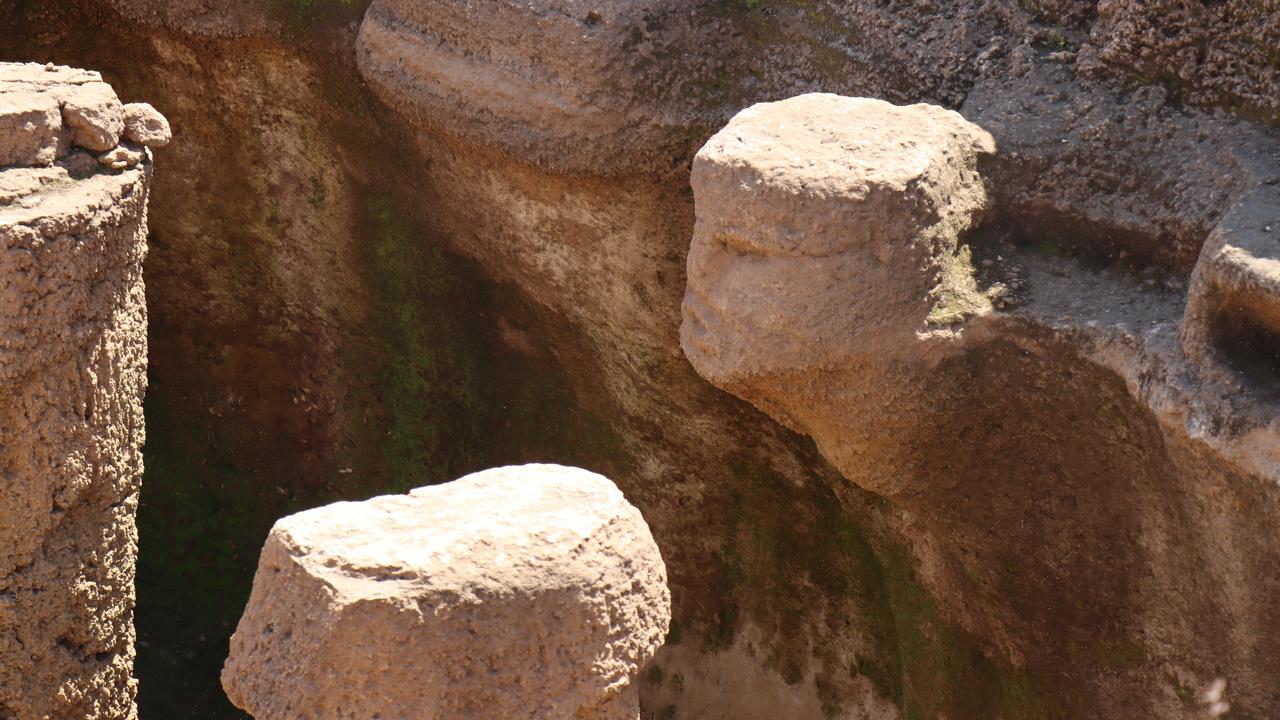
Since its first stone structures were identified six years ago, Karahantepe has drawn increasing attention from the academic world as well as the public. As excavations continue, the site is being steadily developed in parallel with rising visitor interest.
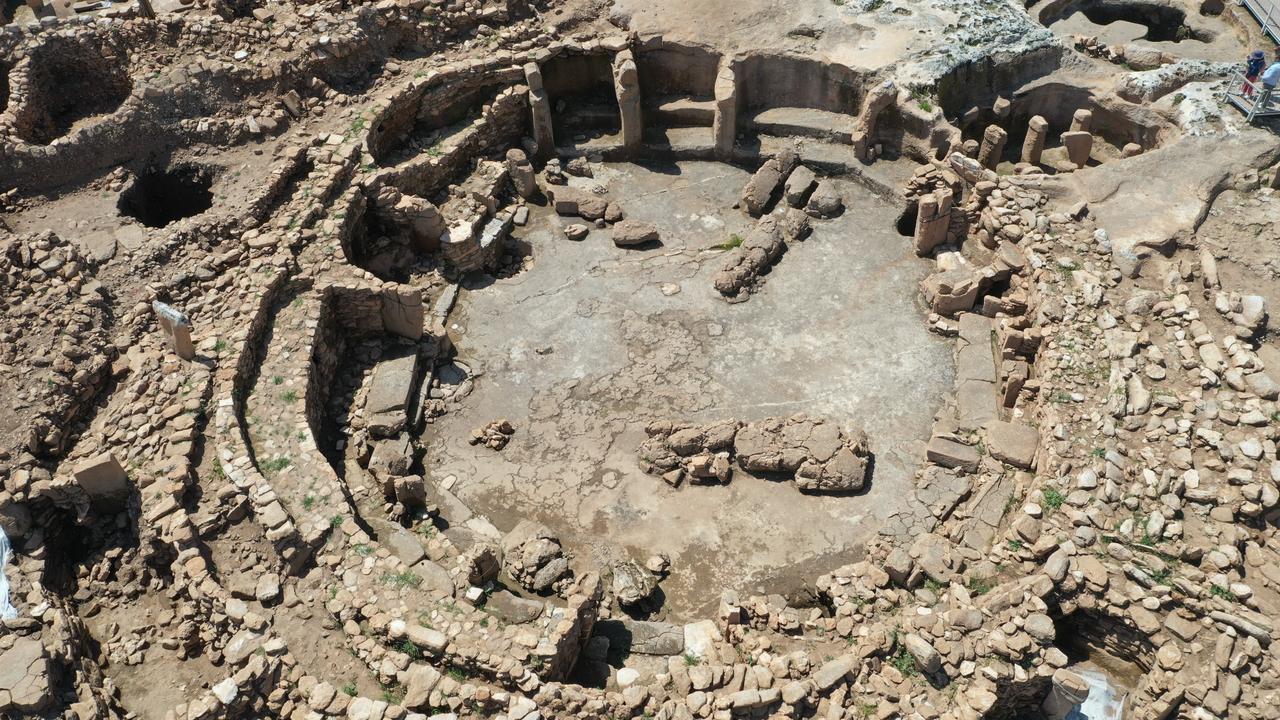
Ongoing excavations at Karahantepe continues to challenge established interpretations of early human societies. As new findings come to light, the site is increasingly positioned at the center of discussions about how and where the earliest settled communities began to form.


 Set as preferred source


 2 min read