Newsletters


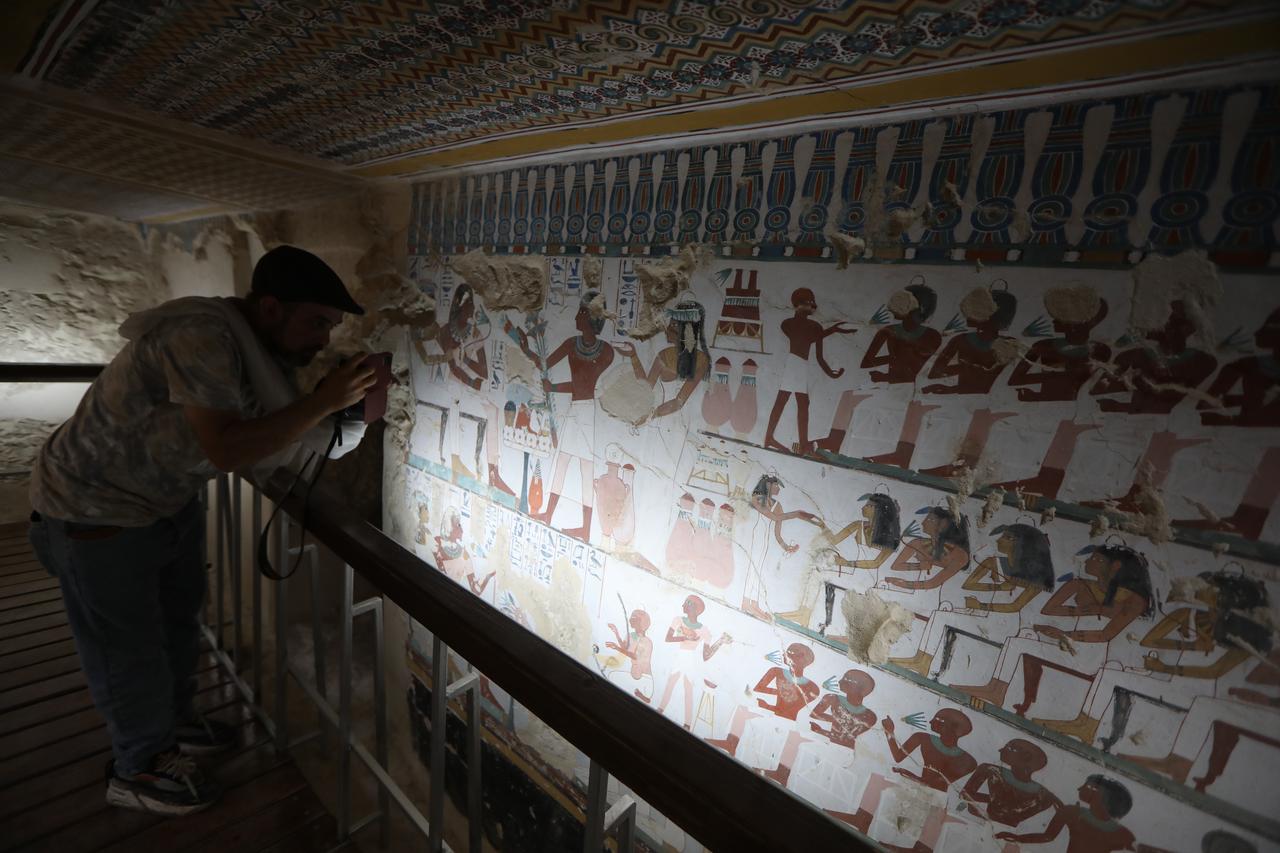


Two historic tombs from Egypt’s New Kingdom period have been opened to visitors in Luxor after years of excavation and restoration work, according to local media reports.
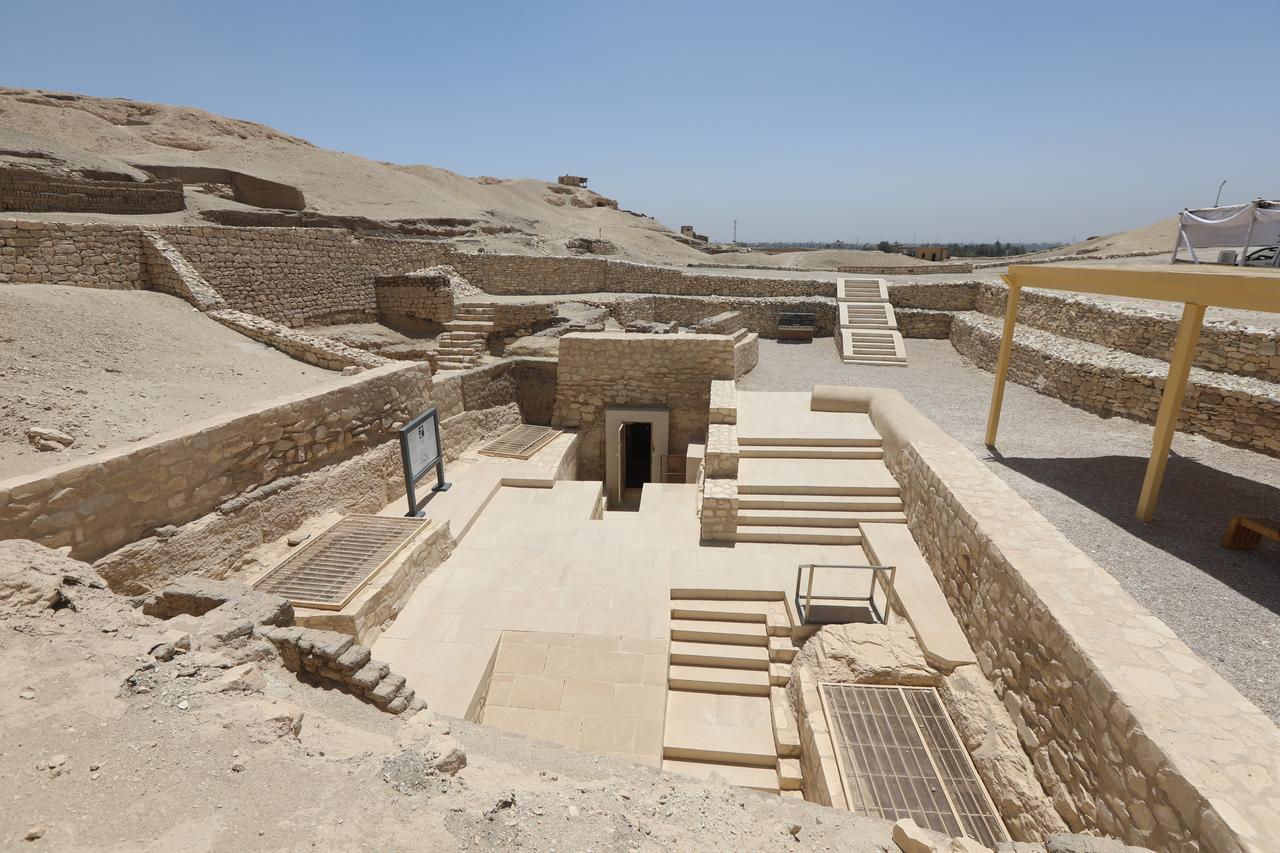
The tombs, located in the El-Khokha area, belonged to Amenhotep Rabouya (TT416) and his son Samut (TT417). They were discovered during excavations in 2015 and date back to the 18th Dynasty, a period within the New Kingdom era of ancient Egypt.

The tombs stand out for their wall paintings, which show scenes from daily life as well as funerary rituals. These depictions offer visitors a closer look at the artistic and architectural traditions of the New Kingdom period.
Reports said both tombs follow a “T-shaped” architectural plan, a layout commonly used during the 18th Dynasty. Their horizontal halls include scenes of daily life, while their long corridors feature images connected to burial practices.
The restoration work covered more than the protection of wall paintings. It also included strengthening the tombs’ architectural structures and improving visitor infrastructure.
As part of the project, historic wall scenes were carefully restored, cracks were repaired, colors were reinforced and protected, and accumulated rubble was cleared away.
To make the site easier to visit, wooden walkways, modern lighting, stone stairs, shaded areas and seating spaces were added. Information panels in Arabic and English were also installed, while a brochure was prepared for visitors.
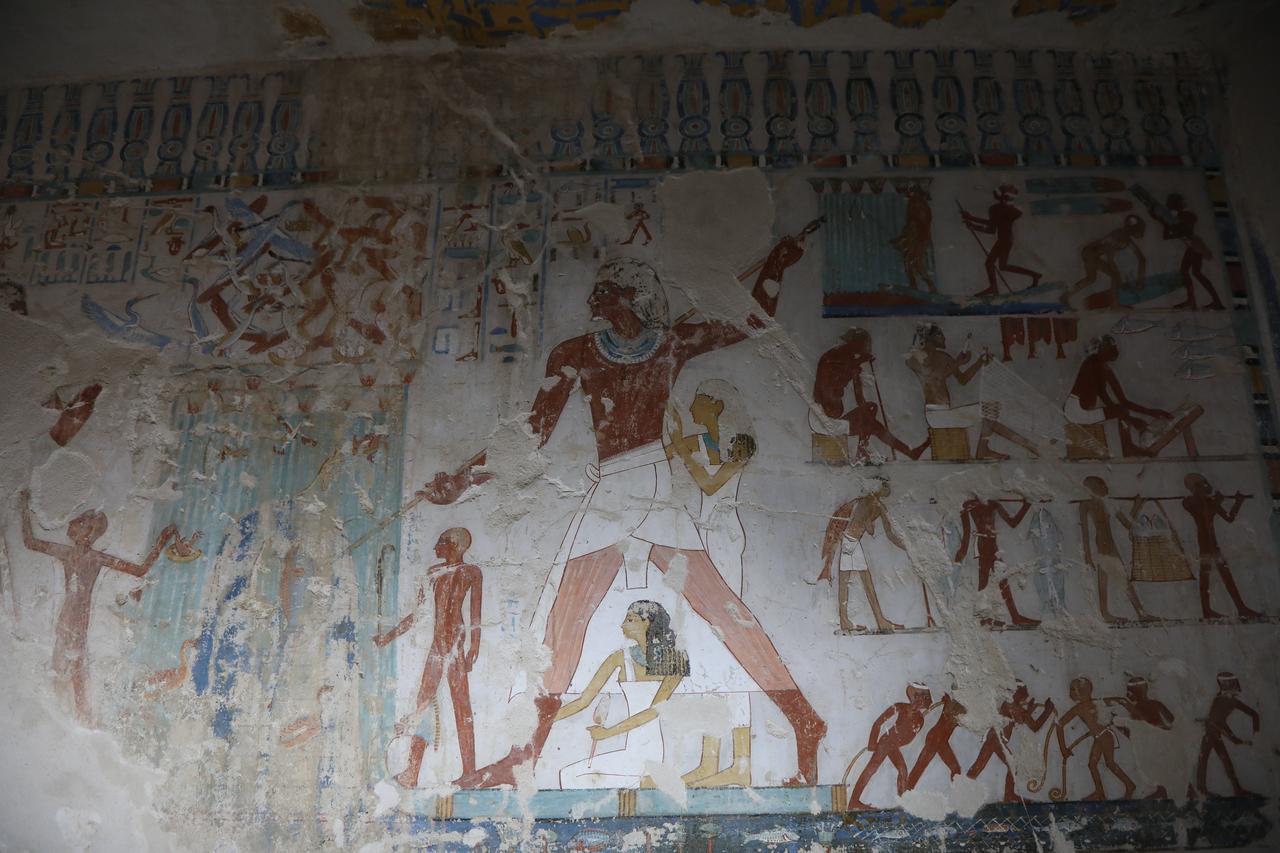
The tomb of Rabouya is noted for scenes showing agricultural activities and funerary rituals. One rare depiction, showing an offering to the goddess Renenutet, has drawn particular attention.
Although Samut’s tomb was left unfinished, reports said it still contains high-quality artistic decoration and important details about the artistic style of the period.


 Set as preferred source
 Set as preferred source


 1 min read
 1 min read