Newsletters


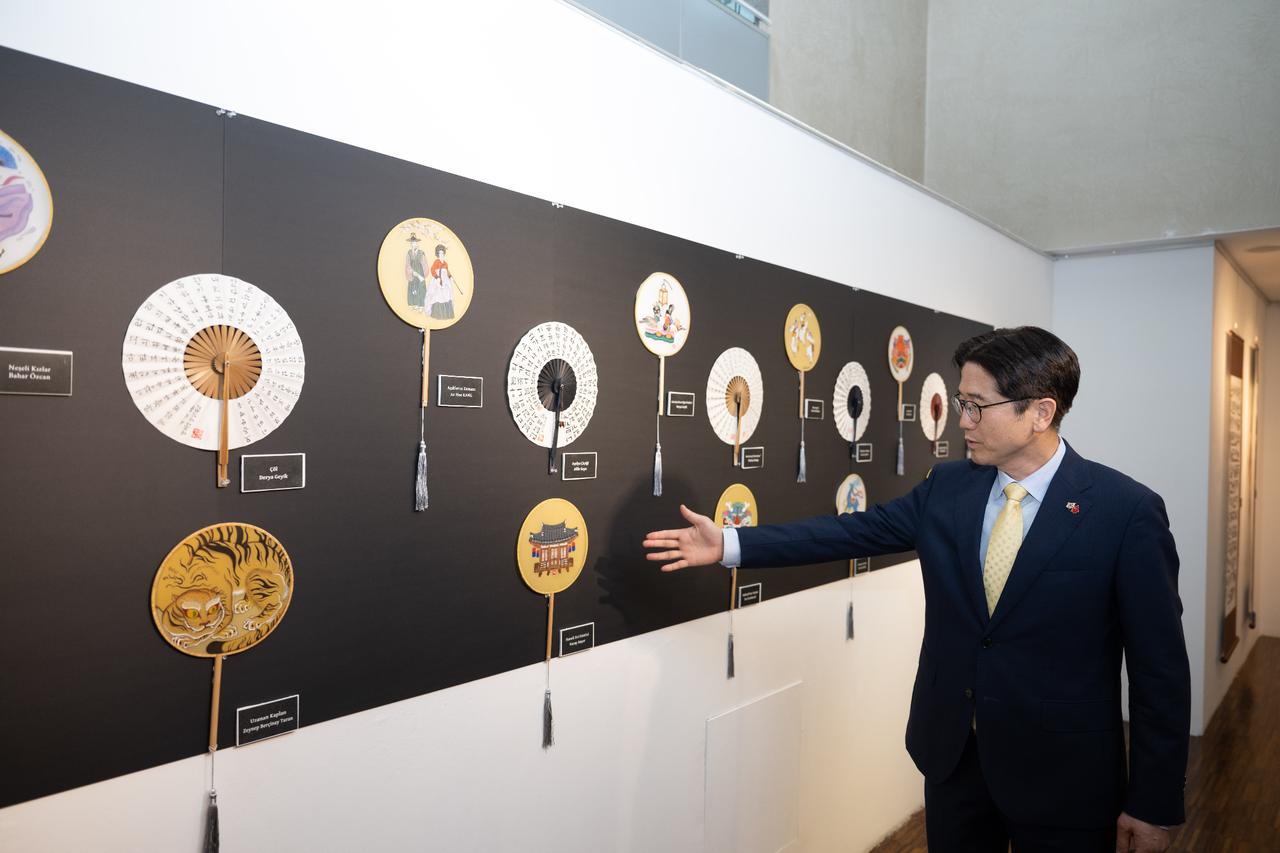


The Korean Cultural Center's new director in Türkiye, Park Saeng, plans to step up interactive cultural programs that allow people to discover Korean culture by seeing, hearing, tasting and experiencing it firsthand, putting participation at the center of his approach to cultural diplomacy.
Speaking about his new role and plans for Türkiye, Park said he wanted to expand opportunities for people to take part directly in cultural activities rather than simply encounter them from a distance.
Citing South Korea's 2025 National Image Survey Report, he noted that cultural content and traditional cultural heritage were among the areas through which people in Türkiye most frequently came across his country.
"I want to organize more interactive and experience-oriented programs where people living in Türkiye can get to know Korean culture by seeing, hearing, tasting and experiencing it firsthand. If possible, I would also like to cooperate with a television channel in Türkiye to prepare a program bringing Korean and Turkish cuisines together," Park said.
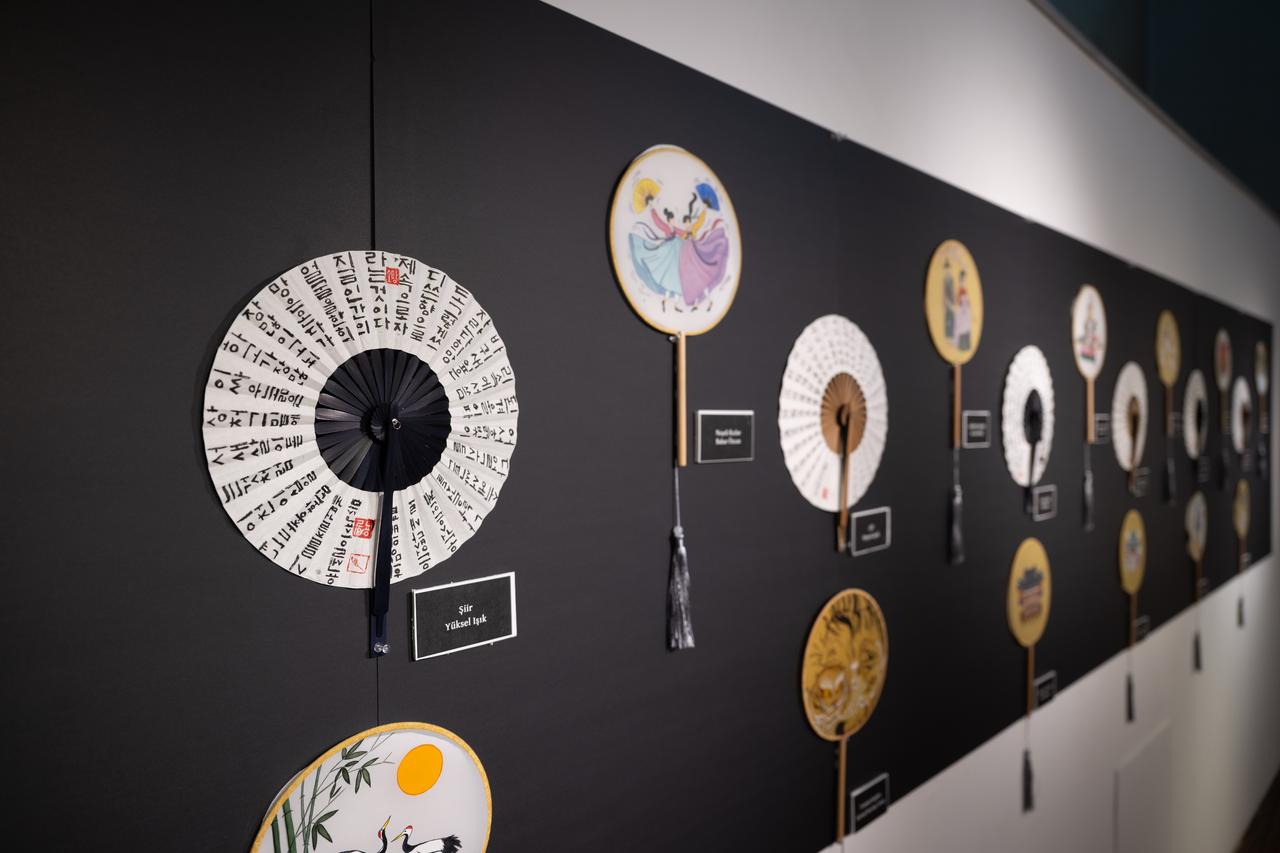

Park said bringing the two cultures together could also help give rise to new and original forms of art, while greater cultural cooperation and exchange could take relations between South Korea and Türkiye to a higher level.
He also pointed to the World Heritage Committee meetings planned for Istanbul next year, saying the gathering could bring a large number of people from South Korea's culture and arts community to Türkiye.
For Park, cultural programming and diplomacy should go hand in hand, with artists and cultural heritage from both countries coming together through shared events.
"I believe cultural events and cultural diplomacy must definitely move forward together. Based on the sense of brotherhood and mutual understanding between South Korea and Türkiye, bringing together the rich cultural heritage and artists of both countries through each other's cultural events is, in my view, cultural diplomacy in its true sense," he said.
Park said his early experiences in Türkiye had also drawn his attention to similarities between everyday traditions in the two countries.
After visiting a hammam, or traditional Turkish bath, in Ankara's Ulus district, he said he was struck by how closely the culture resembled Korea's jjimjilbang bathing tradition. He also pointed to the custom of taking off shoes before entering homes, describing it as a shared gesture of respect toward another person and their living space.
"These kinds of common points, I think, make South Korea and Türkiye even closer countries," he said.
Park said that when he told people he had been appointed to Türkiye, one of the first reactions he heard was that it was a country where culture and history remained vividly present.
He described Türkiye as a place known for bringing together East and West to form its own distinctive culture, adding that Ankara's Museum of Anatolian Civilizations had made a particularly strong impression on him, while Istanbul and Cappadocia were among the destinations many Koreans wanted to visit.
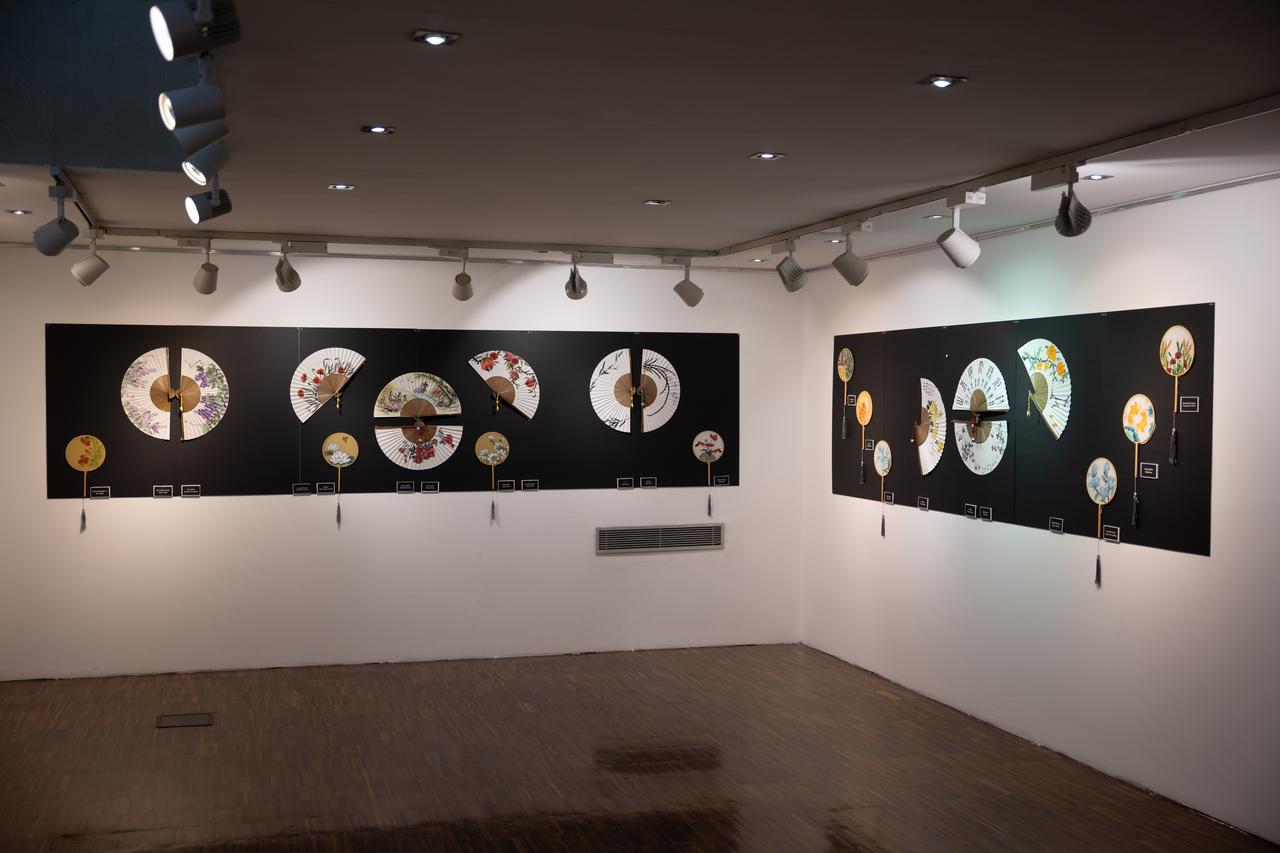
He also said the center was planning performances and exhibitions focused on traditional Korean arts and hoped to bring a range of South Korean artistic works to audiences in Türkiye.
With 2027 marking the 70th anniversary of diplomatic relations between South Korea and Türkiye, Park said the center was preparing a series of programs designed to increase both participation and direct cultural experience.
Plans include a main anniversary event, special performances by the Korean National Opera and a dedicated Korean Film Week.
Park also drew parallels between the traditional houses below Ankara Castle and those in Seoul's Bukchon Hanok Village, an area known for its traditional Korean homes, saying he was surprised by similarities in their stone walls and tiled roofs.
He said other aspects of daily life in Türkiye, including respect for older people, generously sharing food, young people giving up seats for elderly passengers, and neighbors greeting one another warmly, reminded him of the Korean concept of "jeong," which he associated with warmth and closeness in social relationships.
"Culture is the strongest bridge connecting people's hearts. I will do everything I can to help South Korea and Türkiye develop as two even closer brother countries," Park said.


 Set as preferred source
 Set as preferred source


 1 min read
 1 min read