Newsletters


The Great Hun-Turkic Kurultai, held in the town of Bugac in Hungary's Bacs-Kiskun region with the aim of bringing together Hun- and Turkic-origin communities, welcomed thousands of visitors on its second day.
Organized by the Hungarian Turan Foundation to showcase the traditional cultures, historical heritage and shared values of Hun- and Turkic-origin communities, the Great Kurultai is being hosted by the town of Bugac, home to Hungary's most famous steppe and plains ecosystem.
The second day of the traditional cultural festival, which brought together representatives from more than 27 Turkic communities, hosted thousands of visitors from many different countries.
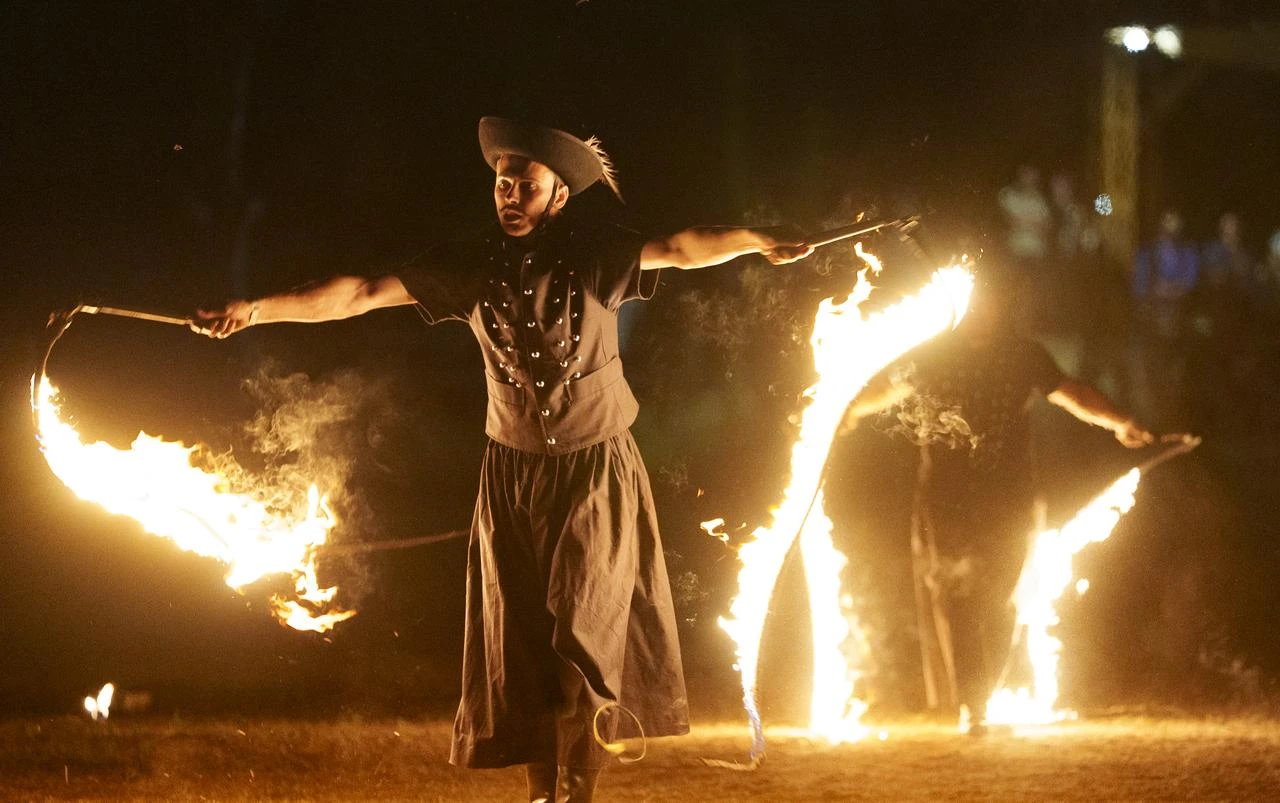
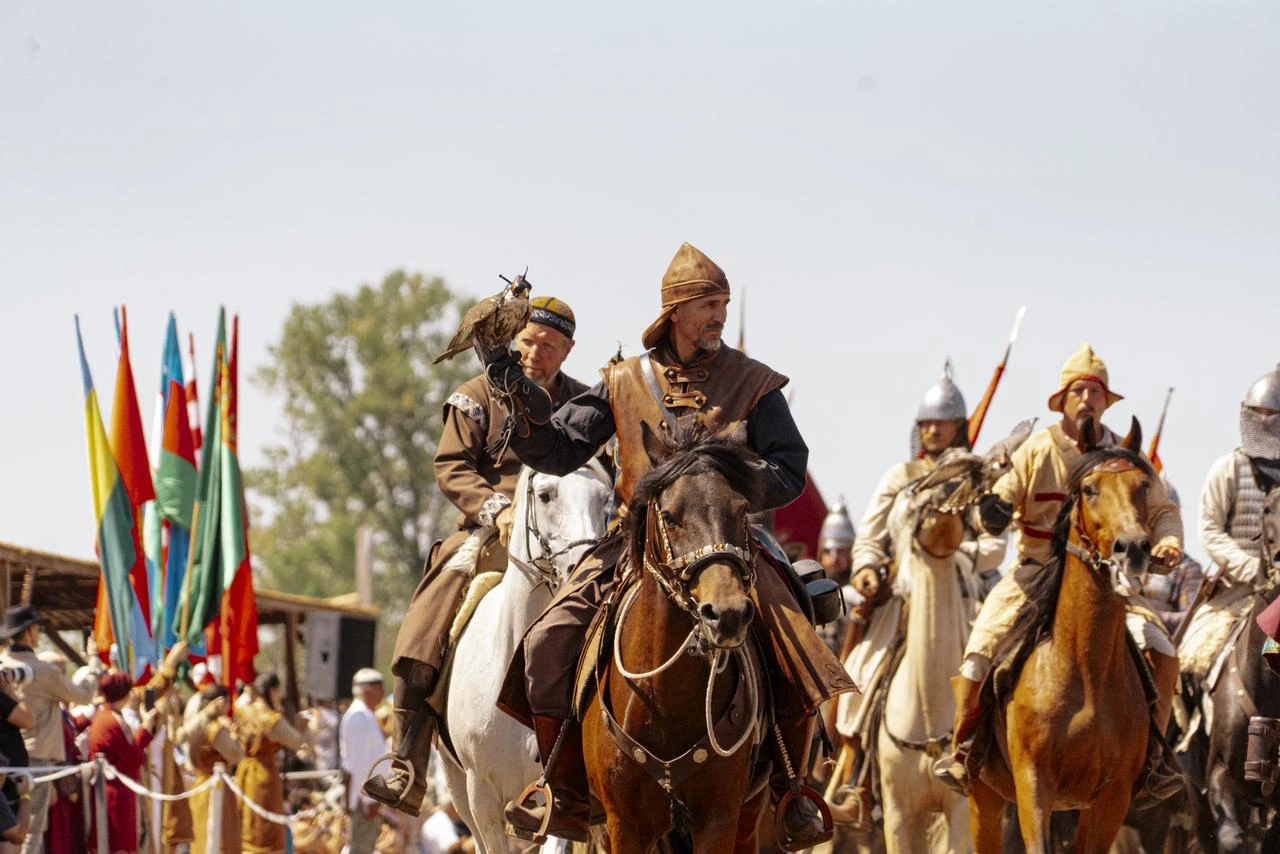
Events included a military parade, as well as a mounted procession carrying the flags of Turkic states, including Turkiye and the Turkish Republic of Northern Cyprus (TRNC), a gallop demonstration, and performances reenacting Kyrgyz nomadic life and the Epic of Manas.
The program also featured a nomadic wedding reenactment, mounted games, archery displays, tent-council gatherings, Hun-era tents, handicraft exhibitions and various other cultural activities.
At the kurultai grounds, a "Nomadic Procession" was also held, reenacting the period when Hungarians settled in the Carpathian Basin. The procession included horses, camels and wagons, with mounted and foot units passing through the grounds in period costumes.
In a large-scale military parade featuring groups that preserve the eastern traditions of the Carpathian Basin, mounted and foot warriors performed in historical costumes and with period weapons.
The event also included a "Kurultai Arrow Rain," performed by foot and mounted archers.

As part of the program marking the official opening of the kurultai, the Hun Turkic Tent, opened with support from the Turkish Cooperation and Coordination Agency (TIKA), drew significant interest.
Among the activities, an exhibition titled "From Ordos to Orseg: Treasures of the Huns, Turks and Hungarians," held in the Attila Tent, also stood out as one of the event's main attractions.
In front of the domed main entrance of the "Eastern Market," handicraft exhibitions and market stalls from Uzbekistan, Turkmenistan, Azerbaijan and the Uyghurs were set up, alongside promotional tents for Turkic states.
Many children spent time at the play areas set up for them at the event grounds. Award ceremonies for competition winners and concerts were also organized on the second day of the kurultai. The event, which began yesterday with the aim of bringing together Hun- and Turkic-origin communities, will conclude tomorrow.
The first Turkic-Hun Kurultai was held in Kazakhstan in 2007, after which the large-scale, well-attended gatherings held in Hungary became a tradition.


 Set as preferred source
 Set as preferred source


 2 min read