Newsletters


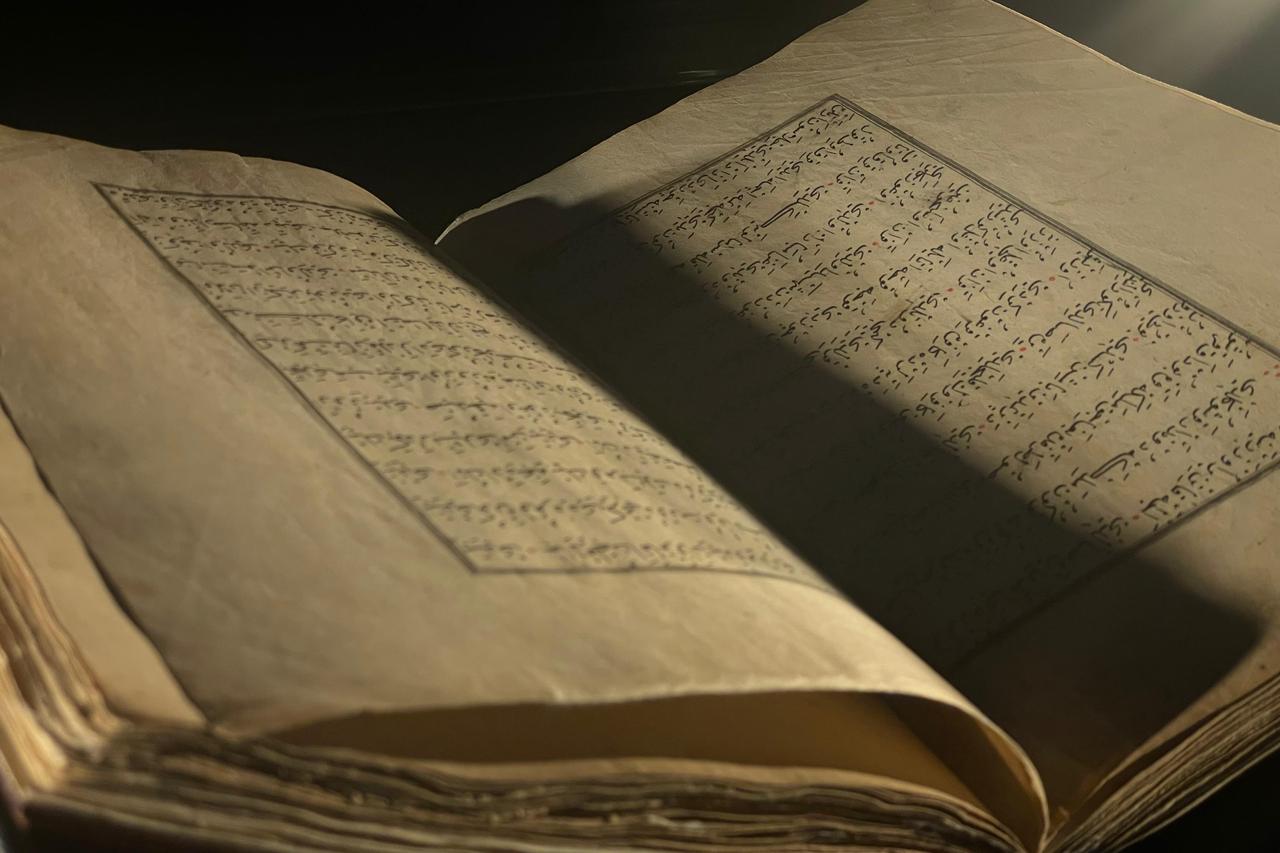


The original “Bursa Manuscript” of the Book of Dede Korkut is now on display at the Muradiye Manuscripts Museum in Bursa, adding a major new reference point for research into one of the most widely shared epic traditions across Turkic-speaking communities.
Until 2017, only two Dede Korkut manuscripts were widely known: The Dresden and Vatican copies. Since then, three more have surfaced in quick succession: The Ankara manuscript in 2017, the Gunbed manuscript in 2019, and the Bursa manuscript in 2022. With these finds, the number of known Dede Korkut manuscripts has reached five.
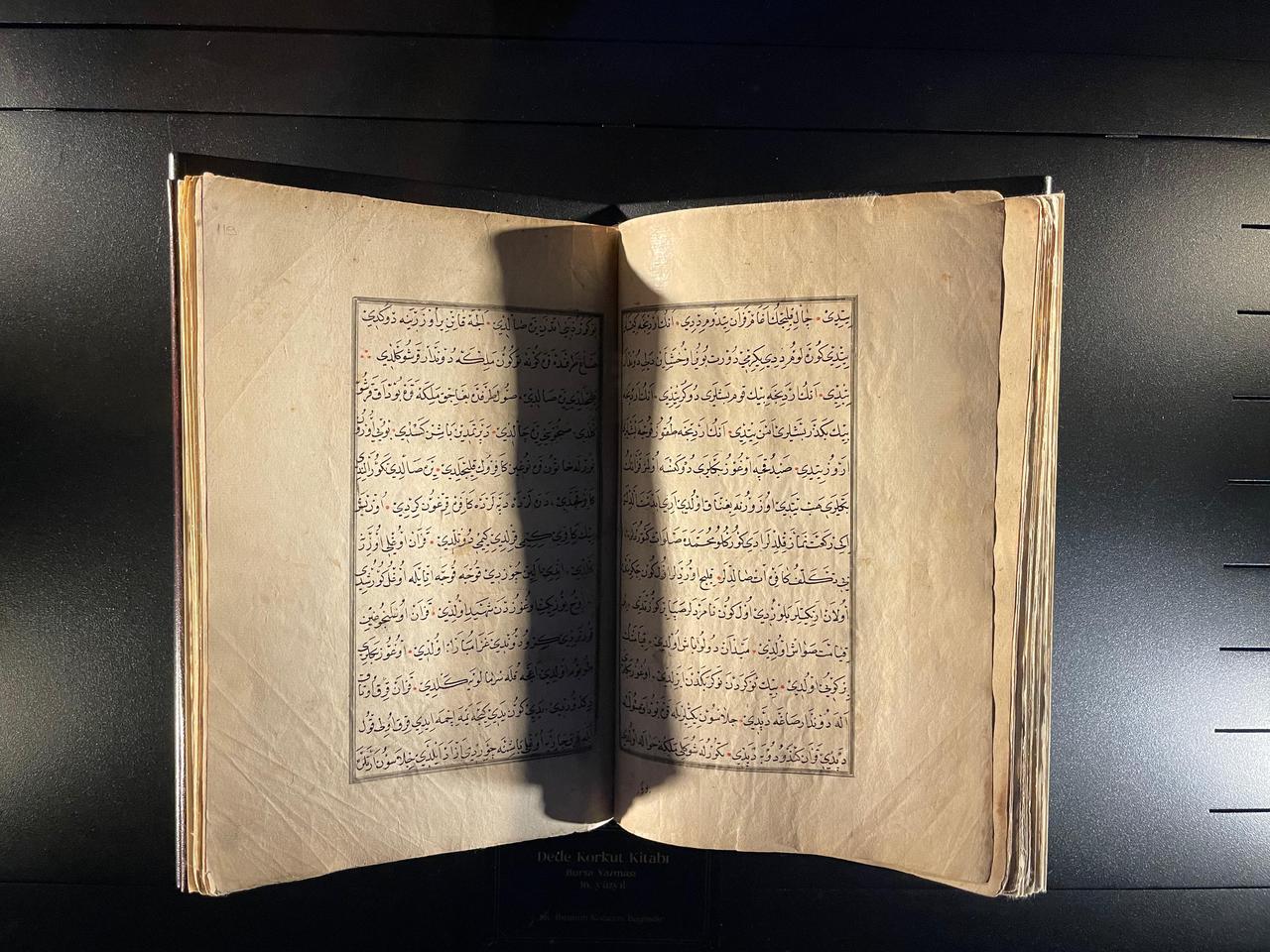

Researchers date the Bursa manuscript to roughly 1610–1640. It is also described as the most extensive copy to emerge after the Dresden manuscript, and its close relationship to Dresden is seen as significant because both are understood to come from the same textual branch.
According to information shared publicly through Dilek Yildiz Karakas, Head of Museums Department, Bursa Metropolitan Municipality, the manuscript is held by the Muradiye Manuscripts Museum. Museum officials say the manuscript had circulated for centuries from hand to hand and from village to village before it ultimately entered the museum collection.
They also outline a concrete chain of custody in recent years: A Bursa-based antiques dealer, Ibrahim Koca, received several manuscripts around 7–8 years ago from Mehmet Sait Cosar Hoca, a religious official from the village of Fadilli. In 2018, Koca delivered several Quran manuscripts and ijazatnamas (written certificates of authorization, often linked to religious or scholarly transmission), and he also donated the Dede Korkut manuscript to the museum.
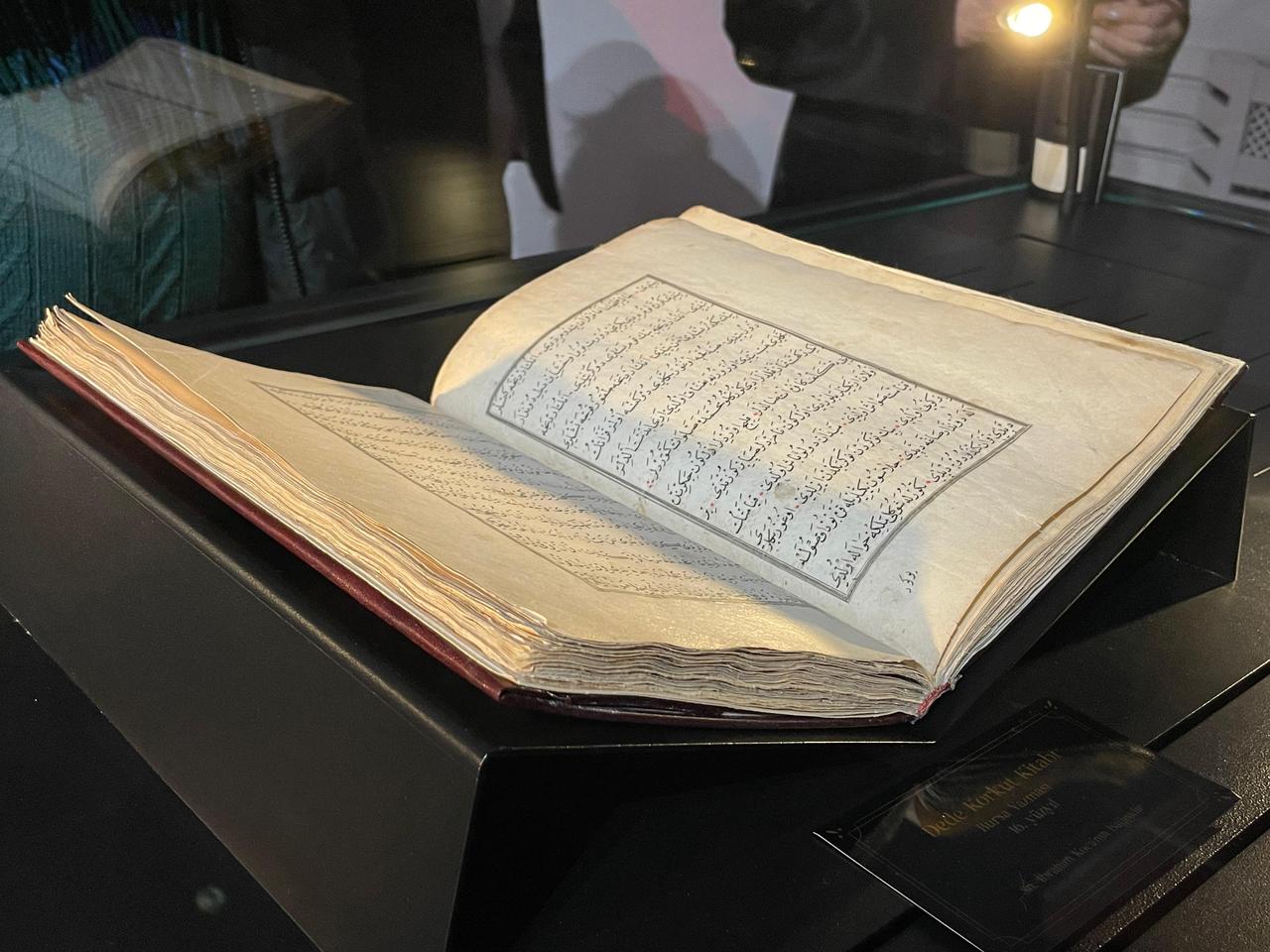
Bursa Metropolitan Municipality officials says it oversaw the manuscript’s digital transfer under the supervision of an old-paper restorer, and then prepared it for public use in line with its cultural responsibilities.
The timing also intersected with an important designation: TURKSOY selected Bursa as the 2022 Turk World Cultural Capital, and local officials described the manuscript’s emergence at the start of that year as a meaningful development for the wider Turkic cultural sphere.
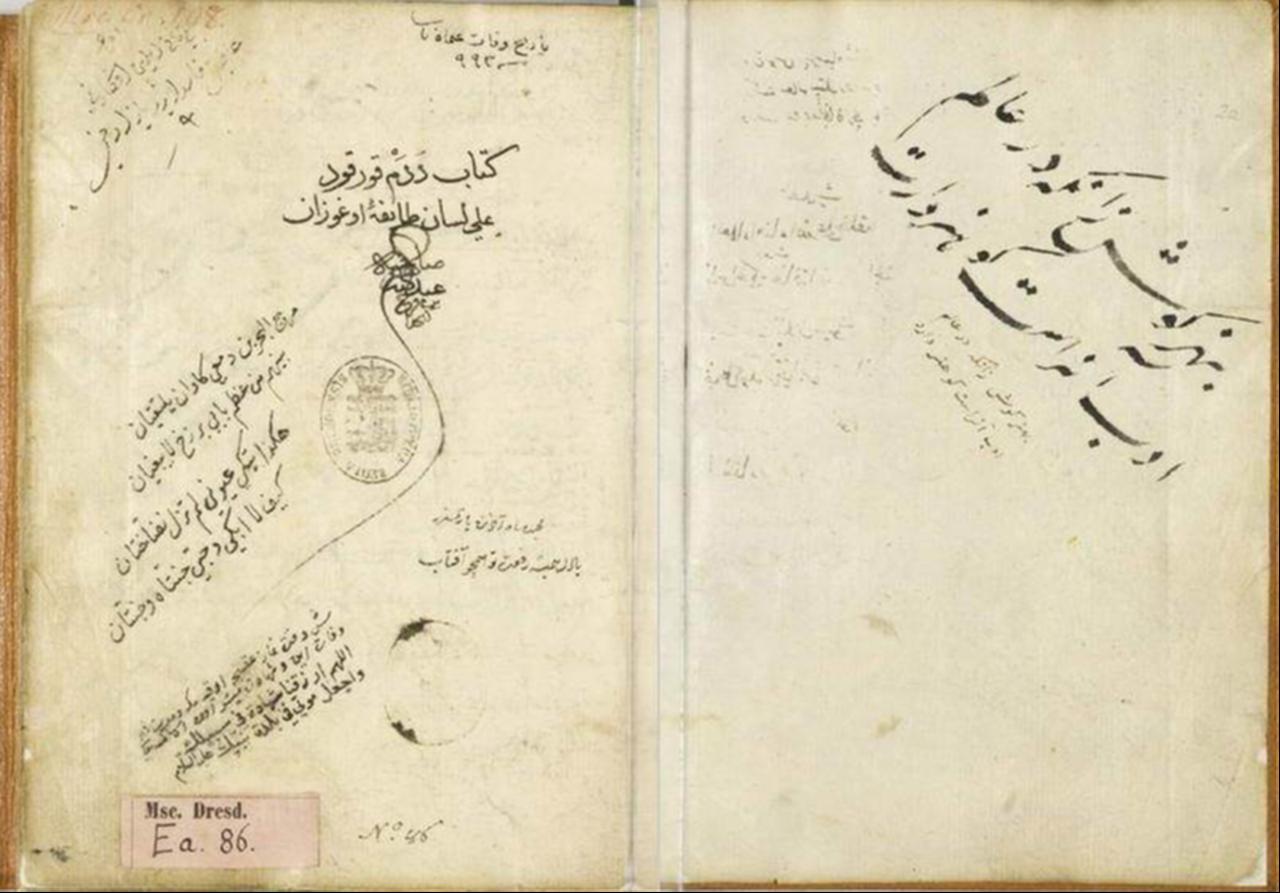
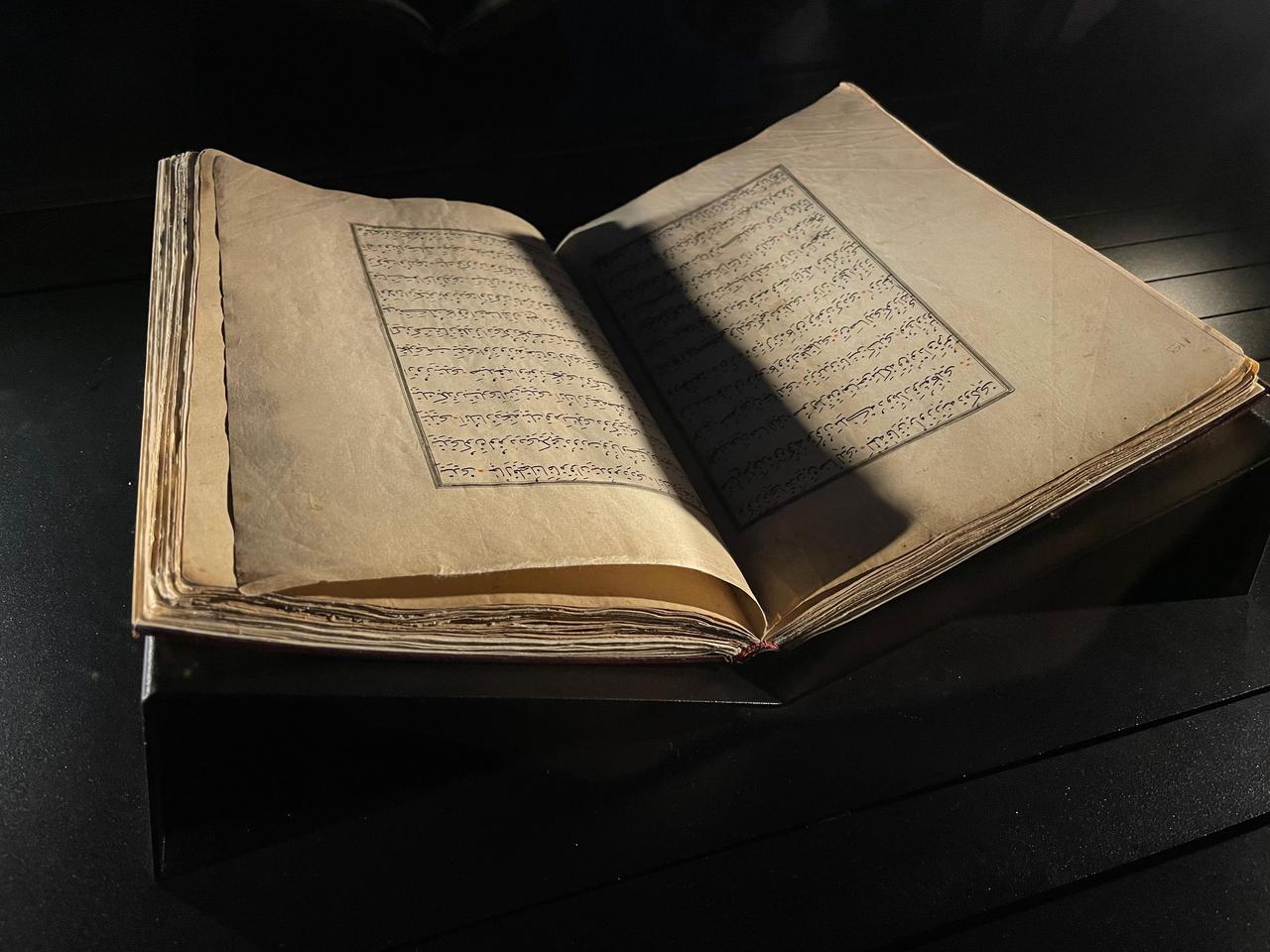
Beyond manuscripts, Dede Qorqud/Korkyt Ata/Dede Korkut is also recognized as an element of living heritage.
“The epic culture, folk tales and music of Dede Qorqud/Korkyt Ata/Dede Korkut,” shared by communities in Azerbaijan, Kazakhstan, and Türkiye, was inscribed in 2018 on UNESCO’s Representative List of the Intangible Cultural Heritage of Humanity.


 Set as preferred source
 Set as preferred source


 1 min read