Newsletters


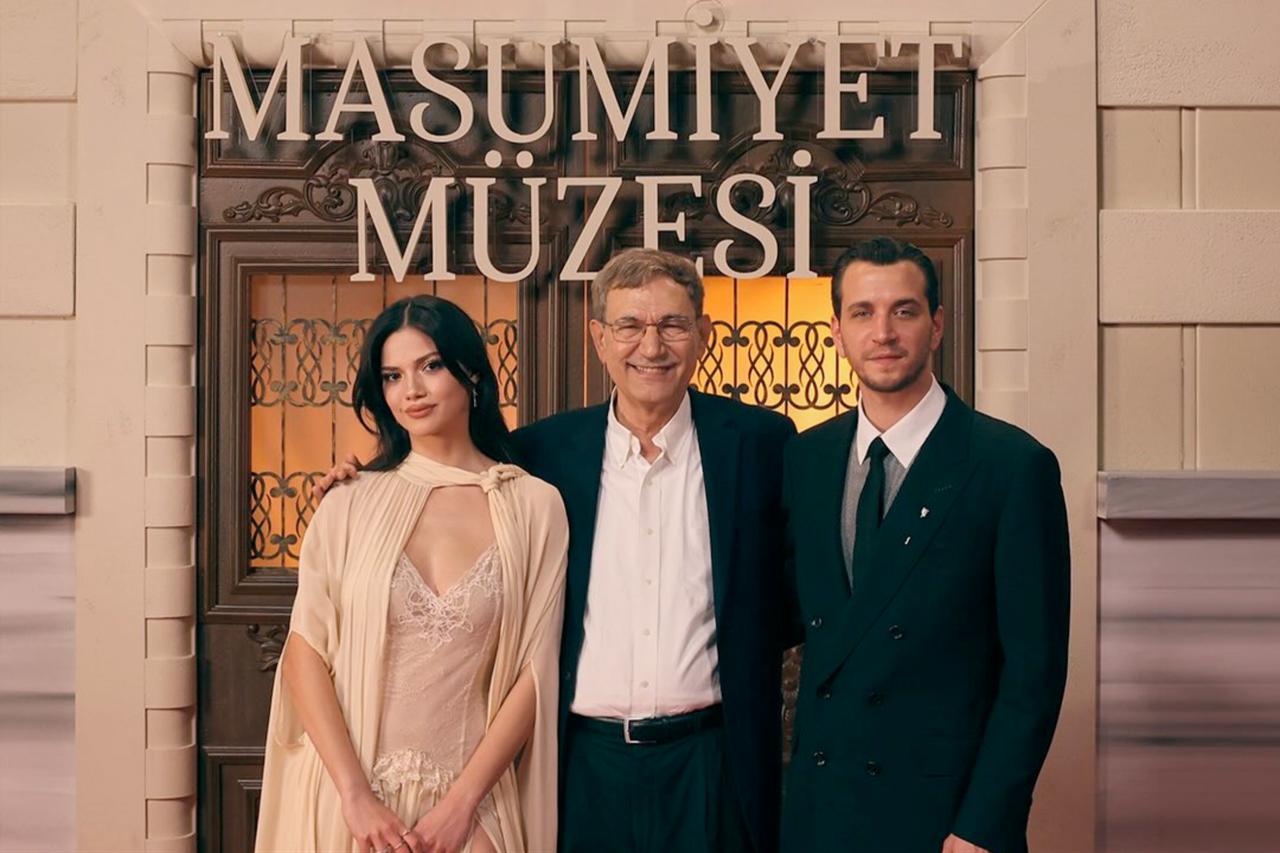


Netflix’s limited series adaptation of "The Museum of Innocence" continues Orhan Pamuk’s long project of translating memory across forms.
After the novel and the physical museum in Istanbul’s Cukurcuma district, the story now unfolds through television.
In a recent interview with ArtDog Istanbul, director Zeynep Gunay described the production process in simple terms. “It felt like we were inside the book, not on set,” she said. Pamuk, who closely followed the adaptation, noted that the team “wanted the work to feel timeless.”
The series is set in 1970s Istanbul and revisits the story of Kemal and Fusun through a structure that moves beyond the novel’s single first-person narration.
Eylul Kandemir stars as Fusun, while Selahattin Pasali plays Kemal. While the book tells the story largely through Kemal’s voice, the series deliberately opens space for other perspectives.
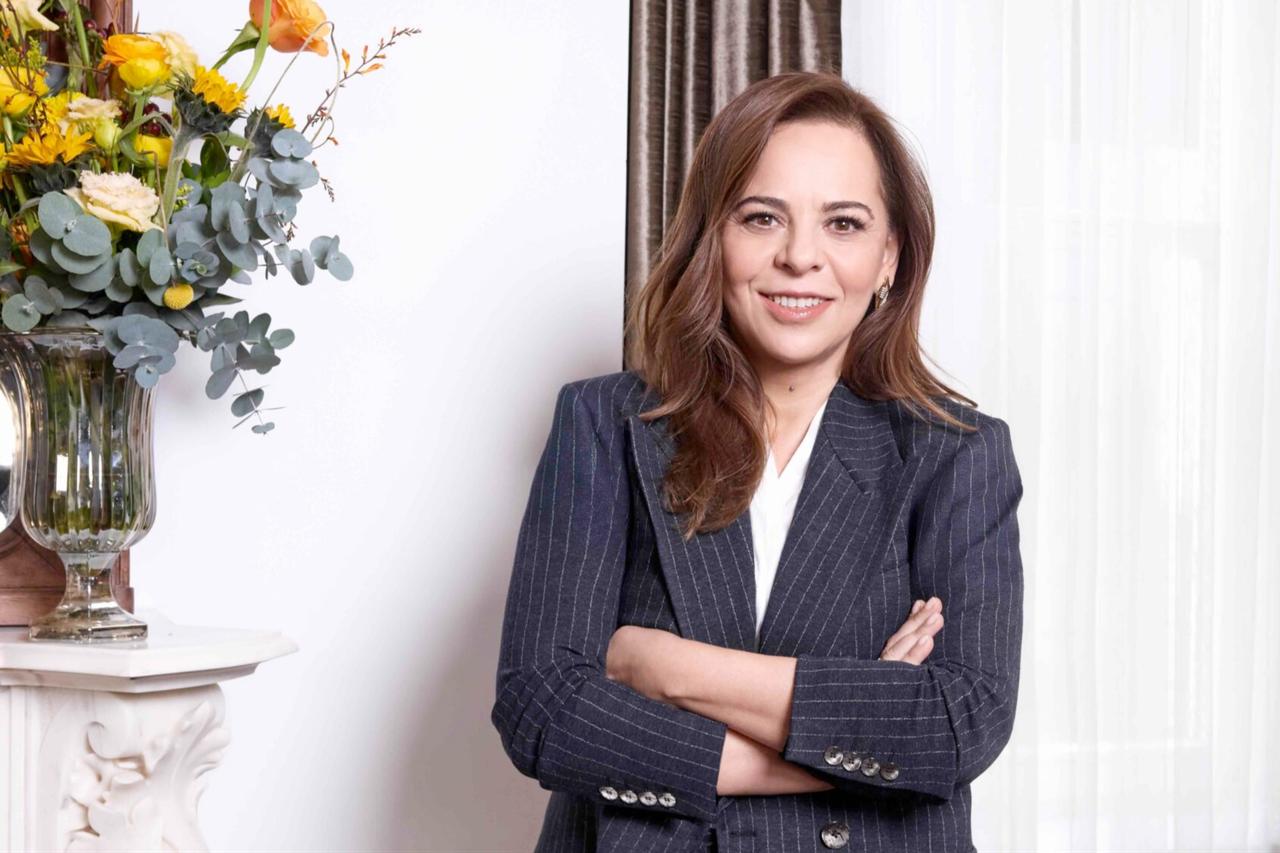

Director Zeynep Gunay first read the novel 15 years ago.
At that time, she said, she approached the story through Fusun. “Back then, it lingered in my mind almost as a book about her,” she recalled. Reading it again years later while working on the screenplay led to a different conclusion.
“I realized that Fusun almost disappears and that it is, in fact, Kemal’s book.”
The shift shaped the adaptation. Gunay said she aimed to portray love without romanticizing it.
The series treats love as something that carries beauty but also reveals darker impulses. She pointed to a line spoken by Kemal in the series: “We slept together, that’s all.” The simplicity of the statement raises a larger question about how society defines love.
She also recalled a line from Kemal’s mother: “Can there be love in a country where men and women cannot even speak to one another?” For Gunay, the line speaks directly to social constraints around intimacy in Türkiye during the 1970s.
Orhan Pamuk’s novel also turns on coincidence. Gunay cited the Jenny Colon handbag as an example of how chance encounters shape the narrative. Not every moment carries deliberate meaning.
Randomness can redirect a life.
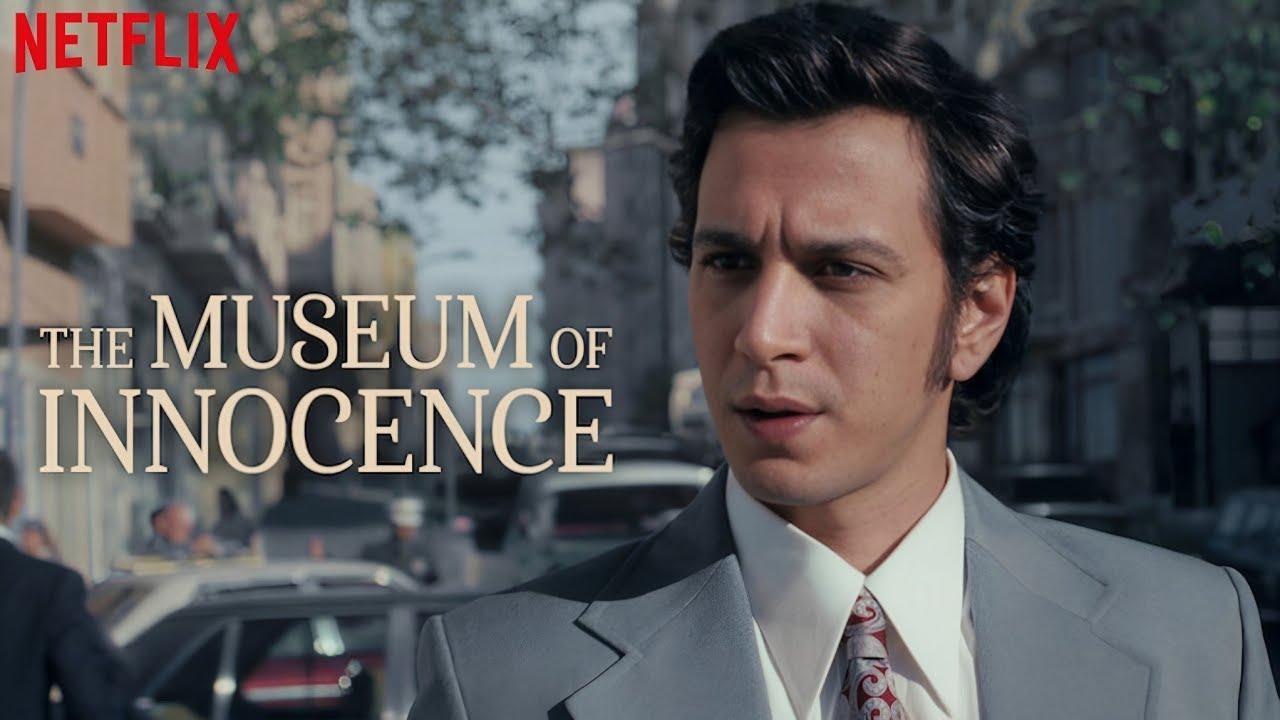
The visual language of "The Museum of Innocence" reflects that approach.
Cinematographer Ahmet Sesigurgil told ArtDog Istanbul the team avoided aesthetic shortcuts often used in period dramas.
Rather than romanticizing 1970s Istanbul with heavy color filters or decorative references, the production chose to “document” the era as if it were unfolding today. The camera does not fix itself to locations but instead follows characters.
In each scene, the team asked a simple question: “Whose scene is this?” After answering, they positioned the camera physically around that character.
The goal was to invite viewers into a subjective perspective rather than present a single authoritative viewpoint.
Sesigurgil said the series does not follow one emotion. It does not track only desire, memory, or control. Instead, it traces contradictions.
Wide shots of neighborhoods and cityscapes occasionally distance viewers from characters to emphasize how space and class shape personal choices.
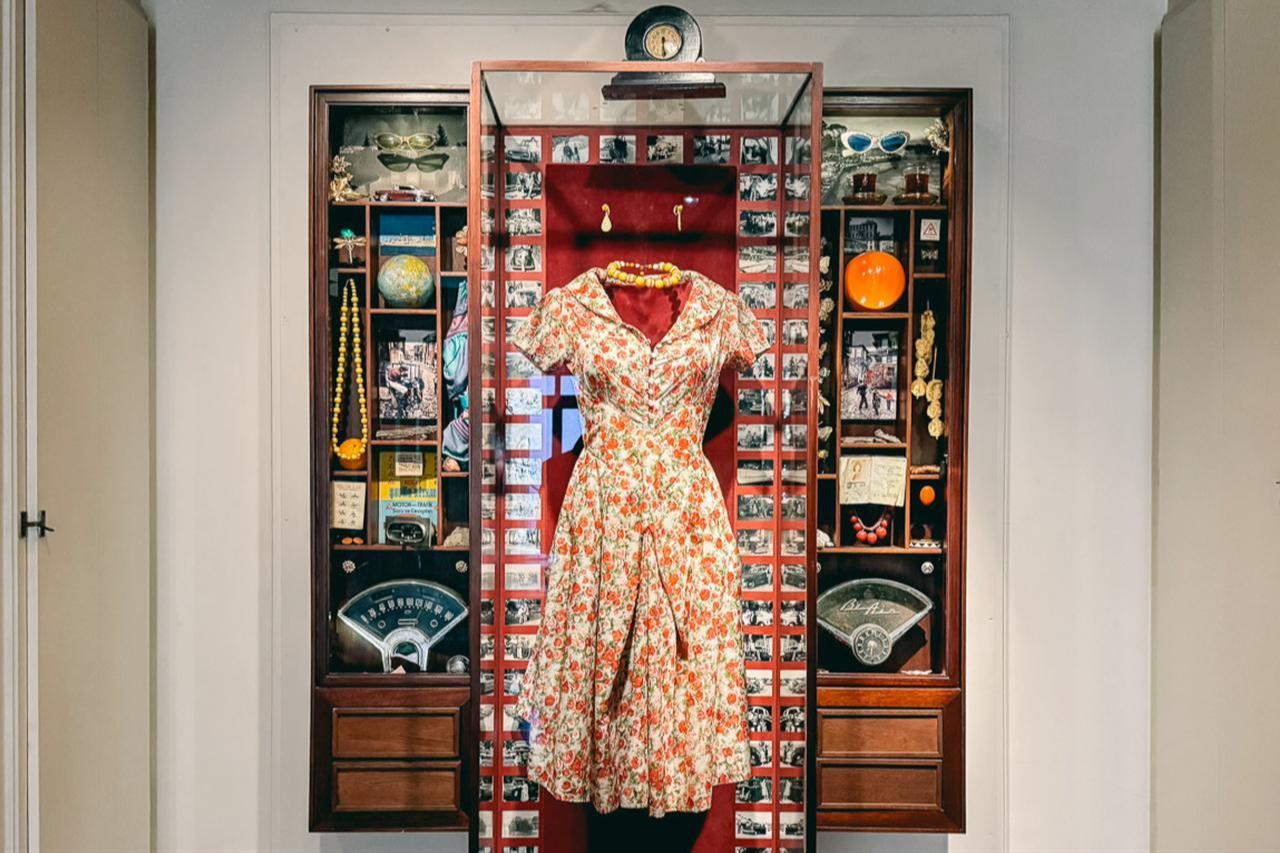
During pre-production, director Gunay said she noticed something she had missed in earlier readings.
Kemal’s decision to build a museum, she argued, connects to his mother’s compulsive collecting.
In the Merhamet Apartments, Kemal’s mother fills an unhappy marriage with unused objects. The apartment becomes, in Gunay’s words, “a museum of unused belongings and an unhappy marriage.” Later, Kemal builds his own museum from objects tied to Fusun.
The series keeps this layered structure intact. As Pamuk noted in the interview, the aim was not to modernize the story beyond recognition but to preserve its layered quality and let it unfold.
The Netflix series marks the latest stage in "The Museum of Innocence"'s evolution from novel to museum and now to television.
The story that began as a novel about obsessive love continues to test how memory, chance, and personal narrative translate across media and generations.


 Set as preferred source
 Set as preferred source


 3 min read