Newsletters




History has a way of whispering its secrets–if you listen closely…
Sultan Mehmed I lay confined to his bedchamber in the palace at Edirne. His strength was ebbing away, yet his mind remained focused on the state he had spent his life rebuilding.
Beyond the palace walls, the city was calm. The gates stood open. There were no enemy banners on the hillsides or plains, no messengers arriving with news of revolt or invasion. The roads were safe again. The bazaars were full of merchants and traders from across the region. Taxes were paid to a single authority. Coins bore one name.
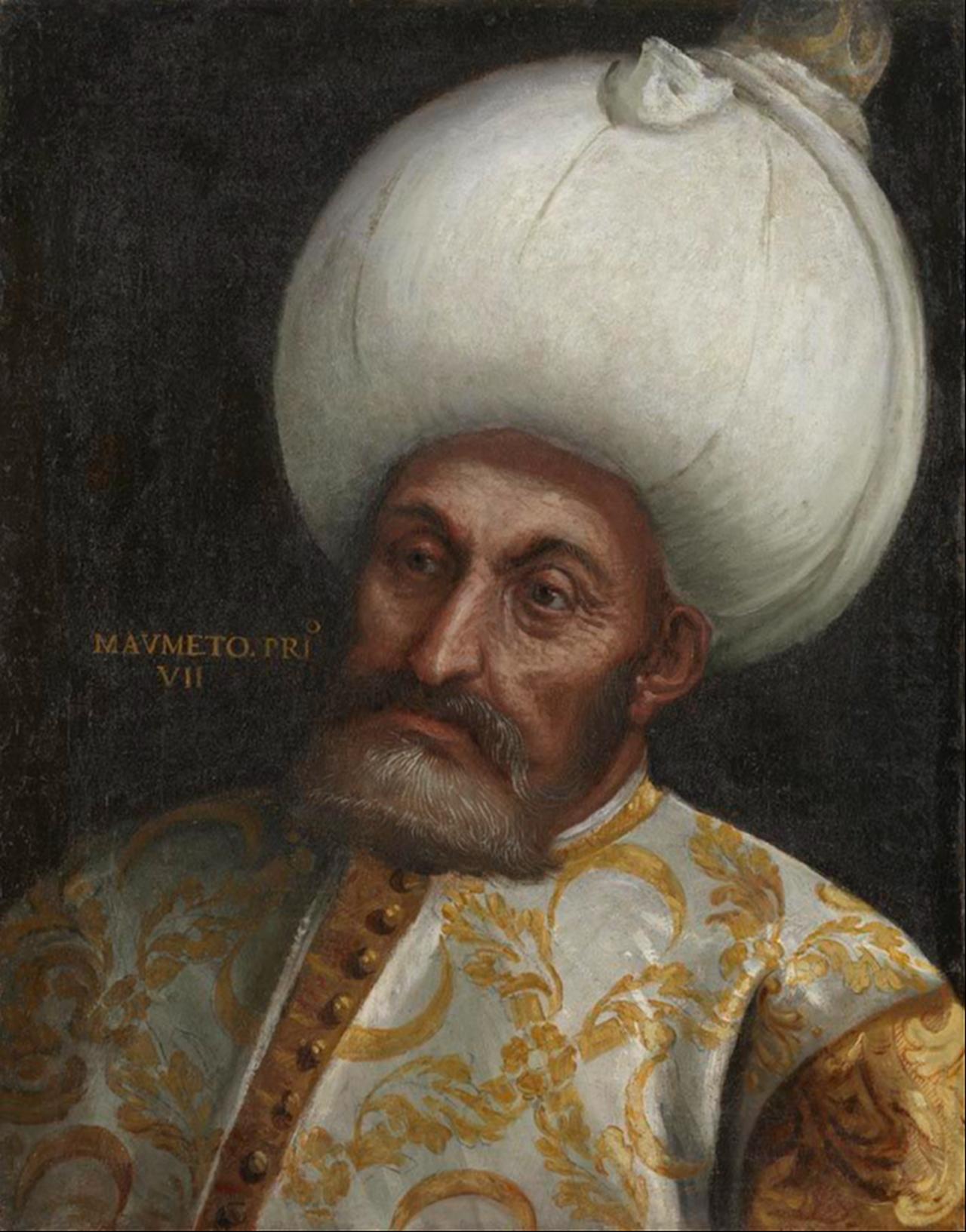

This order had been hard won. After his father’s defeat at Ankara, more than a decade of civil war drove the Ottoman state to the brink of collapse. In the end, Mehmed seized power. As sultan, he worked patiently to steady what had been shaken–restoring Ottoman authority in Anatolia and Wallachia, and securing peace within and beyond his borders.
From his deathbed, he summoned his heir. “Bring my son, Prince Murad, immediately,” he gasped. “The state must not be allowed to descend into chaos again.”
It was how Mehmed had always ruled; it was how he was trained to govern Amasya as a young prince during his father’s reign: with educated foresight, courteous restraint and gentle nobility.
That is why he was called Celebi.
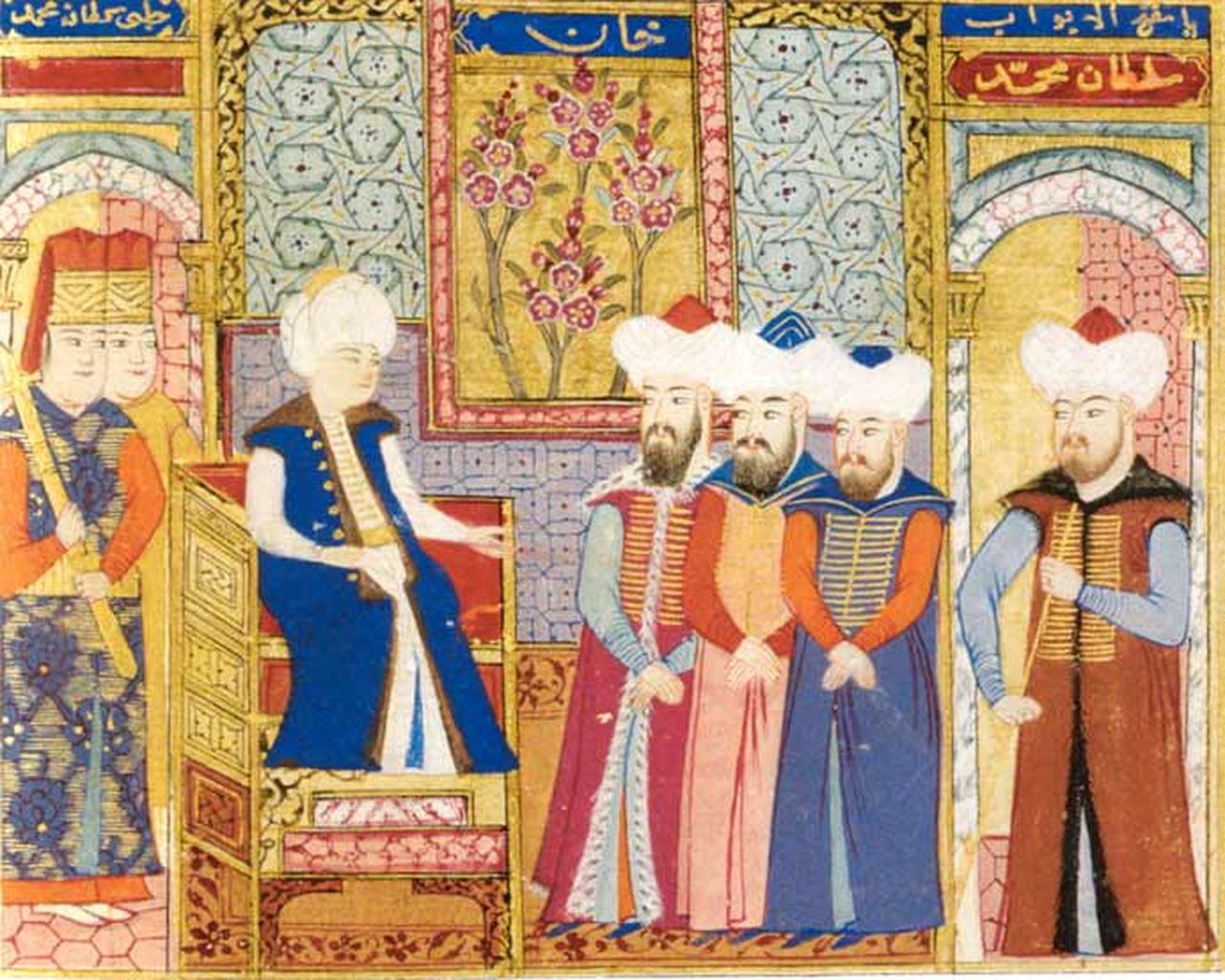
The epithet Celebi was used in the early Ottoman period to denote a man of refinement, someone well-educated, well-mannered and of cultivated bearing. It was a term applied to princes, scholars and men of standing whose conduct distinguished them from others. To be called “Celebi” was not to be praised for the power one wielded, but for how one behaved toward others.
Mehmed carried this name before he became sultan, and it followed him naturally onto the throne. In an age shaped by ambition and violence, he ruled differently. Where others relied on fear and intimidation, he preferred diplomacy and restraint; where rivals pursued domination, he practised moderation. His objective was not expansion for its own sake, but the restoration and consolidation of authority, grounded in law, legitimacy, and stability.
In this way, Mehmed sought to place the Ottoman state back on firm foundations, after the interregnum had brought it perilously close to destruction.
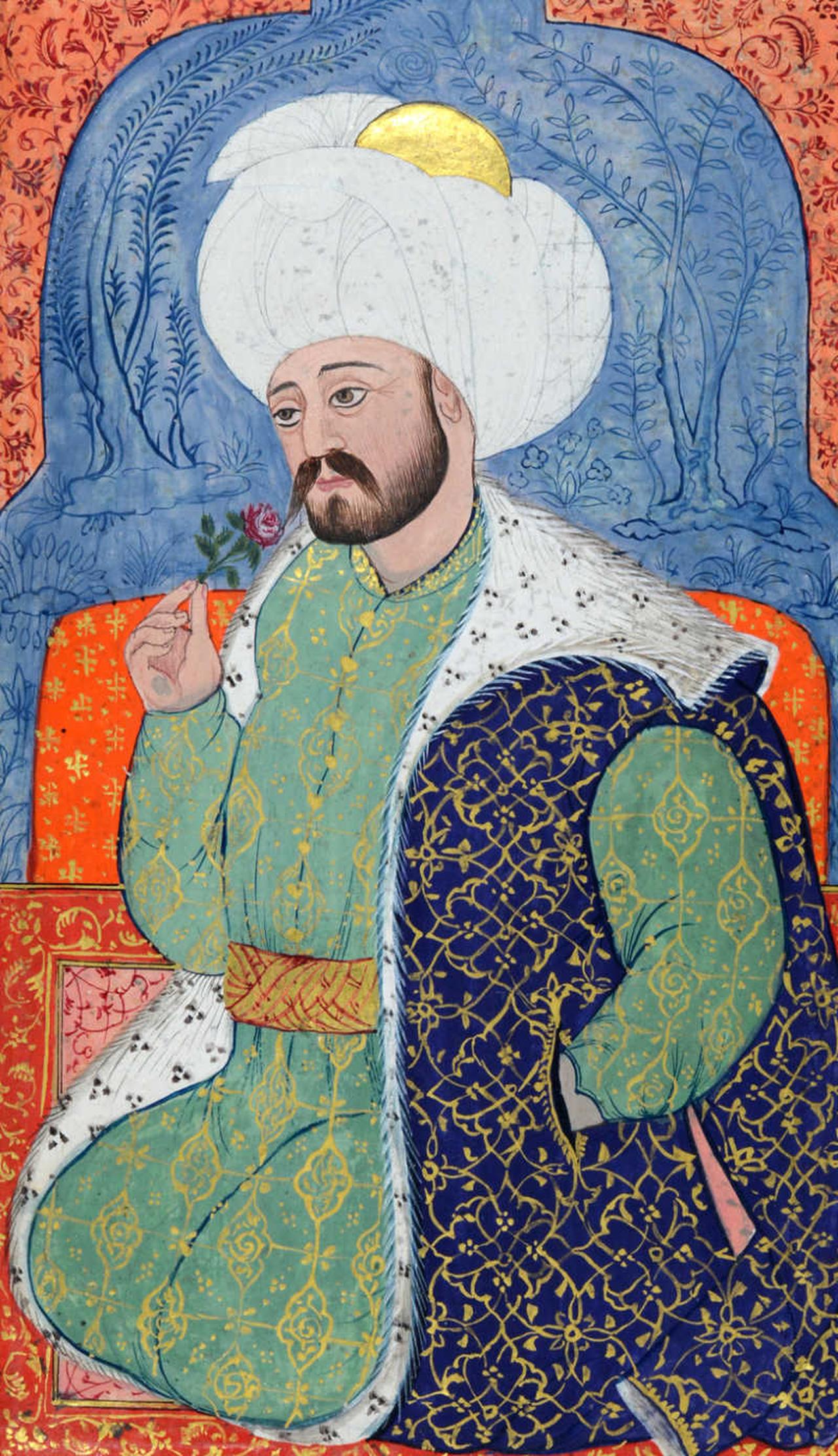
At just 16, Mehmed fought beside his brothers and his father, Yildirim Bayezid, at the Battle of Ankara in 1402. The Ottoman army was defeated by Timur, Sultan Bayezid was taken captive and the future of the Ottomans hung in the balance. Mehmed was wounded, but he did not seek martyrdom or vengeance. Instead, he gathered what remained of his forces and withdrew to Amasya.
From here, he attempted to rescue his father. The plan failed, but it revealed something essential about his character. In the face of catastrophe, Mehmed acted with caution, loyalty, and a deep sense of duty.
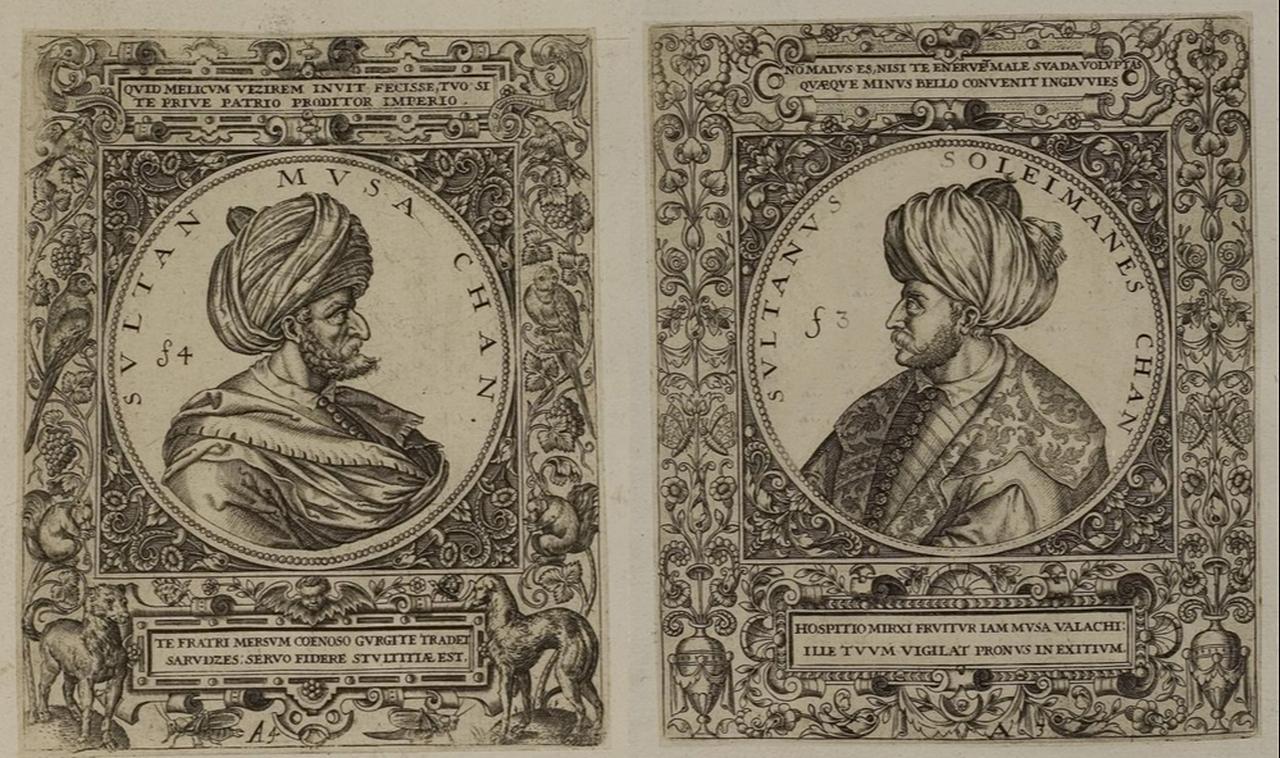
Bayezid’s death a few months later plunged the dynasty into civil war. With no established laws of succession, the Ottoman state fractured into four parts. Suleyman proclaimed himself sultan in Edirne, ruling Rumelia from the capital. Isa established himself in Bursa, the former capital, while Musa did the same in Kutahya. Meanwhile, Mehmed claimed the sultanate from Amasya, quietly gathering support and biding his time.
For nearly 11 years, brother fought brother. Alliances were formed and broken, armies clashed, and the state teetered on the edge of dissolution. That it survived at all owed much to Mehmed. When he finally emerged as sole ruler in 1413, he did so not as a conqueror intoxicated by victory, but as a man determined to rebuild what had almost been lost. We can only imagine how different history might have been, had the fledgling Ottoman state collapsed during the interregnum.
This achievement earned Mehmed a second, lasting epithet: the Restorer, the second founder of the Ottoman state.
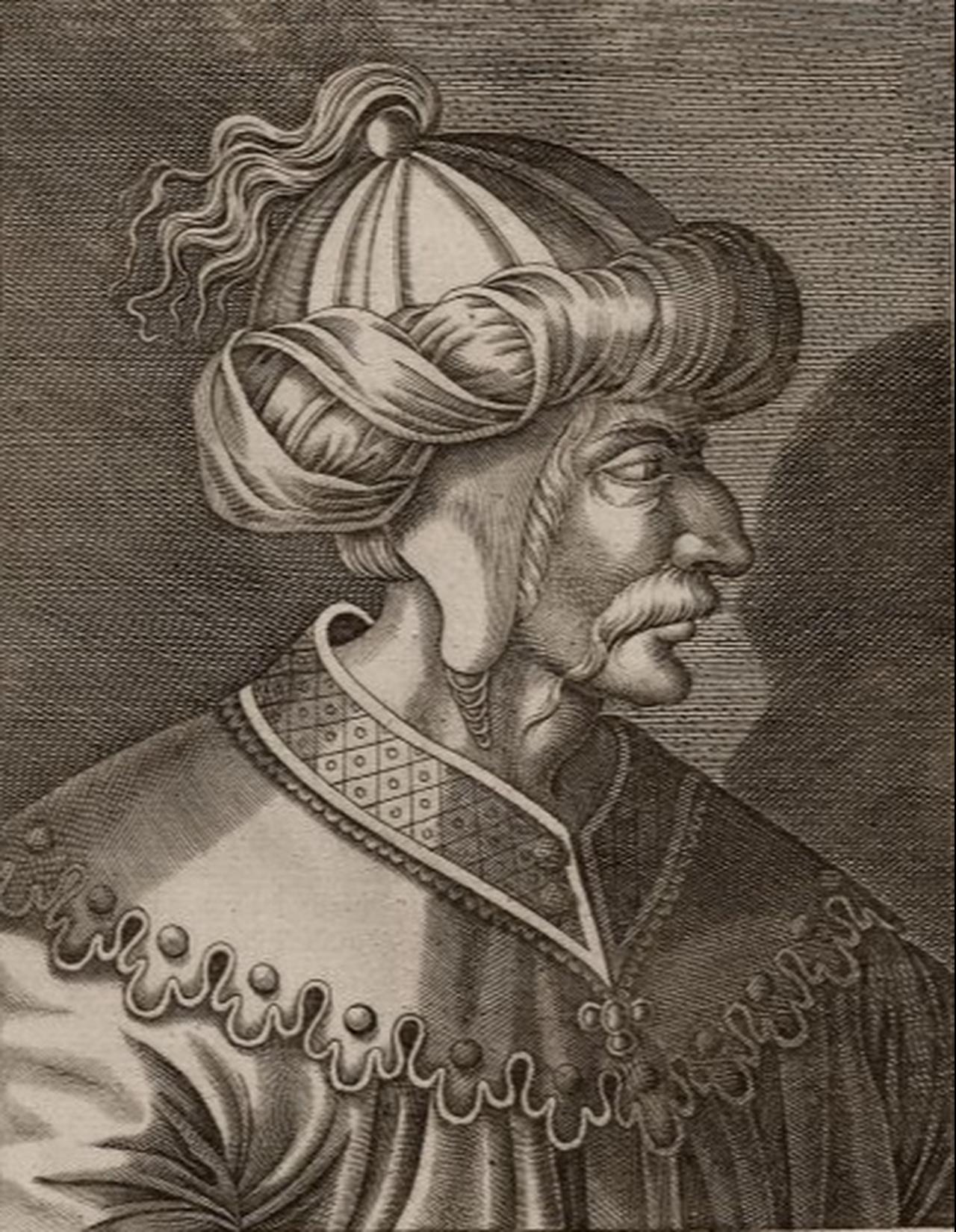
Mehmed’s eyes kept drifting toward the door. For days he lingered between levels of consciousness, clinging to life with the same determination he had shown in restoring the state. He was waiting for his son.
Prince Murad did not arrive in time to say farewell. Yet even in his final hours, Mehmed Celebi thought not of himself, but of the state. He left precise instructions, carried out faithfully by his devoted servants: his death was to be concealed until Murad reached Edirne and the smooth transition of power could be secured. For 41 days, the sultan’s death was kept secret. Order, once restored, would not be allowed to dissolve again.
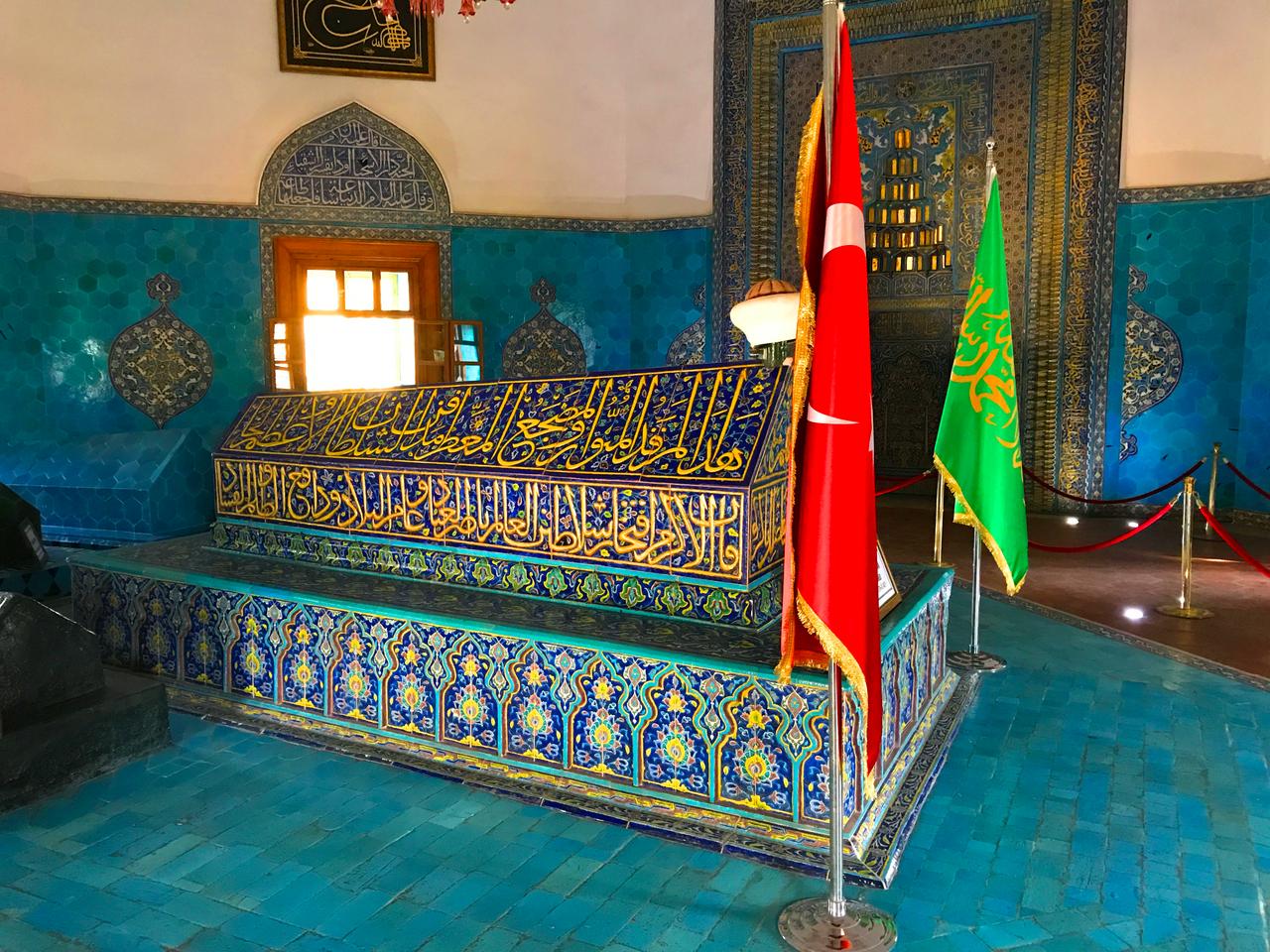
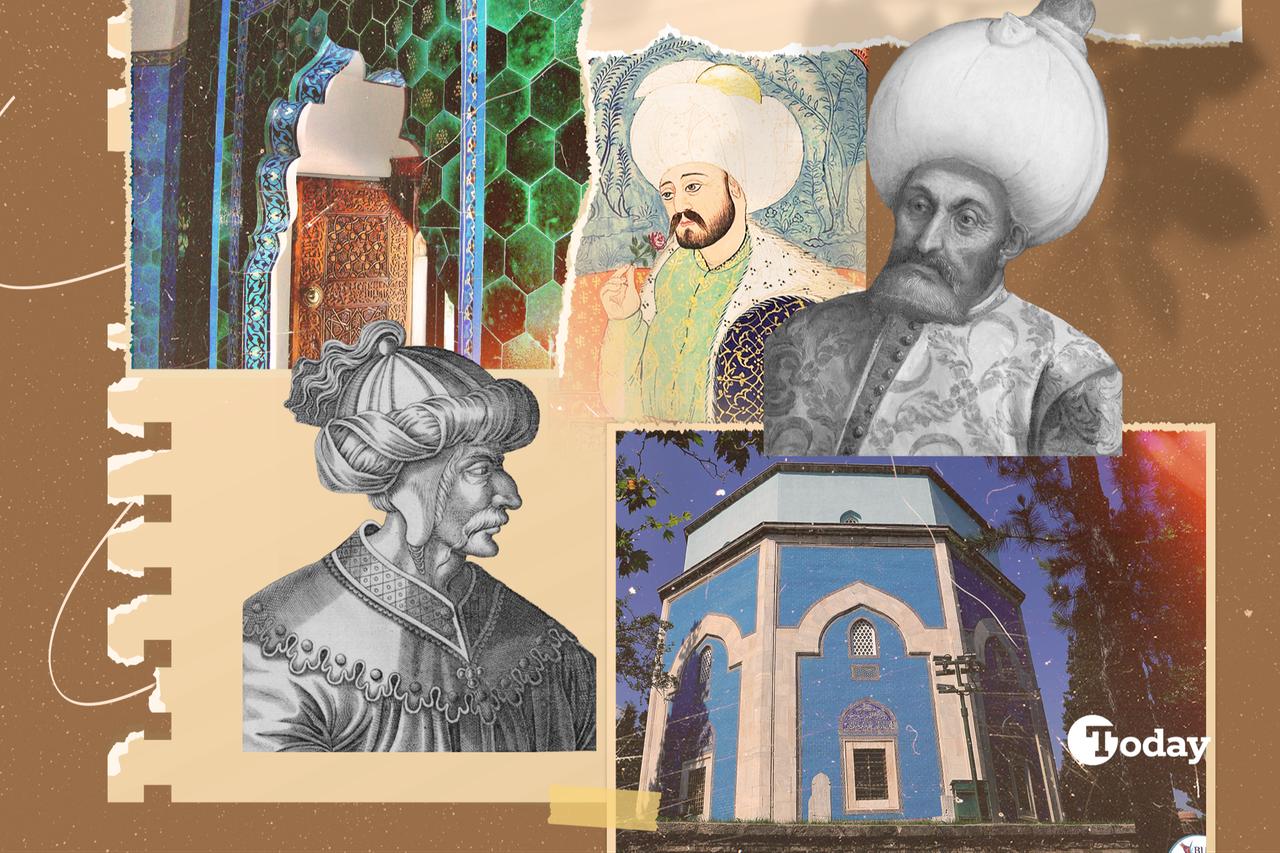
Mehmed was laid to rest in Bursa, in an exquisite tomb: the Yesil Turbe, the Green Tomb. Rising above the city in luminous turquoise tiles, it is one of the most distinctive monuments of early Ottoman architecture. Its unique colour sets it apart from other imperial tombs, much like the man who lies within is distinguished from others.
Nearby rest his half-brothers, Suleyman, Isa and Musa, buried with due honour and respect. Once children who played happily together, they became rivals when fate decreed that only one could sit upon the Ottoman throne. Their struggle nearly destroyed the dynasty, and the state itself. Yet in the Ottoman world, the state came before all else, and each made the ultimate sacrifice for it.
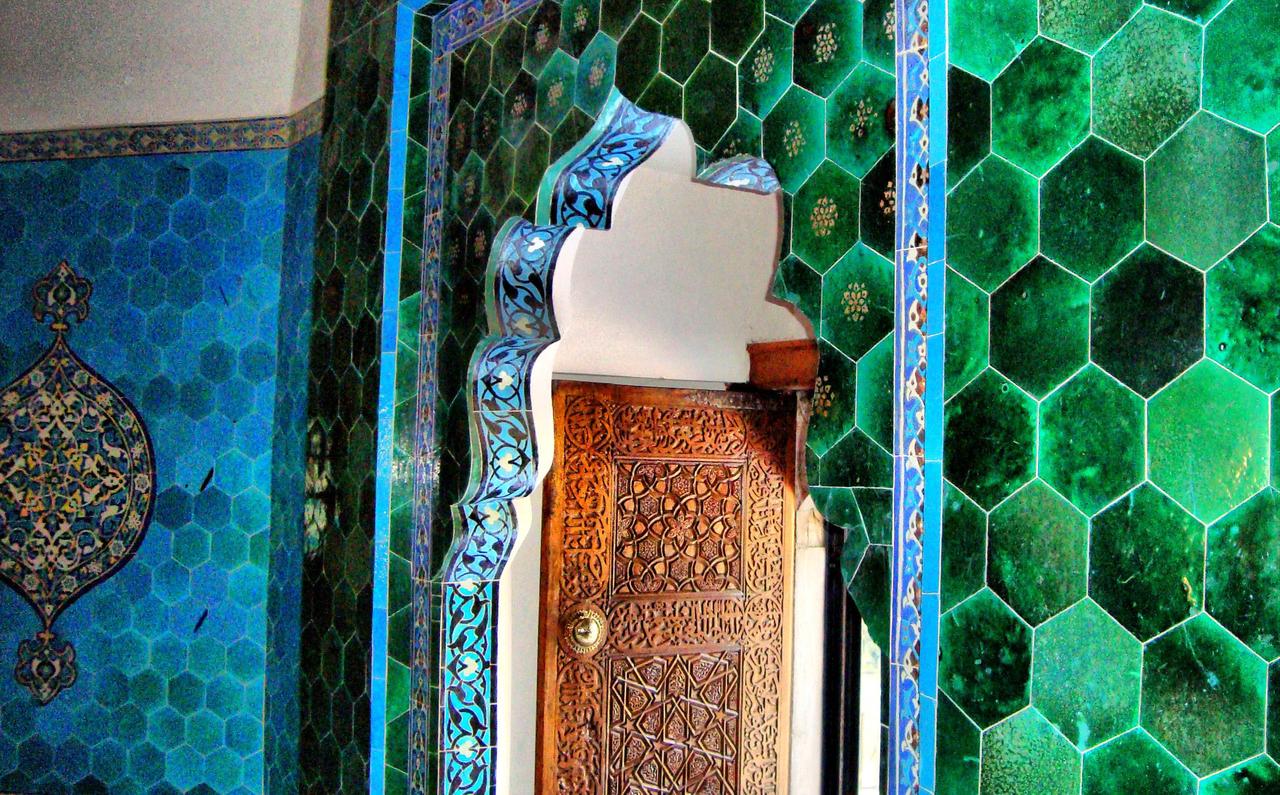
I invite you to visit the historic city of Bursa and to stand before the Yesil Turbe. Look up at its magnificent tiled walls; trace your fingers over the smooth turquoise surface. Perhaps you will feel moved to offer a prayer for the soul of Sultan Mehmed I, the sovereign who saved the Ottoman state when it faced near extinction. Or perhaps you will reflect on how different world history might have been, had this well-educated, well-mannered and cultivated gentleman sultan not ascended the throne.
A Celebi to the very end.
Until we meet again in the next “Sultan’s Salon” …


 Set as preferred source
 Set as preferred source


 2 min read
 1 min read