

 Newsletters


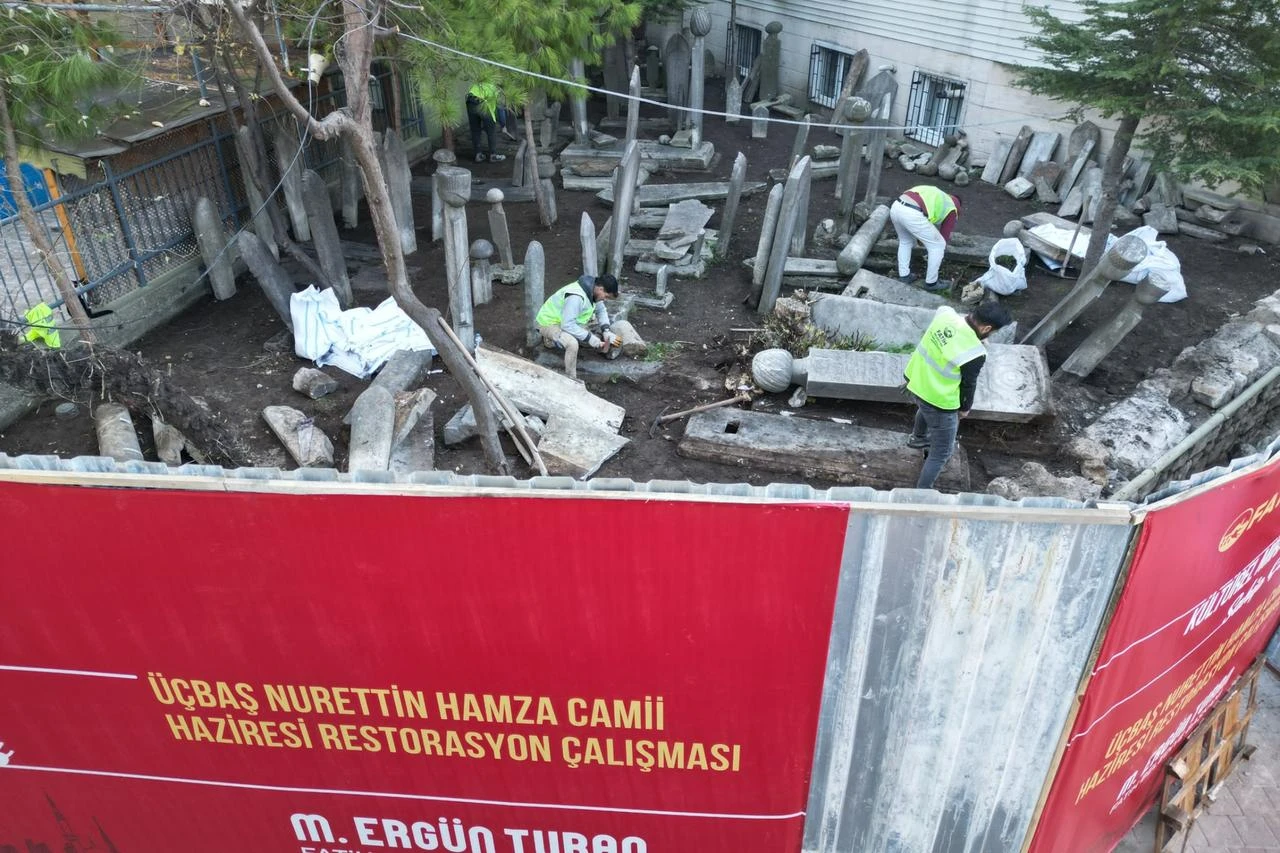


Istanbul's Fatih Municipality is restoring historic Ottoman-era graveyards and burial sites that have been damaged by years of neglect, natural disasters and environmental conditions.
The work, carried out under the municipality's "Miras Fatih" heritage initiative, aims to preserve centuries-old gravestones while bringing the district's historical memory back into public view.
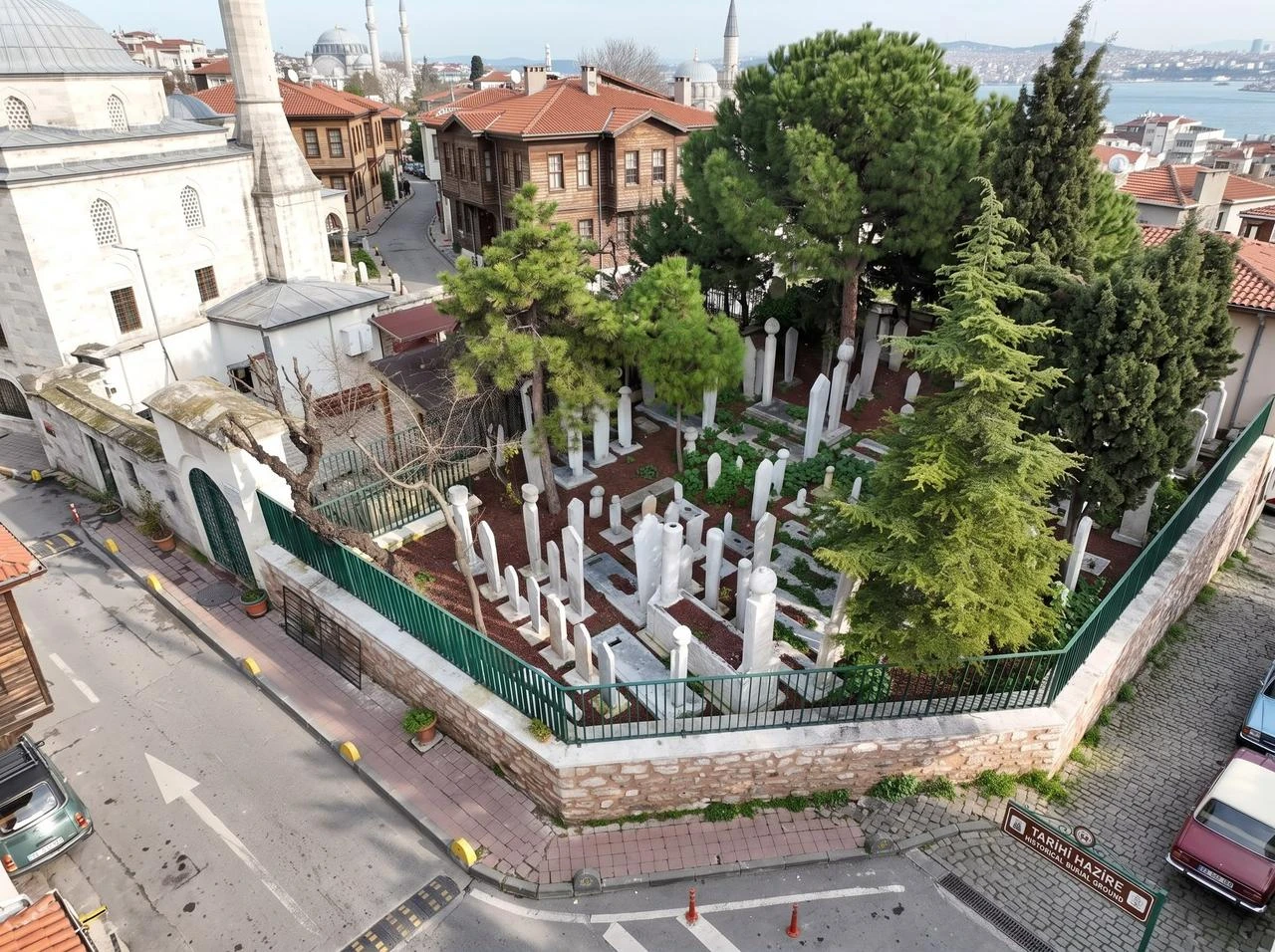
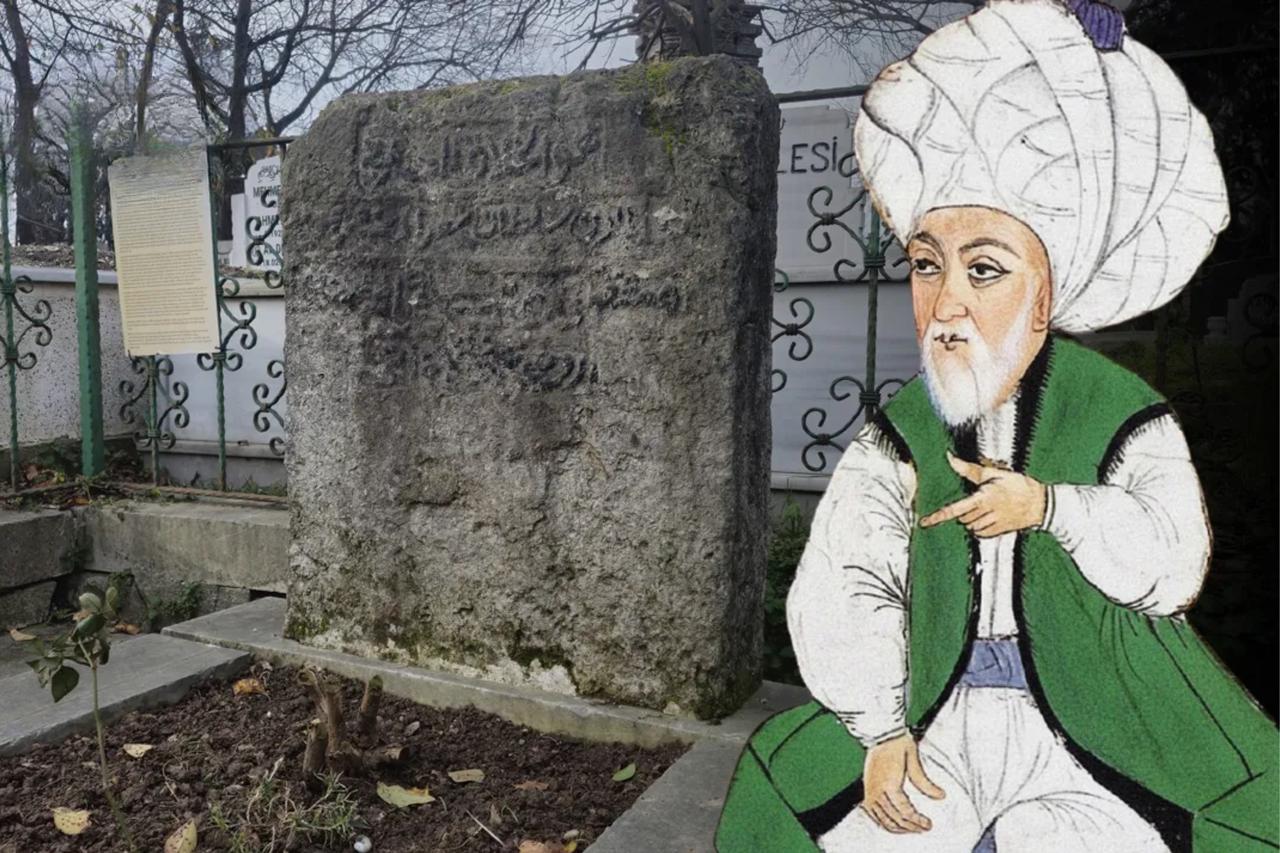
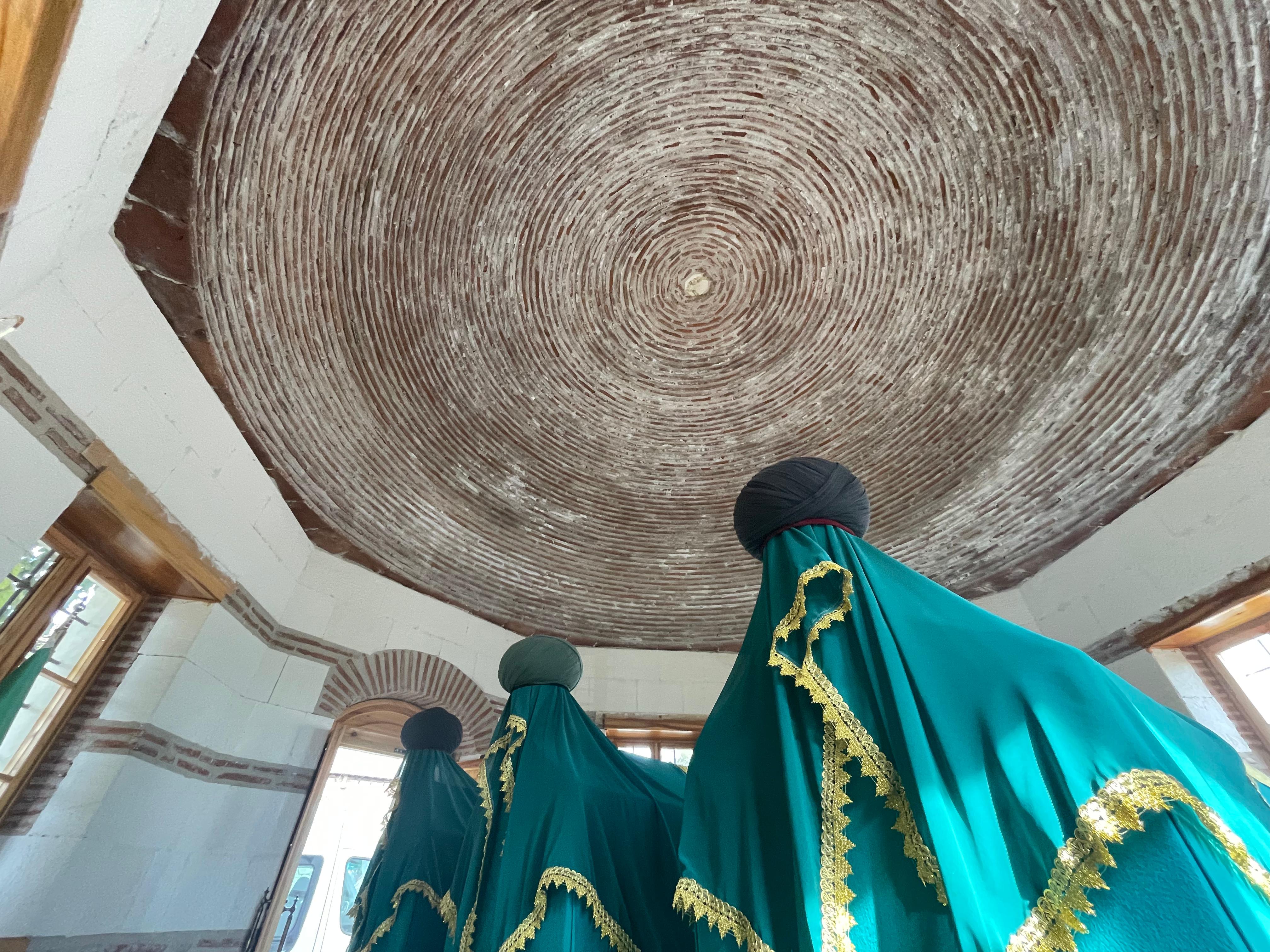
Known in Turkish as a "hazire," these small burial grounds are generally located beside mosques, religious lodges, tombs or other historic buildings and often contain the graves of prominent figures.
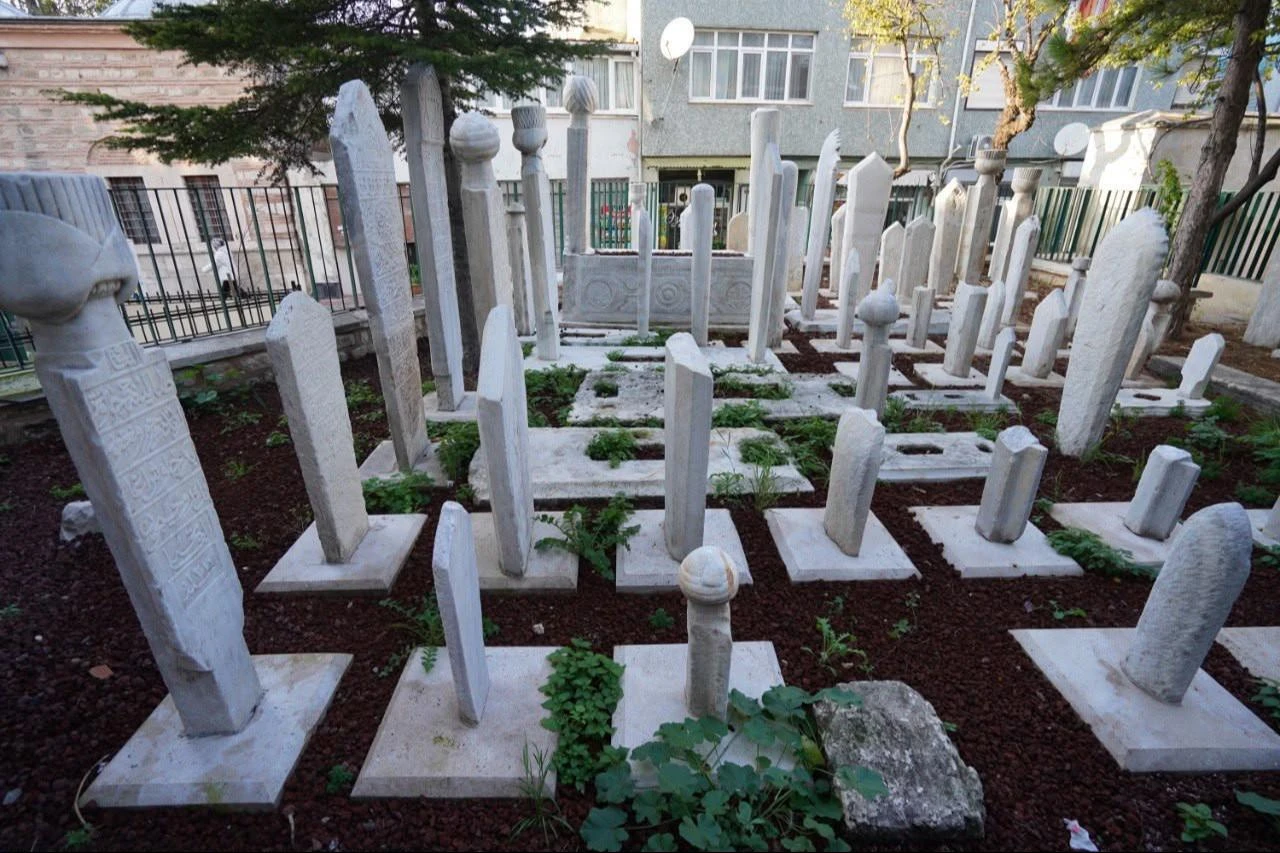

Under the coordination of the municipality's Cultural Heritage Directorate, specialists document each gravestone individually before carrying out conservation and restoration work.
Fallen headstones are put back in their original locations, while the surrounding areas are reorganized. Stones that have lost their structural integrity are placed under protection and put on display rather than reconstructed without sufficient evidence.
The municipality has recently completed restoration and maintenance work at several sites, including the Ucbas Nureddin Hamza Hazire, Hakikizade Lodge Hazire, Uc Gozlu Mehmed Efendi Tomb and Hazire, Abdulkerim Efendi Foundation Hazire, Kadi Cesmesi Hazire, Ferhat Aga Grave and Sari Nasuh Grave and Hazire.
Fatih Mayor Mehmet Ergun Turan said the historic burial grounds were not merely cemeteries but important cultural assets documenting the identity and sense of belonging connected to the land.
"Our title deeds in this geography are these gravestones. Each one is a silent but very powerful document left behind by the statesmen, scholars, Sufis, artists and ancestors who lived on these lands. Protecting these stones is not only about preserving the past, but also carrying our historical and civilizational claim over this city into the future," Turan said.
 1 min read
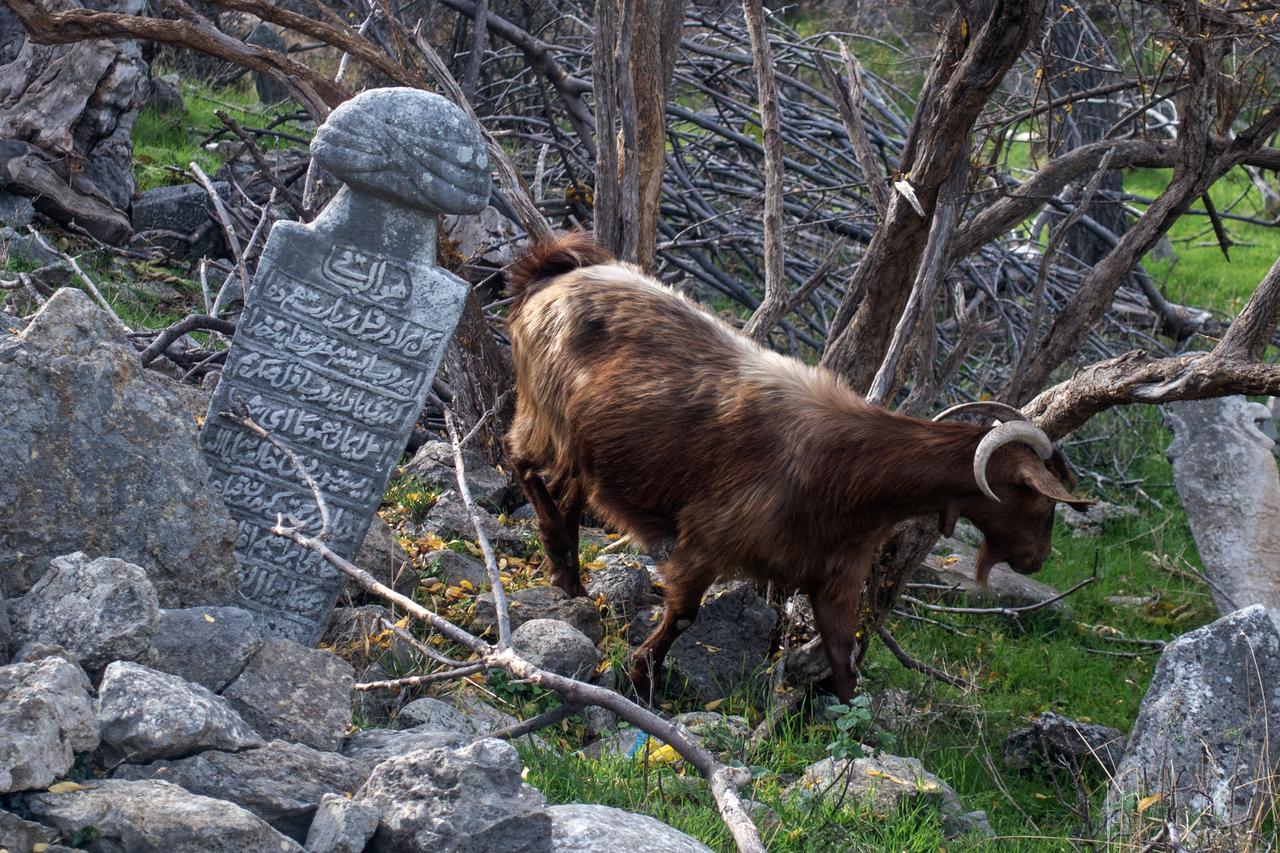
He described the burial grounds as open-air archives, noting that each gravestone reflects the artistic style, calligraphy, stone craftsmanship, social life and urban culture of its period.
Turan added that the municipality applies a comprehensive conservation approach covering not only monumental buildings but also fountains, tombs, burial grounds, religious schools and registered examples of historic civil architecture.


 Set as preferred source
 Set as preferred source



 1 min read


