Newsletters


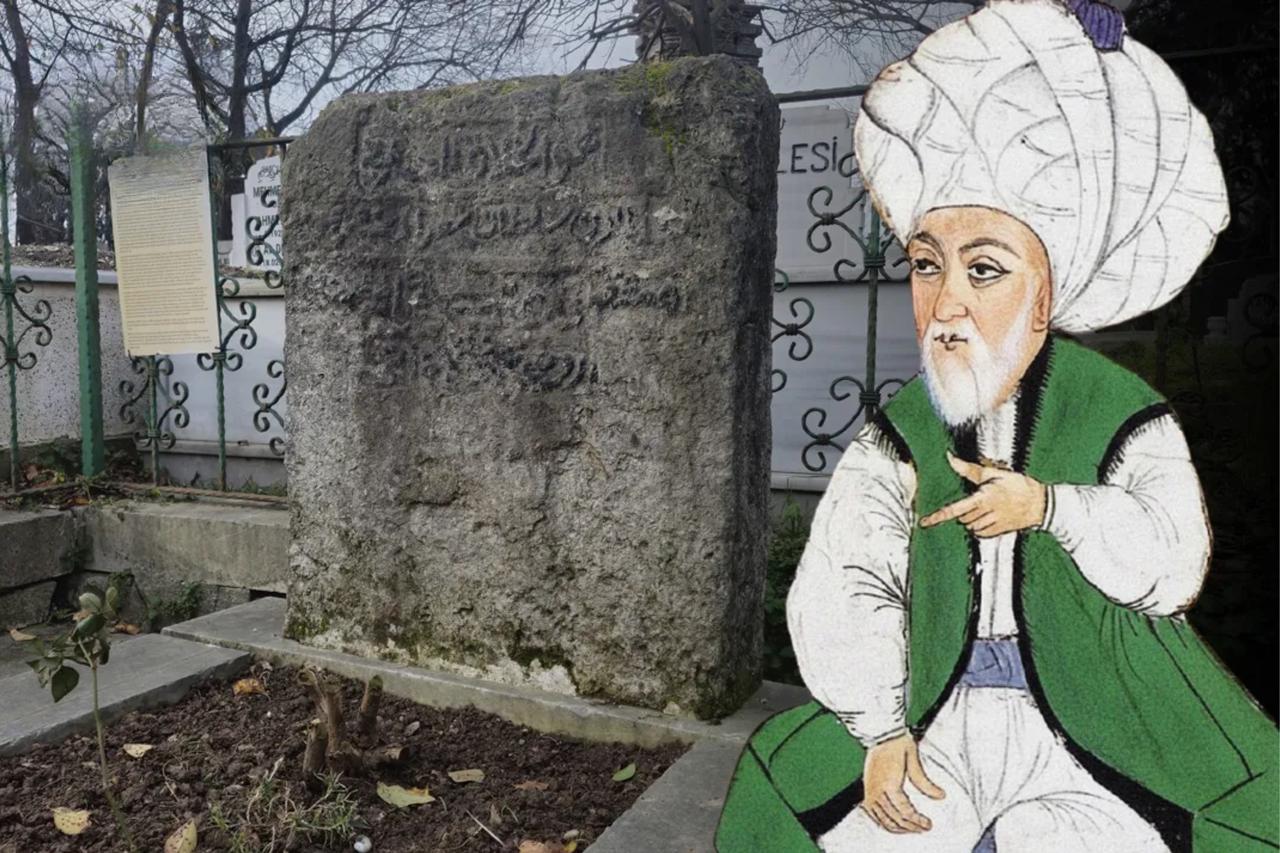


The neglected condition of the grave of Baki, a major Ottoman-era poet known by the honorific title “Sultanu’s-suara” (often rendered as “Sultan of Poets”), has resurfaced as a public issue in Istanbul, even as activities are being planned for the 500th anniversary year of his birth under a UNESCO-related commemoration framework.
According to reporting by Murat Oztekin in Türkiye daily, Baki’s burial site at Edirnekapi Cemetery, which is administered by the Istanbul Metropolitan Municipality (IBB), has been left in a state that observers describe as both damaged and poorly maintained.
The report says Baki is being marked this year in connection with UNESCO’s decision to include his 500th birth anniversary on an official commemoration list, a move expected to be accompanied by events such as symposiums and exhibitions, as well as the preparation of related works.
However, the same report states that the poet’s grave in Edirnekapi, a prominent cemetery area in Istanbul, has been deteriorating for years, with the tombstone’s calligraphic inscriptions fading and becoming hard to make out, and with moss covering the stone.
It also notes that cracks have formed around the grave area, and adds that the last major rearrangement of the site is stated on the grave as having been carried out in 1952.
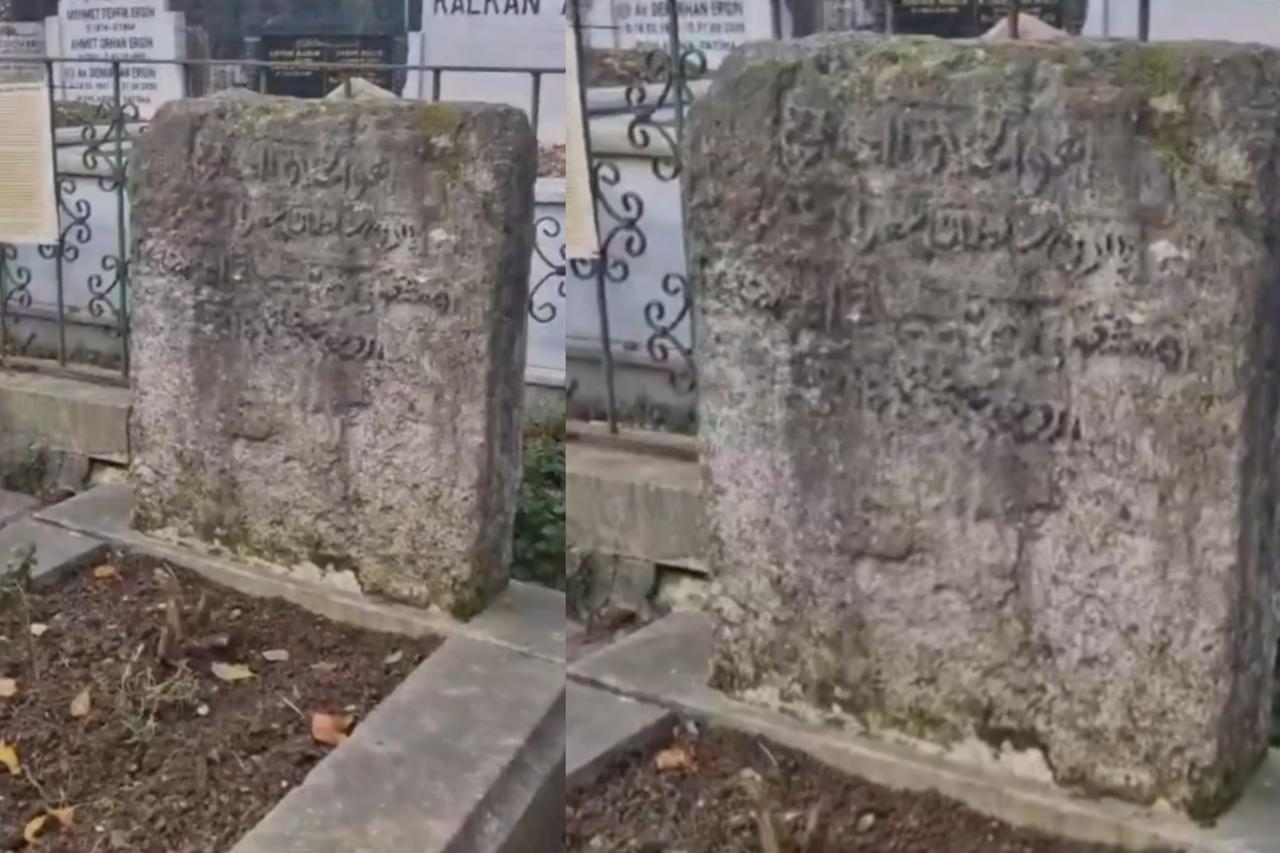

Researcher and writer Fatih Cavus, quoted in the Türkiye daily report, linked the physical condition of the grave to a wider debate about how cultural heritage is being looked after. Cavus described Baki as one of the greatest poets of the Divan literature tradition, a classical Ottoman court-poetry canon, and said the grave’s unreadable stone and lack of protective measures were a particularly upsetting situation given the site’s visibility.
In remarks attributed to Cavus, he argued that restoration and landscaping should be carried out, and that a directional sign should be put up nearby so that younger visitors can find and visit the grave.
Cavus also said the problem is not limited to Baki’s burial site, according to the same report. He pointed to other examples in which graves of Turkish literary figures did not receive sufficient maintenance, adding that neglect can sometimes lead to graves disappearing entirely.
In that context, he cited the cases of Nabizade Nazim and Ziya Osman Saba, whose graves he said have vanished, and referenced a separate example in which the grave of Sumbulzade Vehbi had been neglected but was restored after it became a public issue.
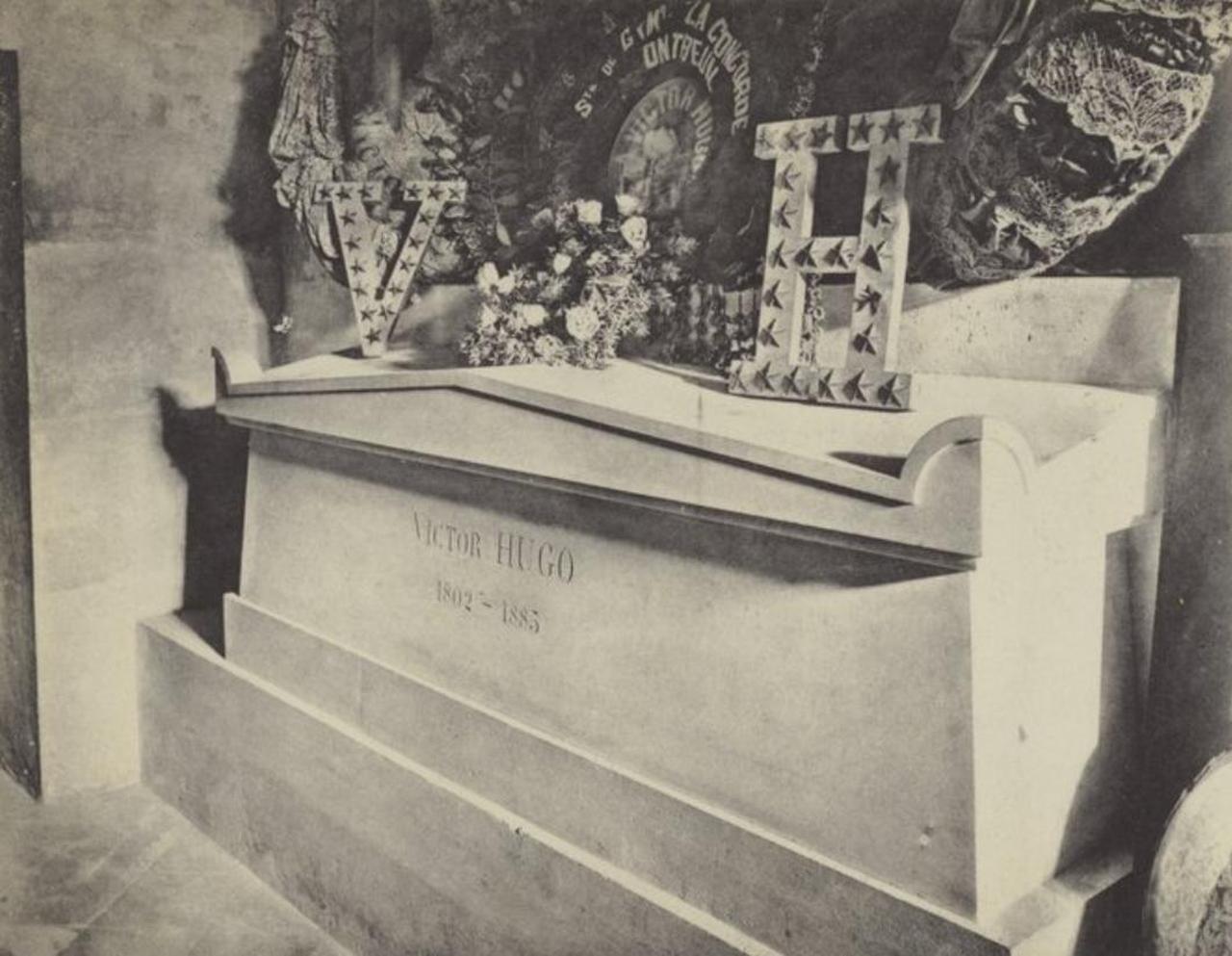
Beyond the Türkiye daily reporting, the information provided also indicates that Türkiye daily news manager Fatih Selek shared a video on social media responding to the condition of Baki’s grave. In his remarks, Selek pointed not only to the neglected state of the burial site but also drew comparisons with how prominent poets and writers are commemorated abroad.
According to the description, Selek referred to well-preserved graves and mausoleums of foreign literary figures as examples, contrasting them with the situation in Istanbul. He accused both the Culture and Tourism Ministry and the Istanbul Metropolitan Municipality (IMM) of failing to ensure adequate care, while also criticizing what he described as substantial public funding allocated to opera and ballet institutions despite the lack of maintenance at the poet’s grave.


 Set as preferred source
 Set as preferred source



 2 min read