Newsletters





Palestinian government museums are playing an expanded role beyond displaying antiquities, positioning themselves as institutions that help safeguard identity and collective memory amid occupation-related restrictions and persistent challenges to heritage preservation, according to a study published in the Journal of Palestine Studies.
According to the study, Palestine today has 13 officially recognized government museums in the West Bank and the Gaza Strip, overseen by the Ministry of Tourism and Antiquities, within a national vision to safeguard and present cultural heritage.
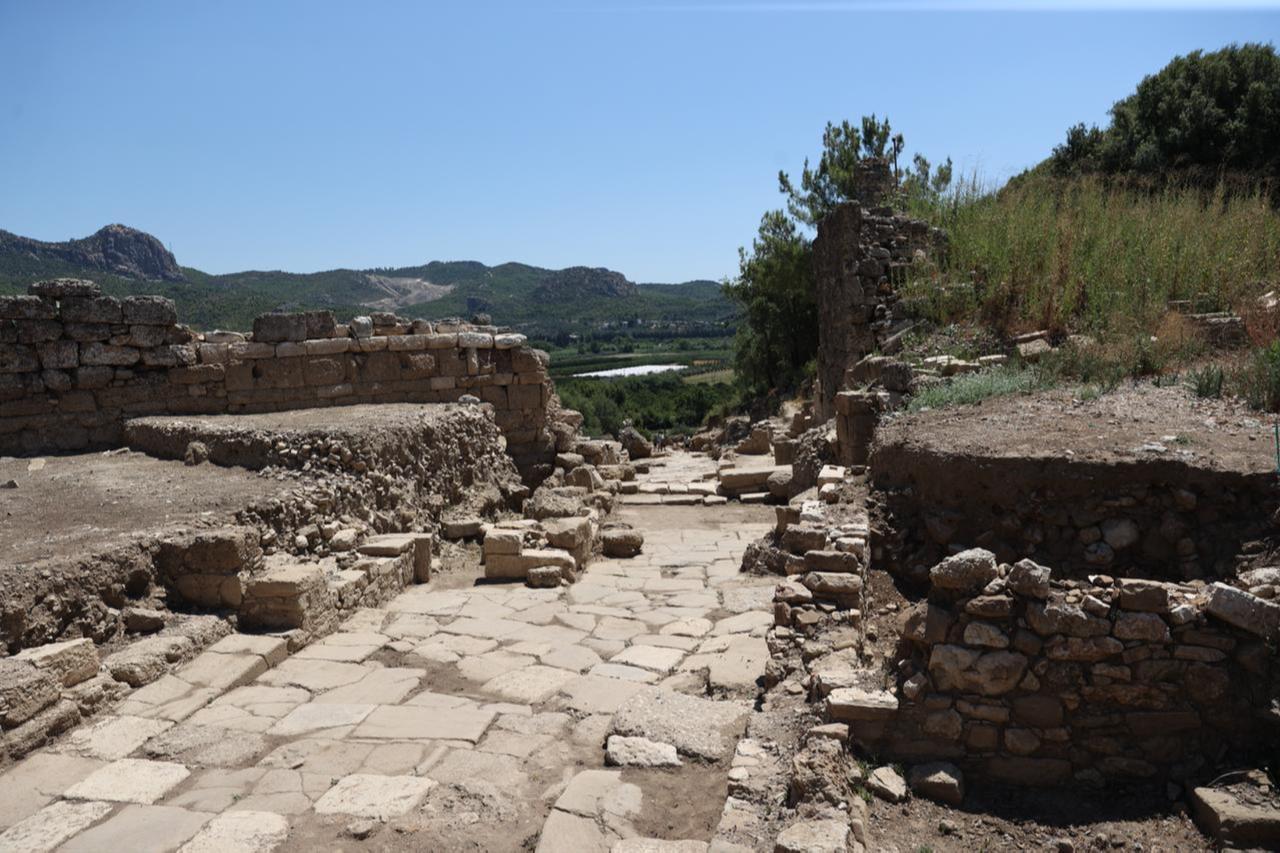
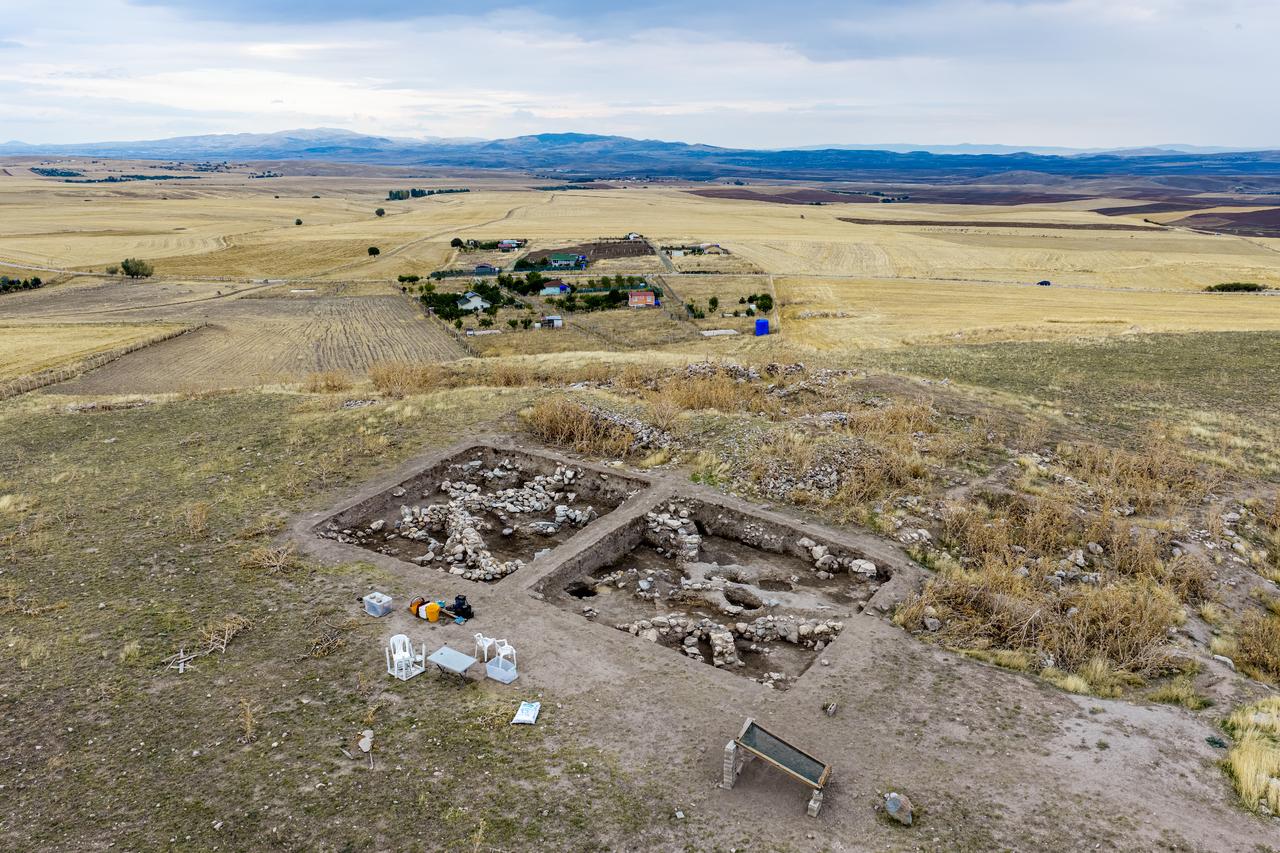
The study argues that what sets these museums apart is the link between museum displays and the on-site archaeological landscape, offering an experience that blends a scholarly dimension with a tourism- and education-oriented one.
It adds that they are playing a growing community role by hosting educational and cultural activities and opening space for engagement with schools, universities and local communities.
The study said the Ministry of Tourism and Antiquities, since taking on its mandate in 1994, has made the development of the museum sector a priority, based on the conviction that these institutions serve as spaces for cultural education and heritage preservation.
It also highlighted the role of Hamdan Taha, founder of the Palestinian Department of Antiquities and a former ministry undersecretary, in building the institutional framework for protecting and managing heritage following the establishment of the Palestinian National Authority.
In the face of occupation-related restrictions, economic pressures and the pandemic, the study said the ministry launched in 2021 the "Virtual Museum of Archaeological Artifacts" project in partnership with UNESCO and with Swedish financial support.
The project, it added, serves as a digital platform that enables the public, especially students, to engage with archaeological objects through a free, professional online environment, helping to overcome the political and geographic boundaries that constrain heritage display.
The study identified three main types of challenges facing government museums: political restrictions on movement and access, along with practices that threaten the heritage environment; limited financial and technical resources that hinder infrastructure upgrades and the introduction of advanced digital display systems; and the pressures of urban and social expansion around some of the historic buildings that house these museums.


 Set as preferred source
 Set as preferred source


 2 min read