Newsletters


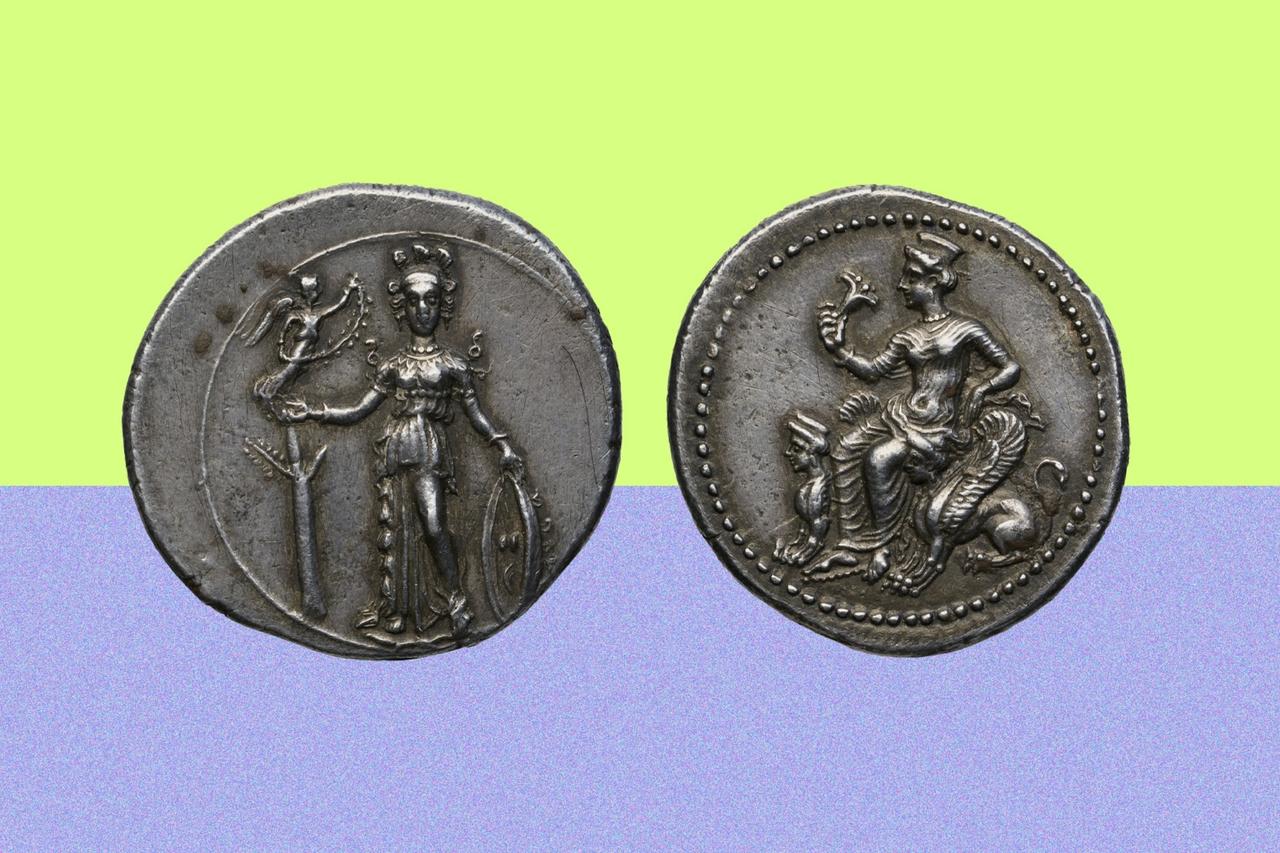


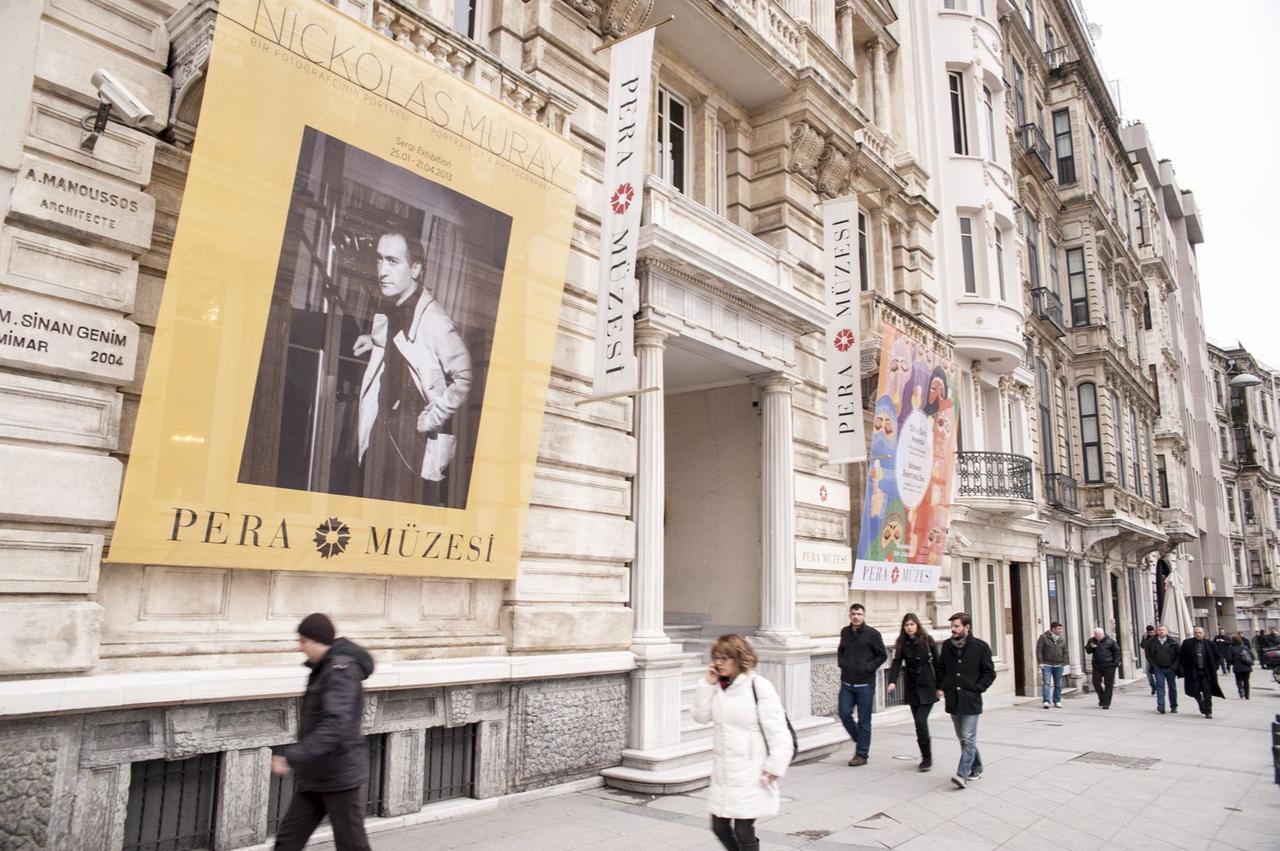
Pera Museum is set to stage an international conference that will take a fresh look at how money first came about and then evolved in ancient Anatolia, a region often referred to as Asia Minor. Titled "Monetary CHANGE in Ancient Anatolia (630-30 B.C.)," the two-day event will be held on January 8-9, 2026 at the Pera Museum Auditorium, bringing together specialists to weigh up the economic, political, and social effects of coinage across centuries.
Organized in partnership with the University of Oxford and the ERC-supported (European Research Council) CHANGE project, the conference will put the spotlight on how coin-based practices in Anatolia played out from the first appearance of coins in the 7th century B.C., through to the period when the region came under Roman rule around 30 B.C.
The conference is being held as Pera Museum marks its 20th anniversary under the Suna and Inan Kirac Foundation. It is also being shaped up through collaboration with the CHANGE (Monetary CHANGE in Ancient Anatolia) project, which is supported by the European Research Council. In the program description, the project is presented as an effort to pull together, for the first time, wide-ranging evidence on Anatolia’s monetary past and to frame it as a connected story, moving from questions about the origins of coins to the way cities, dynasties, and empires handled economic life.
By setting its scope from 630 to 30 B.C., the conference is positioned to track how monetary systems were built up and then reshaped over a long stretch of time, while also tying that development to broader shifts in power and society.

According to the conference framing, the adoption of coins in the 7th century B.C. did not only change how trade and exchange were carried out. Instead, it is described as a turning point that also fed into how political structures operated, how urban life was organized, and how social relationships were worked out.
Anatolia is presented as one of the earliest and most intensive settings where these changes can be observed, partly because different cities, ruling houses, and imperial systems were able to give rise to varied monetary arrangements. Against that background, the sessions are set to take up coinage as a social and political practice as much as a financial one.
The conference will be shaped by presentations from researchers working across numismatics, archaeology, and economic history. For readers unfamiliar with the terminology, numismatics refers to the study of coins and other currency-related objects as historical evidence.
Participating institutions listed for the event include the University of Oxford (United Kingdom), the Royal Library of Belgium (Belgium), the University of Chicago (United States), the American Numismatic Society (United States), Jagiellonian University (Poland), the University of Liverpool (United Kingdom), the University of Vienna (Austria), as well as Istanbul University, Anadolu University, and Suleyman Demirel University (Türkiye), alongside Michigan State University (United States).
In the stated aims of the gathering, these contributions are expected to open up discussion on the long-run effects of monetary change, while also helping new questions and interpretations take shape around the economic history of Asia Minor.
 2 min read
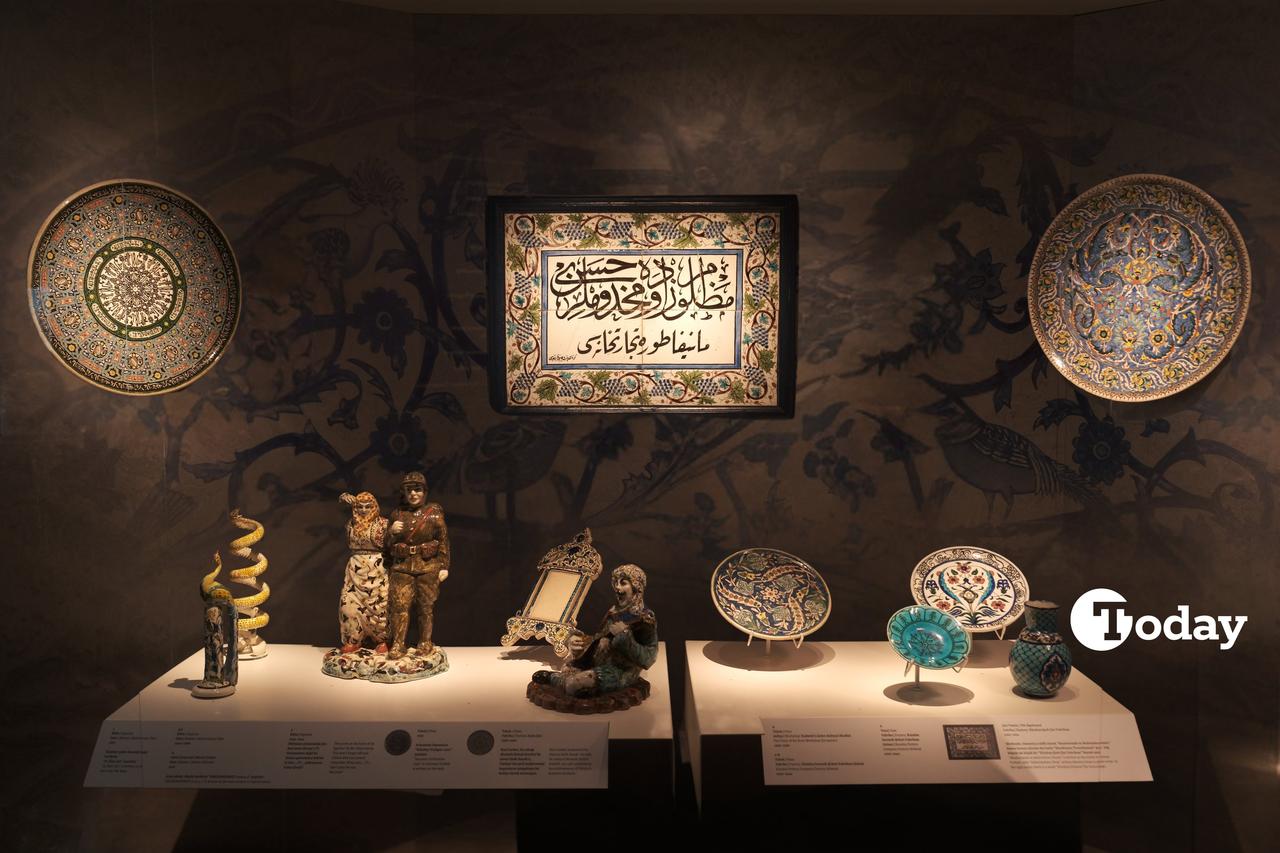
Pera Museum said the event will be free of charge, will be held in English, and will run at the Pera Museum Auditorium.
The museum also noted that no reservations will be taken.


 Set as preferred source
 Set as preferred source


 1 min read