Newsletters


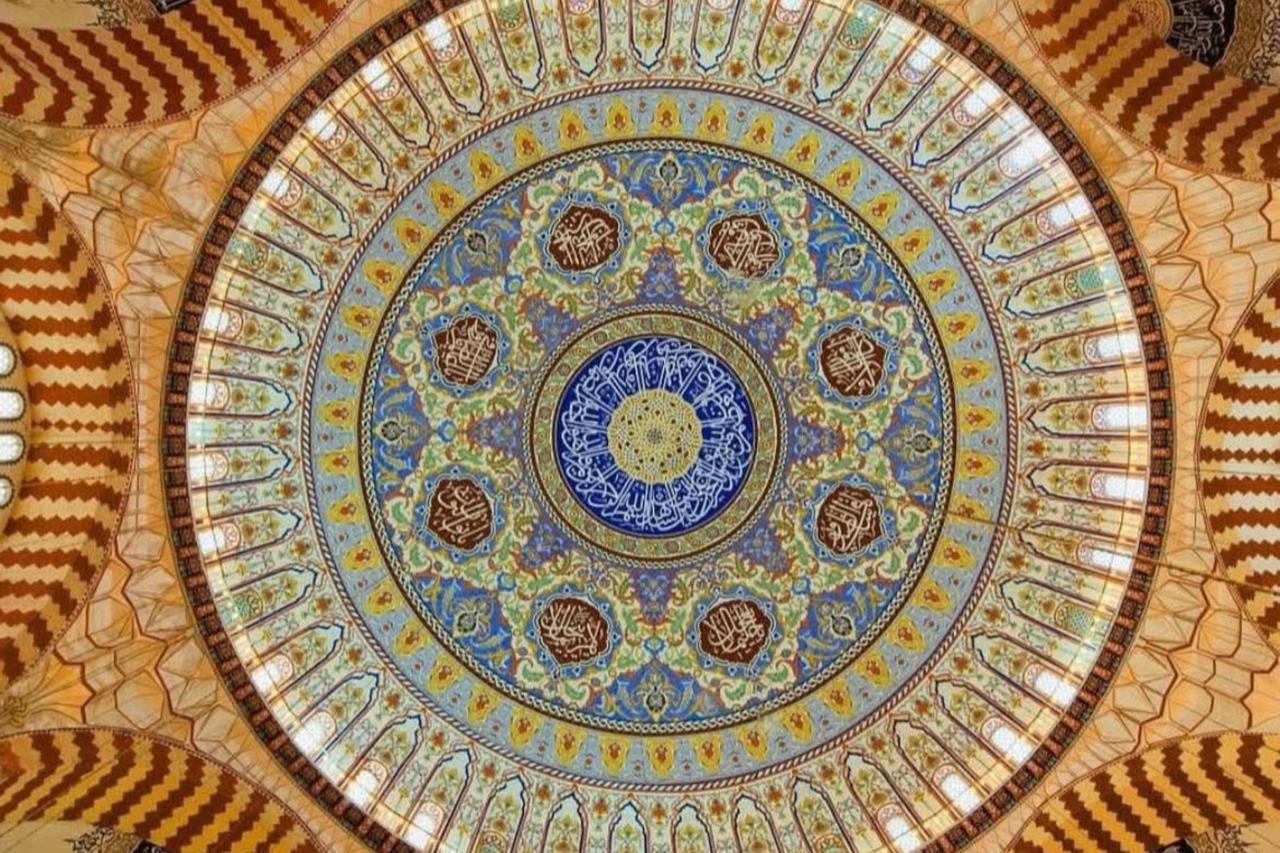


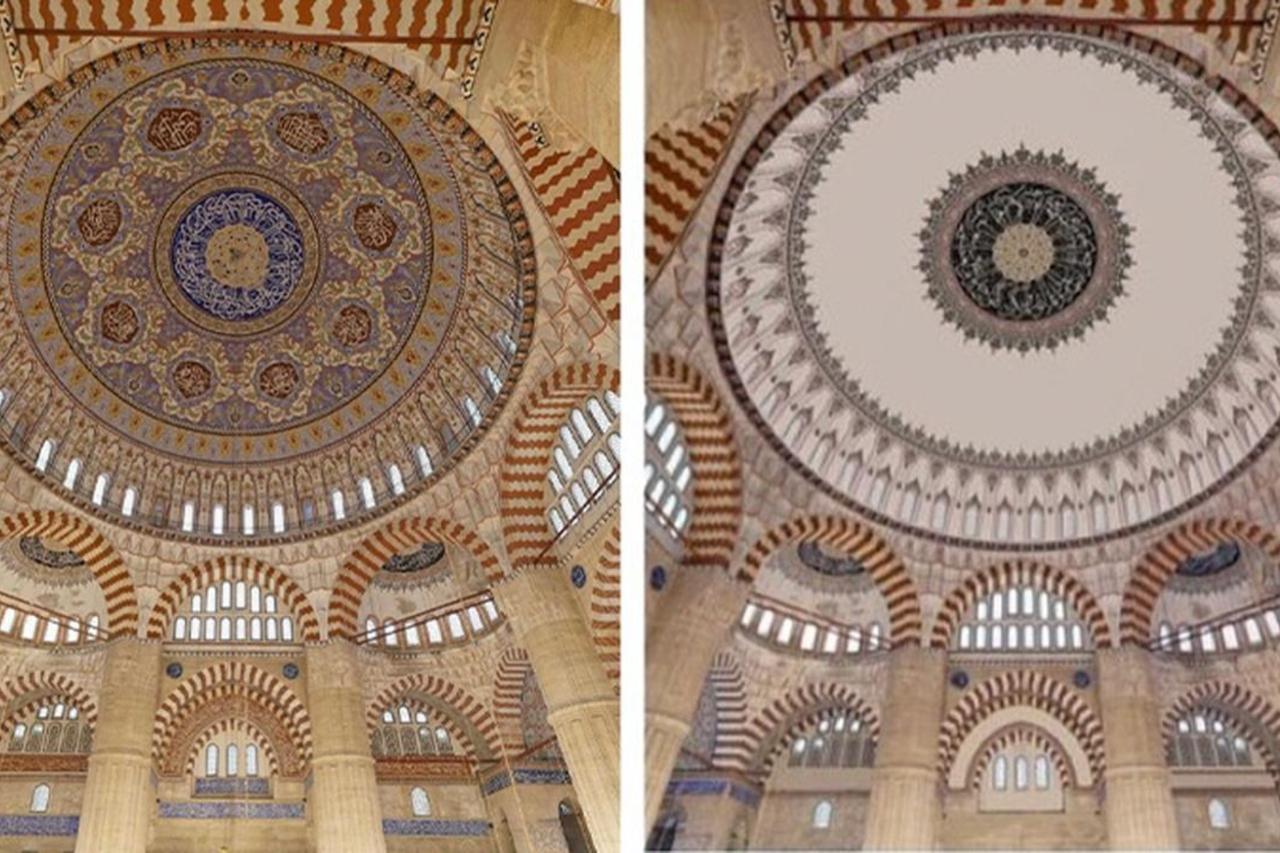
The long-disputed inscriptions and decorative elements on the main dome of the Selimiye Mosque in Edirne have been revealed for the first time after an extended period of restoration, following a controversial attempt to alter the dome’s interior in line with what officials described as its original 16th-century design under Ottoman master architect Mimar Sinan.
The proposed intervention, which critics said risked erasing later historical layers of restoration of the mosque, sparked public backlash, expert opposition, and court intervention before parts of the project were suspended in Türkiye. The controversy centers on plans to recreate the dome’s ornamentation based on its presumed original design, a move critics say risks erasing later historical layers of restoration that had become part of the monument’s identity.
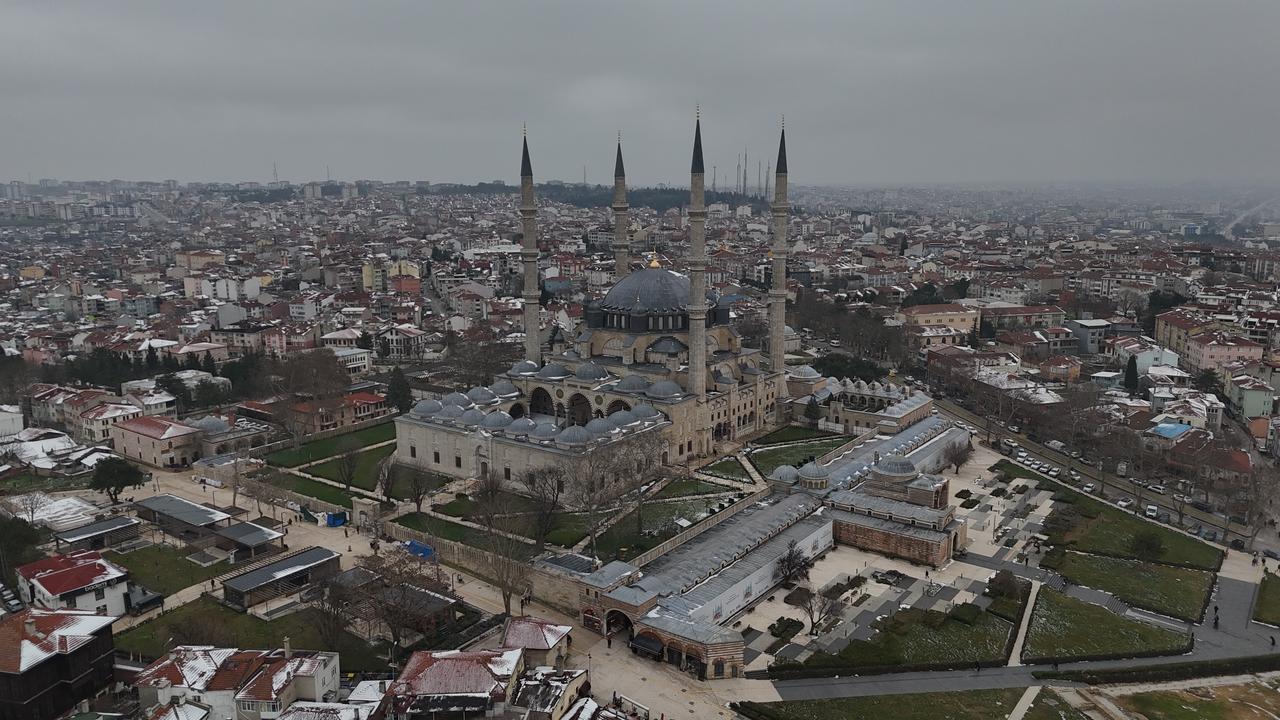
The Selimiye Mosque, described by the 16th-century Ottoman master architect Mimar Sinan as his “masterpiece,” has been undergoing a comprehensive restoration as part of efforts to preserve one of the most significant monuments of Islamic and Ottoman architecture. Earlier stages of the project, particularly plans to redesign the dome’s interior decoration, had been halted after a citizen filed a lawsuit at the Edirne Administrative Court.
The court ruled that implementing the proposed design could lead to irreparable damage to the structure, ordering a suspension and requesting detailed documentation from the High Council of the Directorate General of Foundations, the state body overseeing historic religious endowments. The judges also asked whether any irreversible work had already been carried out or if the project remained at the planning stage.

The restoration was initially presented by the Selimiye Review and Research Committee under the title “Return to the 16th century,” with officials stating that the goal was to renew the dome’s painted decorations, known as kalem isi (hand-painted ornamental work), in line with descriptions from Mimar Sinan’s era.
However, art historians, restorers, and civil society groups pushed back, arguing that removing or altering later additions risked undermining the mosque’s layered historical identity. Some experts stressed that inscriptions and decorations added in different periods had become inseparable from the monument’s authenticity and should be preserved as part of its historical continuity.
During this process, it emerged that several members of the Scientific Board responsible for evaluating the restoration had resigned, citing objections to the methods being used. As a result of these objections and legal decisions, parts of the restoration were reportedly paused and reassessed.
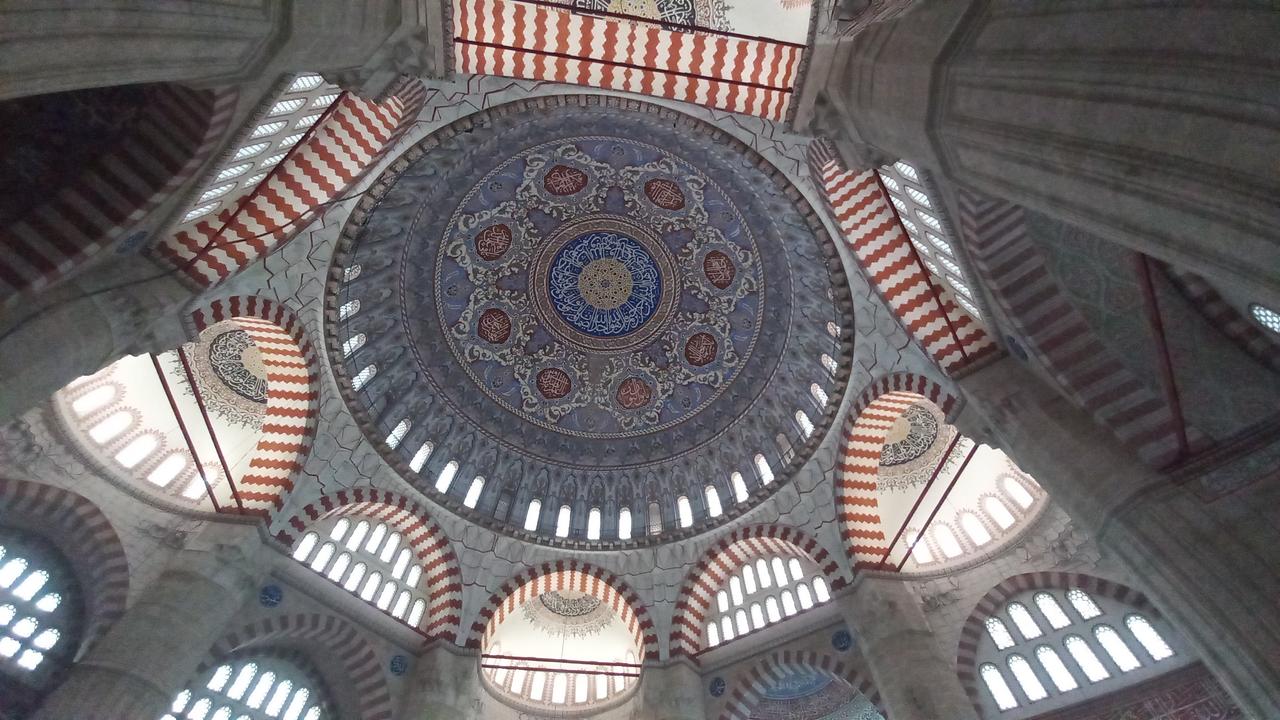
As work has now reached its final stages, the inscriptions and ornamental designs on the main dome, which had remained hidden from view for a long time due to scaffolding and closures, have been made visible again for the first time. The Selimiye Mosque, listed as a UNESCO World Heritage Site for its architectural and artistic value, had remained largely inaccessible during the restoration period.
The renewed visibility of the dome has drawn attention not only because of the earlier controversy but also because it signals that the long-running restoration is approaching completion.
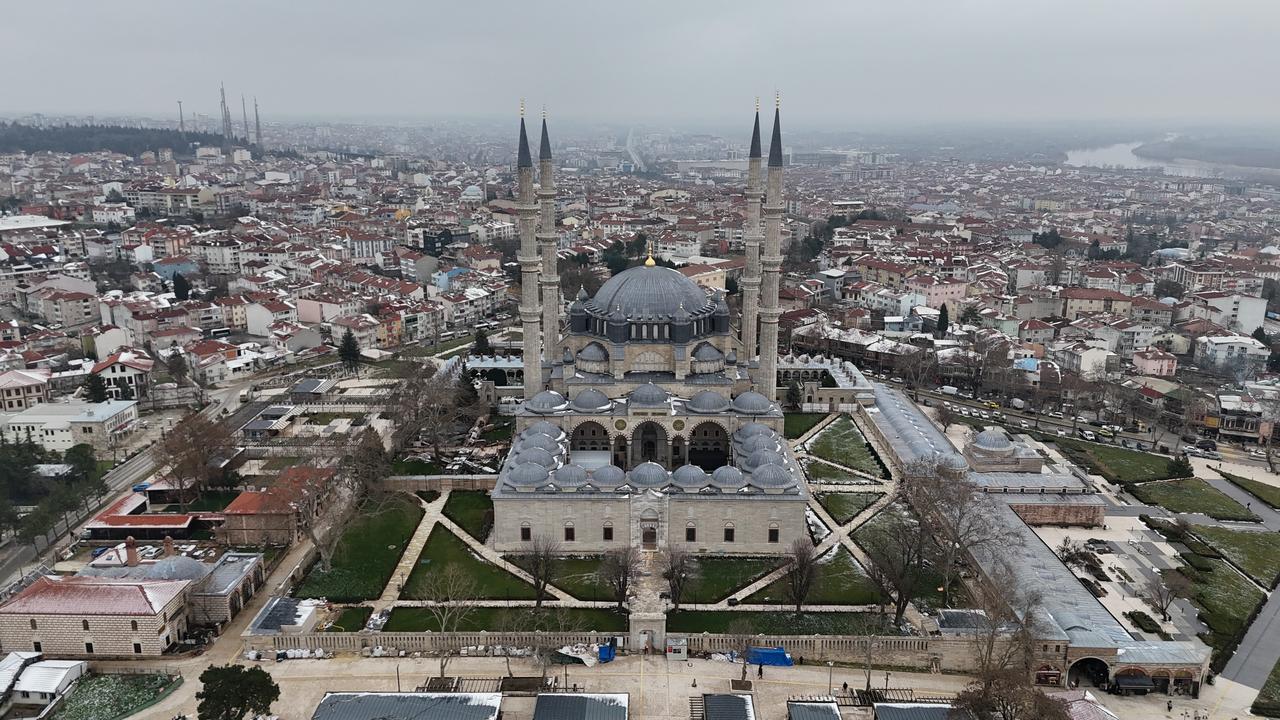
With the approach of the Islamic holy month of Ramadan, authorities have announced that the mosque will fully reopen for worship with the first tarawih prayer, a special nightly prayer performed during Ramadan.
Local residents have expressed satisfaction at the decision, noting that returning to prayer in Selimiye after a prolonged absence carries strong spiritual meaning for the community.


 Set as preferred source
 Set as preferred source


 1 min read
 1 min read