Newsletters


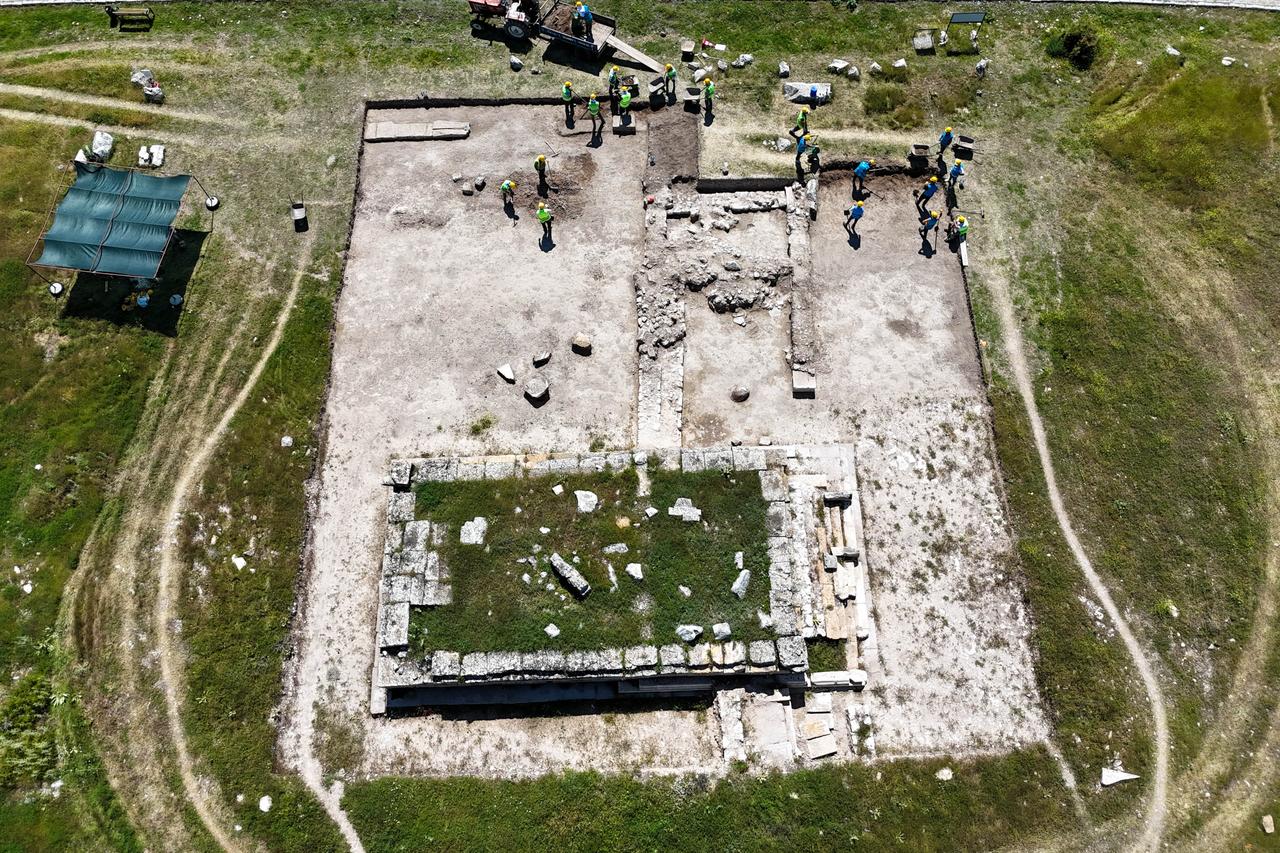


Archaeological excavations at the ancient city of Blaundos in western Türkiye are bringing to light a restricted sacred area of the North Temple, believed to have been used by priests and closed to ordinary civic use.
Located in Usak, Blaundos is known as a "garrison city" because it was established by soldiers who came from Macedonia during Alexander the Great's Anatolian campaign. Surrounded by deep valleys formed by Ulubey Canyon and accessible through only one entrance, the ancient settlement still preserves the appearance of a natural fortress.
At the center of the city stands a 2,000-year-old temple dedicated to Demeter, the goddess associated with agriculture and fertility in mythology. About 200 meters from the city gate, archaeologists are also working on the 1,900-year-old North Temple.
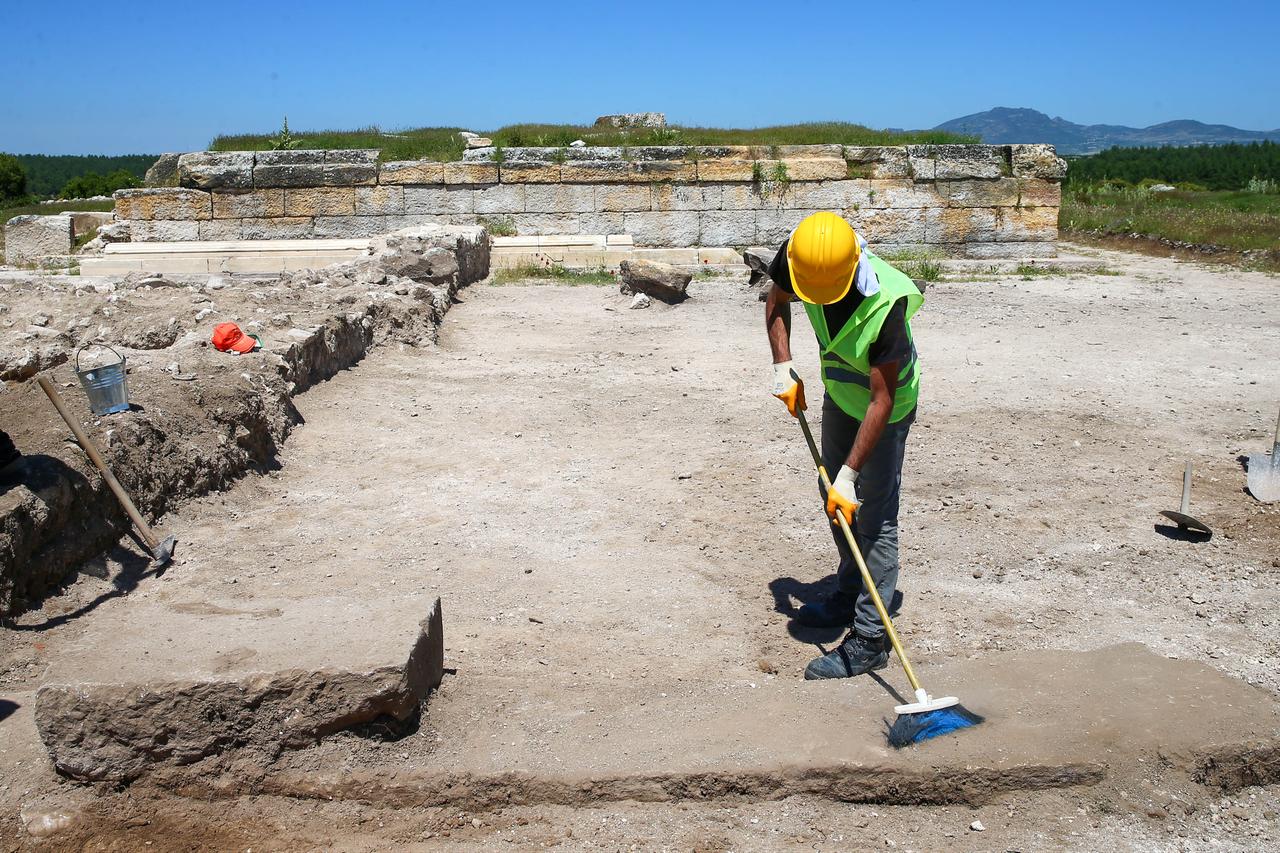

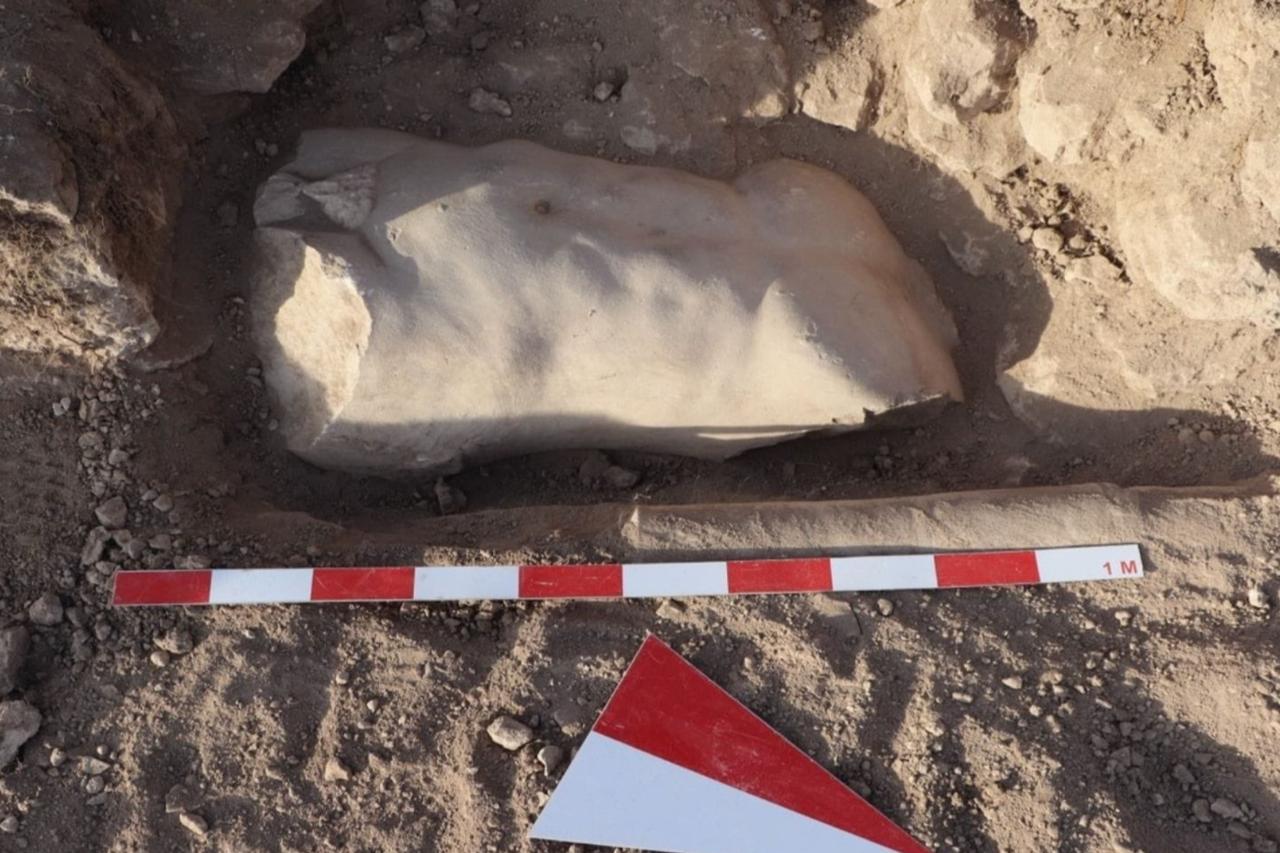
Excavations at Blaundos began in 2018 and are being carried out by the Usak Museum Directorate. During the previous excavation season, archaeologists uncovered a marble structure built over the North Temple.
This year, the team has turned its attention to the temple's sacred area, known in ancient architecture as a "temenos," which refers to a walled-off sacred precinct connected to a temple, often separated from ordinary public space.
Ilhan Cavus, Usak Museum director and Blaundos excavation head, said the team had previously worked in the "naos," the innermost chamber of a temple where the statue of a god or goddess was placed. He said this season's work is focused on the temenos, which was reserved for priests and kept outside civilian use.
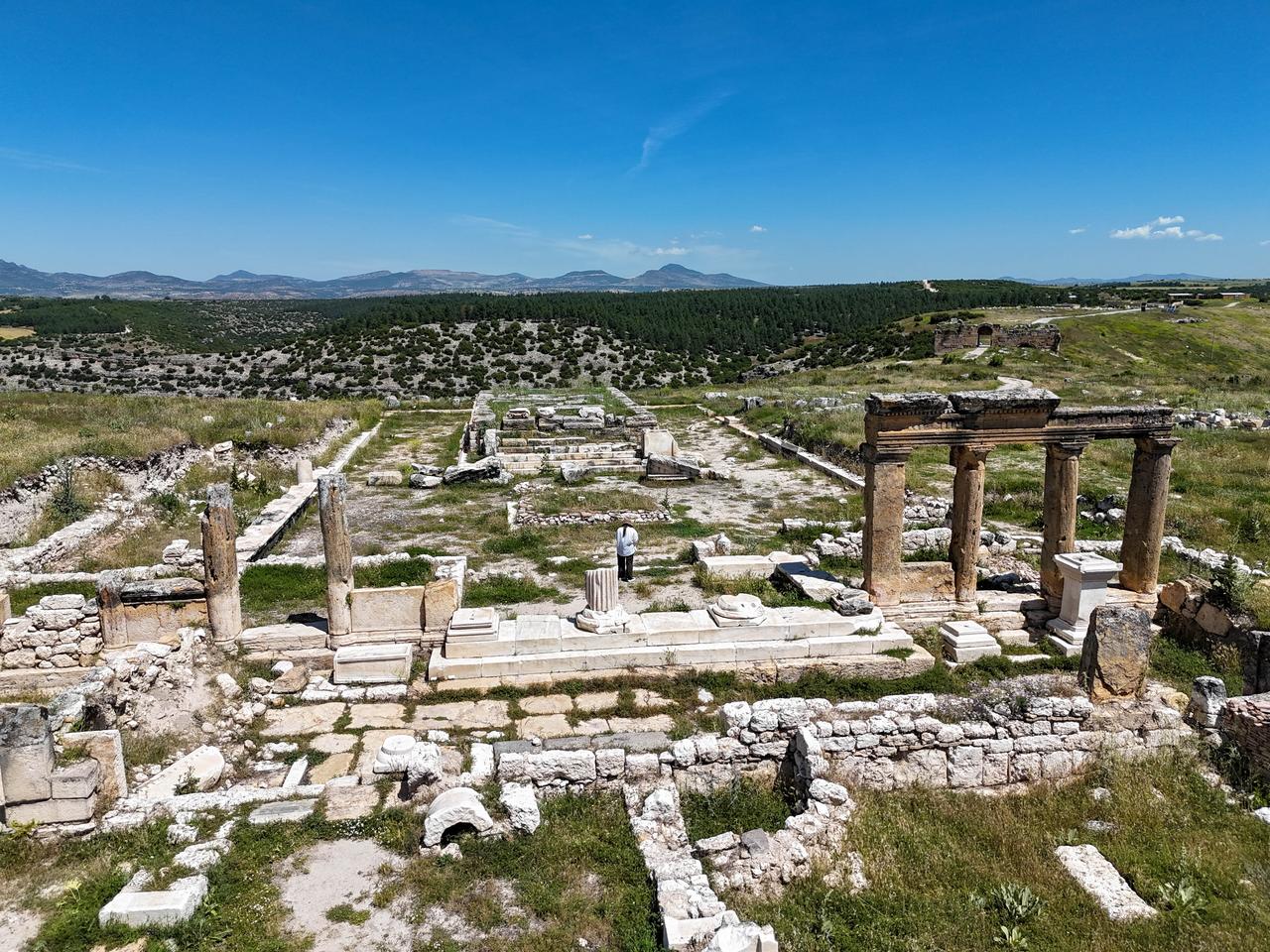
According to Cavus, priests lived in the temple during that period, as the temenos was not a place ordinary people could freely enter. He explained that in the polytheistic pagan belief system of the time, people came to temples according to their needs, seeking divine help related to fertility, health, war or other concerns.
He said offerings were left at altars in the temenos, with worshippers trying to reach the gods through gifts and ritual acts. Cavus noted that the team expects to find important remains and discoveries in this area of Blaundos.
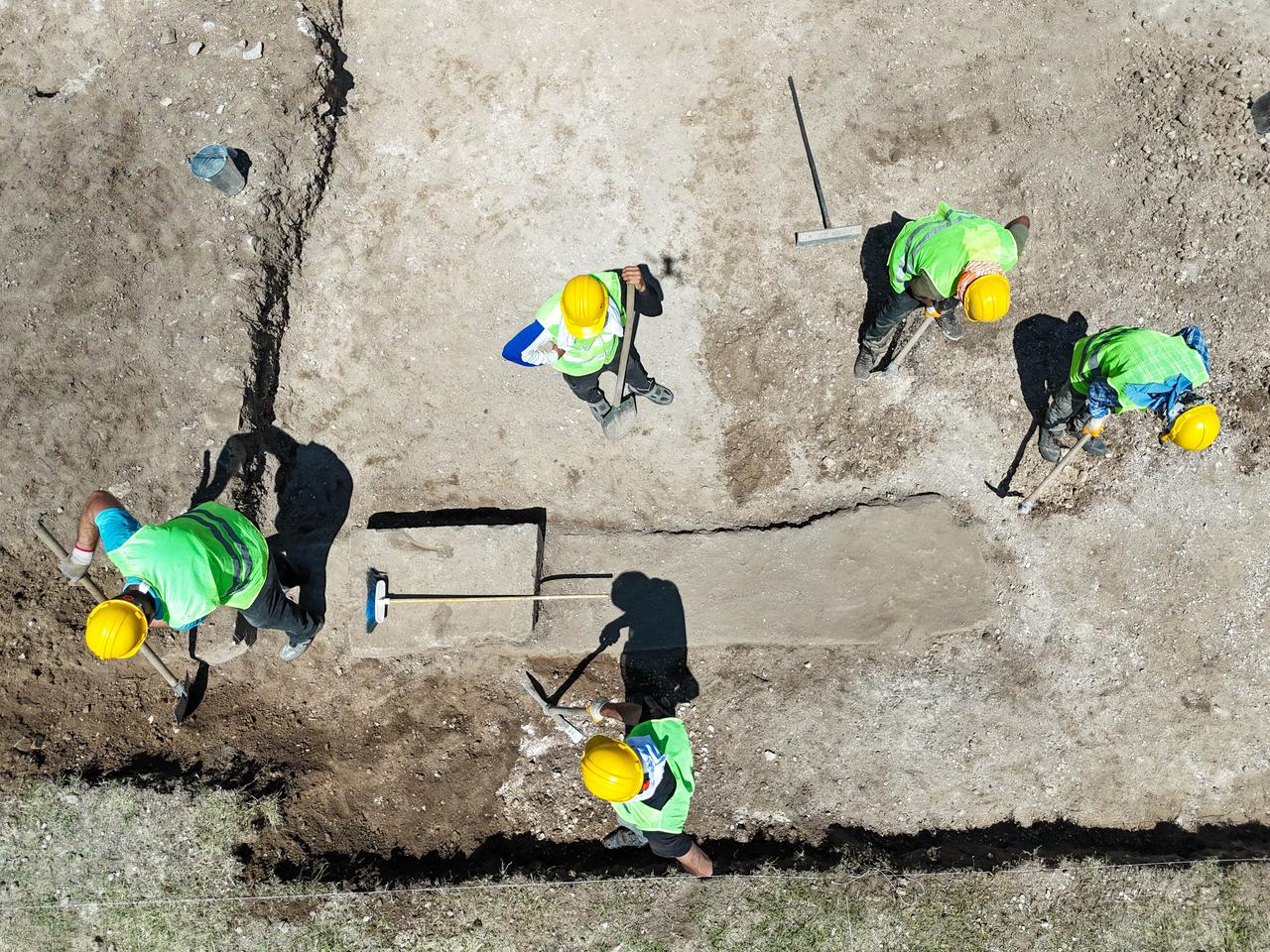
The excavation has also revealed traces from the Byzantine period in the sacred area, adding another layer to the city's long history.
Cavus said Blaundos was first shaped as a military and headquarters city, founded for defensive purposes by soldiers who came from Macedonia after being settled there under the Roman authority. He also noted that the city had a strategic position in antiquity.
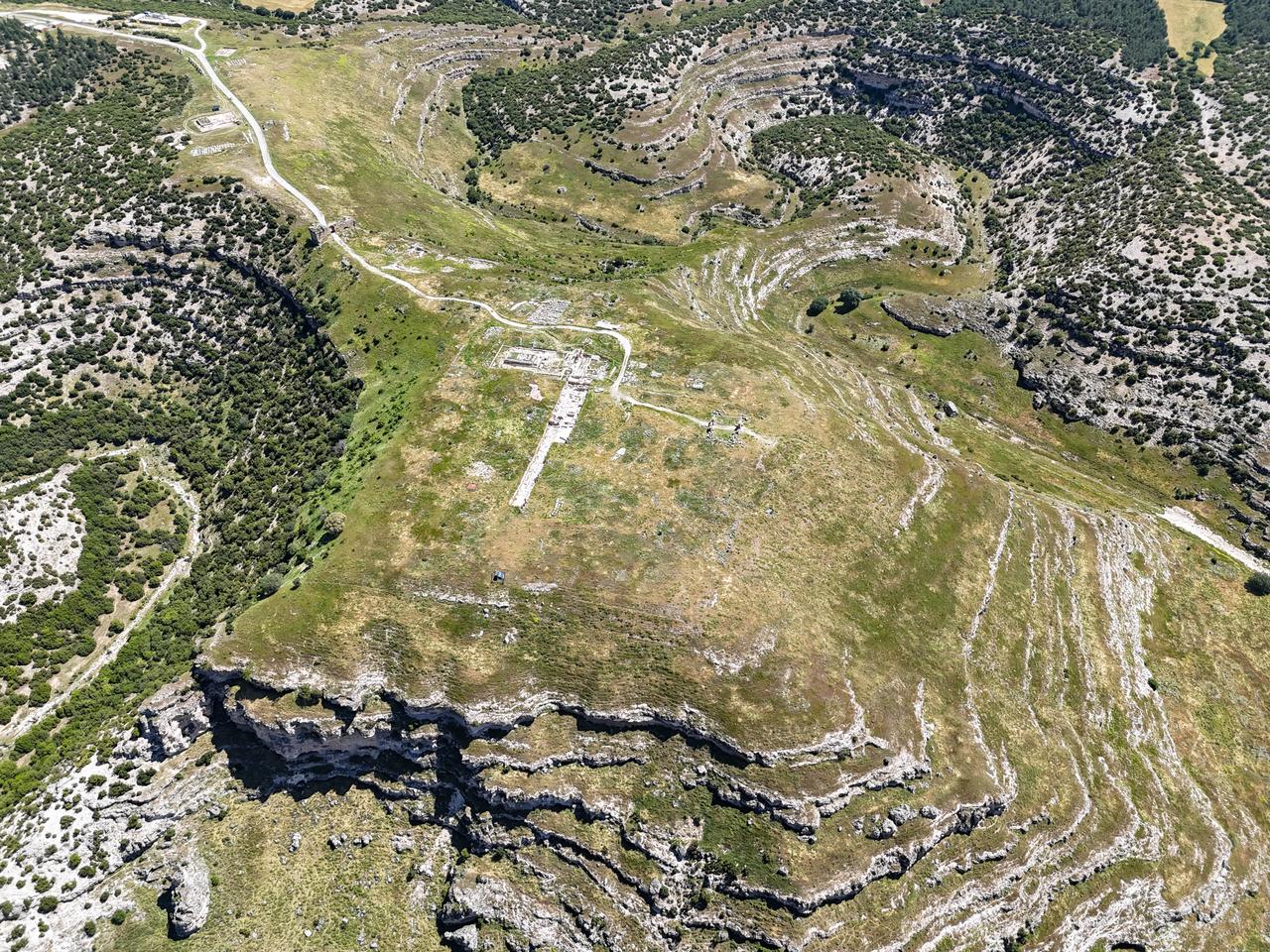
The team has identified Roman layers after the Hellenistic settlement, while Byzantine structures were later built by reusing Roman materials. Cavus said this reuse damaged parts of the earlier Roman and Hellenistic layers, but also showed how the city continued to be reshaped over time.
He said the excavation team is first documenting and removing the Byzantine remains in the walls before moving down to the Roman and Hellenistic layers below. Once excavation work is completed, restoration work is also planned for the area.


 Set as preferred source
 Set as preferred source


 1 min read
 1 min read