Newsletters


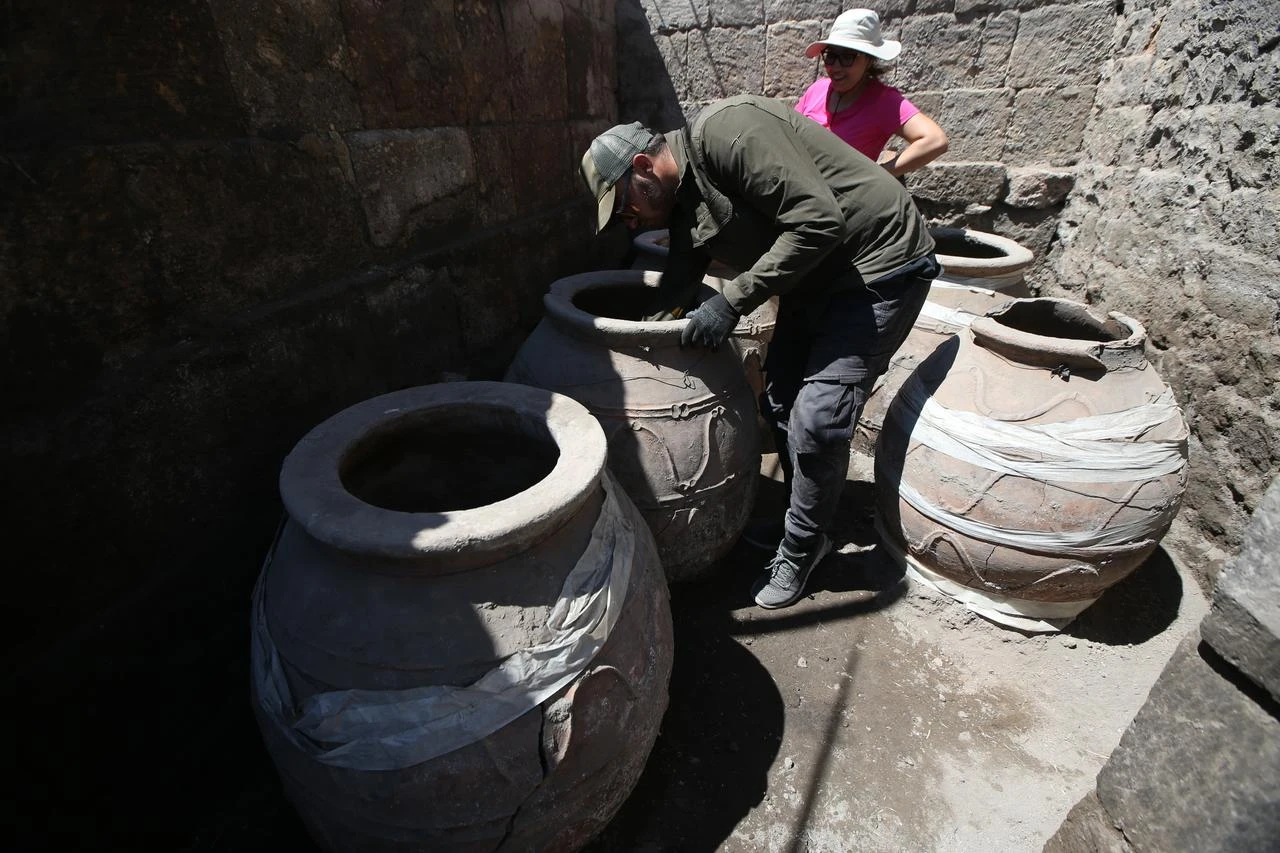


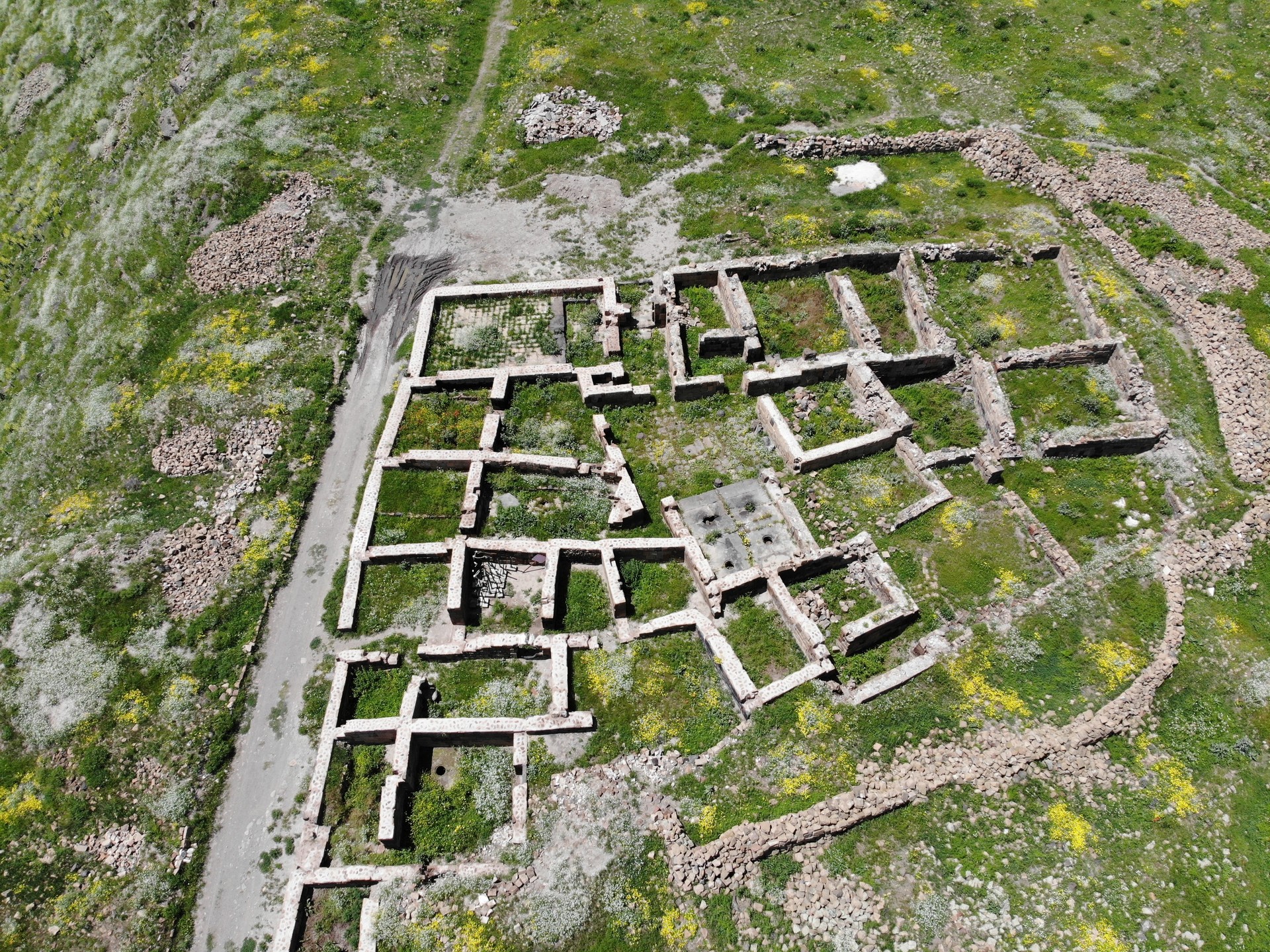
Archaeologists working at the UNESCO World Heritage-listed Ani archaeological site in eastern Türkiye have uncovered a food storage room containing five large ceramic jars in the remains of the medieval Seljuk marketplace.
The discovery was made during ongoing excavation, conservation and landscaping work carried out by the Ministry of Culture and Tourism in cooperation with Kafkas University.
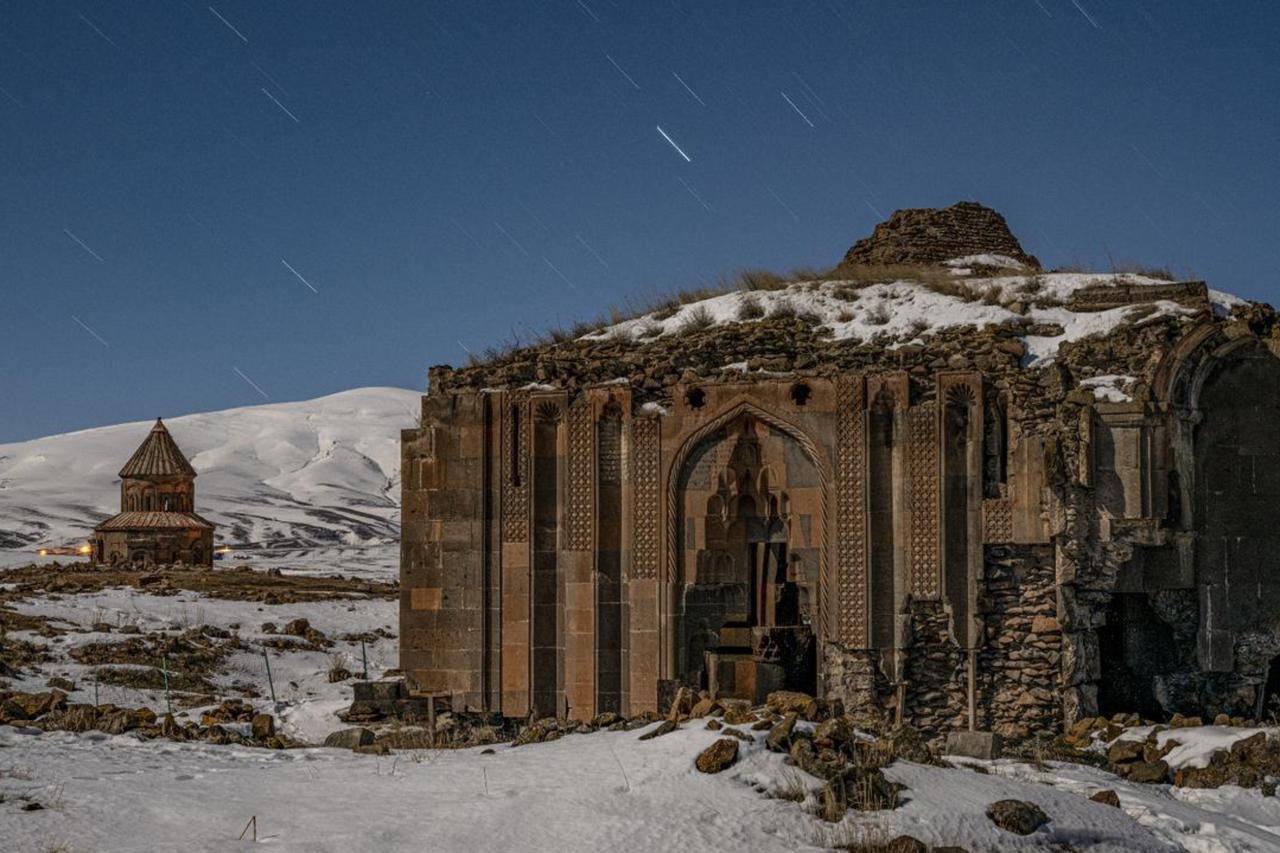
Known for its churches, mosques, fortifications and residential areas, Ani was ruled at different times by the Bagratid dynasty, the Byzantine Empire, the Great Seljuks, Georgian kingdoms, Mongols, Ilkhanids, Karakoyunlu and Akkoyunlu states, and the Ottoman Empire. Christian and Muslim communities also lived alongside one another in the historic settlement.
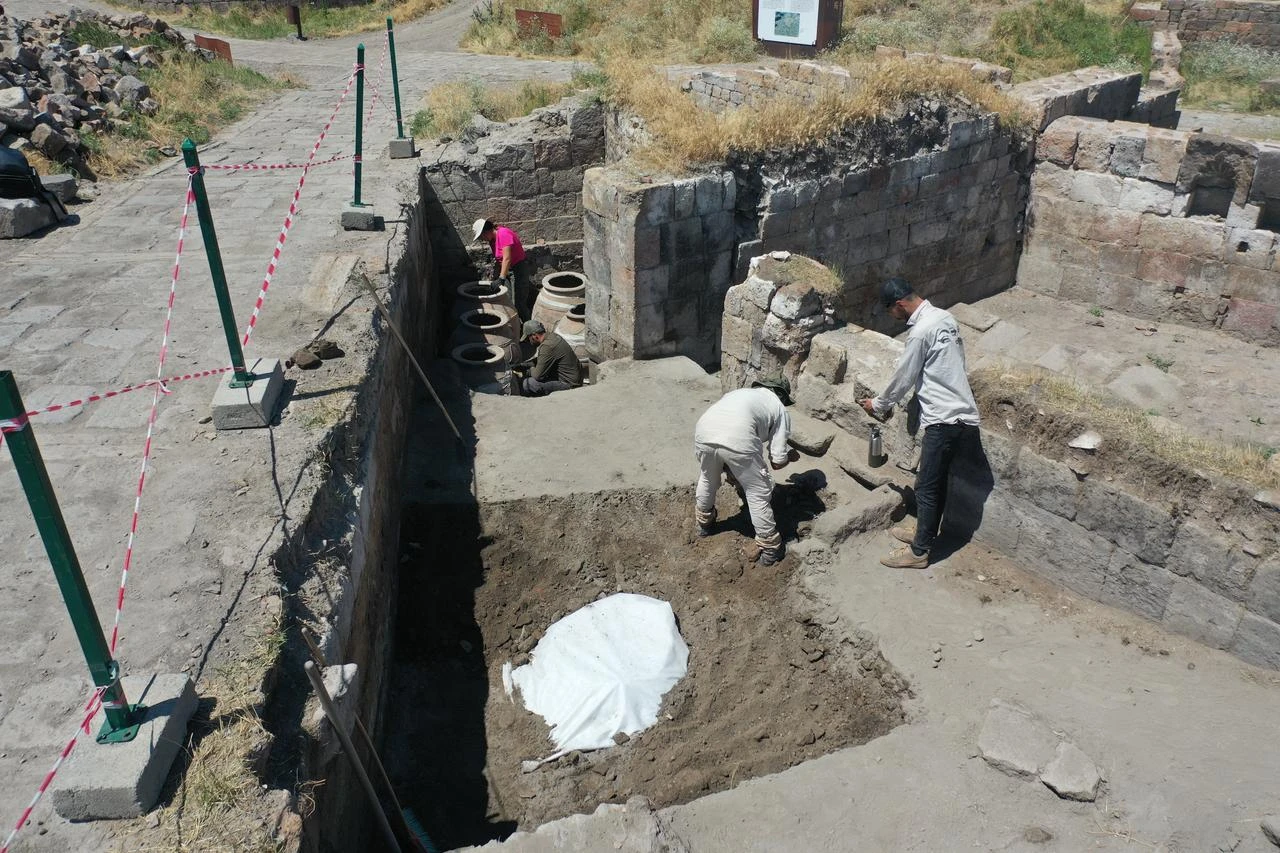

The excavation team identified the room as a pantry designed to hold dry foods, including legumes. Inside, researchers came across five large vessels known as pithoi, the plural of pithos—which is an archaeological term used for oversized ceramic containers built to store food and other supplies.
Ani excavation director Associate Professor Muhammet Arslan said similar storage rooms had been uncovered during earlier excavation seasons, although the latest find adds another example from the Seljuk marketplace.
"These were rooms created entirely to preserve dry foods such as legumes, and in this storage area we reached five separate large jars, which we call pithoi, in a conical and spherical vessel form," Arslan said.
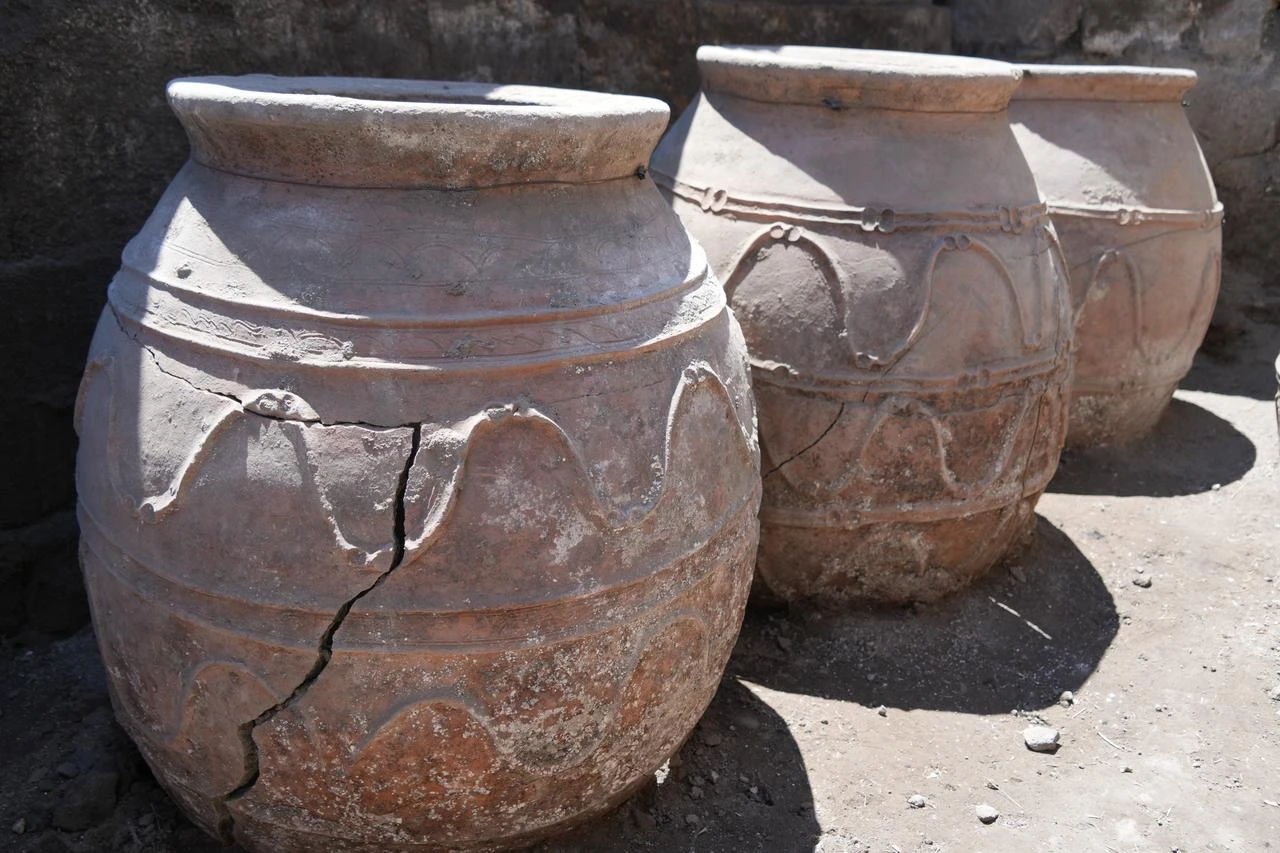
The unglazed vessels were made from fired clay and decorated with applied S-shaped curves.
"The jars stand more than 1 meter (3.28 feet) tall and have openings measuring around 50 centimeters in diameter. They were produced from unglazed fired clay, and we can see that applied S-shaped curves were worked onto their surfaces," Arslan said.
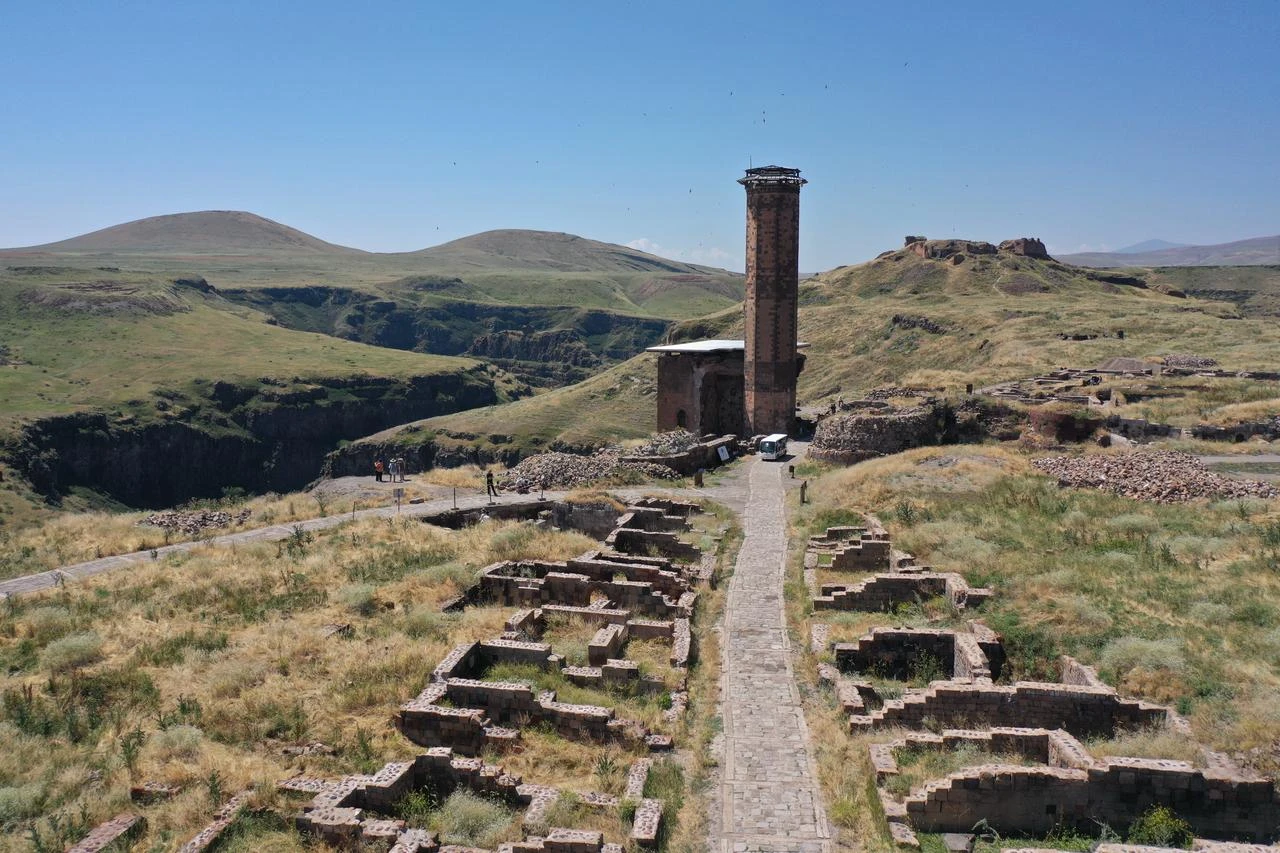
Excavations at Ani are being carried out this season at six locations, including the Seljuk marketplace, two areas within the Seljuk residential quarter, the Seljuk cemetery and the building known as Bezirhane. Conservation work and the construction of walking routes inside the city walls are also continuing.
The excavation season, which started in April, is scheduled to run through Dec. 31.


 Set as preferred source
 Set as preferred source


 2 min read
 1 min read