Newsletters


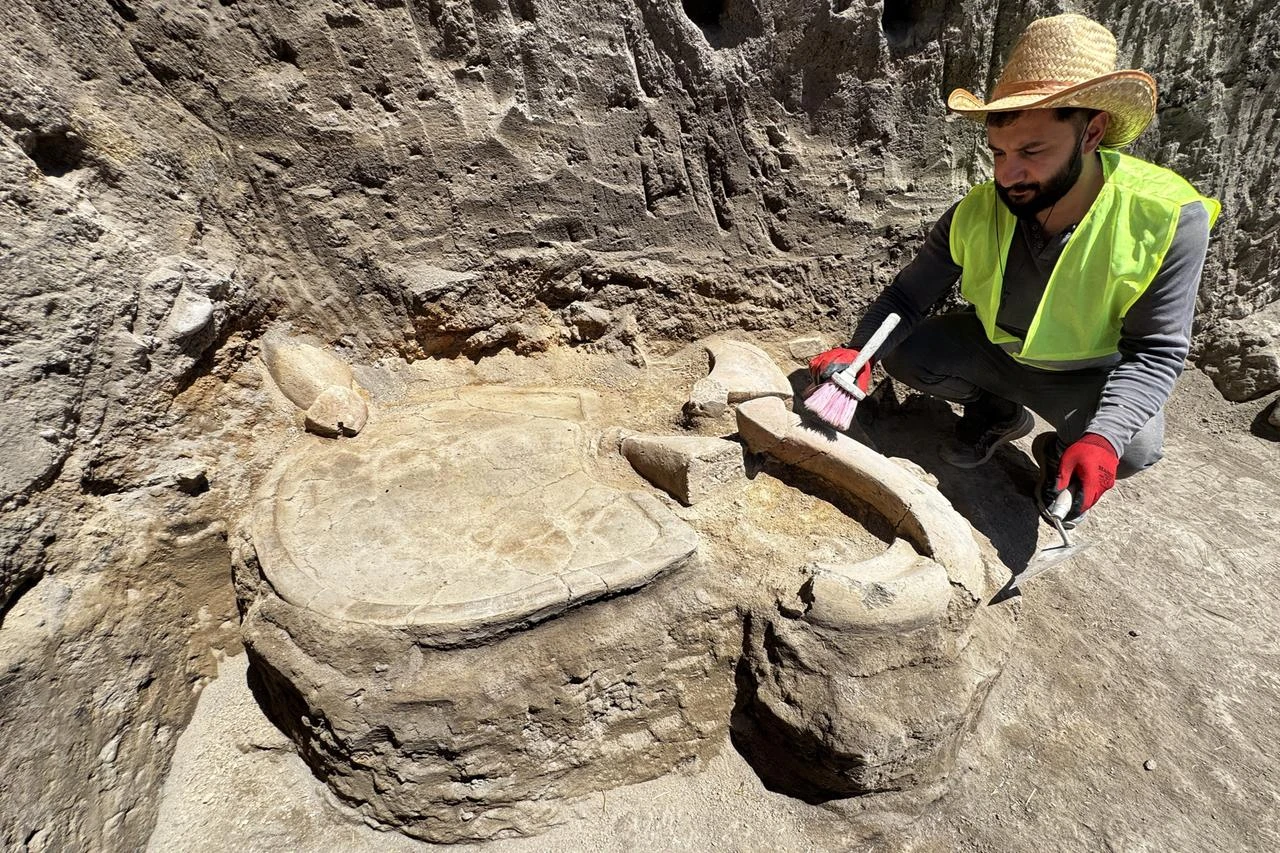


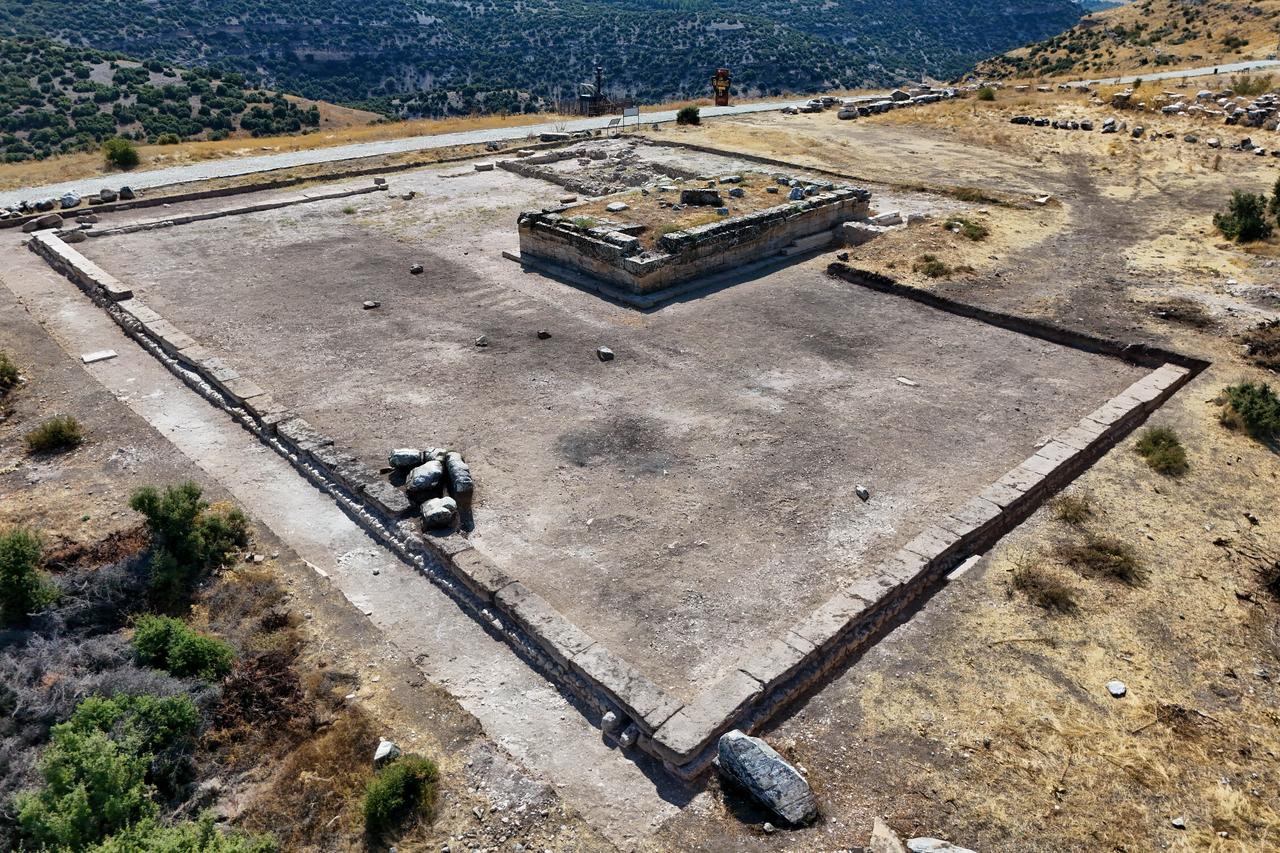
An ancient shrine believed to date back nearly 5,000 years has been uncovered at Tadim Castle and Mound, near the city of Elazigin eastern Türkiye, officials said. The site includes a temple area, two altars and three sacred hearths thought to have been used in religious rituals.
The site sits in the village of Tadim, part of Elazig province, a region bordering the upper Euphrates roughly 550 kilometers (340 miles) east of Ankara.
The dig is part of the Legacy for the Future Project, coordinated by the Elazig Museum Directorate and the provincial Directorate of Culture and Tourism, with support from Türkiye's Ministry of Culture and Tourism, the Elazig Governorate and the Special Provincial Administration.
Excavations began in 2025 and are now in their third season, carried out by a team of seven workers and four specialists.
Archaeologists believe the newly found area was used for religious rituals. It is dated to around 3000 B.C., placing it in the Bronze Age.
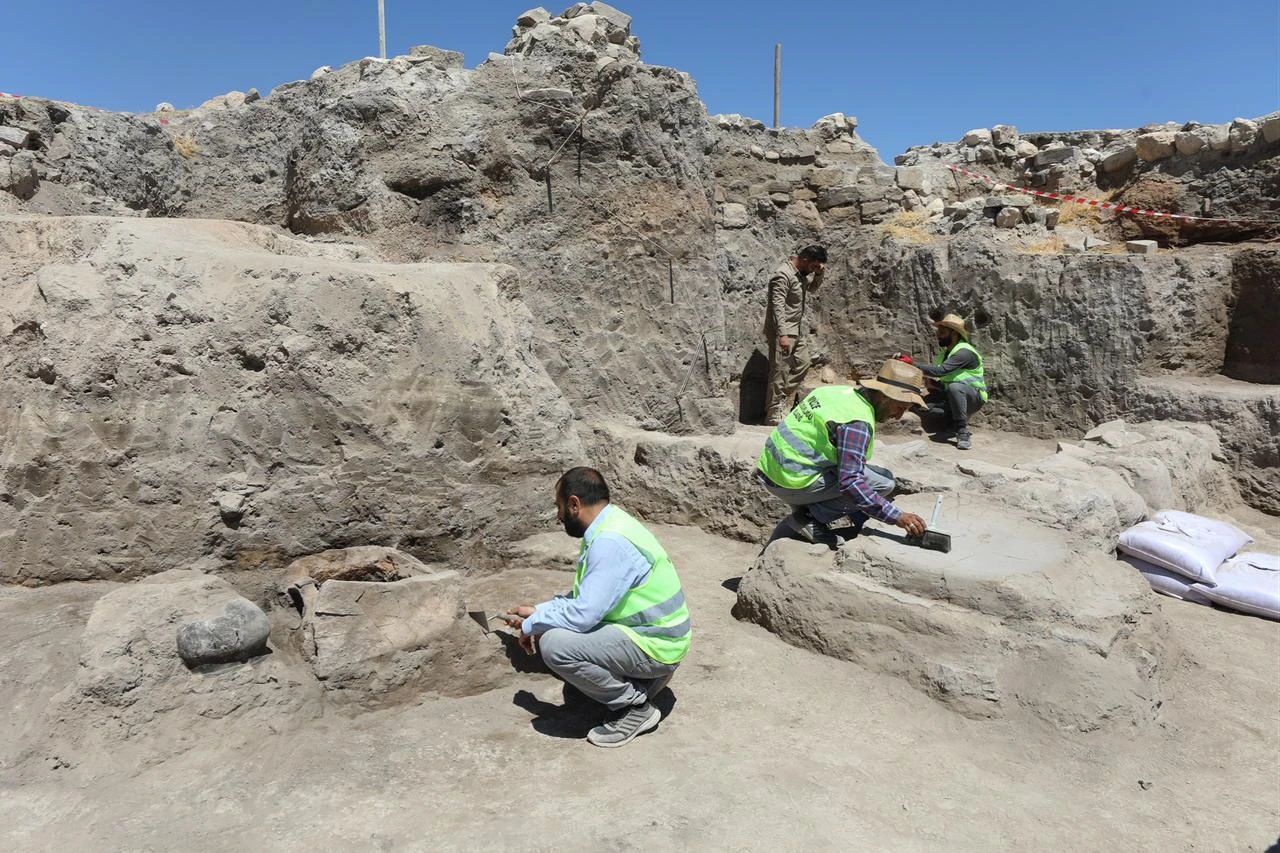

Two altars and three sacred hearths were identified within the section. Including this find, excavations at the castle and mound have so far uncovered two temple areas and six sacred hearths in total.
Elazig Governor Numan Hatipoglu said archaeological work is ongoing at four sites across the province: Harput Castle, a hilltop fortress overlooking Elazig city center; Tadim Castle; Palu Castle, in a district roughly 75 kilometers northeast of the city; and Salkaya, another excavation site in the province.
He said the newly uncovered sacred area is estimated to be about 5,000 years old and that work continues under the coordination of the Museum Directorate, with support from the Special Provincial Administration.
He added that remains from the Ottoman period were found near the top of the mound, with traces of earlier civilizations appearing at greater depths.
Last year's excavations uncovered a temple area estimated at around 6,000 years old, he said, while this year's work uncovered a temple area, an altar and three sacred hearths dated to around 3000 B.C.
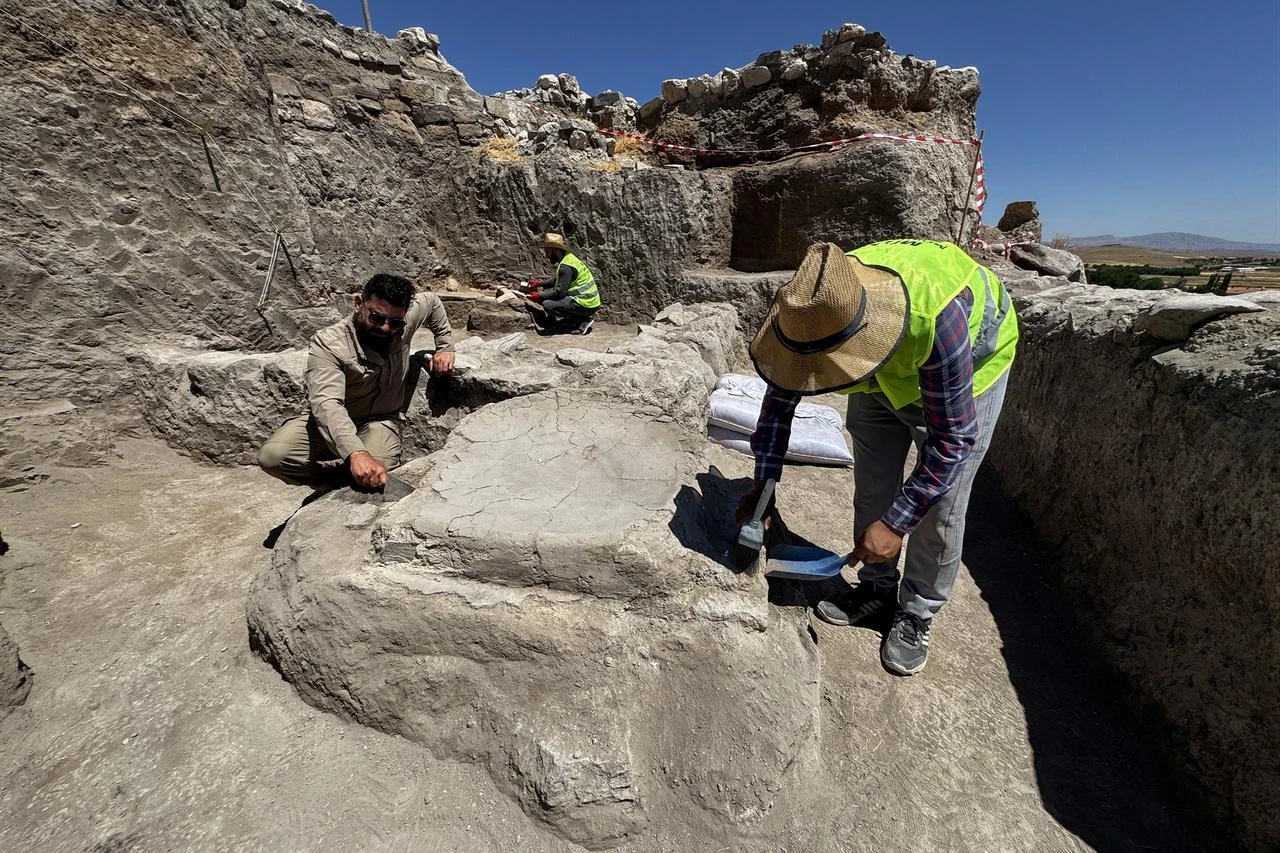
Emre Cayir, the archaeologist overseeing the excavation, said the cult area and worship area, along with the altars and sacred hearths, provide important information about the belief system of the period, offering insight into how faith took shape in the Elazig region around 5,000 years ago.
He said the finds hold significance in archaeological literature, noting that the hearths and offering areas shed light on the belief system of that era.
Cayir said the site holds a layered history spanning the Seljuk and Ottoman periods, the Eastern Roman era, and earlier periods, including the Iron Age, Chalcolithic period, Bronze Age, and Neolithic period.
He said the team is currently working within the Bronze Age layer and continuing to reach significant data.


 Set as preferred source
 Set as preferred source



 3 min read