Newsletters


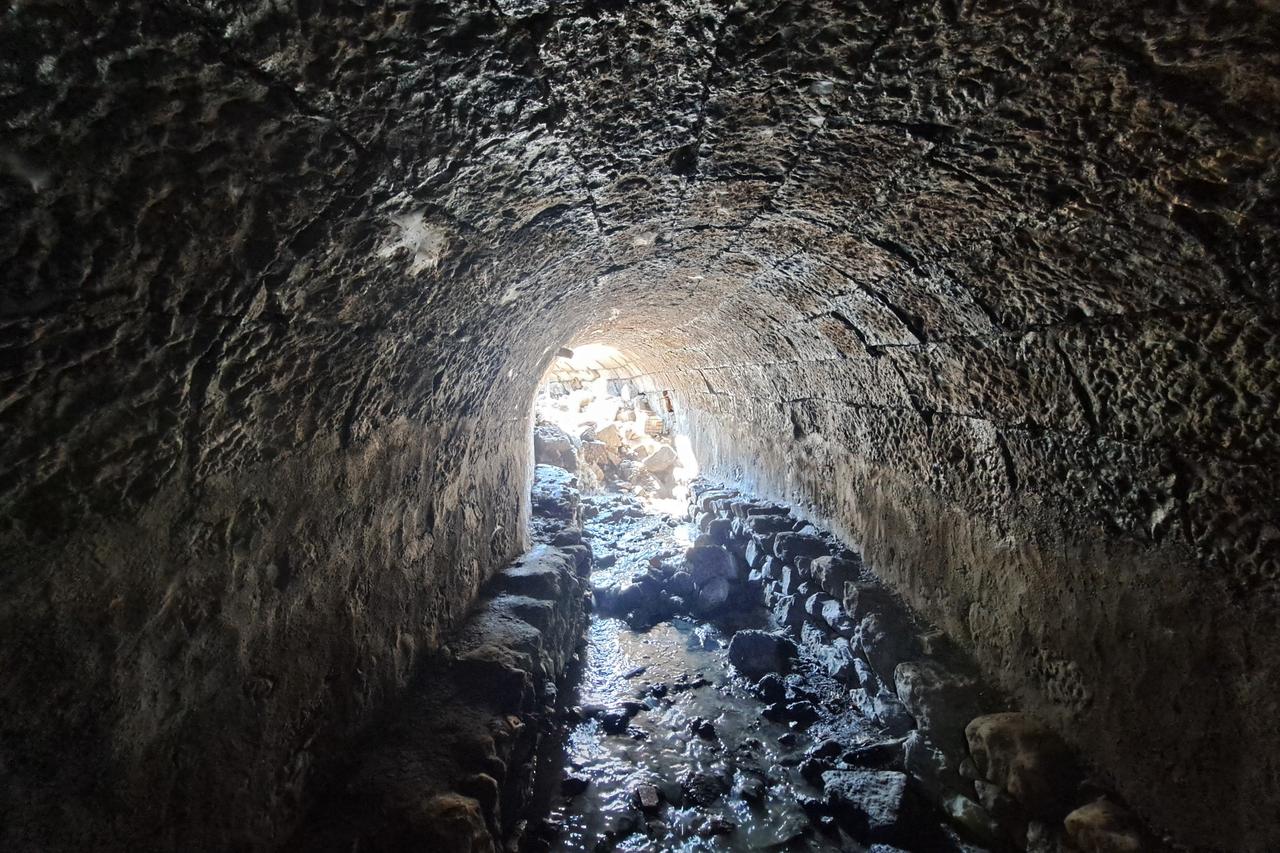


A vaulted underground water channel believed to date back to the early Roman era has been uncovered during urban transformation works in Trabzon, northeastern Türkiye. Archaeologists say the structure, stretching several hundred meters beneath the modern city, shows architectural features that have no exact parallel elsewhere in Türkiye.
The discovery emerged during redevelopment activities in the Comlekci neighborhood, where construction teams came across an underground structure later identified as a Roman-era water conduit. Experts from the Trabzon Museum Directorate and Karadeniz Technical University (KTU) inspected the tunnel after safety checks were carried out due to the risk of toxic gases inside the confined underground space.
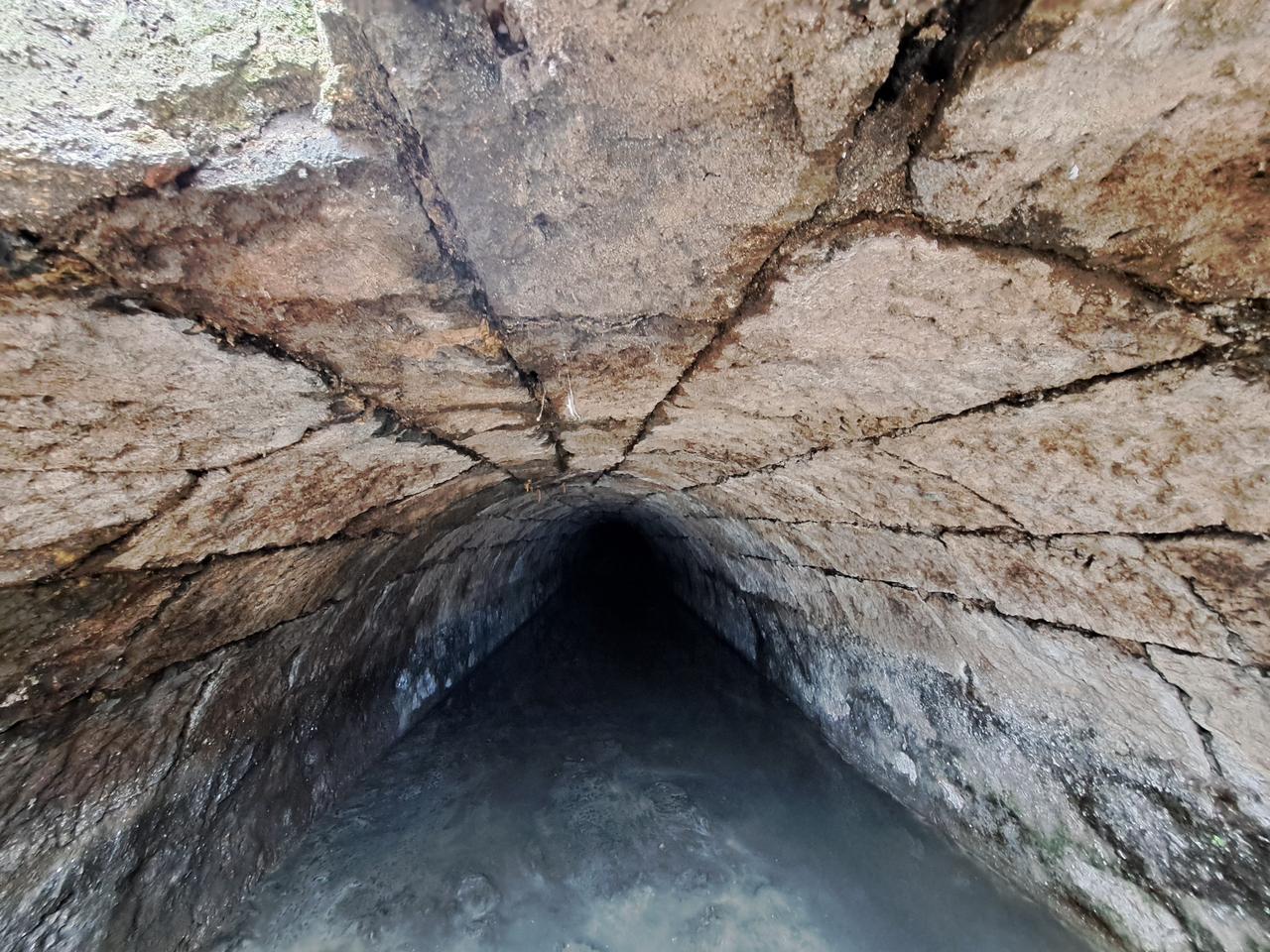

Initial surveys show that the water channel lies roughly 1.5 to 2 meters below the current ground level. The tunnel extends from the Arafilboyu junction toward the coastal road and the area historically associated with the old Trabzon port.
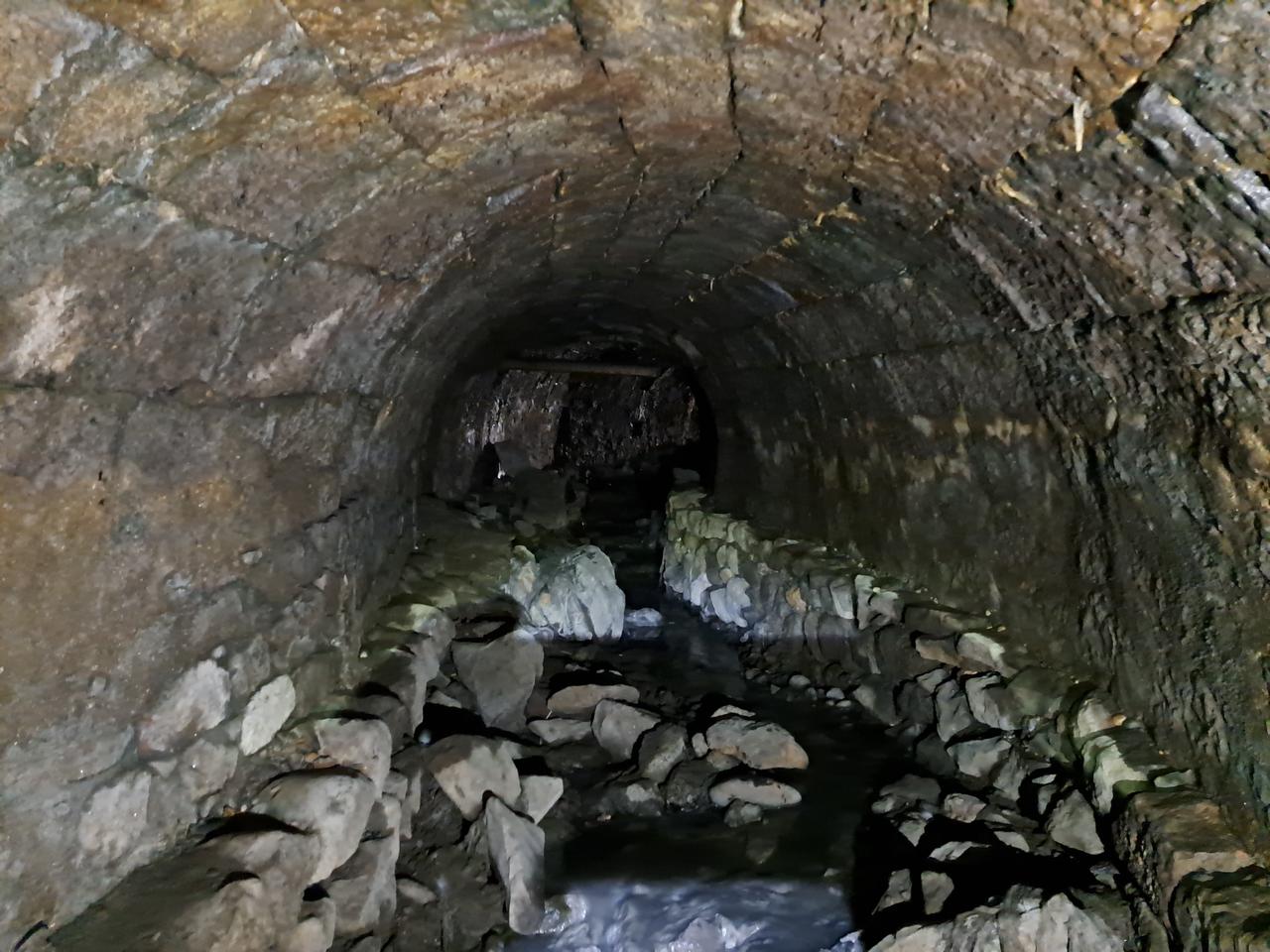
The structure measures about two meters in both width and height and includes a central water channel roughly 1.2 meters wide. On either side of this channel, narrow walkways—about half a meter wide—appear to have been designed to allow maintenance workers to move along the conduit.
The tunnel is built in a vaulted form, a common architectural technique in Roman engineering where stone blocks form an arched roof that distributes structural pressure. Parts of the side walls consist of carefully cut stone, while other sections use smaller rubble stones. Archaeologists also noted a thick layer of plaster applied to the walls, likely intended to waterproof the structure and protect the flow of water.
Professor Mehmet Yavuz, dean of the Faculty of Letters and head of the Art History Department at Karadeniz Technical University, explained that the workmanship, materials and structural features point to the early Roman imperial era.
According to Yavuz, the tunnel likely dates to the reigns of Roman emperors Trajan and Hadrian, a period spanning the late first and early 2nd centuries A.D. He noted that the tunnel does not run in a straight line but instead follows a slightly broken and curved route, which may have been designed to slow the water’s flow or may reflect later alterations caused by excavation activities.
Inside the channel, steps carved into the floor also appear to reduce water velocity, indicating deliberate hydraulic planning.
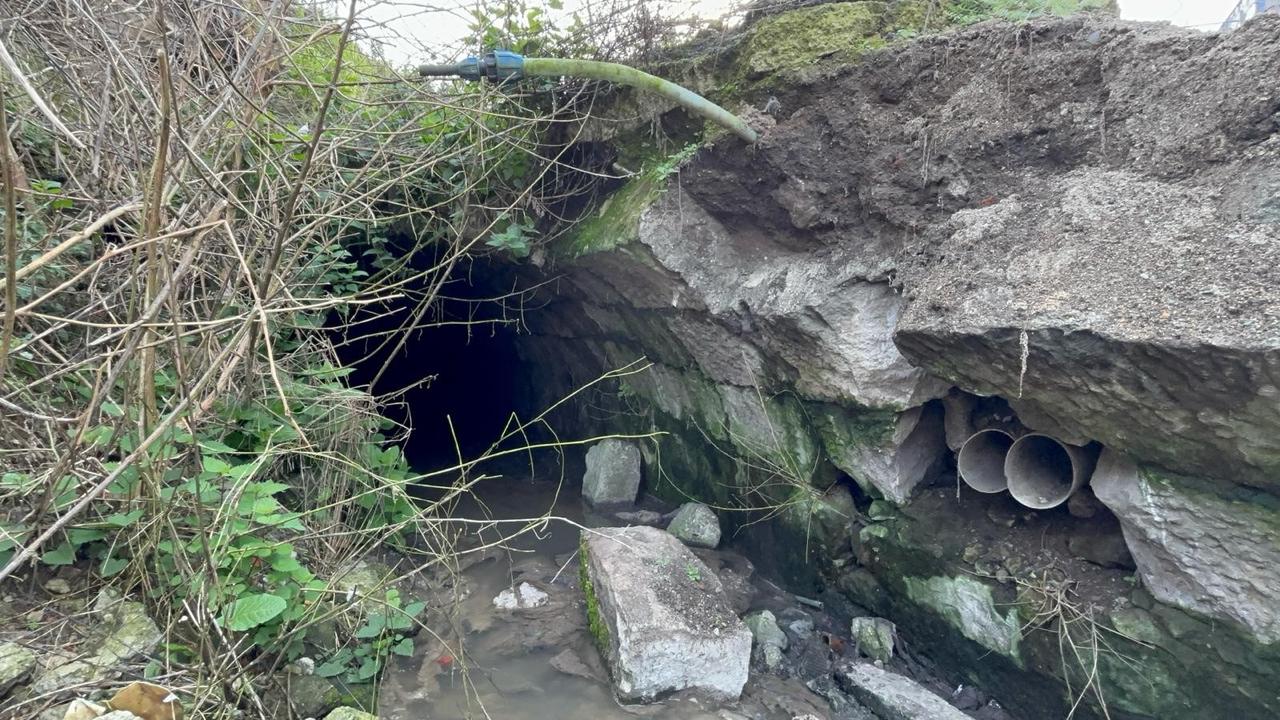
Over the centuries the function of the structure changed significantly. Evidence shows that during the late Ottoman or early Republican periods additional openings were carved into the side walls to connect nearby sewage lines.
Today the channel still carries wastewater, and polluted water remains inside parts of the tunnel. Researchers believe that when the conduit was first constructed it served as a drinking-water system, possibly transporting fresh water toward the port area.
Yavuz said the key question now is to determine why the system was built and exactly where its water source originated. Because the tunnel descends toward the coastal zone historically associated with Trabzon’s harbor, it may have been intended to supply water to ships docking at the port or to a nearby settlement.
 1 min read
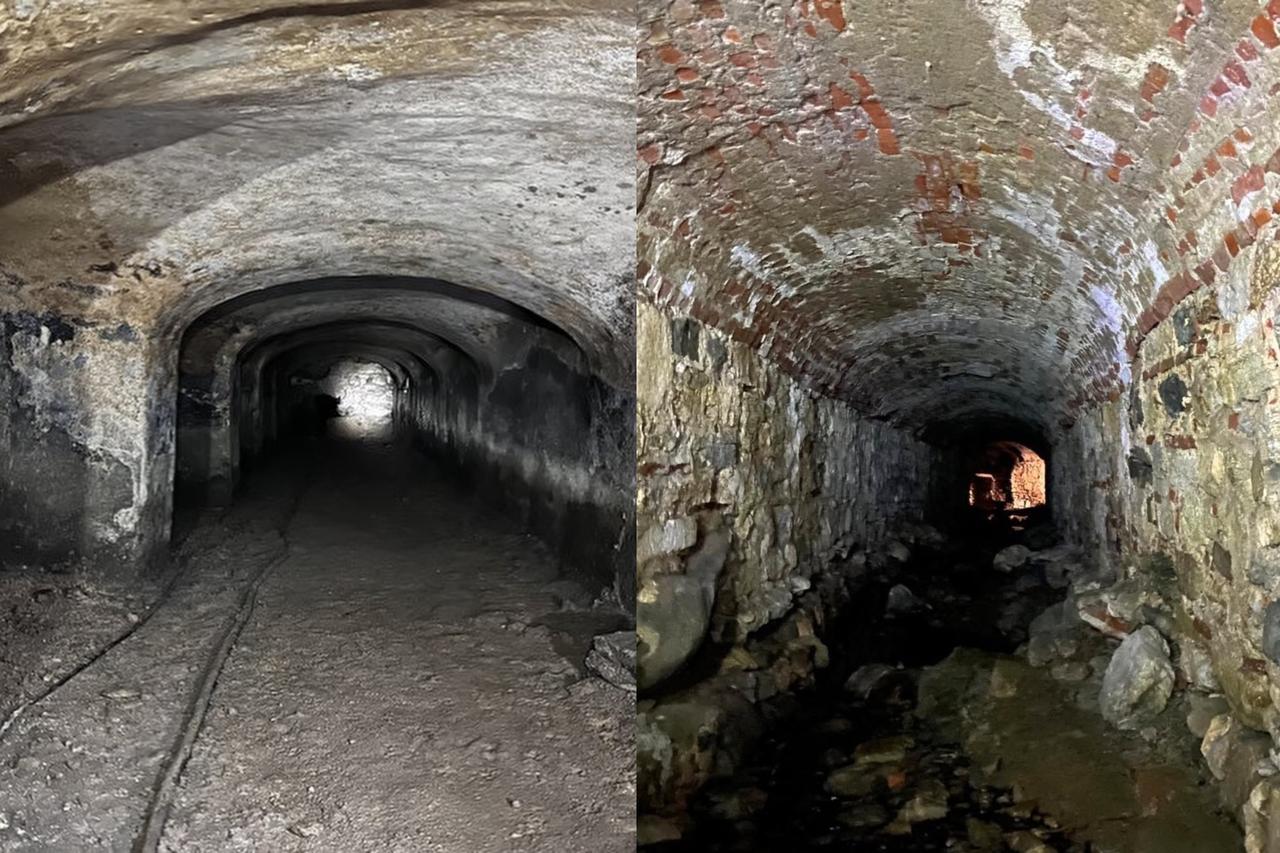
Researchers emphasize that similar underground water structures are extremely rare in the country. Comparable examples have been recorded only in two locations: one within the ancient city of Smyrna, dating to the late Hellenistic–early Roman period, and another structure in Istanbul dated to the fourth century.
However, specialists say the Trabzon channel differs in its structural characteristics and may represent a unique example in Türkiye.
Yavuz described the discovery as surprising because the area was not previously known as a dense settlement during the Roman or Hellenistic periods. He added that further cleaning and excavation around the tunnel could reveal additional architectural elements connected to the water system.
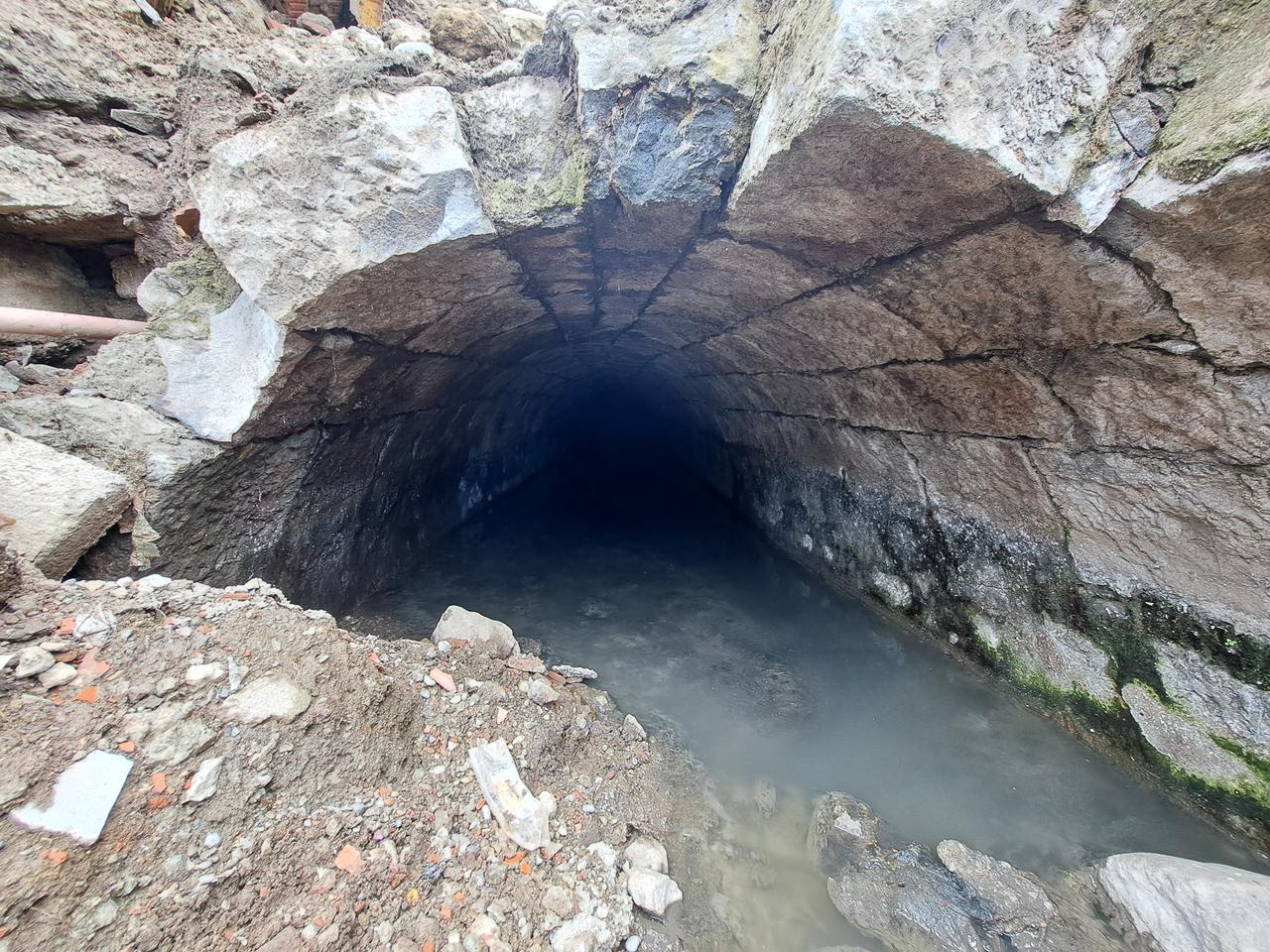
Archaeologists believe that rescue excavations around the tunnel could uncover related infrastructure such as reservoirs or additional water lines. Some researchers also consider the possibility that the system might have been linked to Satala, an important Roman military garrison located in present-day Gumushane.
If confirmed, such a connection could indicate that the region once hosted a smaller Roman military presence that required reliable water supply.
Authorities have already placed the structure under protection, though construction machinery has caused minor damage in certain sections of the tunnel. Scholars argue that the site should be granted the highest level of archaeological protection and potentially developed as a cultural heritage attraction.


 Set as preferred source
 Set as preferred source


 1 min read