Newsletters


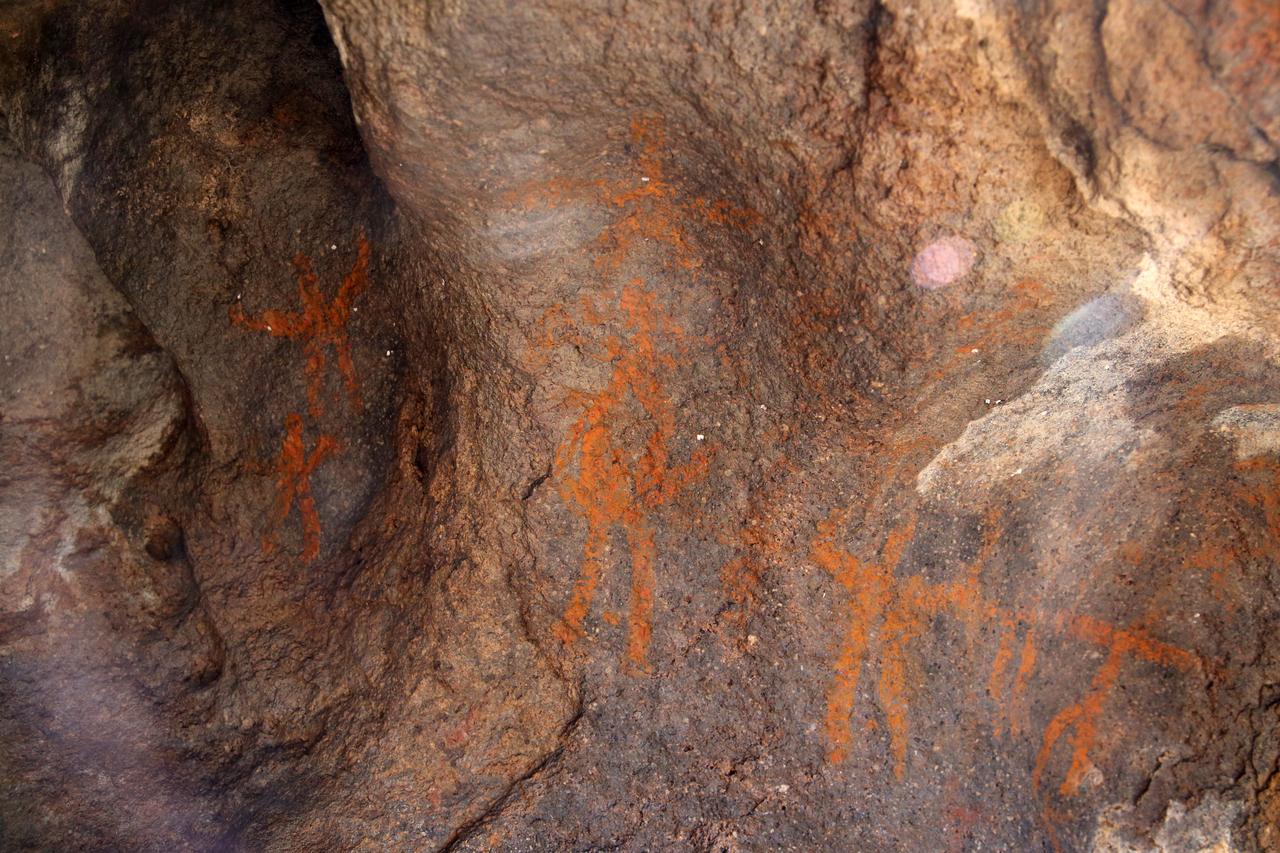


Human figure rock paintings, thought to date back to the Neolithic Age, have been discovered on a rocky hillside in Kayseri in Türkiye, after a local resident noticed unusual markings and decided to alert the authorities.
Initial examinations in the area suggest that the paintings belong to the Neolithic Age, a prehistoric period that researchers often place between around 10,000 B.C. and the invention of writing.
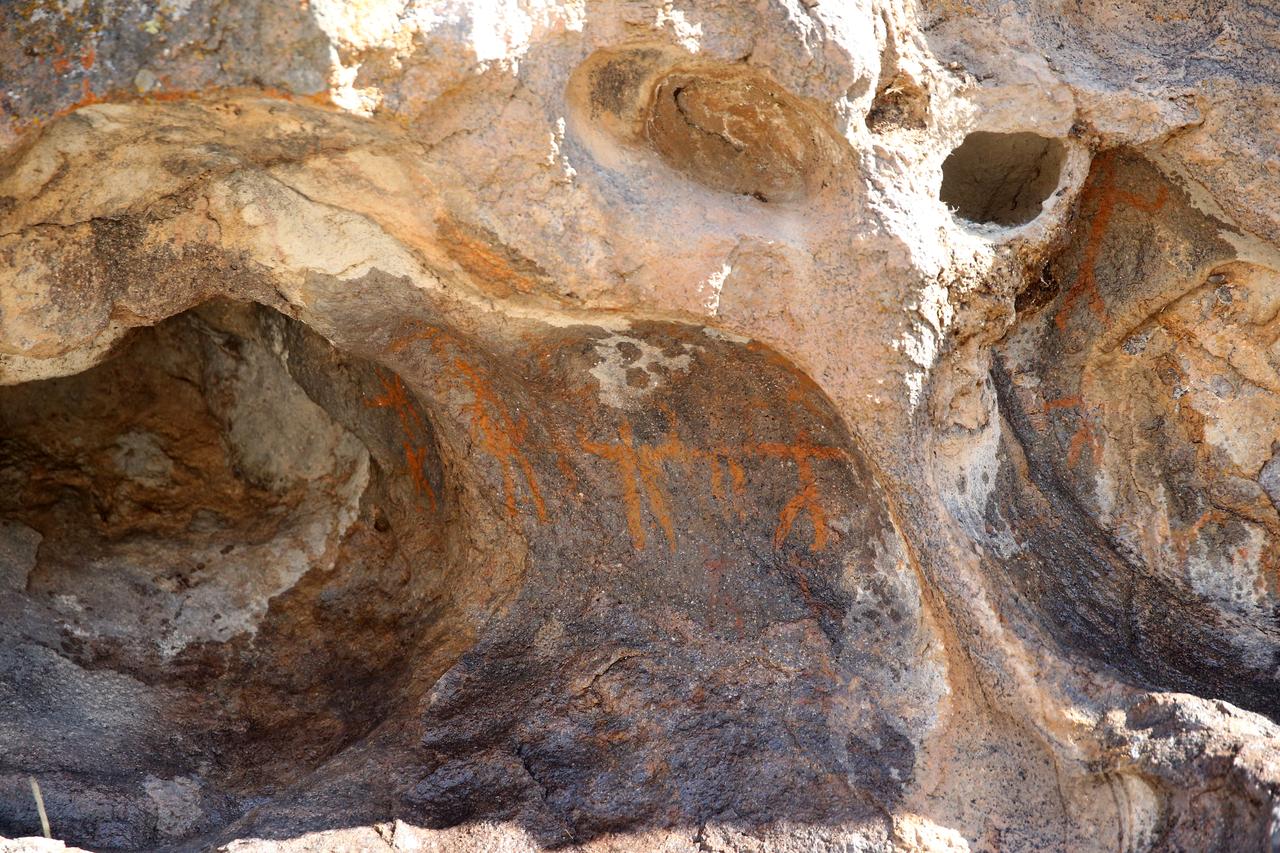

Environment and Cultural Heritage Preservation and Promotion Foundation (CEKUL) Kayseri representative Professor Osman Ozsoy said that his team has been working on the underground cultural inventory of Kayseri for about eleven years, yet they had never come across such examples before.
He underlined that the newly identified paintings stand out as a turning point for the city and stated, “Kayseri's history may perhaps be pushed further back. It is a discovery or find that will be placed within the Neolithic Age.”
He added that, for Kayseri, where rock paintings had not been documented until now, revealing such imagery represents a major gain.
Ozsoy pointed out that similar rock paintings are known from many parts of Anatolia, including Hakkari, Van, Mersin, Antalya and the Neolithic settlement of Catalhoyuk, while to the west important examples appear around Lake Bafa between Balikesir, Aydin and Mugla, especially in the Latmos mountains.
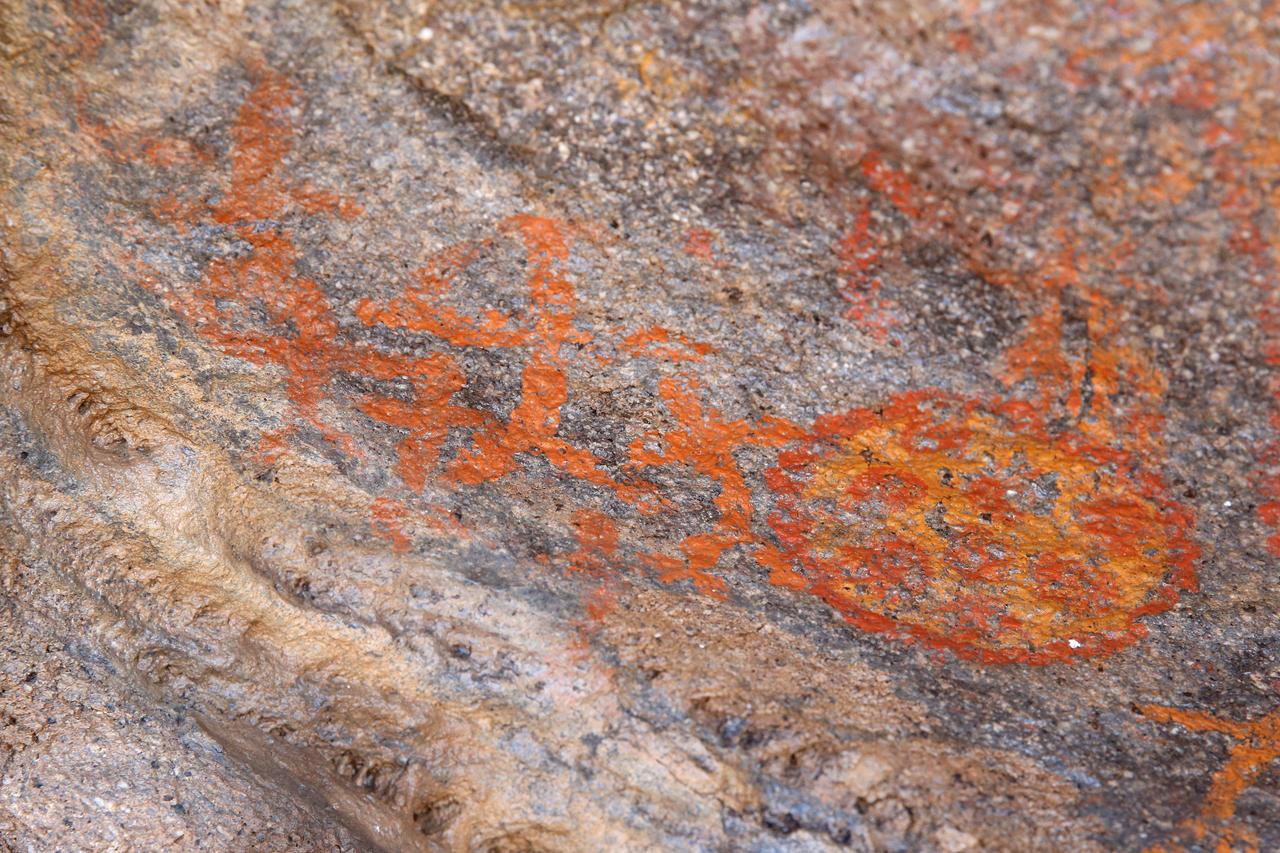
He noted that Catalhoyuk and Latmos have so far come to the fore most strongly in academic work and stressed that the new paintings in Kayseri show close similarities with Latmos in terms of color and style.
According to Ozsoy, the Kayseri paintings are dominated by brown tones, just as in Latmos, and studies on the Latmos rock art have identified figures relating to women, men, families, nature and the surrounding environment.
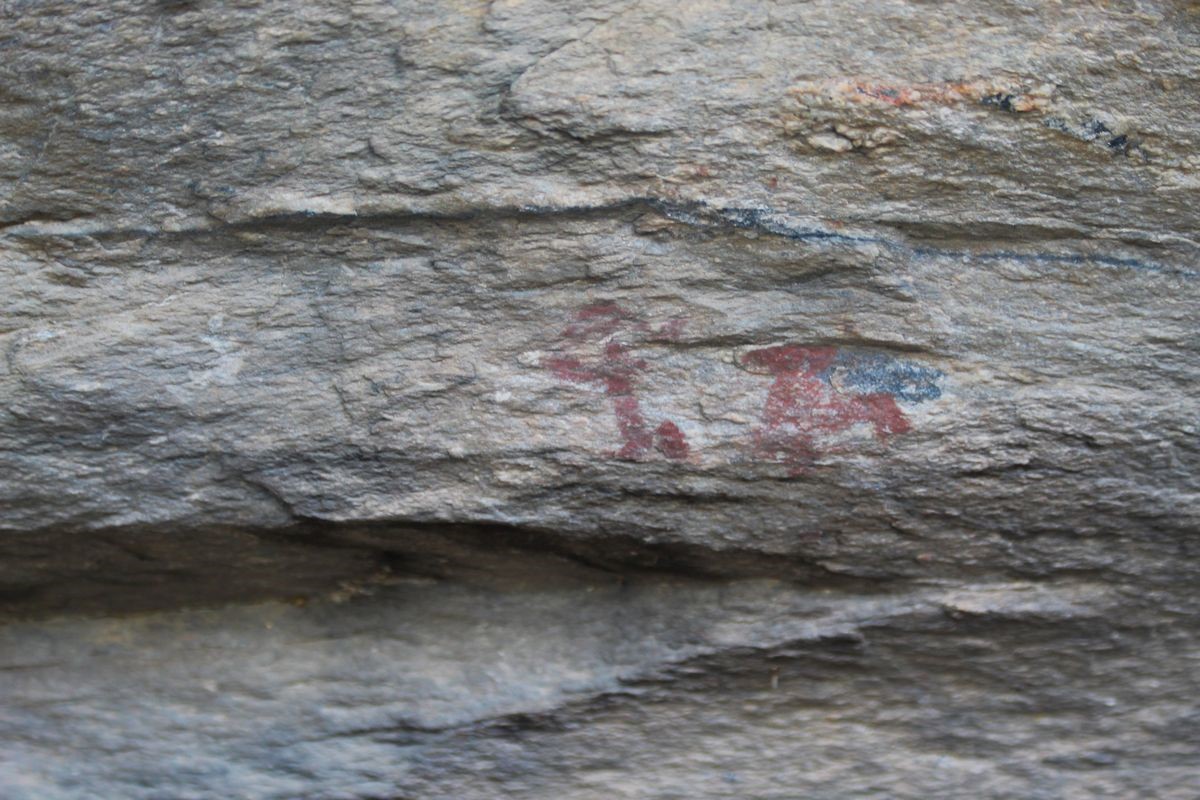
When the Kayseri images are compared with this existing literature, they appear to include both female and male figures, and especially striking are forms that resemble the letter “T”. He underlined that, whether they are interpreted as women, men or family groups, these figures will require extensive future study.
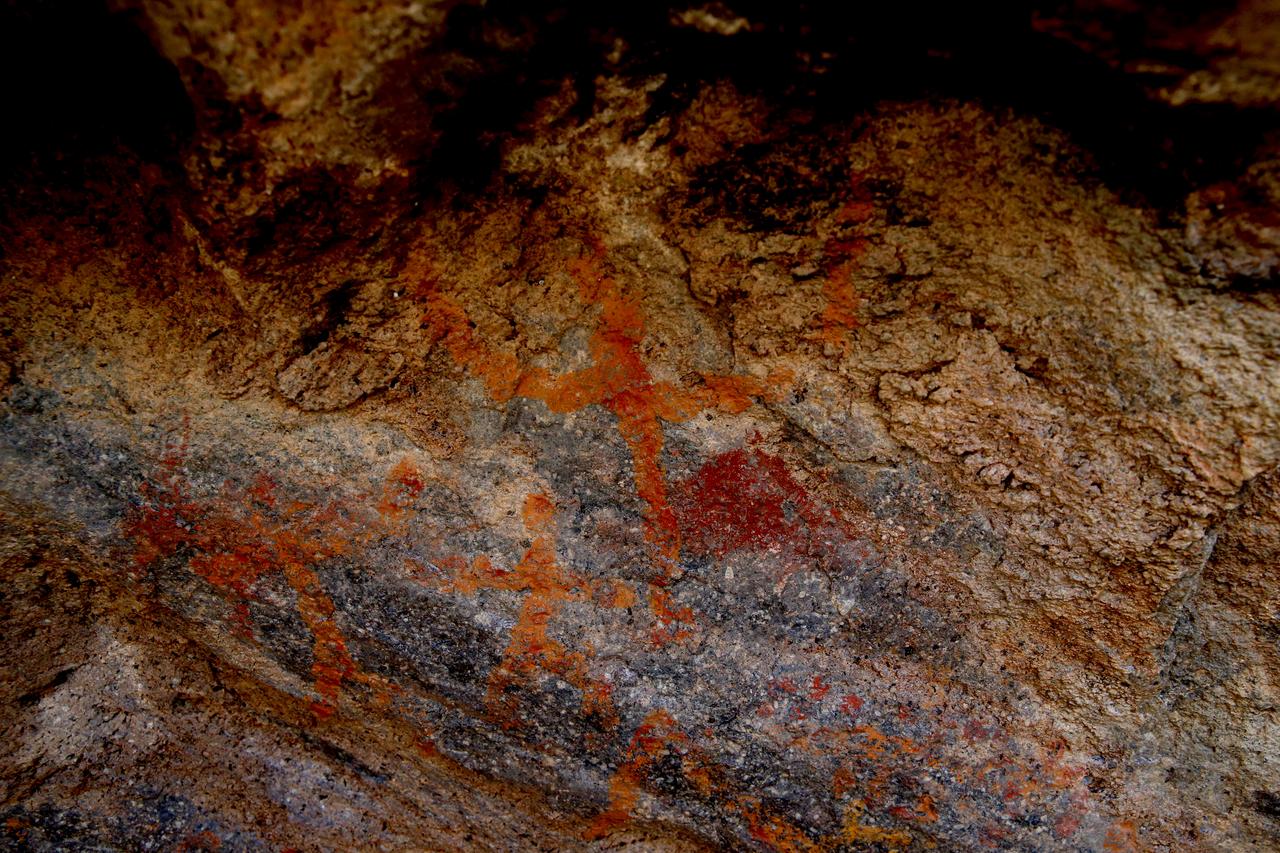
Ozsoy explained that it is still not clear whether the paintings were created by carving into the rock surface or by applying pigment, and he emphasized that detailed scientific work needs to be carried out to clarify this point.
He also drew attention to the need to investigate whether there are other, as yet unnoticed, figures in the surrounding area.
He noted that, in cave and rock paintings identified across Anatolia, researchers frequently encounter the mineral hematite and mixtures of stone and clay used to obtain a type of paint, which is then applied to rock walls to create various figures.
For the newly recorded site in Kayseri, however, he said that these technical aspects remain open questions for now and will only be addressed once more advanced analyses are completed.
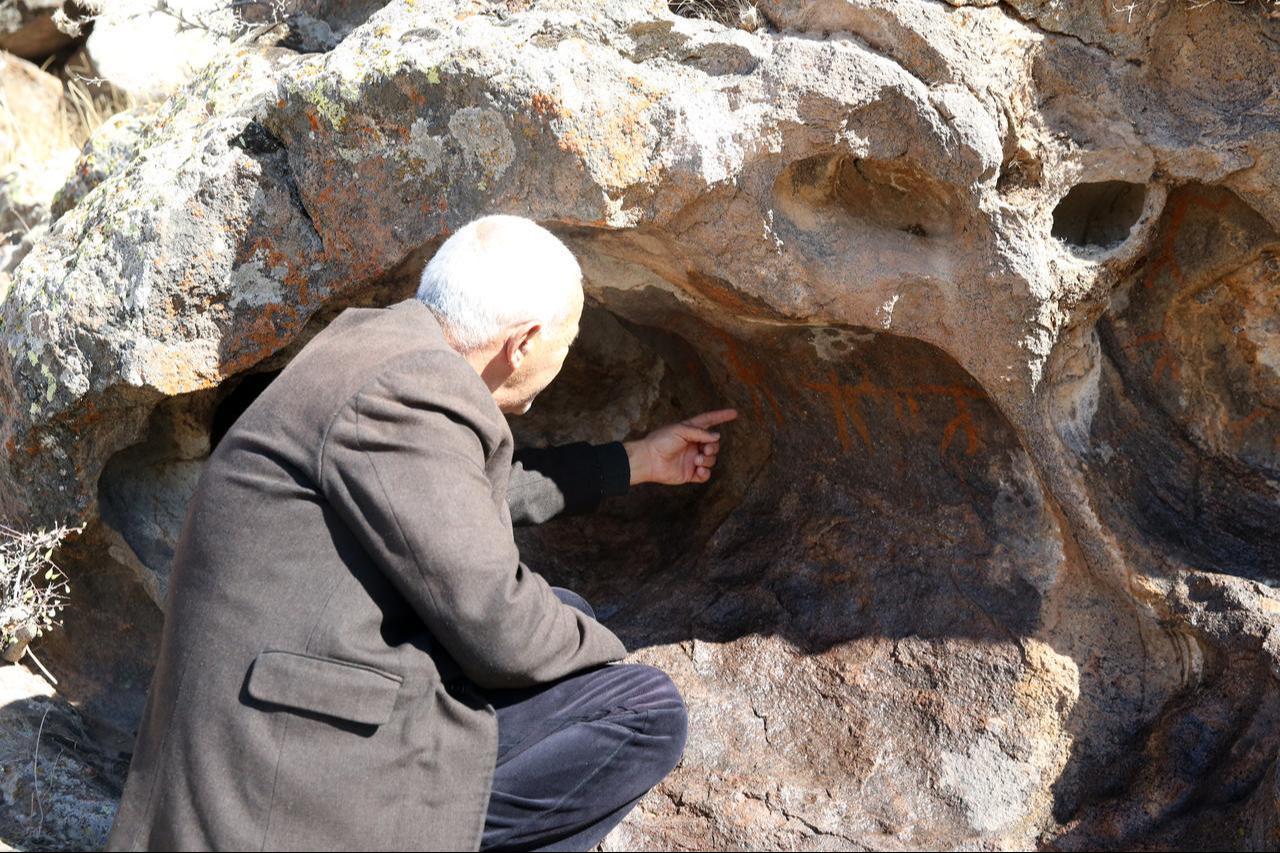
When speaking about dating, Ozsoy said that specialists usually look at several factors together, such as whether the images are painted or carved, what the figures represent, and how they resemble examples from other sites.
On this basis, he expects that experts will be able to work out a prehistoric date for the Kayseri paintings once full reports have been written and more detailed research has started. He suggested that the discovery is likely to resonate on an international level, as rock art of this kind often feeds into broader debates about early human communities.
Ozsoy indicated that, if the paintings are compared with the Latmos rock art, they may turn out to be contemporary with Latmos, and they could also potentially be seen in relation to material from Hakkari or even Gobeklitepe.
He said that he would very much like the Kayseri paintings to be contemporary with Gobeklitepe, but he stressed that it is not yet possible to make a firm statement.
Recalling that the Neolithic Age is generally thought to begin around 10,000 B.C. and to continue until the appearance of writing, he added that, if one places the paintings roughly around 6,000 years before the present, this would not be a misleading estimate.
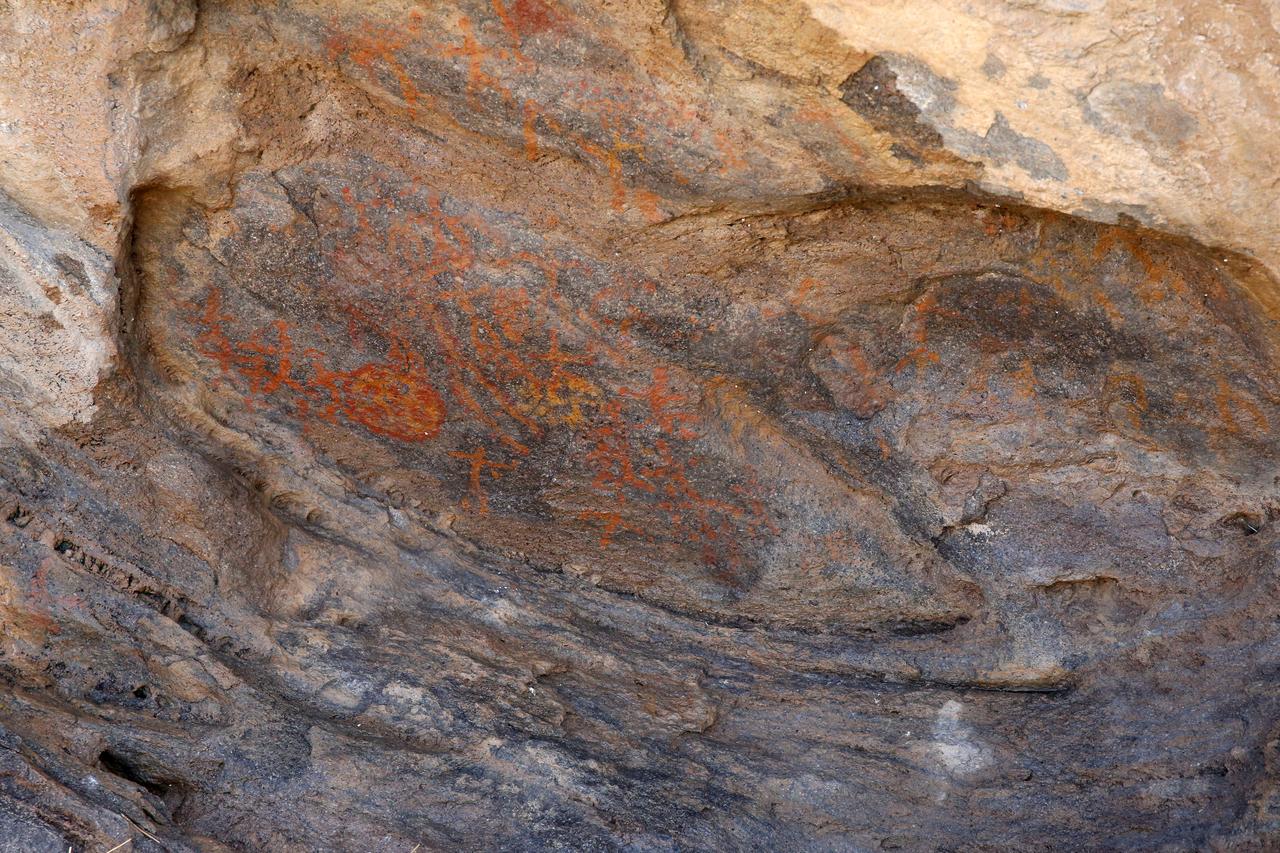
Ozsoy said that the paintings may have been drawn either by a single artist or by members of a family who once lived in the area, although this question also remains open.
He underlined that sensitive and alert citizens play a crucial role in bringing such cultural values to light, and he noted that this discovery only reached the current stage because the individual who noticed the rock figures decided to report them and draw attention to the site.
He stated that similar progress has been achieved in other regions thanks to the attention, foresight and sense of protection shown by local people, and he expressed the view that the same pattern is likely to unfold in Kayseri as work continues.
As a final note, Ozsoy said that they also wonder whether the imposing view of Mount Erciyes, which has influenced civilizations such as the Seljuk, Ottoman and Roman, may in some way have been reflected on the rock surface through these newly found paintings.


 Set as preferred source
 Set as preferred source


 1 min read
 1 min read