Newsletters


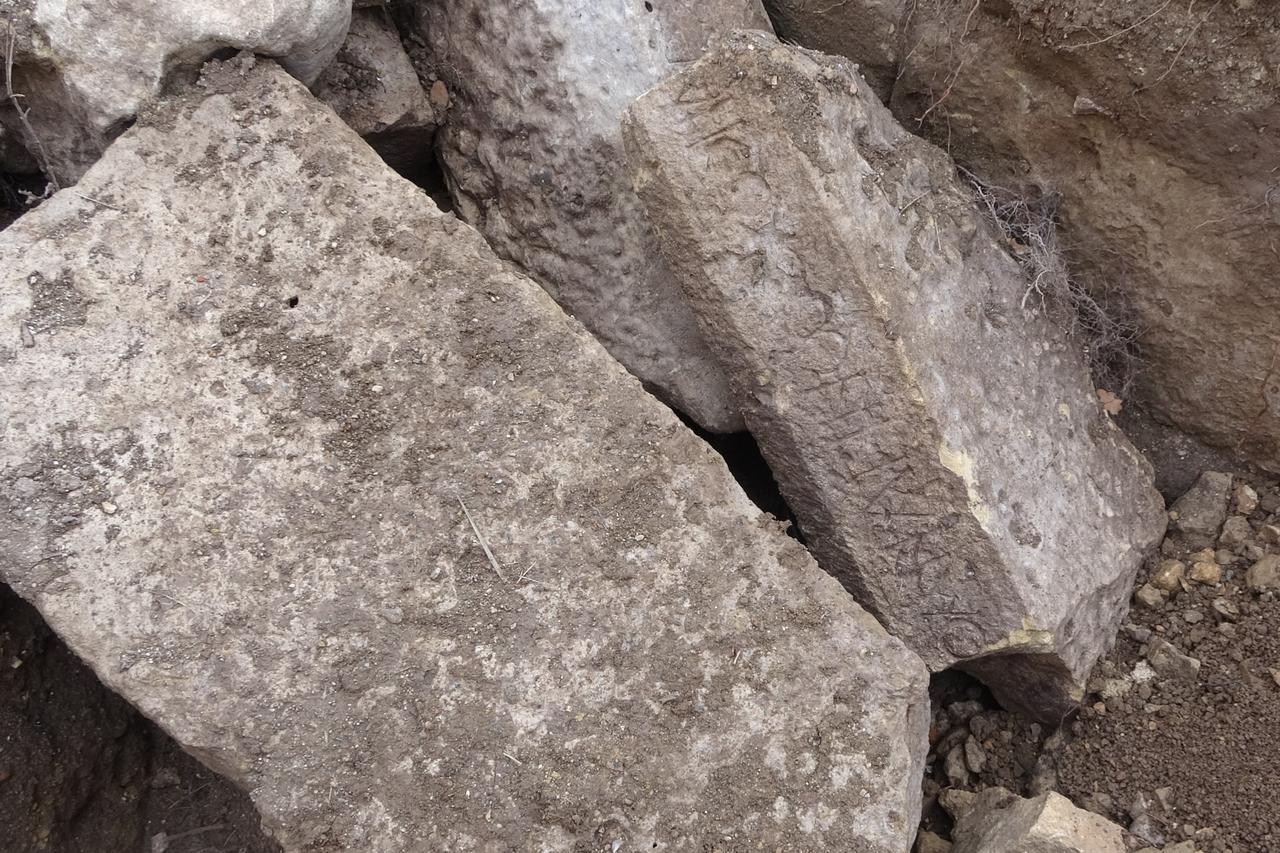


A protected archaeological area in Kastamonu province in northern Türkiye is being damaged by illegal treasure hunting, even though the site was officially designated in 2014 for its suspected Roman-era remains.
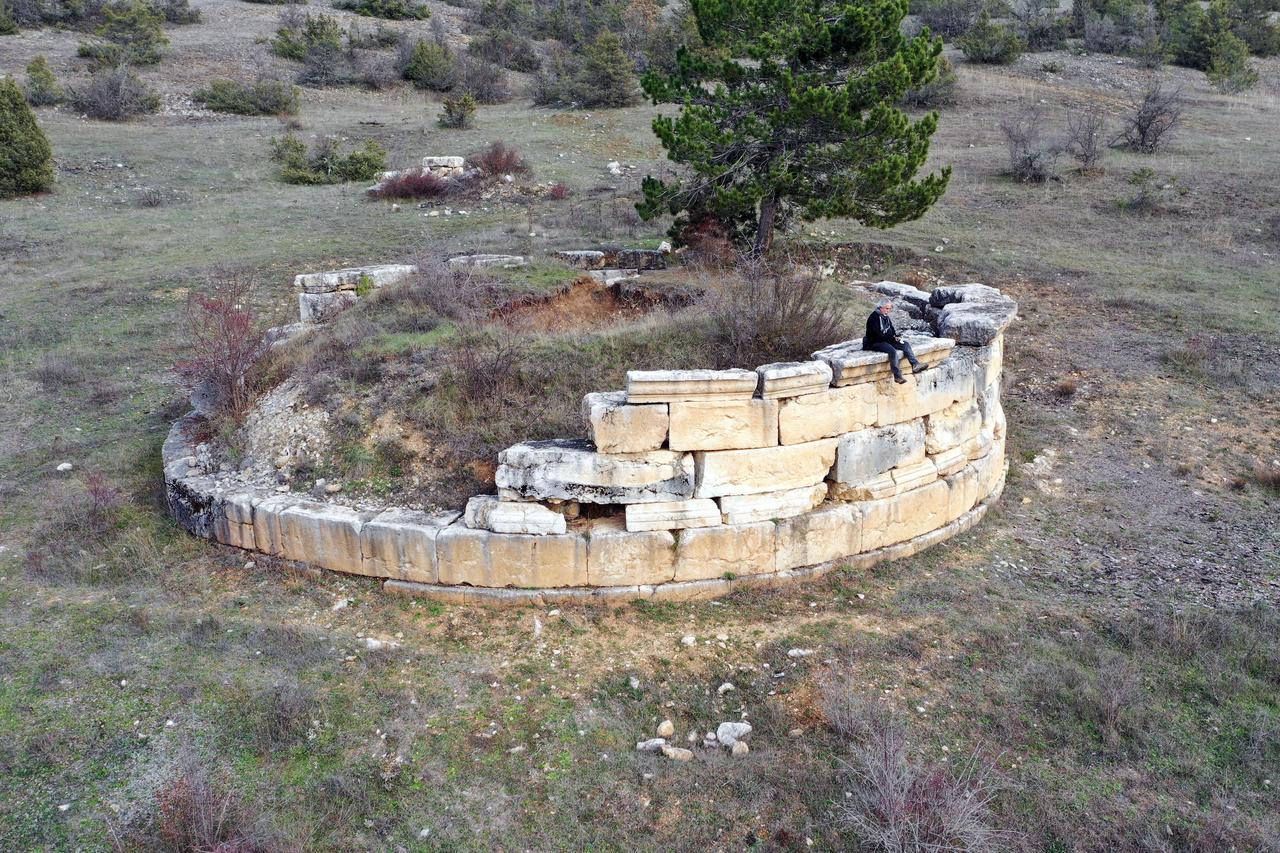
The area lies in the Kadimi locality of Yukari Guney village in Arac district. According to the information provided, the Ankara Regional Board for the Protection of Cultural Assets declared it an archaeological protected zone on July 24, 2014. However, no formal excavation work has yet begun there, and local residents now want the buried remains to be properly brought to light before further damage is done.
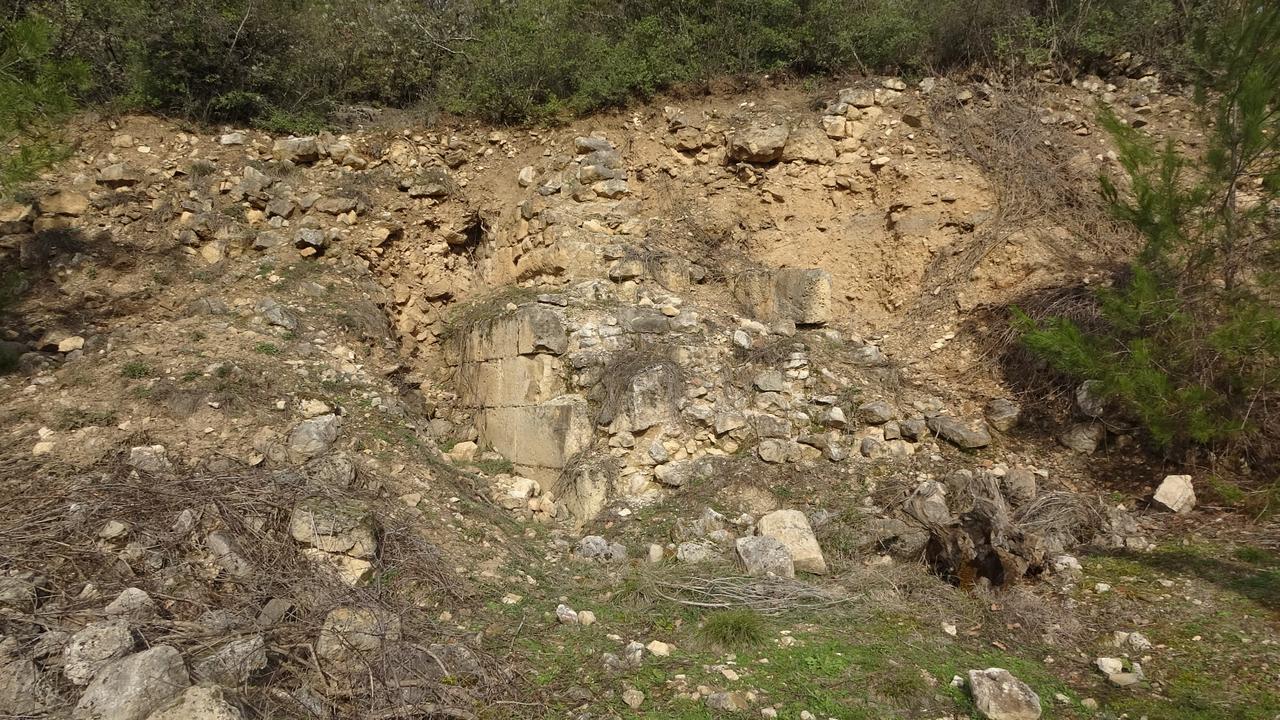

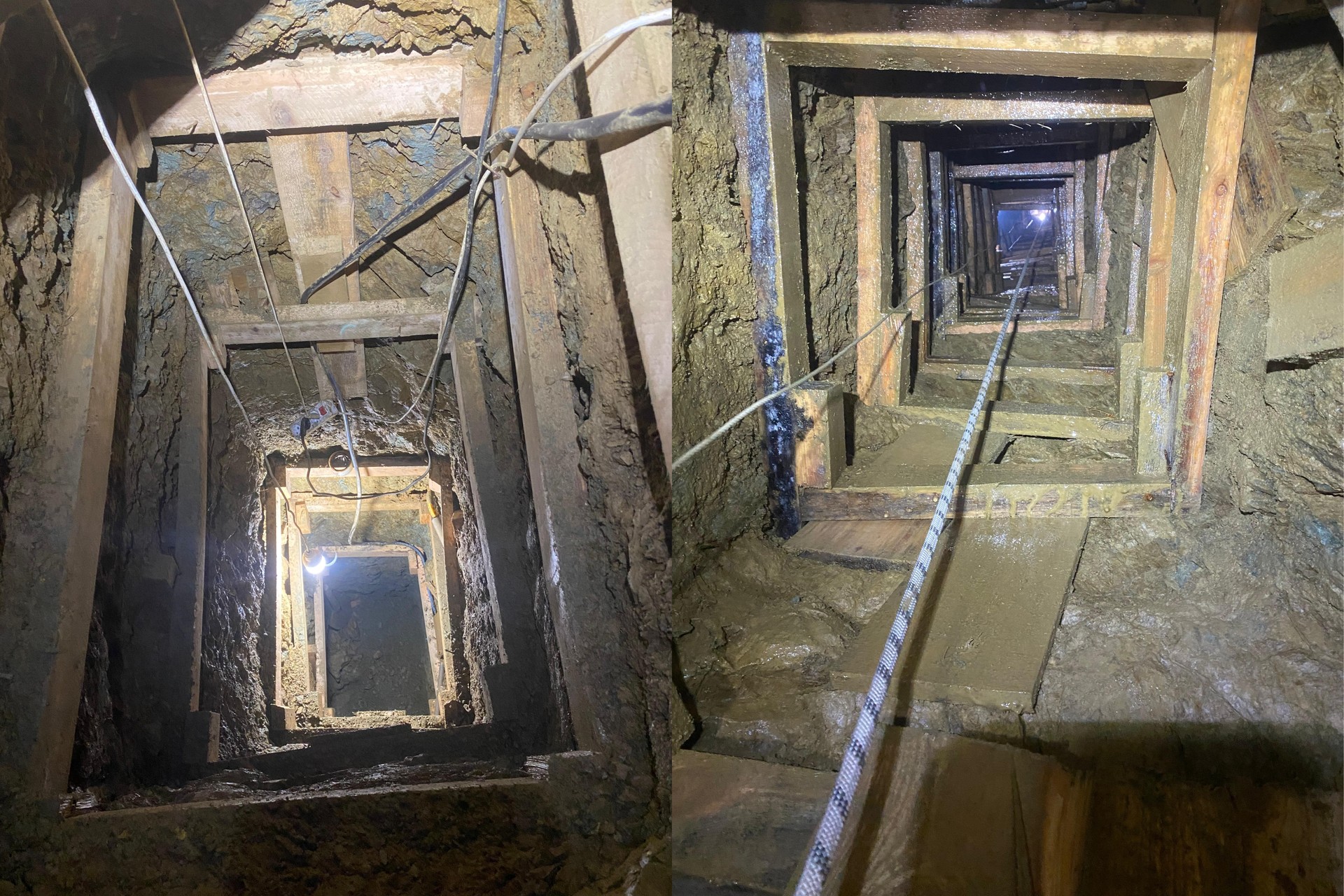
The damage appears to have spread across multiple parts of the site, where illegal pits and trenches have reportedly been opened by treasure hunters. The area is thought to contain remains from the Roman period, although the material has not yet been fully studied through official excavation.
Hikmet Haberal, a lecturer at Kastamonu University’s Arac Rafet Vergili Vocational School, visited the area together with teams from the Kastamonu Directorate of Nature Conservation and National Parks and local residents. He said he had first come to the site in December 2022 and had then called on the relevant institutions to step in and protect it. Since then, he said, no meaningful progress has been made.
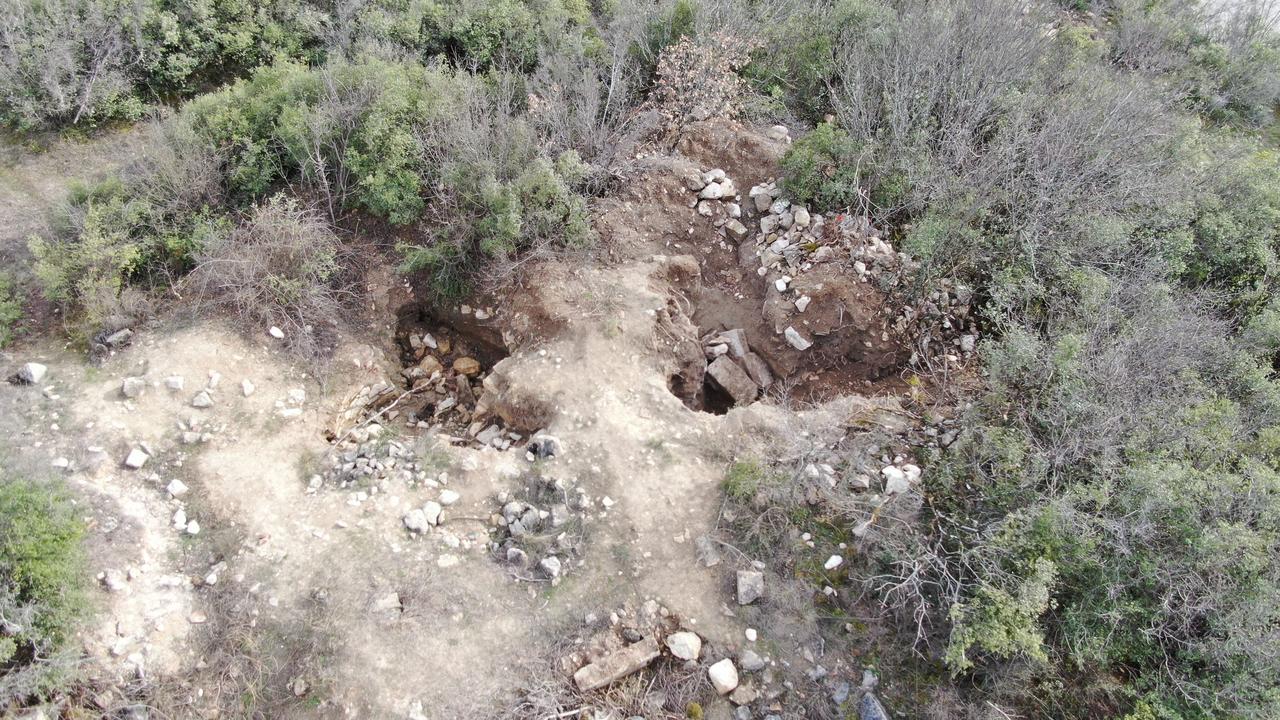
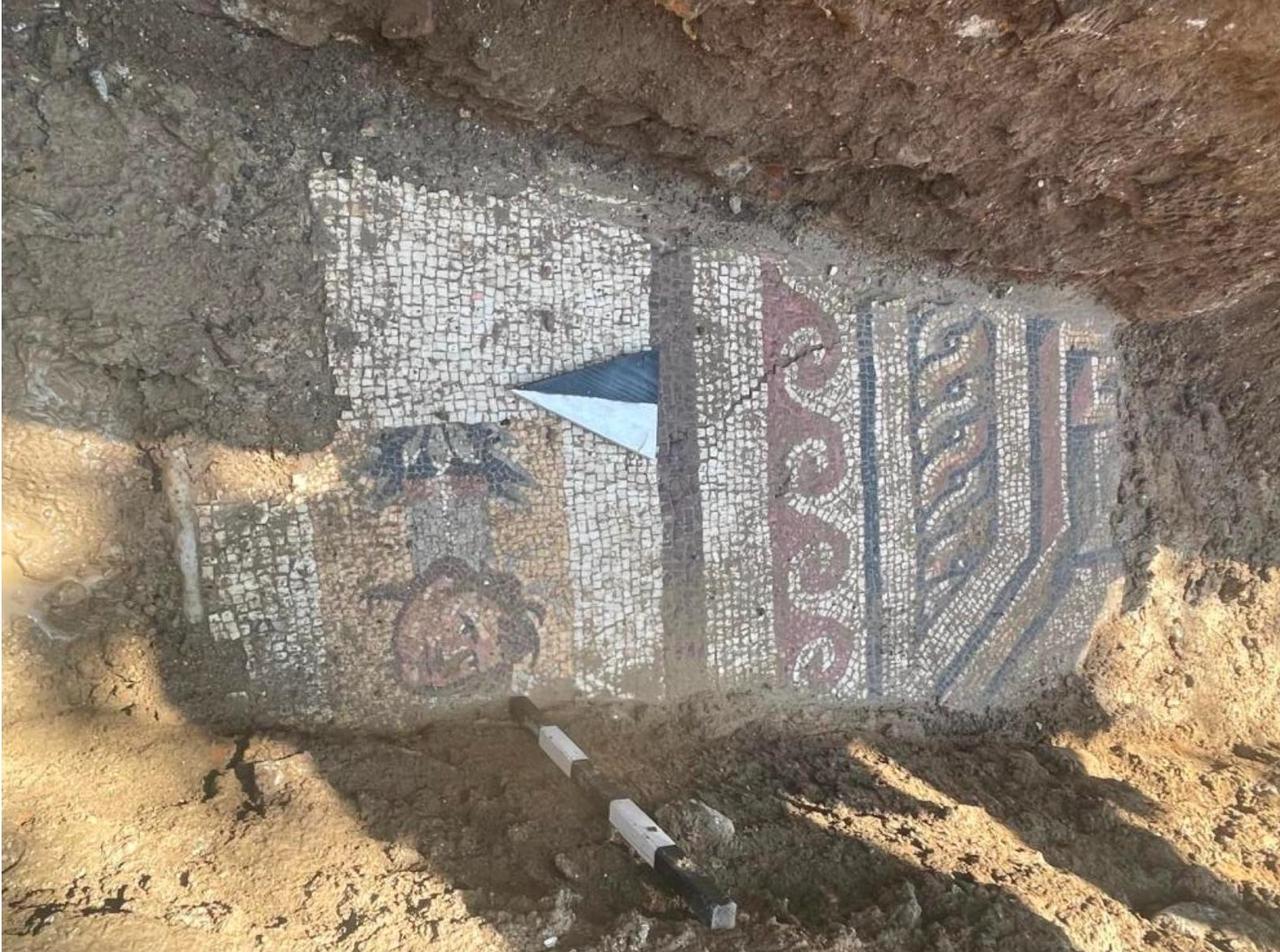
Haberal said the site looked far more heavily damaged than during his earlier visit. He pointed to visible column fragments, mosaic remains, partitioned spaces and structural traces in the area. He also said some large columns and other structures along the route bore cross symbols, while other exposed stones appeared to carry inscriptions.
Although he said he was neither an archaeologist nor an art historian, Haberal stressed that specialists and public institutions needed to take over. He suggested the illegal diggers had cut through the ground so extensively that the site now resembled a tunnel network.
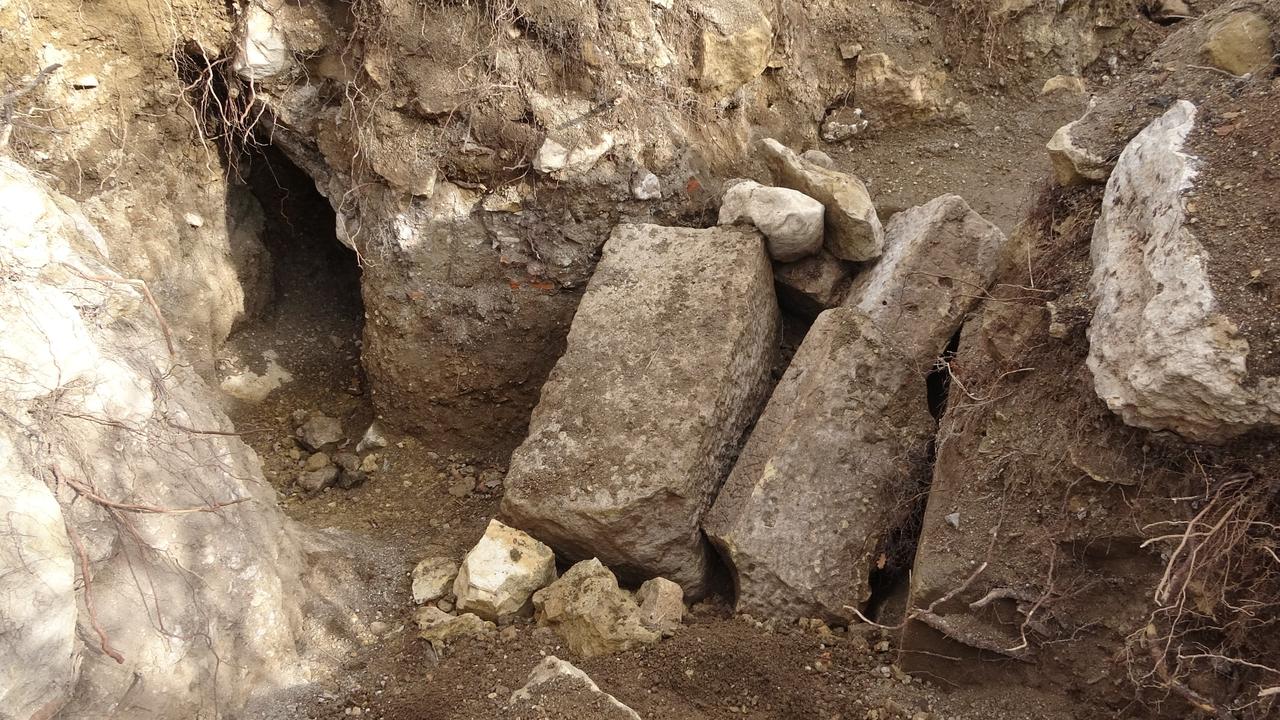
Haberal also said the area no longer looked like a protected zone but rather a looted one, adding that almost every part they passed through had been dug up. He said some of the pits appeared freshly opened, with even footprints still visible, and that trees had been cut down to facilitate digging.
He further said the site, believed to have a history of around 2,000 years, should be secured and opened up through proper excavation so that it can be documented and preserved. Residents in the area are likewise calling for the remains to be uncovered in an orderly way, instead of being left exposed to repeated illegal digging.


 Set as preferred source
 Set as preferred source


 1 min read
 1 min read