

 Newsletters


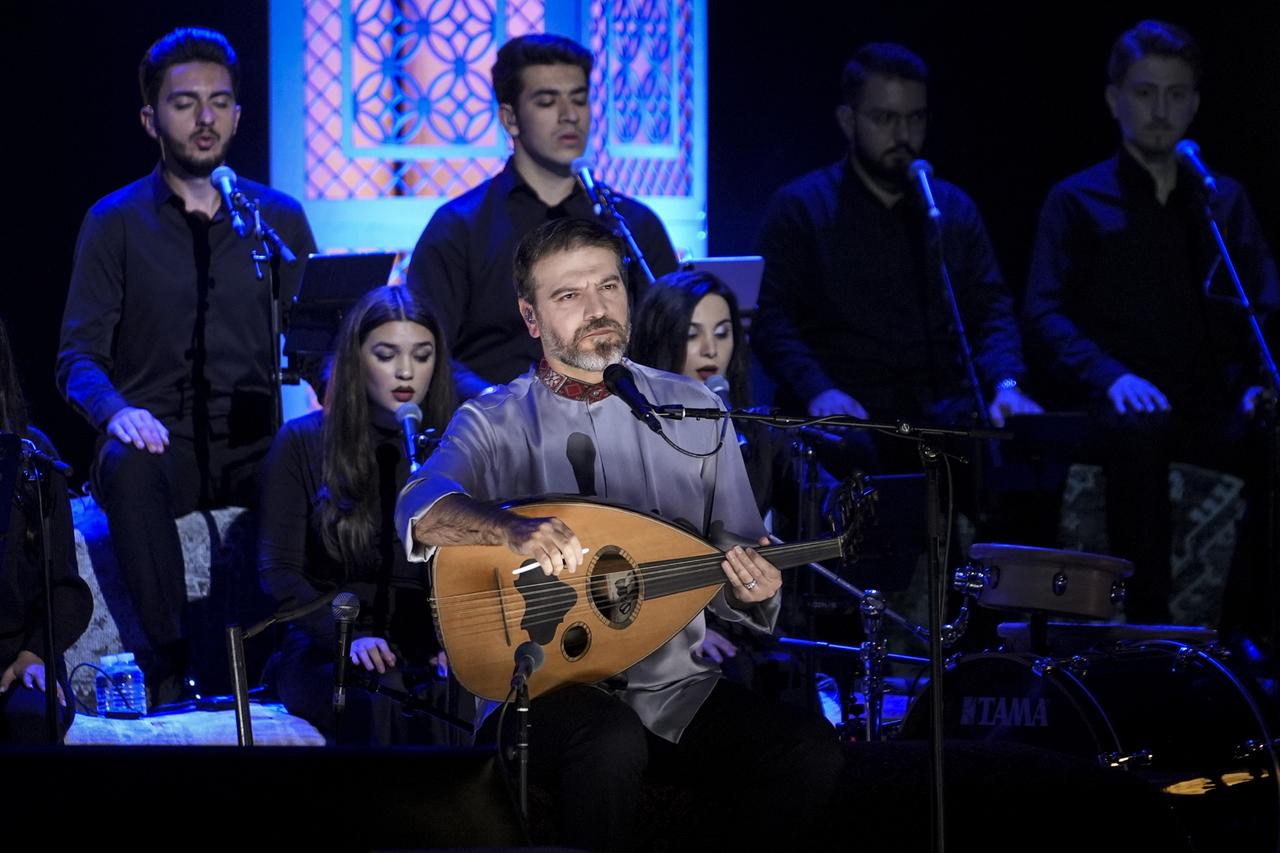


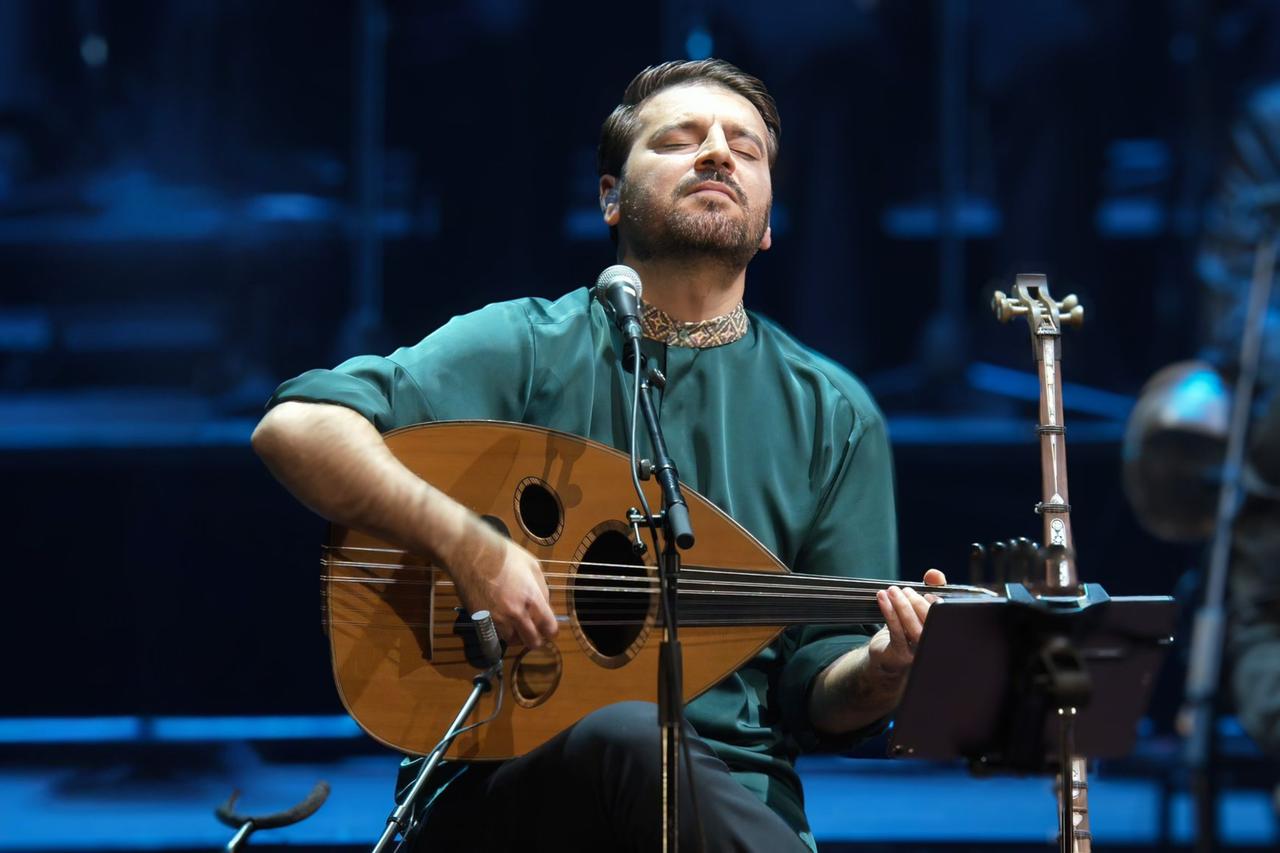
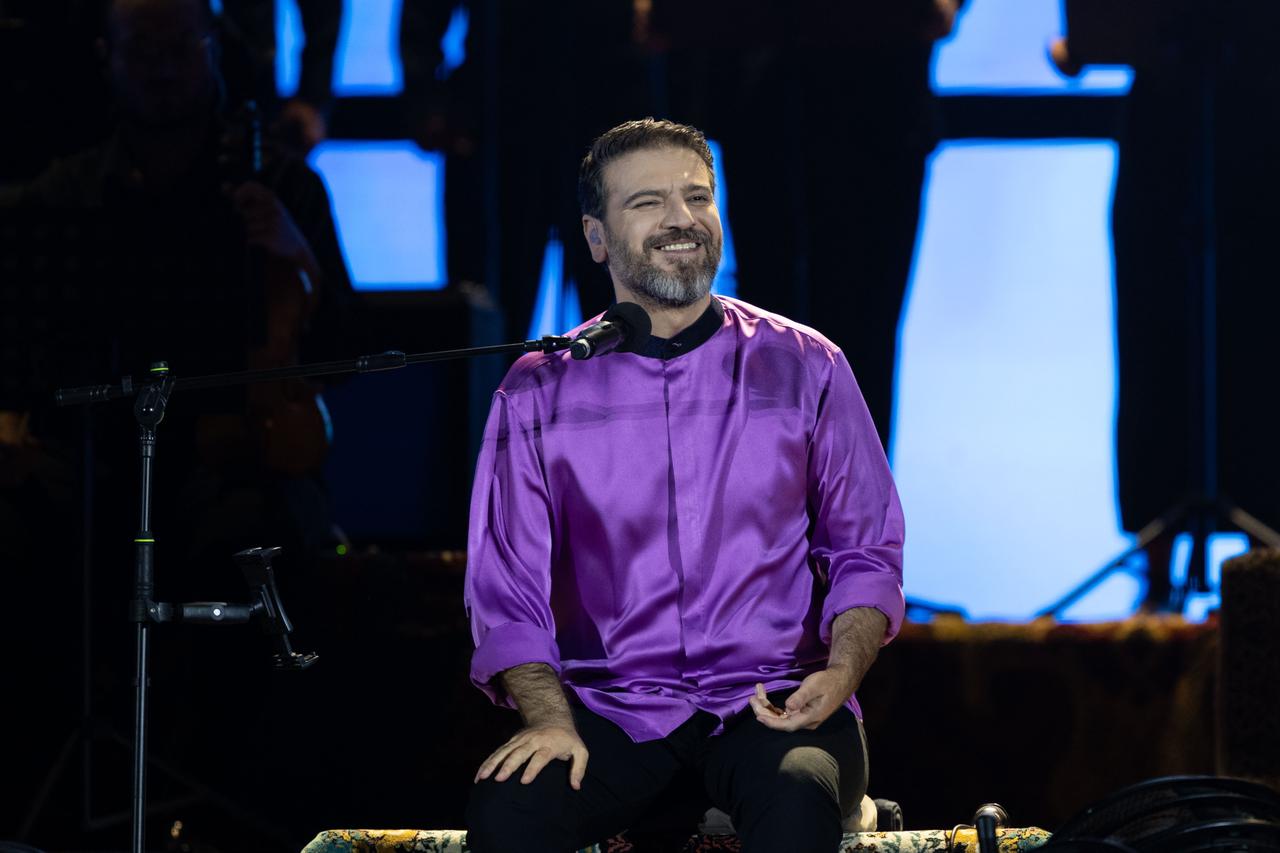
Renowned British-Azerbaijani singer and composer Sami Yusuf brought his "Roots" concert program to Istanbul, taking the audience through musical traditions spanning different centuries and cultures before dedicating "We Love Life" to Palestinians.
Yusuf performed at the Harbiye Auditorium of the Istanbul Congress Center (ICC) on Sunday, Sept. 27, after opening the Türkiye leg of the tour with two concerts at Ankara's ATO Congresium on Sept. 23 and 24.
Opening the Istanbul concert with "Karitas," Yusuf told the audience that the city had played a significant role in his musical and professional life from the beginning of his career.
"To be in Istanbul is such an honor. This city is not just a stop on a journey for me; my musical and professional life has been connected to it from the very beginning. Standing before you here tonight means far more than words can express," he said.
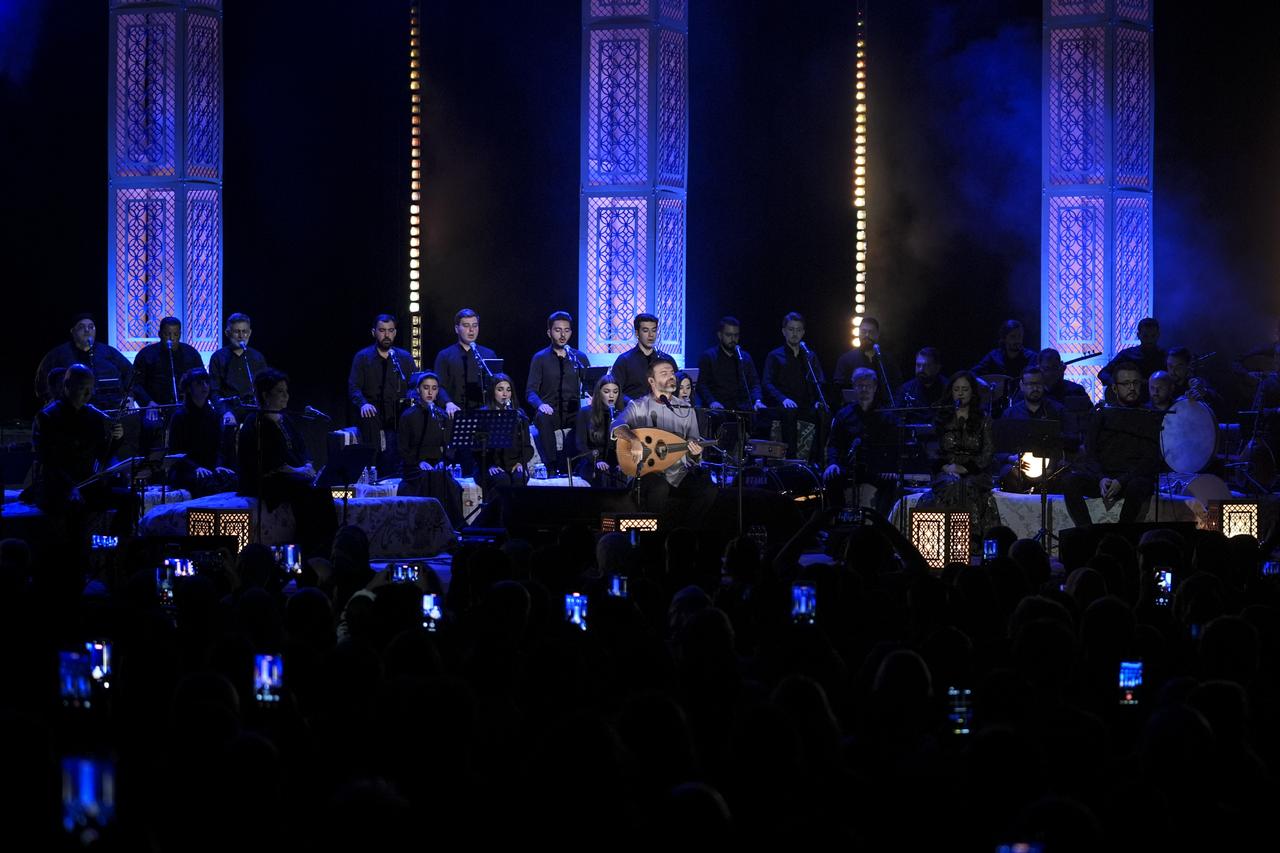

Explaining the background to "Karitas," Yusuf said its Turkish verses came from poet and Sufi mystic Fuzuli, while its Latin passages were drawn from the writings of 12th-century mystic and saint Hildegard of Bingen. The Arabic sections, meanwhile, came from 13th-century Andalusian poet and mystic Abu al-Hasan al-Shushtari.
Although separated by centuries and continents, Yusuf said the three figures had expressed the same language of love and truth.
He described the "Roots" concept as an attempt to reconnect with a traditional world centered on the sacred and on remembrance, or dhikr, a term referring to devotional remembrance in Islamic spiritual practice.
For Yusuf, tradition did not simply mean something old but something timeless, with each work in the concert selected to lead audiences back toward what he described as a deeper and more sincere connection with the cultures represented on stage.
"This evening is more of a journey than a performance," he said.
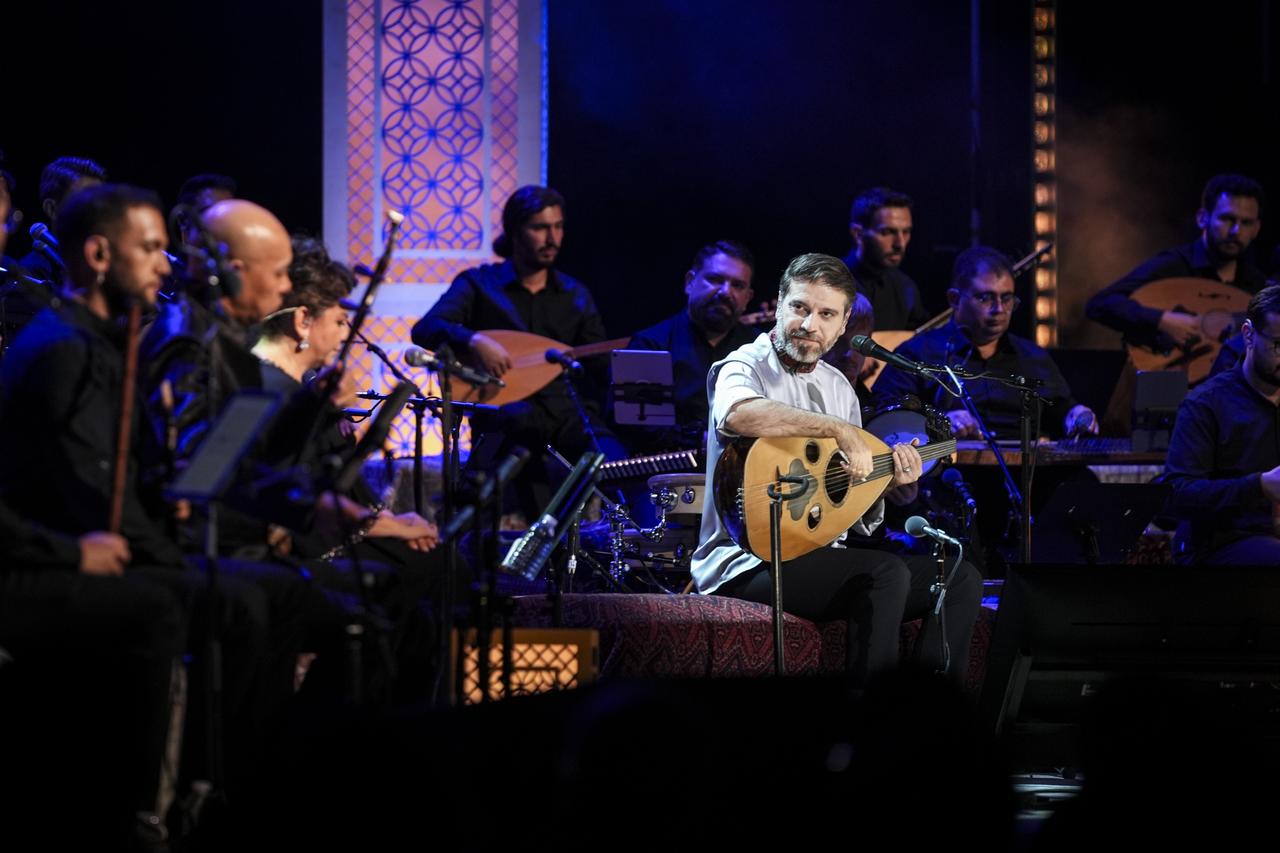
Yusuf performed alongside the Fons Sophiae Collective, the world music ensemble he founded, bringing together musicians from Spain, the United Kingdom, Mexico, China, Morocco, Germany, Azerbaijan and Türkiye.
Among those taking part were Chinese erhu master Guo Gan, with the erhu being a traditional two-stringed bowed instrument, as well as Cigdem Gursal and Ibrahim Suat Erbay from Türkiye and Nabyla Maan and Smail Boujia from Morocco.
Before performing "We Love Life," Yusuf turned to Palestine and expressed hope for an end to what he described as the genocide being carried out against Palestinians.
He said the song drew on words by Palestinian national poet Mahmoud Darwish and dedicated the performance to those who had lost their lives and those continuing to endure the conflict.
"As a composer, music is the only way I know how to respond. The words belong to Palestine's national poet Mahmoud Darwish: 'We love life whenever we can.' How timeless these words are, and how true for a people who, despite everything they are going through, have never stopped loving. This work is dedicated to the victims of the Palestinian genocide, to every life taken away and every life that continues to resist," Yusuf said.
The concert ran for around two hours, with Yusuf and the Fons Sophiae Collective performing pieces including "En Al Andalus," "Barakah," "The Fire Within," "Hasbi Rabbi," "Ilahana," "The Cup of Love," "We Love Life," "Ecstasy," "Zahit Bizi Tan Eyleme" and "Nasimi."
Yusuf is set to return to the Istanbul Congress Center stage on Sept. 28 at 9:00 p.m. for another performance organized by 3Z Organization and WOVO.


 Set as preferred source
 Set as preferred source


 1 min read
 1 min read


