Sign in
 Newsletters


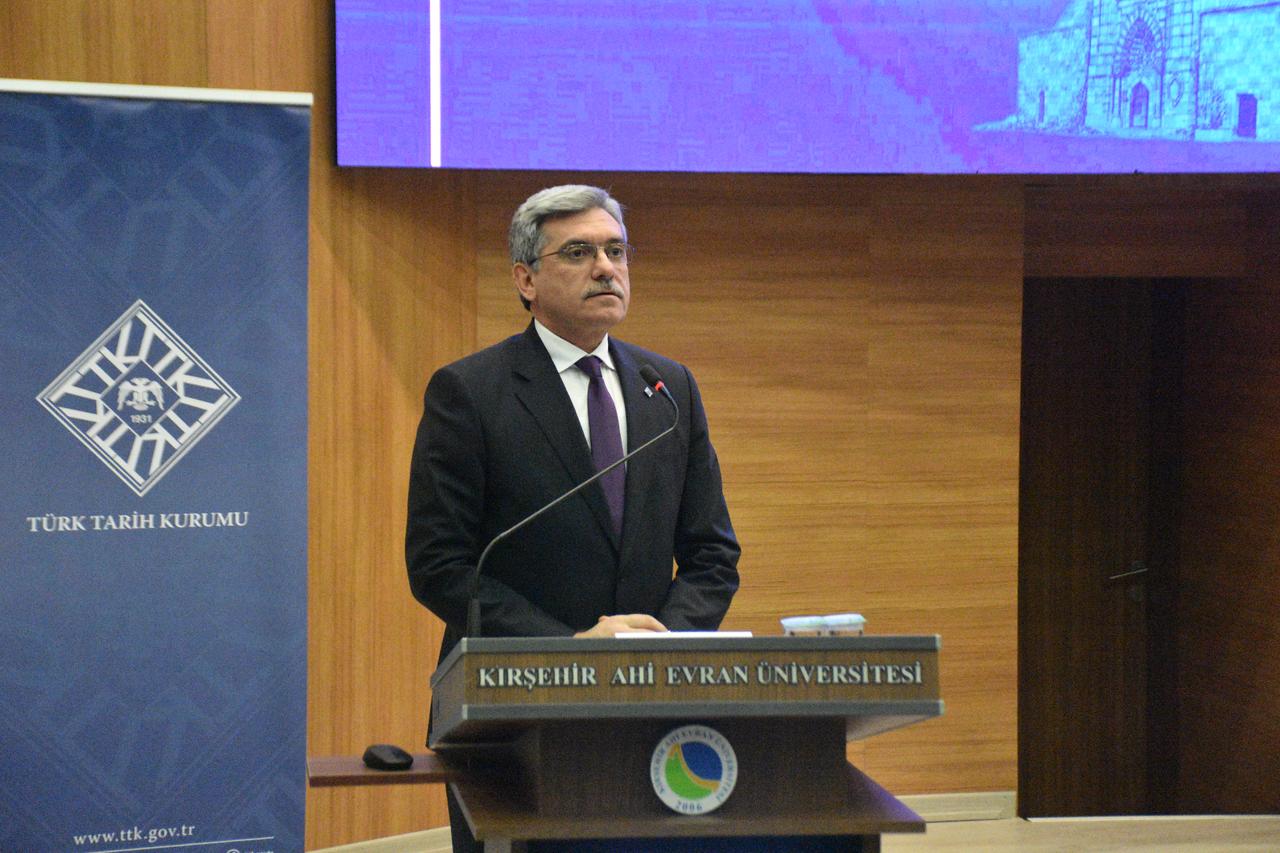


The central Anatolian city of Kirsehir needs a single, comprehensive scholarly work that brings together its roughly 5,000 years of history and cultural heritage to help guide its future, the head of Türkiye's top state-run history institution said Thursday.
Addressing an international symposium on the city's history from antiquity to the modern era at Kirsehir Ahi Evran University, Turkish Historical Society President Prof. Haluk Selvi noted that despite numerous existing theses and studies, particularly on the medieval Ahi brotherhood and its figurehead, Ahi Evran, no unified academic volume covers the city's entire past.
"All of these are very valuable, but it seems we also need a body of work that shows the city's cultural wholeness and can serve as a guide," Selvi told attendees, arguing that without a written record of their history and culture, cities struggle to build a shared future or a lively, productive and happy urban community.
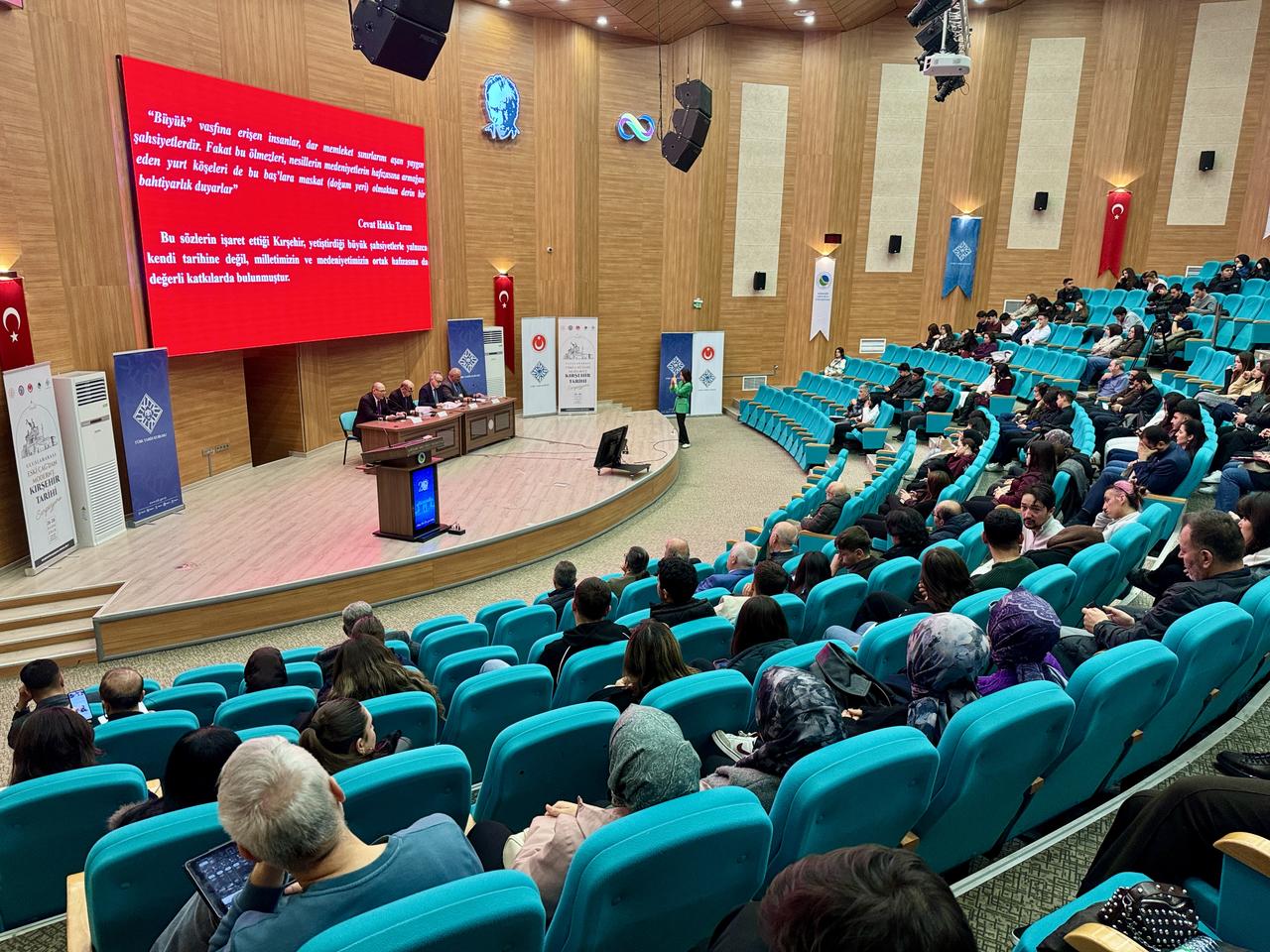

Symposiums, Selvi noted, help turn a city's history into written sources. He recalled that the society has organized a symposium series on the history of the western city of Kocaeli since 2014, and voiced confidence that the Kirsehir gathering would illuminate the city's past and help steer its future.
The two-day event brings together historians and social scientists, who will examine the city's past through archaeological finds, archival documents and oral testimony.
Murat Sefa Demiryurek, the outgoing Kirsehir governor, who has been appointed governor of the southeastern province of Sirnak, also spoke at the event. He described Kirsehir as one of the "seed cities" of Turkish culture and civilization.
"We did not come from Central Asia to Anatolia only with our swords, shields and arrows," Demiryurek said. "We came with our proverbs, our folk songs and our epics. We came with an entire culture."
The university's rector, Prof. Mustafa Kasim Karahocagil, said the city, in the heart of Anatolia, has been continuously settled since the Chalcolithic period, or Copper Age, thanks to its fertile land and nearby water sources. He called it a meeting point of different civilizations.


 Set as preferred source
 Set as preferred source


 1 min read