Sign in
 Newsletters


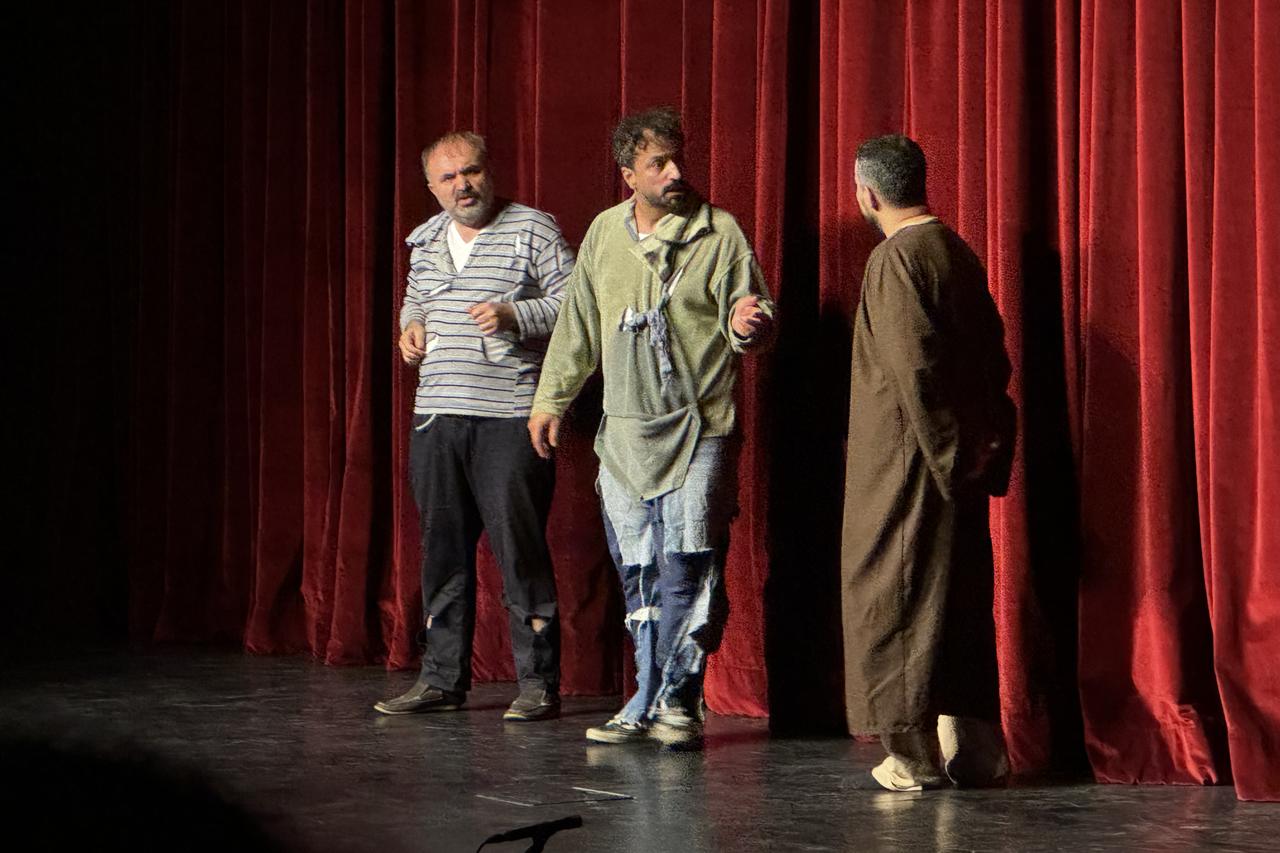


A Turkish stage production about prayer has reached its 616th performance in Istanbul, 13 years after it began, with its director saying it keeps drawing audiences by moving between laughter and tears.
"Ziyafet Sofrasi," or "Banquet Table," is staged by the theater company Tiyatro Kulliyen. The play follows two people whose paths lead them to a Sufi lodge in Istanbul’s Uskudar district, and how they change as a result. It uses humor to explore social prejudice, human relationships and spiritual values.
Director Osman Dogan said before the latest performance that the project began when he read the book it is based on, Osman Nuri Topbas’s "Hudayi Ziyafet Sofrasi." He said he wanted to bring it to the stage, and the company obtained permission for an adaptation by Ayse Sahinboy.
After several years of early trials, the production settled into its current form in 2014. It has since traveled widely.
"The play has been performed all over Türkiye and the world, from Chicago to Malatya, from Cukurca to Oslo, and it is still being watched," Dogan said.
He noted that plays are usually dropped from a theater’s repertoire after a limited run, while this one has continued for years.
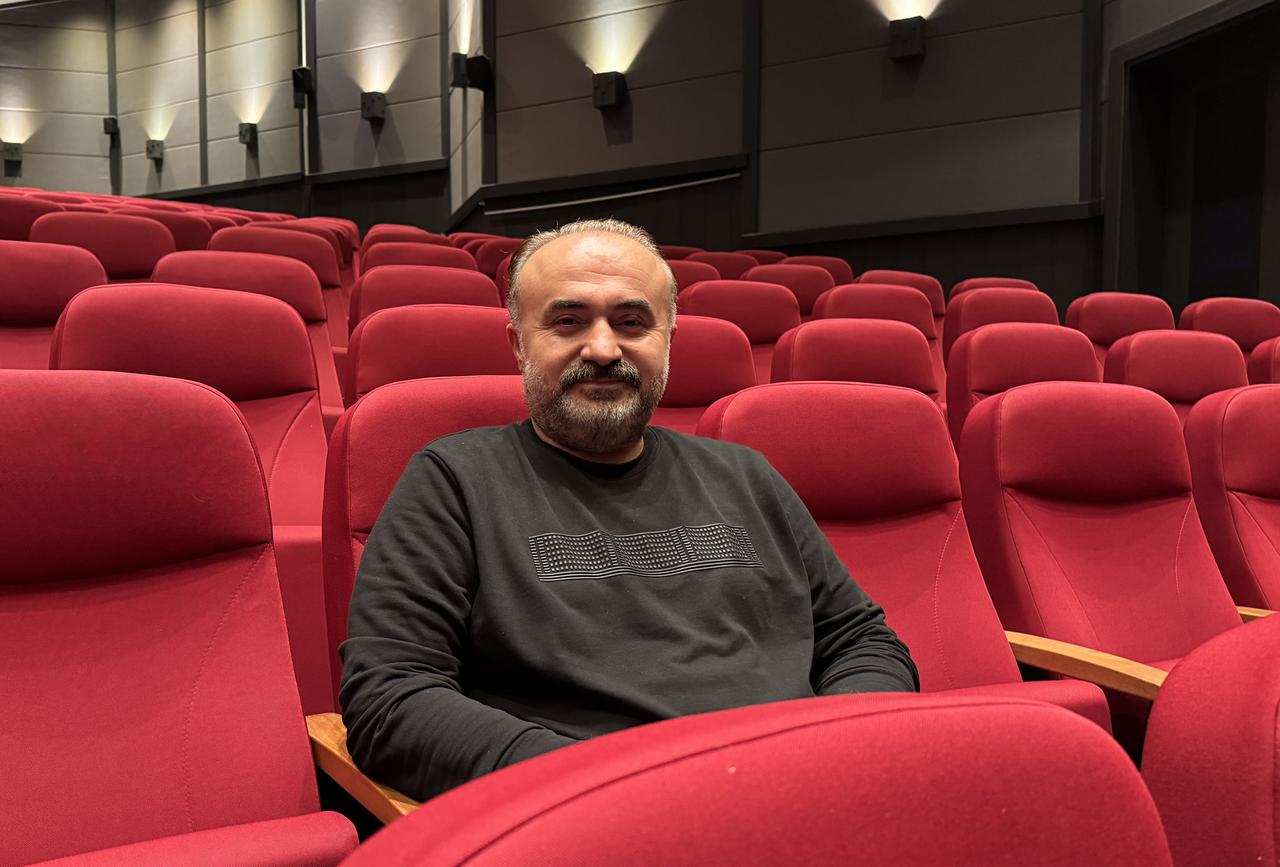

The play centers on the daily Muslim prayer, a serious subject, Dogan said. The company tries to handle it through humor while keeping to the rules of theater.
"The subject we are talking about is very serious," he said. "Sometimes we touch the heart, and at the same time we want to make people laugh. The play goes on with comedy when you least expect it, and with laughter at the very moment you can’t hold back tears."
 1 min read
He said the balance is demanding, but that the challenge adds to the satisfaction of success. The company tries to give audiences breaks with humor or action, he said, but must stay faithful to what he called "the mathematics of theater."
Dogan said the company has changed the length of its plays over time.
It once staged two-act productions running more than two hours. Now it aims for a single act of about 70 to 75 minutes, which he attributed to the effects of digital media on audiences’ attention.
"In a period when digitalization is accelerating, we are trying to produce plays suited to the norms of this era so we do not lose the audience," he said.
He also cited the Turkish poet and playwright Necip Fazil Kisakurek, who held that theater is played for a single moment.
Dogan said that in Shakespeare’s "Romeo and Juliet," an entire play builds toward a brief exchange between the lovers about how late the hour has grown. He said "Ziyafet Sofrasi" tries to draw the audience into such a moment and deliver its message when attention is at its highest.


 Set as preferred source
 Set as preferred source


 1 min read