Newsletters


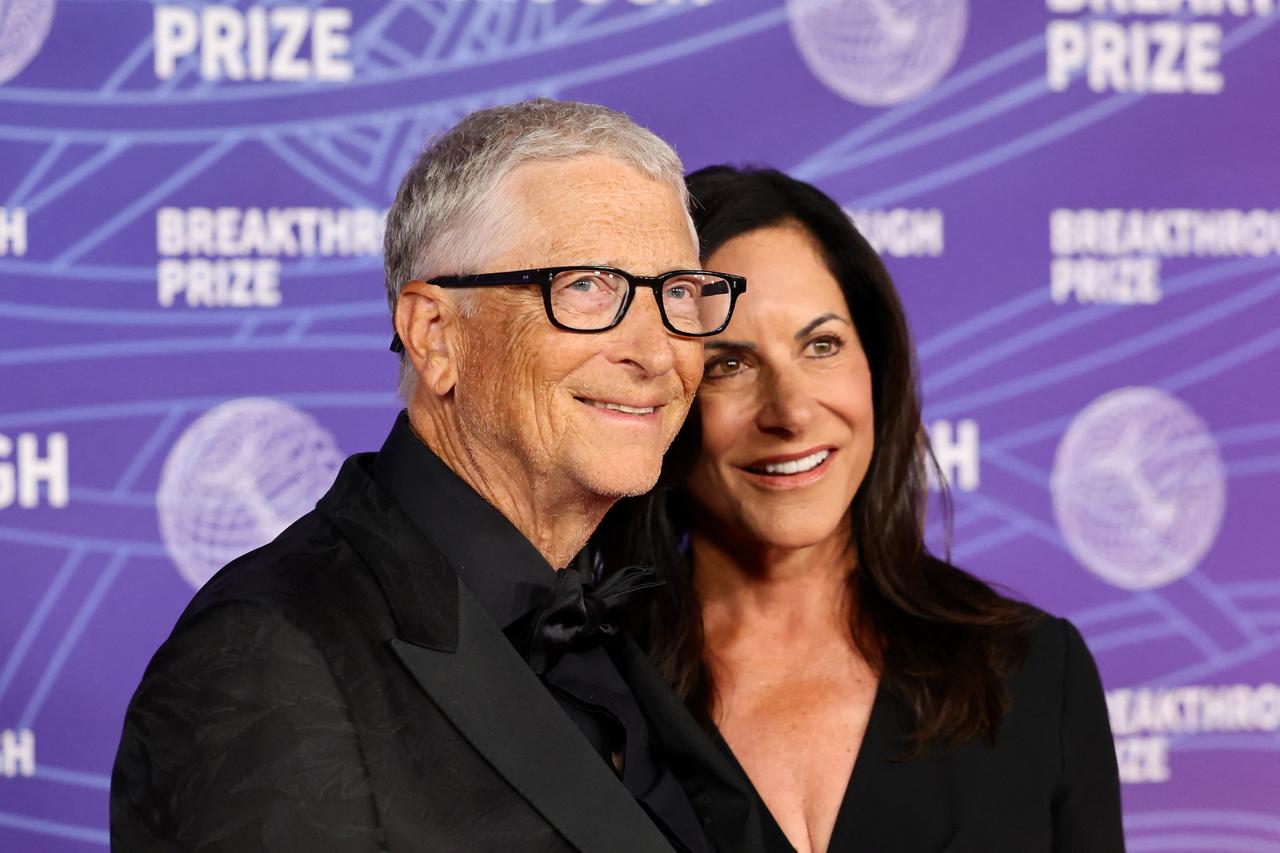


The 2026 Breakthrough Prizes, widely known as the “Oscars of Science,” brought together prominent figures from science, technology, entertainment, and sports on Saturday evening to celebrate major achievements in fundamental research.
The annual awards recognize outstanding contributions in three categories: Life Sciences, Fundamental Physics, and Mathematics. This year, six prizes of $3 million each were awarded to researchers whose work has significantly advanced global scientific understanding.
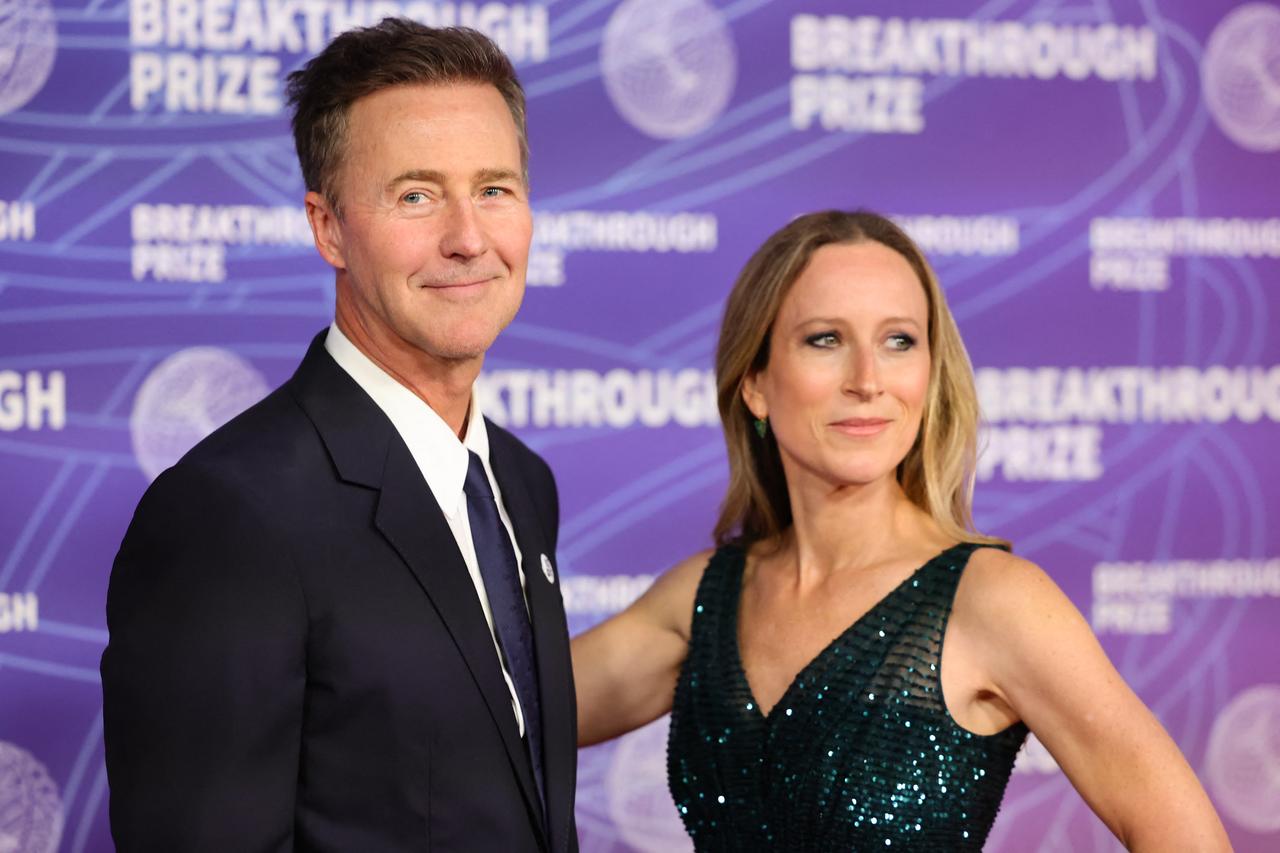

The ceremony, held in Santa Monica, attracted a notable guest list that included actor Edward Norton, rock climber Alex Honnold, OpenAI chief executive Sam Altman, as well as Hollywood figures such as Anne Hathaway, Robert Downey Jr., Jessica Chastain, Gal Gadot, Gigi Hadid, Naomi Watts, Lily Collins, and others. Public figures, including Bill Gates, also attended.
Speaking at the event, Edward Norton emphasized the importance of recognizing scientific achievement and its broader societal contributions. He also criticized what he described as an increasingly challenging environment for scientific funding in the United States.
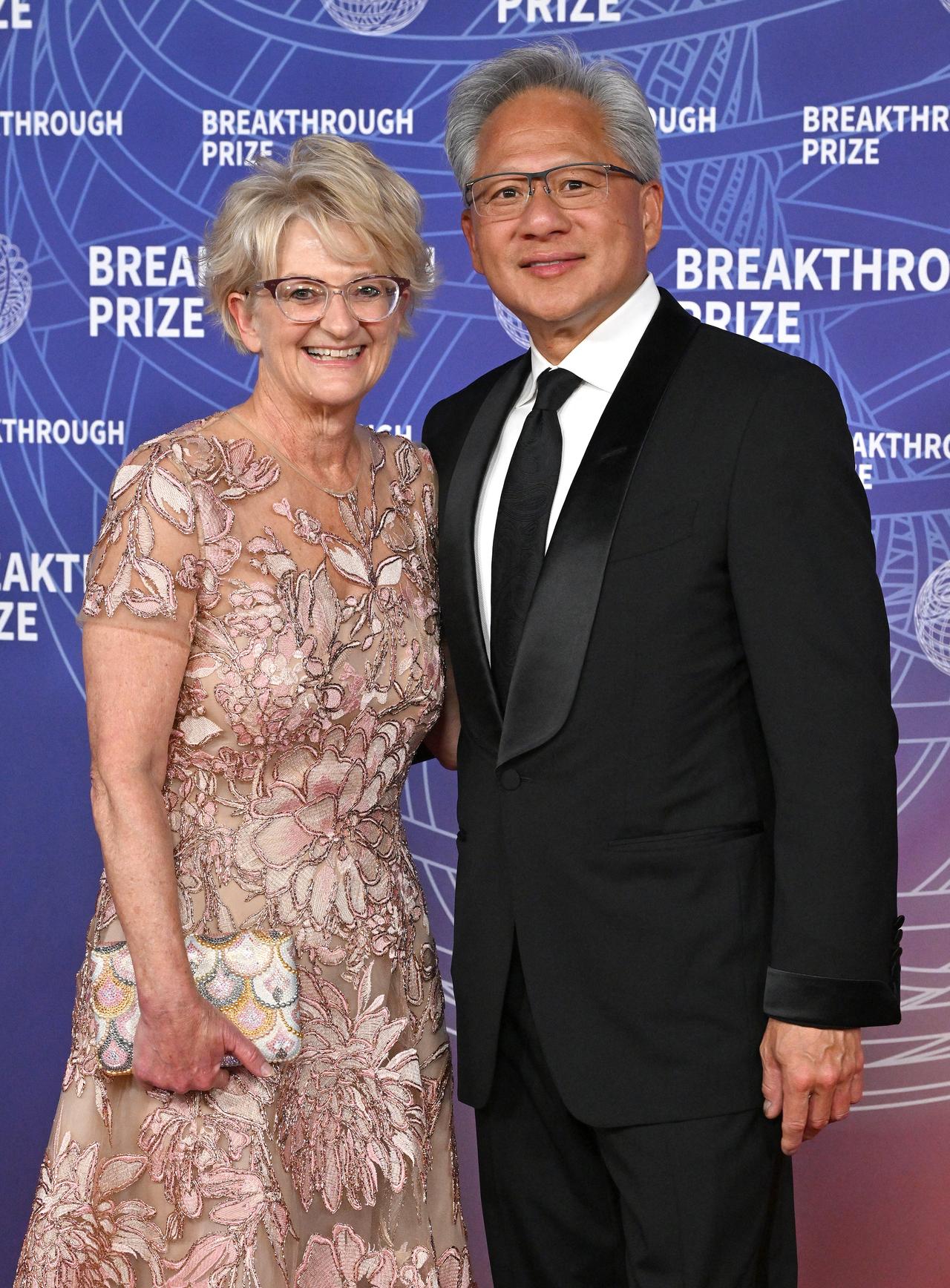
Alex Honnold echoed concerns about political fluctuations affecting long-term scientific progress, expressing hope that such changes would not disrupt sustained research efforts.
Sam Altman highlighted the growing role of artificial intelligence in accelerating scientific discovery, stating that AI technologies are enabling researchers to make discoveries and disseminate results at a faster pace.
He also noted that rapid technological change raises complex societal questions that will require careful consideration.
The Breakthrough Prizes were established by philanthropists and technology entrepreneurs, including Sergey Brin, Mark Zuckerberg and Priscilla Chan, Yuri and Julia Milner, and Anne Wojcicki.
The initiative aims to elevate the visibility of scientific research and honor transformative discoveries across disciplines.
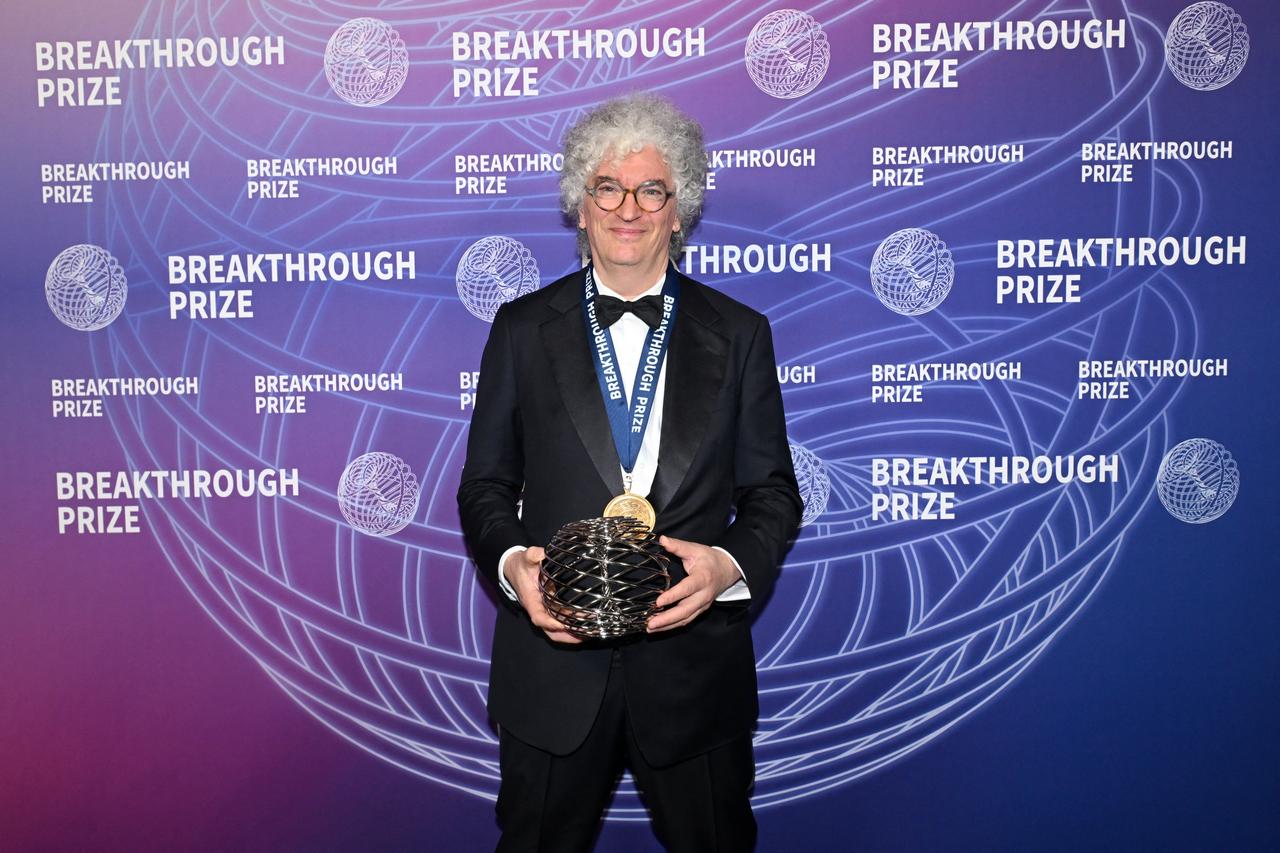
Among this year’s laureates was French mathematician Frank Merle, recognized for his contributions to the study of nonlinear equations describing waves and complex physical systems.
Merle described scientific funding as essential and underscored the foundational role of science in modern civilization.


 Set as preferred source
 Set as preferred source



 1 min read