Newsletters


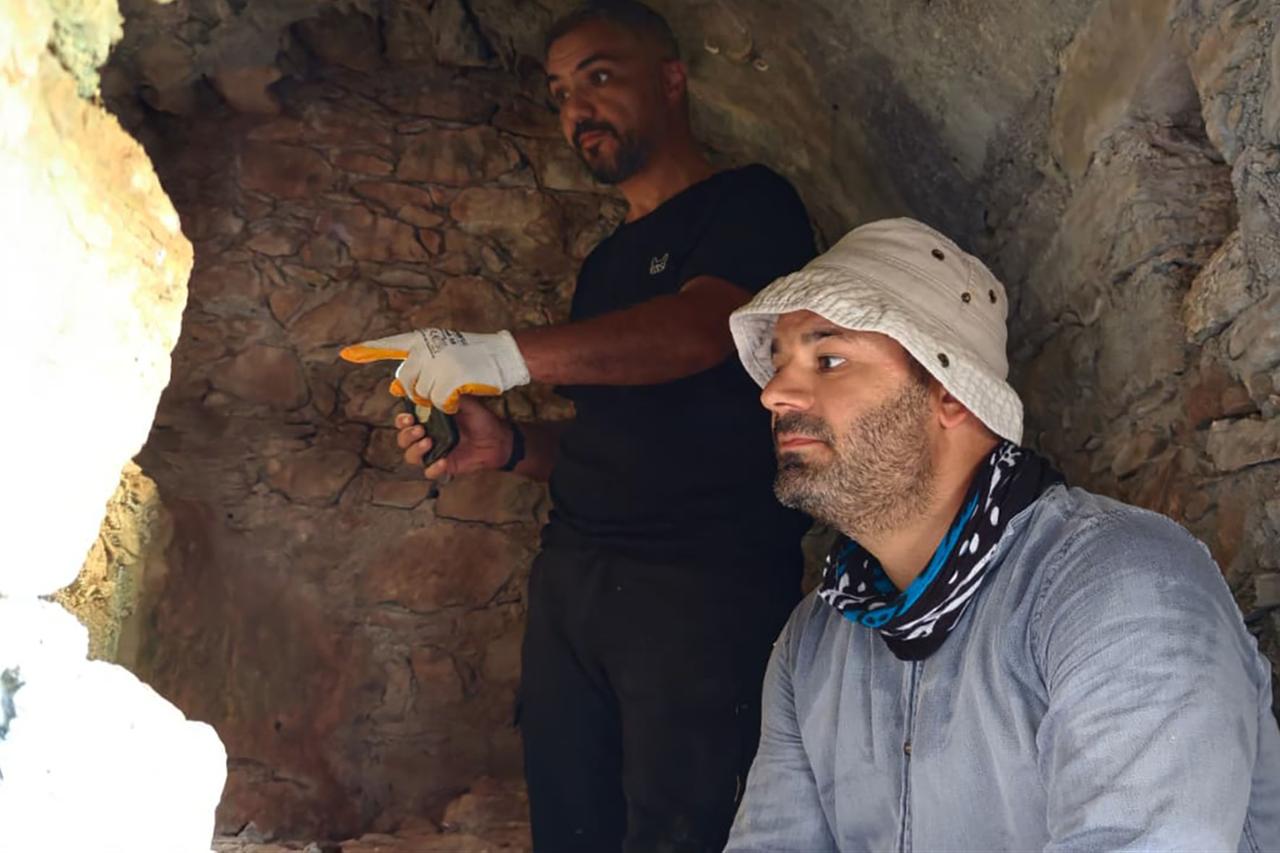


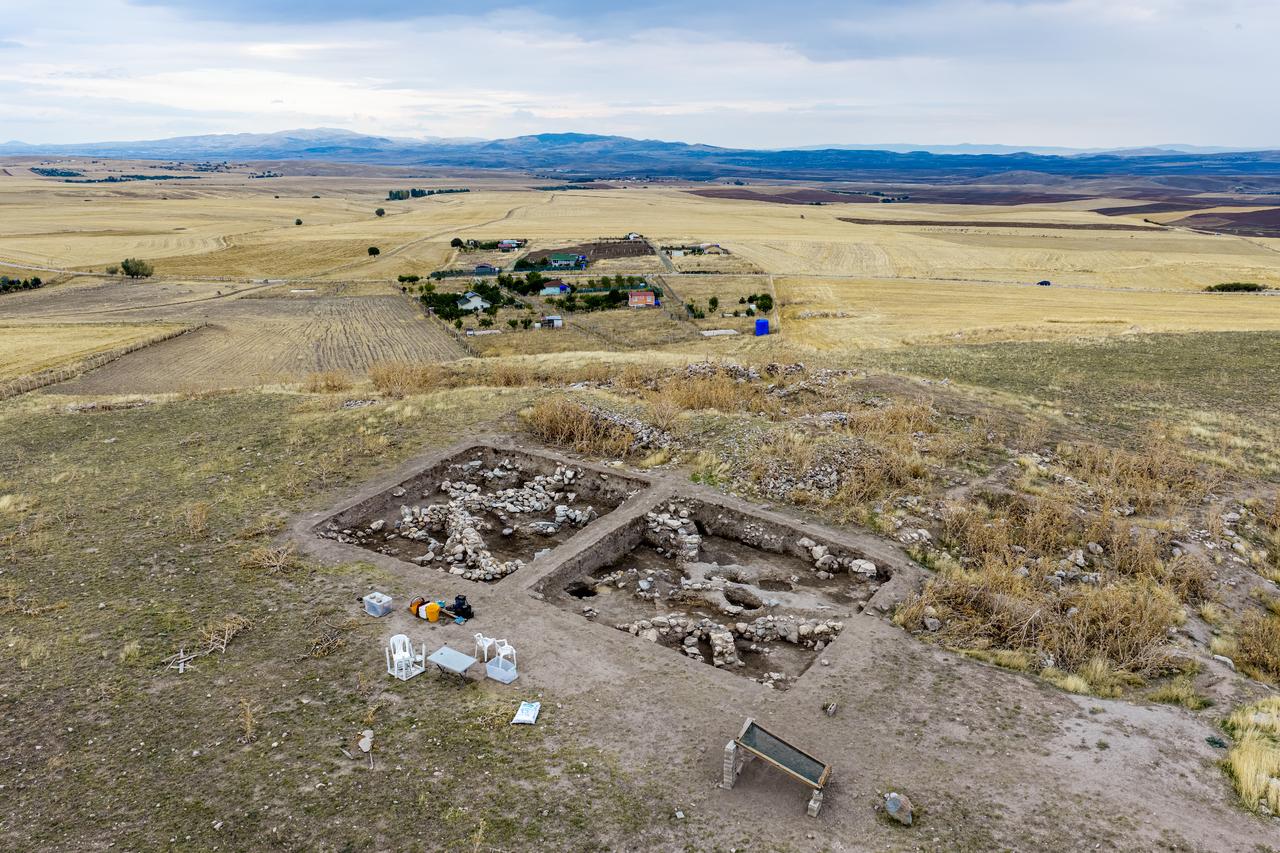
Archaeologists have wrapped up the 2026 surface survey at the ancient city of Selinus in Antalya's Gazipasa district, documenting a wide stretch of the settlement from hillside tombs and defensive walls to the acropolis and slopes overlooking the harbor.
The research, carried out under Alanya Alaaddin Keykubat University, or ALKU, was led by Assoc. Prof. Tuna Akcay of the university's Faculty of Tourism, with a specialist team including philologists, archaeologists, architects and interior architects. Culture and Tourism Ministry representative Ferhat Alpaslan also took part in the work.
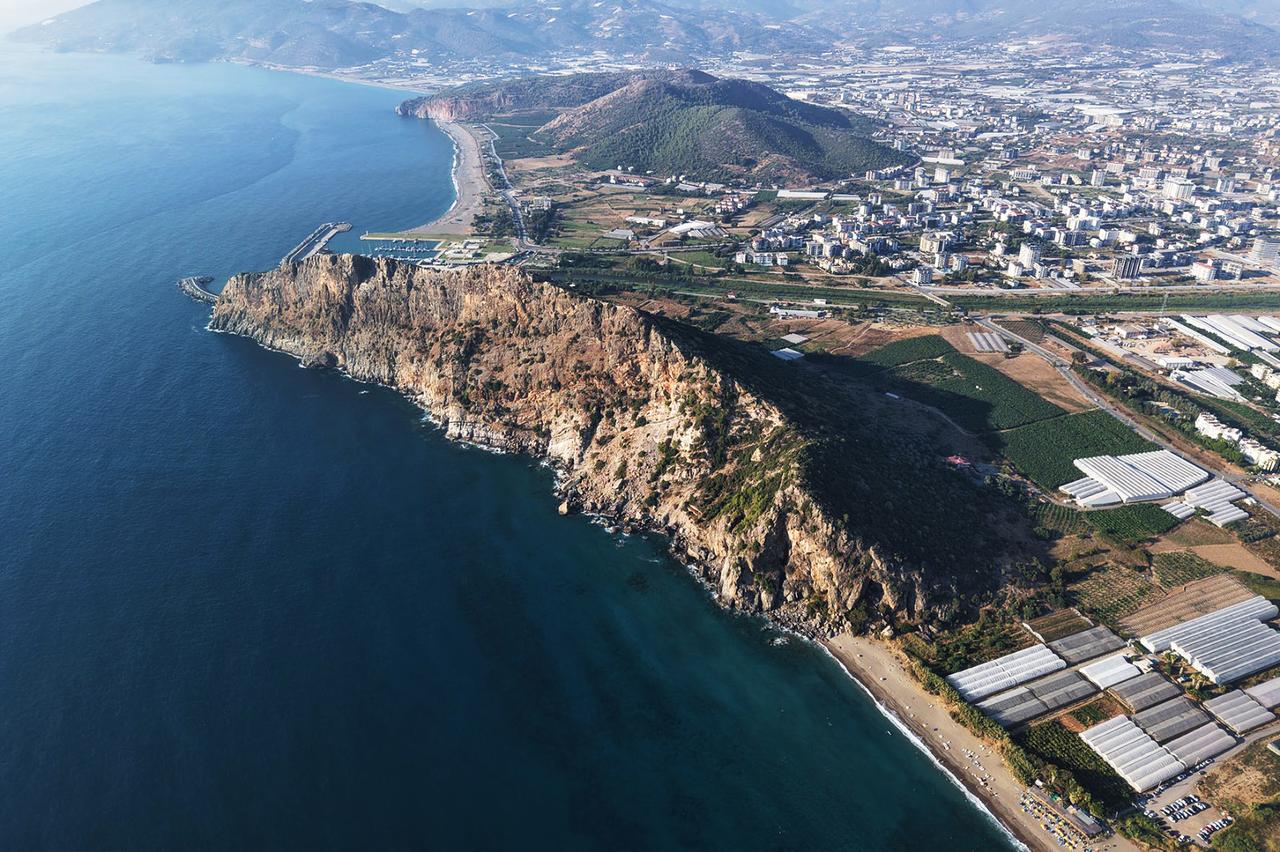

According to Akcay, the field season ran from Sept. 7 to 21 and focused on the hillside tombs, acropolis, defensive walls, harbor-facing slopes and the area around the Traianus Temple.
Rather than recording individual structures in isolation, the team brought together several modern documentation methods to build up a broader picture of how the ancient city developed and functioned.
The hillside tombs were divided into sectors, with each grave systematically recorded according to its location, architectural characteristics and state of preservation.
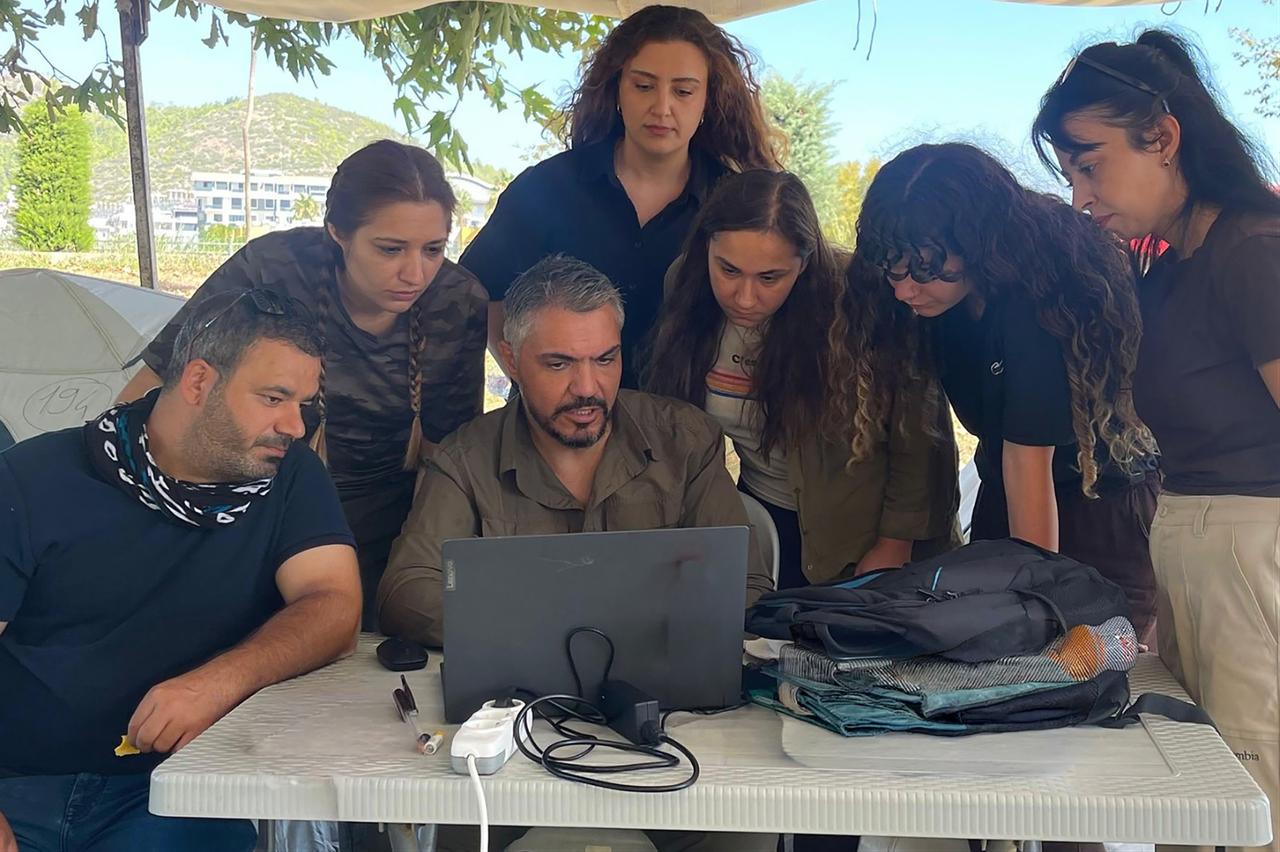
The survey combined coordinate mapping, CORS measurements, topographical data production, architectural drawing, photography, drone imaging, epigraphic recording and digital archiving.
CORS, or Continuously Operating Reference Stations, is a satellite-based positioning system used to produce highly precise geographic measurements.
Akcay said the combined work created a foundational dataset for understanding Selinus' funerary practices, topography, transportation links and historical development as an interconnected whole.
"The hillside tombs were divided into sectors, and the location, architectural characteristics and state of preservation of each tomb were systematically recorded. Coordinate mapping, CORS measurements, topographical data production, architectural drawings, photography, drone imaging, epigraphic recording and digital archiving were all carried out together. This created a foundational dataset for developing a comprehensive understanding of the city's funerary practices, topography, transportation links and historical development," Akcay said.
Akcay also pointed to Selinus as an important cultural asset for Gazipasa, saying the material gathered through the survey could eventually be brought together with the public through museums, education projects, cultural routes, digital content and exhibitions.
The completed 2026 campaign therefore leaves researchers with a more systematic record of several key areas of Selinus while also laying the groundwork for presenting the ancient city to a wider audience.


 Set as preferred source
 Set as preferred source


 1 min read
 1 min read