Newsletters


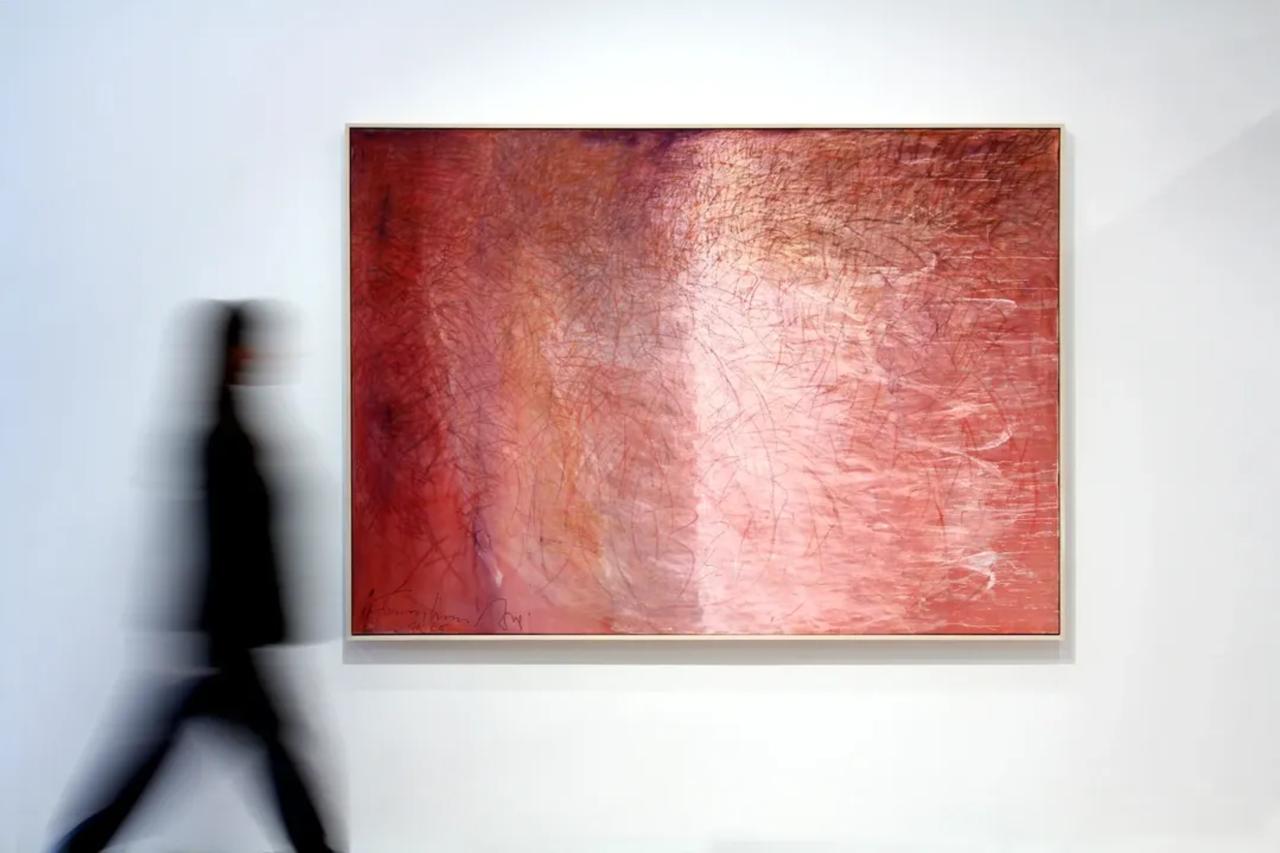


A new gallery in Istanbul’s Pera district is positioning itself as a platform for Iranian contemporary art within a broader international context, at a time when artists from Iran face growing structural and political constraints.
Founded by Iranian collector and former physician Shiva Zahed, the newly opened Shiva Zahed Gallery aims to create dialogue between Iranian artists and the global art scene.
The gallery launched with "echos," an exhibition bringing together works by Shaqayeq Arabi and Fereydoun Ave.
It was originally scheduled to run through April 25, but it was extended until May 10 due to continued interest on April 25.
Zahed frames the initiative not simply as an exhibition space but as an intervention in how Iranian art circulates internationally. “The gallery was designed as an active platform, not only to exhibit works but also to reposition artists within a broader international context,” she said in an interview with ArtDog Istanbul.
Her transition from medicine to the art world reflects what she describes as an expansion rather than a rupture. After training at Shahid Beheshti University of Medical Sciences and working in underserved regions near the Afghanistan border, Zahed began to question the limits of individual clinical work.
“Art offered a different form of engagement, operating within culture, perception, and collective experience,” she said.
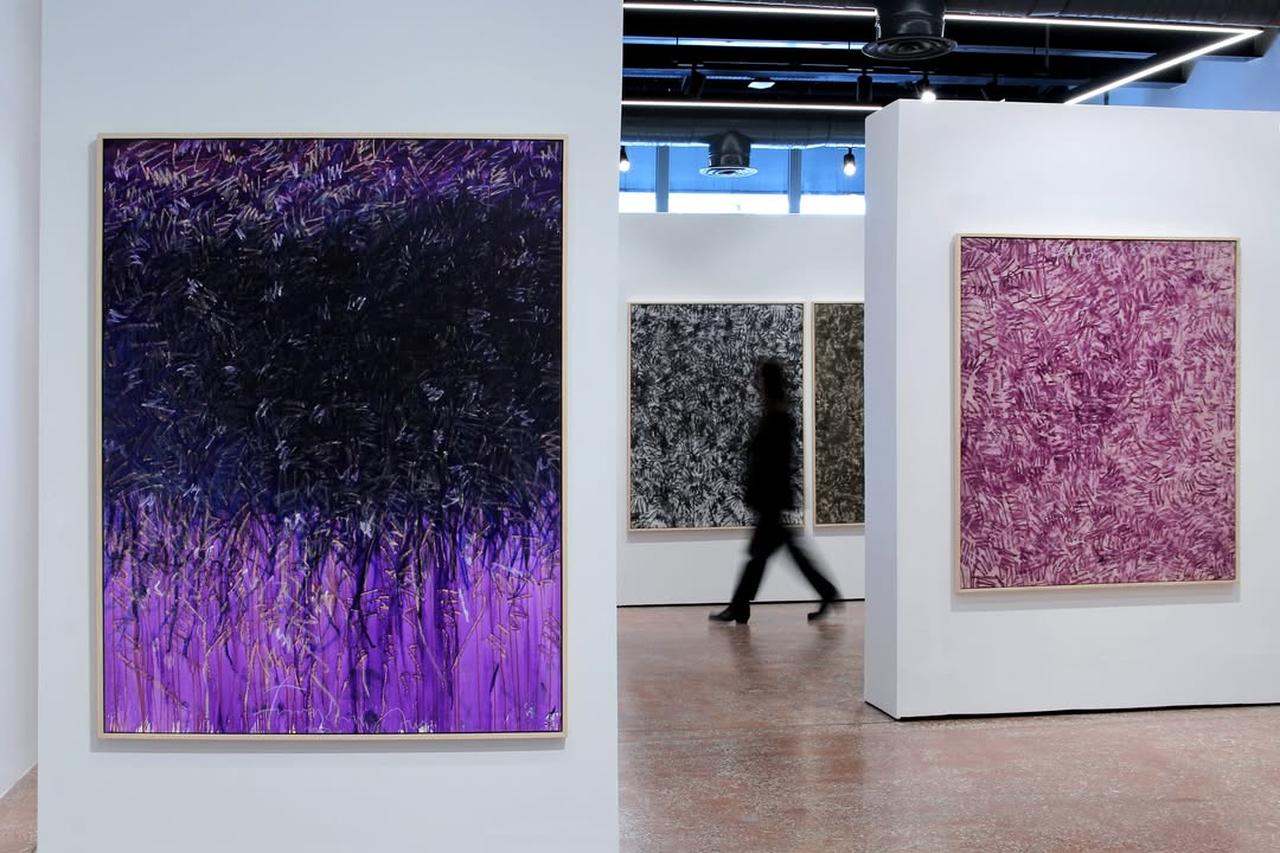

The decision to open the gallery in Istanbul was, according to Shiva Zahed, strategic rather than incidental.
“I was deeply aware that despite a strong artistic language, access to sustainable international dialogue remained limited,” she said. Istanbul, in this sense, functions as both a proximity and a gateway, geographically close to Iran while embedded in a wider global cultural ecosystem.
She describes the city not as a regional hub but as a “cultural threshold,” where artists and ideas intersect. The choice of Pera, historically associated with cross-cultural exchange, reinforces that positioning.
This framing reflects a broader shift in how galleries operate in politically constrained environments. Rather than acting solely as exhibition venues, they increasingly function as infrastructures that enable visibility across borders.
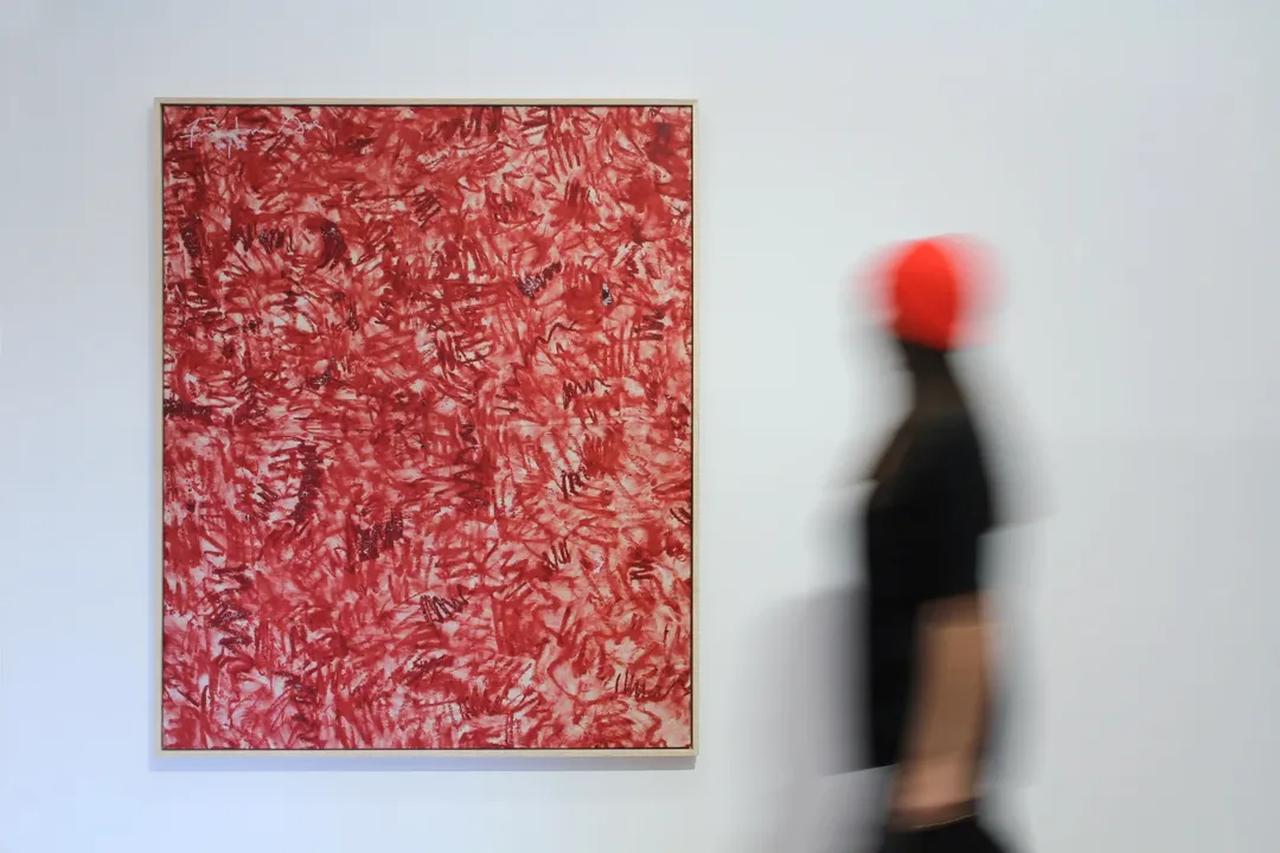
Zahed emphasizes that Iranian artists are already engaging with global debates, particularly around identity, memory, and modernity, and should not be viewed as operating on the margins of the international art world.
“Iranian contemporary art is not at the periphery of global discourse but an active part of it,” she said.
At the same time, she points to the impact of current conditions in Iran, including conflict, institutional instability, and restrictions on communication, such as internet disruptions, which have weakened artists’ ability to produce and remain visible.
Yet, she argues, artistic production does not disappear under pressure. “On the contrary, it becomes more urgent,” she said, noting that many artists continue working in isolation, driven by necessity rather than institutional support.
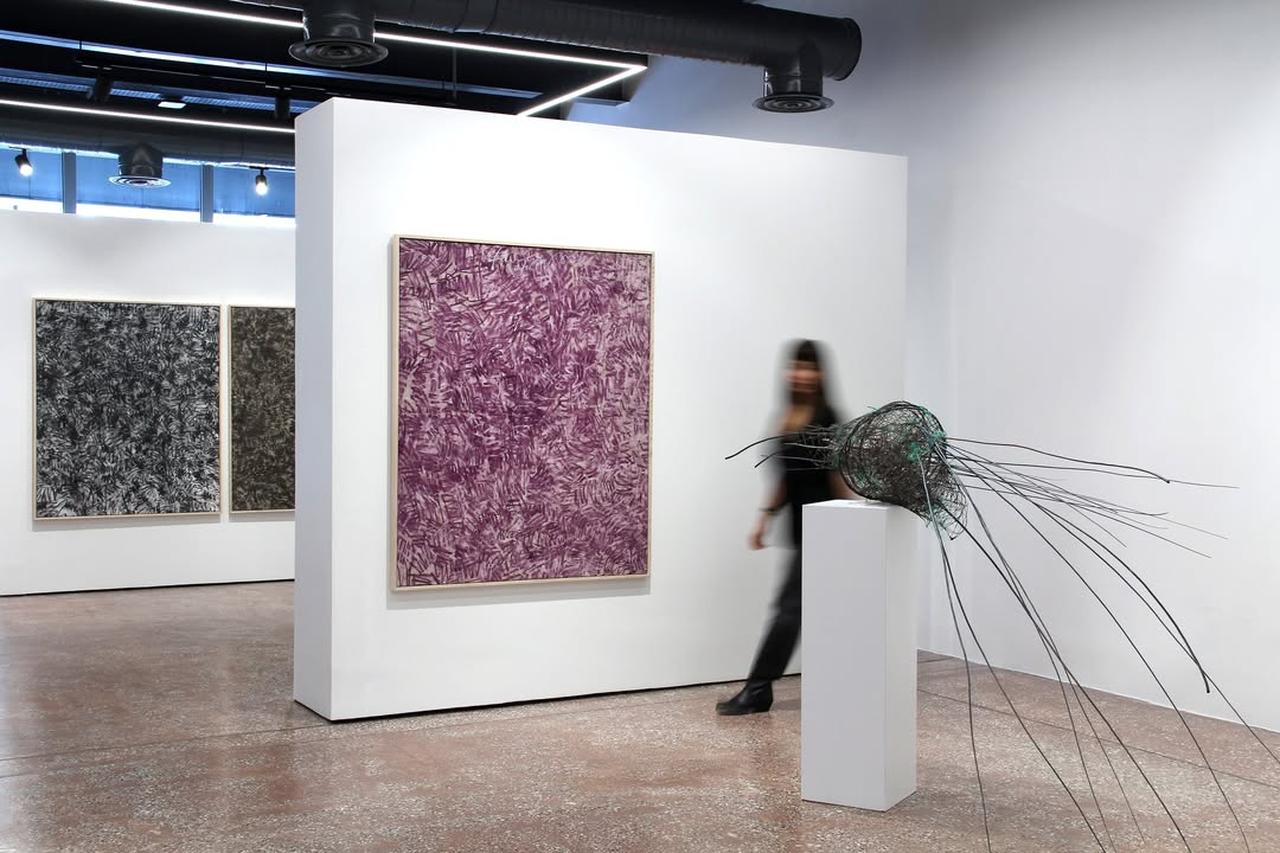
The gallery’s curatorial approach reflects this context.
Shiva Zahed describes exhibition making as a process that prioritizes dialogue between works rather than isolated presentation, with an emphasis on conceptual coherence alongside intuition and historical awareness.
The opening exhibition, which brings together artists from different generations, signals a longer-term commitment to intergenerational dialogue. This approach, she argues, allows audiences to see contemporary art not as a rupture from the past but as part of an evolving cultural continuity.
Looking ahead, Zahed positions international collaboration as central to the gallery’s development. The goal is not only to expand networks but also to ensure that Iranian artistic production continues to circulate despite geographic and political limitations.
“In a moment when cultural voices from Iran face increasing challenges, spaces that sustain visibility and intellectual exchange become more critical,” she said.
With its opening in Istanbul, Shiva Zahed Gallery enters that space deliberately, positioning itself less as a local venue and more as a conduit between constrained artistic production and global visibility.


 Set as preferred source
 Set as preferred source


 2 min read