Newsletters




The reliance of modern warfare on hyper-advanced technology is a universal given.
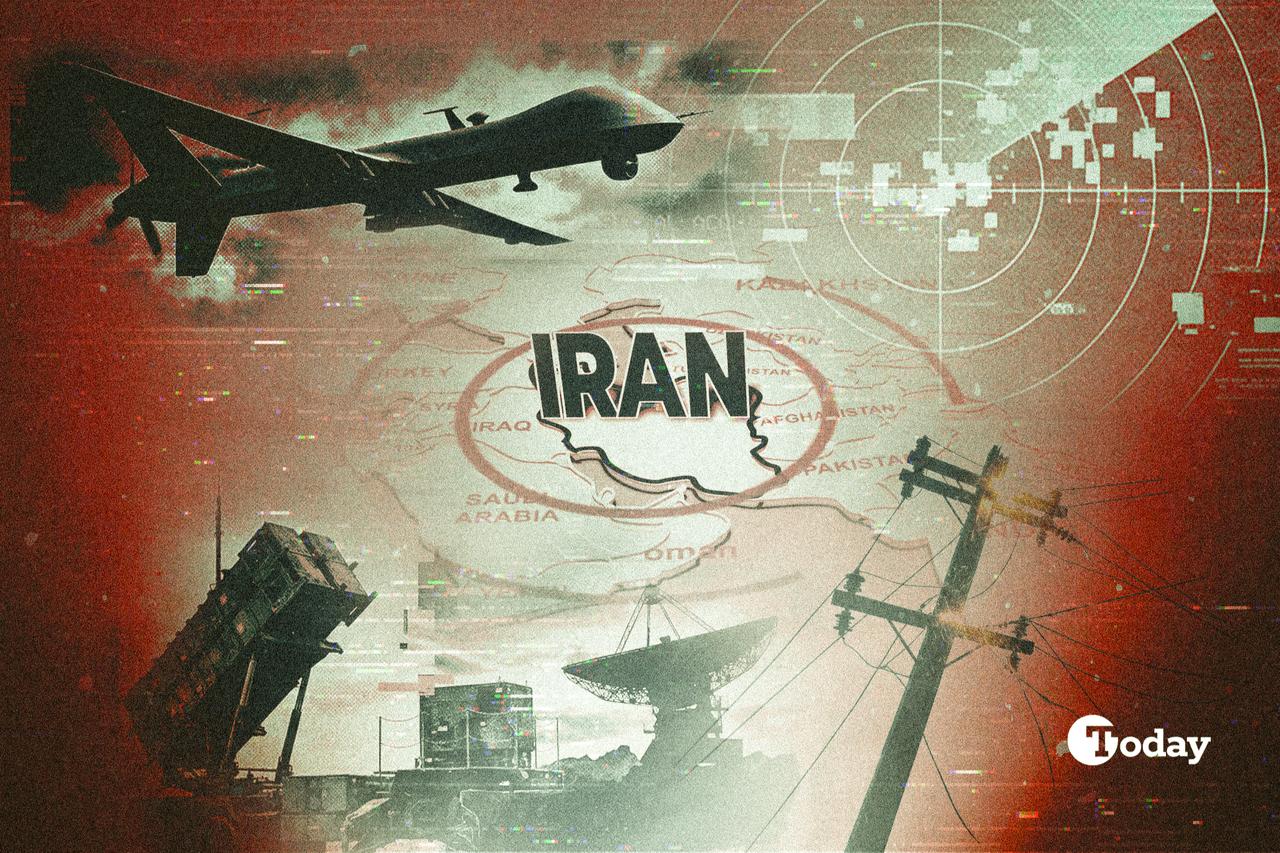
States enrich uranium to guarantee the enemy suffers panic attacks in their sleep. Military engineers equip drones with stealth capabilities so their existence registers only upon impact. Commanders launch missiles with enough precision to obliterate half of a target country’s energy infrastructure before breakfast.
Warfare, however, operates on a cynical equilibrium. A superpower cannot sink trillions of dollars into apocalyptic weaponry and still afford free health care for its citizens.
On Feb. 28, Iran discovered exactly why the United States lacks free health care. Attempting to grasp the Iranian perspective of this offensive, however, yields a void. The global community simply lost connection with them. Literally.
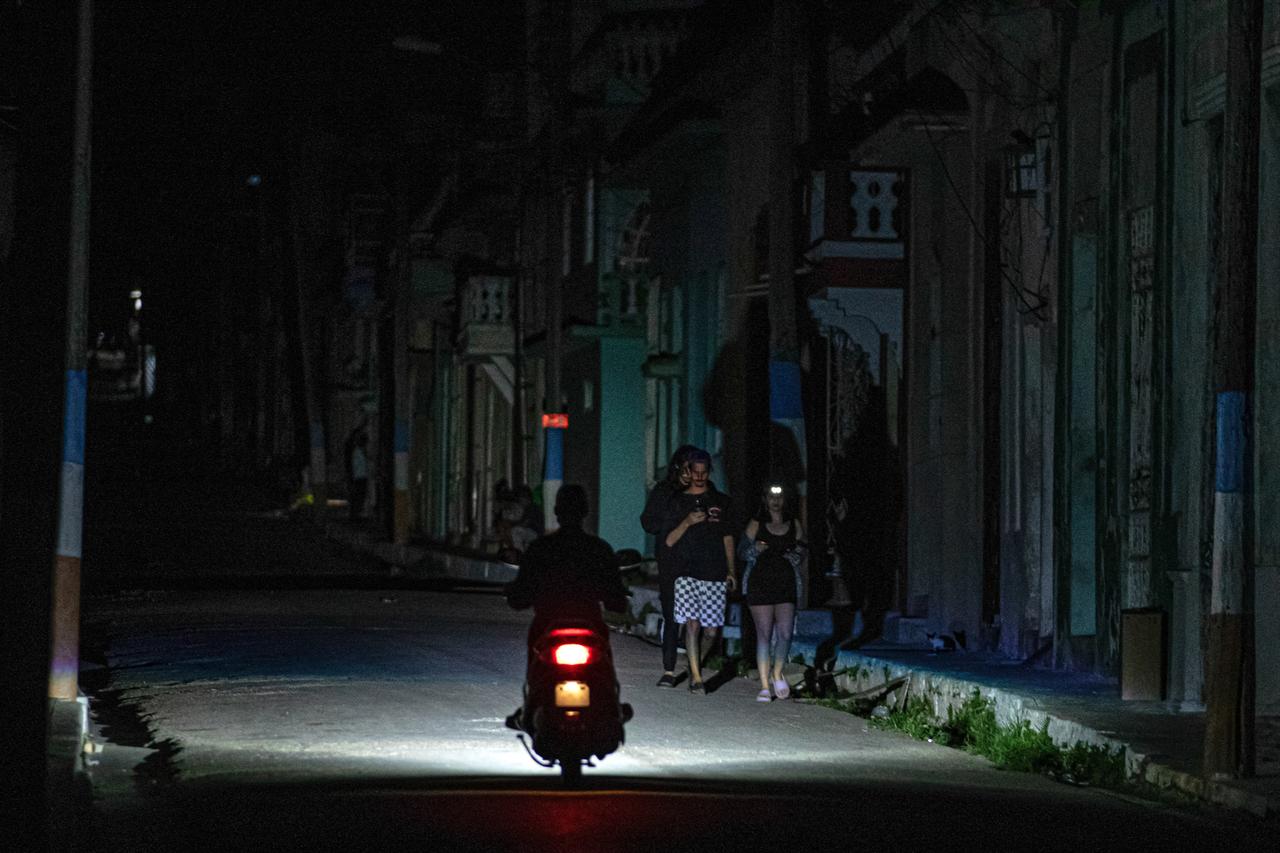
The offensive immediately triggered a cascade of infrastructural failures, plunging the nation into darkness and digital isolation. Queuing for payphones, staring at paralyzed banking applications, and exchanging handwritten notes just to meet friends at the evening call to prayer replaced modern life overnight.
This isn't just technical failure, it's strategic shock. U.S. President Donald Trump notoriously relies on the element of surprise, and those surprises are evidently weaponized against foreign populations just as easily as they are delivered to the American public.
The anti-government protests erupting on Dec. 28 triggered one of the most absolute internet blackouts in modern history.
Authorities severed internet access and international phone lines, according to the Associated Press (AP), decisively isolating 85 million people. Cloudflare network data recorded Iranian internet traffic plummeting to zero immediately following the shutdown. Reuters subsequently confirmed non-satellite connectivity hovering at a dismal 1 percent of normal capacity.
Fractional access eventually returned, but only as a heavily censored domestic intranet.
Google Search functioned merely in theory, returning results that remained impossible to open, AP reported. This disruption extended far beyond communication; it paralyzed the domestic economy. Citizens awoke completely stripped of their ability to execute daily routines or manage businesses.
The blackout crippled commerce, leaving enterprises "reeling" and strangling firms dependent on digital reach, according to Reuters. A marginal elite secured patchy, exorbitant communication channels via smuggled Starlink terminals. The reality, however, was that the state pushed an entire nation offline, reducing modern life to whatever mechanisms could function without connection.
So, modern life was reduced to whatever could survive without a connection. Sometimes, we casually wonder what daily existence looked like before the internet dominated our routines. Well, Iranians found out overnight.
So, in the middle of this engineered darkness, how did people communicate? How did money keep moving? How did young people maintain any link to the global conversation? Inside Iran, communication did not just disappear. Citizens reinvented it, piece by piece, under immense pressure.

The digital void transformed basic connectivity into a test of physical endurance.
The AP highlighted the extreme lengths required simply to make a phone call. A nurse outside the country managed to speak with her mother only because her cousin traveled directly to the border. The cousin established a precarious bridge: a WhatsApp call on one device using an Iraqi SIM card held up against another device connected to the Iranian network. The connection barely lasted two minutes.
Connecting to the outside world now demands desperate physical labor. This makeshift relay resembles the act of pressing a paper cup against a concrete wall to catch a muffled whisper.
Trump famously threatened to bomb adversaries back to the Stone Age, but the grim irony of the Iranian reality is that the descent was a joint effort.
The Iranian regime first severed the digital cord to suffocate domestic dissent, and American missiles subsequently decimated the physical power grid. Between an authoritarian state engineering a blackout and an imperialist superpower destroying the infrastructure, the population was successfully pushed into primitive isolation.
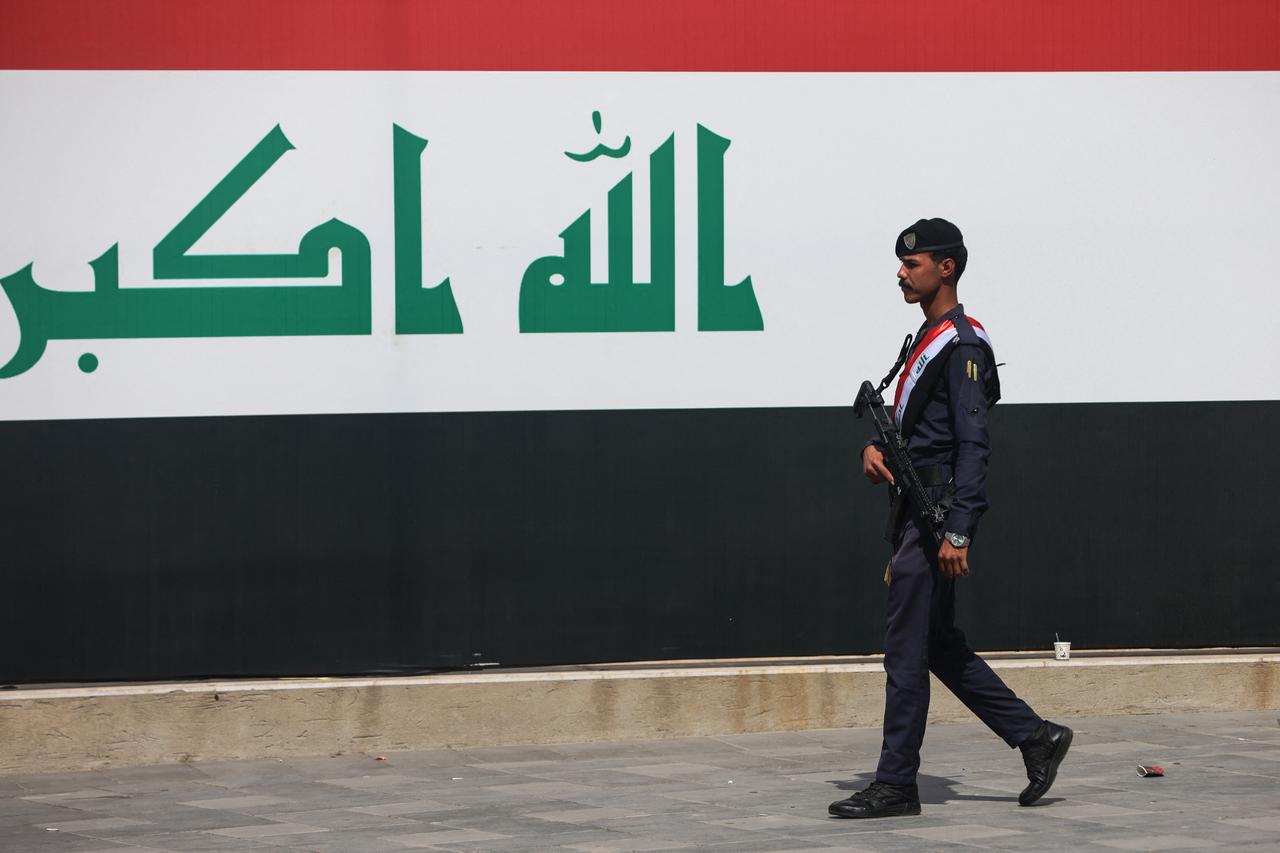
Catching stray signals from Iraqi cell towers carries severe risks. Security forces tightly control these border zones, and individuals approaching them face the threat of live fire. Citizens must navigate a literal battlefield simply to send a text message. Escaping the effects of militarized isolation demands adopting a survivalist mentality.
Some things have not changed, though. Wealth still dictates access. The internet simply migrated underground, available exclusively to those who can afford it.
Smuggled Starlink terminals and expensive VPNs provide narrow, fragile corridors to the global network. Iranian authorities combat these workarounds using signal jamming and GPS spoofing, severely degrading even satellite connections, according to Reuters. A successful connection might transmit a text, but rarely an image, and certainly not live video. The blackout enforces a brutal hierarchy: some can reach it, briefly and imperfectly; most cannot. Thus, censorship transforms into a regime of class inequality, entirely dependent on capital.
Beyond economic barriers, the state criminalizes the very attempt to connect. Possessing a VPN application can result in espionage charges and immediate custody, according to AP. Security forces actively hunt individuals attempting to bypass the digital siege.
Securing a workaround transcends technical troubleshooting but now constitutes a direct, punishable political act against the state.

When the state silences internal voices, the diaspora seizes the narrative.
An AP report from March details how the digital siege isolates those inside Iran, shifting the burden of communication to the international community. Content creators manage to contact their relatives only during rare, fleeting windows. Even during these brief connections, the intense fear of surveillance deters individuals from speaking freely.
The internal perspective does not vanish entirely. Instead, authoritarian pressure reduces it to a terrified whisper, which the diaspora eventually smuggles out and broadcasts to the world.
This dynamic exposes the true cost of hyper-modern warfare. The burden falls entirely on the targeted population rather than the aggressors.
High-tech offensives do not simply destroy physical infrastructure; they entirely dismantle the architecture of daily life. The loss of connectivity erases the mundane actions that sustain a modern society. Unsent messages, failed financial transactions, and inaccessible news updates collectively paralyze the population.
How many people have died in the war so far? Is diplomacy progressing? Who did Trump threaten in his Truth Social post this time? The isolated population cannot access critical information regarding their own survival. Ironically, a casual observer in Scotland knows more about the destruction in Tehran than the people actively enduring it.
The fundamental ability to understand local reality evaporates. The imperialist message remains brutally clear: a population earns the right to basic information only after submitting to a government approved by Washington.
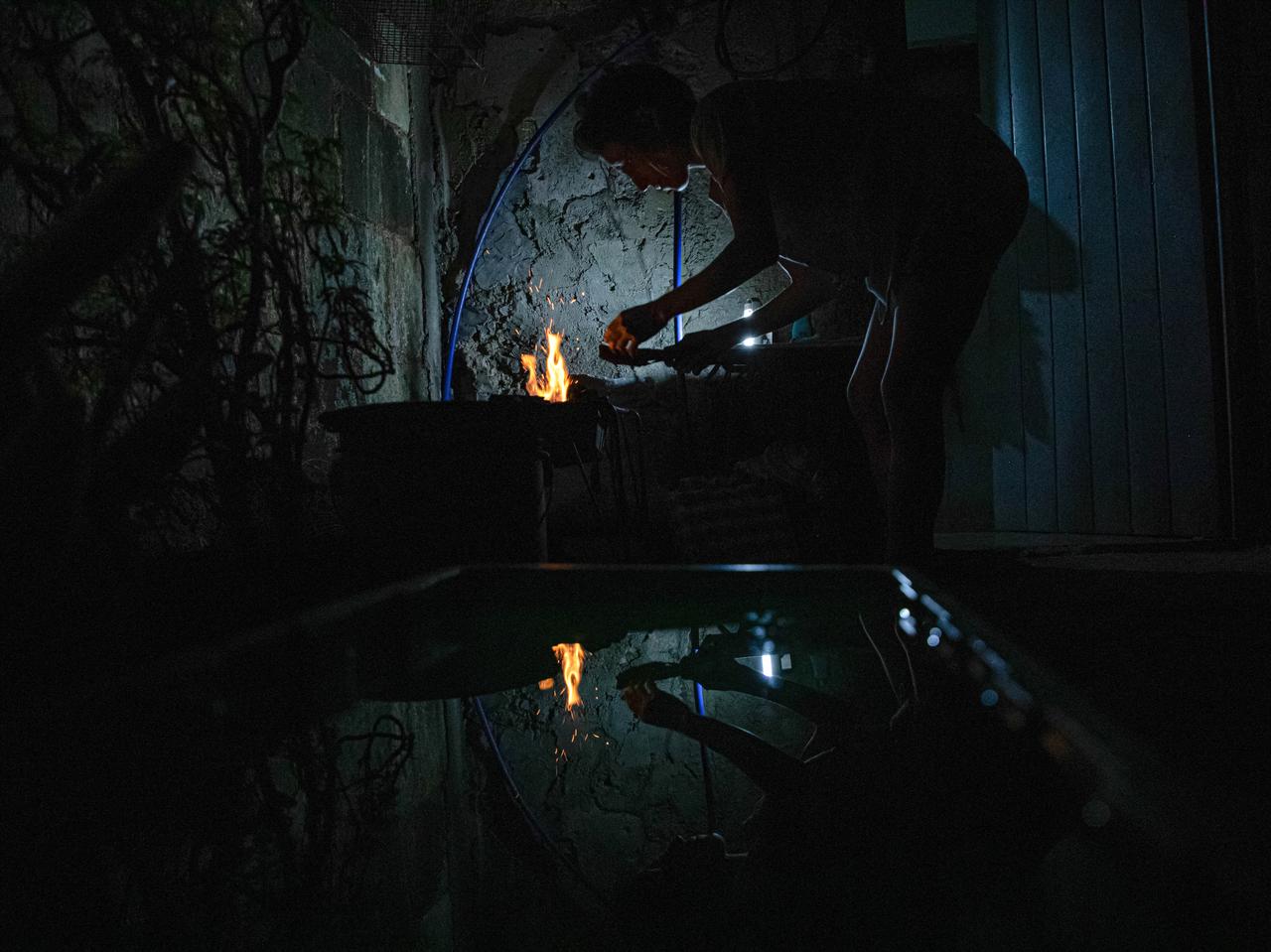
In a society built on constant connectivity, a total blackout constitutes a profound psychological shift.
Time stretches. Routines shatter. The present becomes opaque, as if something is always missing but you can’t quite name it. Sociologists categorize this phenomenon as a network breakdown or temporal disruption.
Citizens living through the siege simply experience a reality that no longer makes logical sense. Modern warfare does not always require explosive destruction. It deliberately alters human perception until everyday existence feels entirely alien.
Treating this crisis solely as an isolated Iranian tragedy ignores the broader global vulnerability. If you think about it, the events unfolding in Tehran serve less as an exception and more as a terrifying preview.
The global public perceives the internet as a permanent layer of life, akin to gravity or electricity. Unlike natural laws, however, authorities can slow, filter, or completely extinguish digital networks. States execute these shutdowns deliberately.
Call it cyber warfare, call it infrastructure control, or invent new euphemisms to make it sound less alarming. The reality remains: governments no longer restrict their geopolitical management to physical borders and airspace. They actively manage access: access to information, to platforms, to the outside world. When digital infrastructure functions as a political lever, an authoritarian regime will inevitably pull it.
Iran provides a current and extreme example, but it will not be the last.
Various nations already experiment with throttling networks and isolating specific demographics from the global internet. State actors deploy these aggressive tactics even outside of wartime contexts.
The chilling takeaway centers on capability rather than immediate panic. Modern life relies entirely on digital connections. The ability to interrupt that connection transcends technical disruption; it operates as an absolute form of political control.
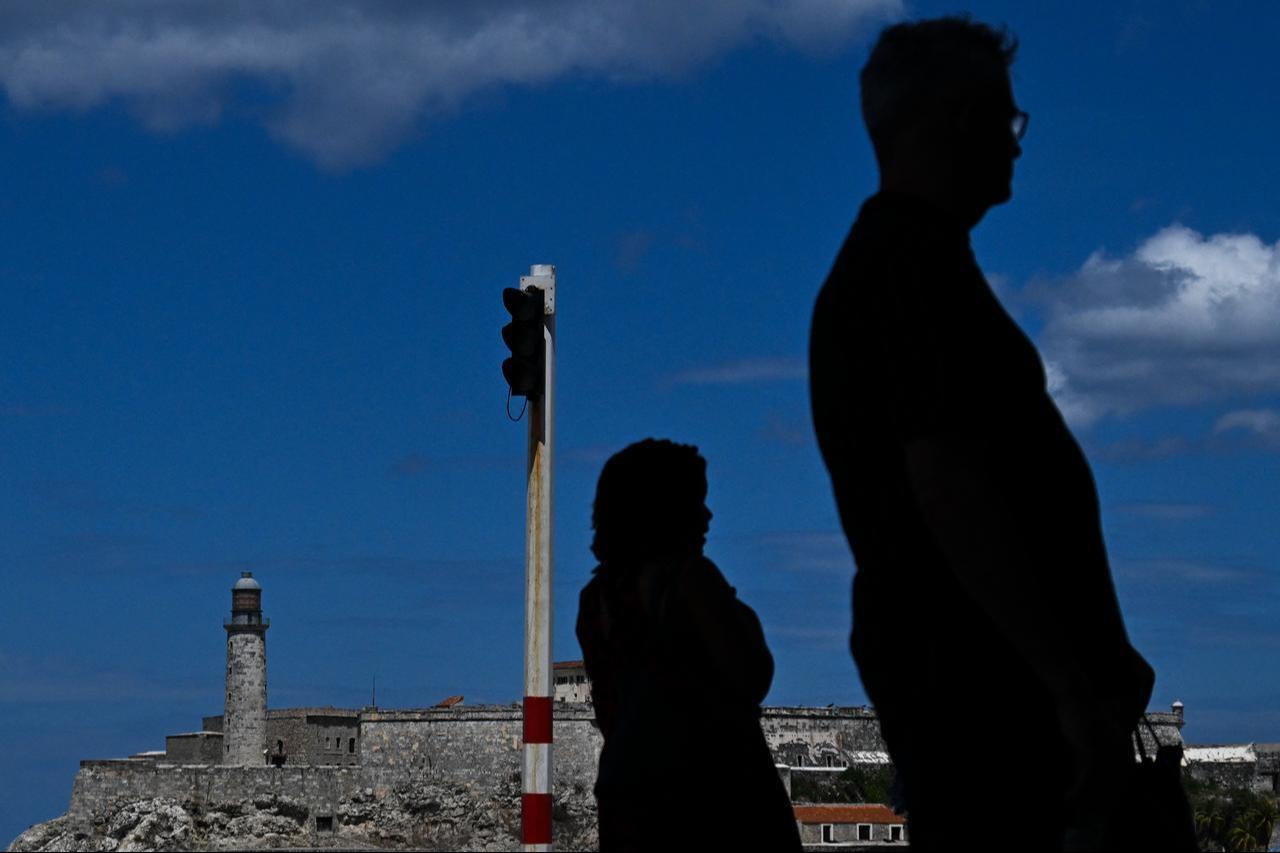
And then there’s the part no one really talks about; the part that feels small until it isn’t.
The global north built an entire existence assuming perpetual connection, and modern citizens simply lack the knowledge to function without it. People no longer memorize phone numbers, plan logistics in advance, or coordinate meetings without immediate digital confirmation. Stripping away that infrastructure creates profound disorientation rather than mere inconvenience.
Controlling the flow of information quietly narrows reality itself. The ability to witness, verify, or question events depends entirely on what the state allows through the filter. Severing the internet achieves much more than silence. It violently shapes whatever reality remains.
And then there is the silence itself.
Privileged societies often romanticize the concept of disconnecting as a peaceful reset. But the silence imposed on Iran replaces digital noise with sheer uncertainty.
A world previously loud with constant updates suddenly goes dark, and in that darkness, survival becomes agonizingly complex. The problem transcends an over-reliance on technology. Modern society has completely forgotten how to navigate the physical world without a digital map.
Being offline previously served as a voluntary luxury. Individuals disconnected to relax or reset, always knowing the network waited for their return. Iran demonstrates the brutal reality of the alternative.
When connection ceases to be a choice, it ceases to be freedom. It exposes a structural void. Humanity did not simply build a digital world.
We engineered a society that completely collapses without it.
Iran’s internet blackout officially enters its 42nd day today. The eventual return of the Iranian people to the global network will likely spark a grim collision of realities, as Western audiences will inevitably attempt to consume their trauma as digital content.
The capitalist internet machine might even expect "survival guides" packaged as easily digestible influencer posts on social media.
True solidarity requires rejecting that commodification. The international community must recognize this blackout not as a quirky digital detox, but as a devastating blueprint for future imperialist and authoritarian sieges.


 Set as preferred source
 Set as preferred source


 7 min read