Newsletters


Sinop’s urban landscape continues to reveal unexpected archaeological richness, as artefacts unearthed during construction projects undergo conservation before going on display at the city’s Archaeology Museum. The initiative offers a clear view of how Türkiye’s northern Black Sea province has acted as an agricultural treasure and cultural crossroads for centuries, linking Hellenistic, Roman, Byzantine, Seljuk and Ottoman traditions.
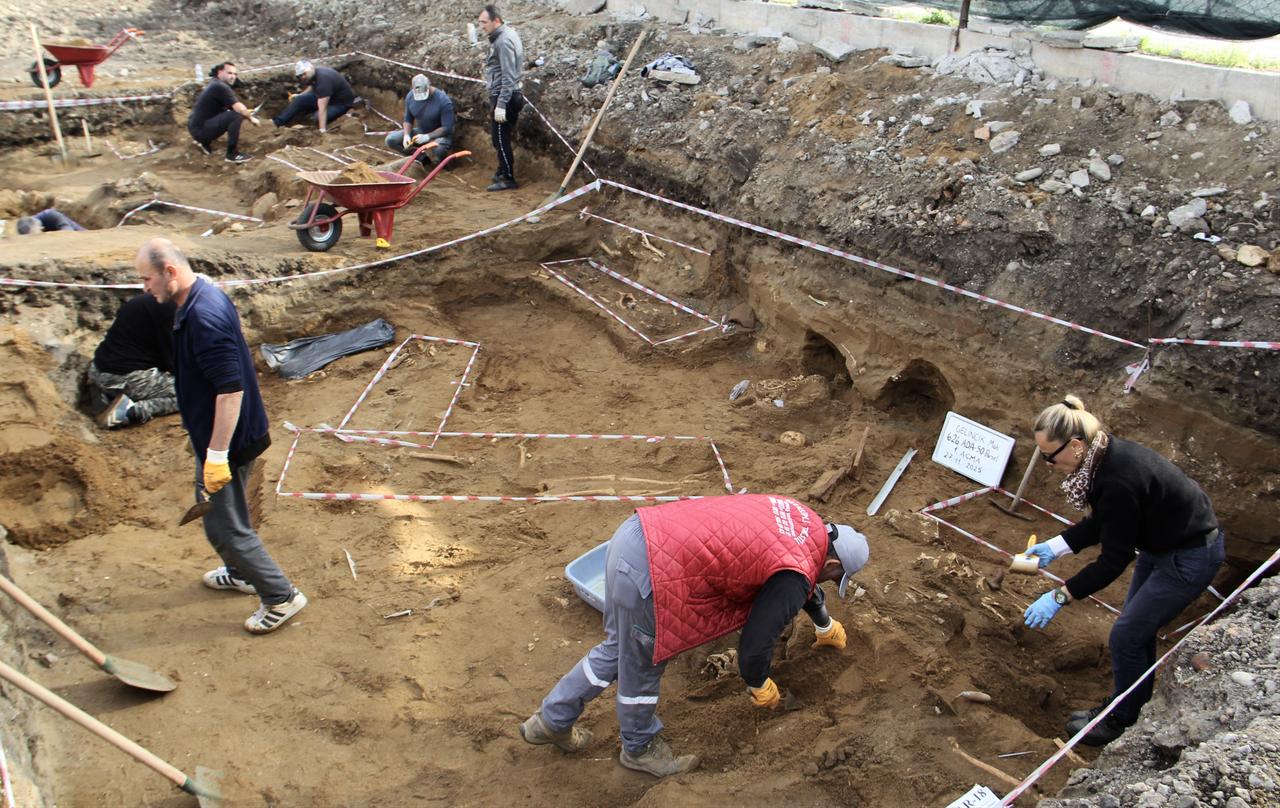

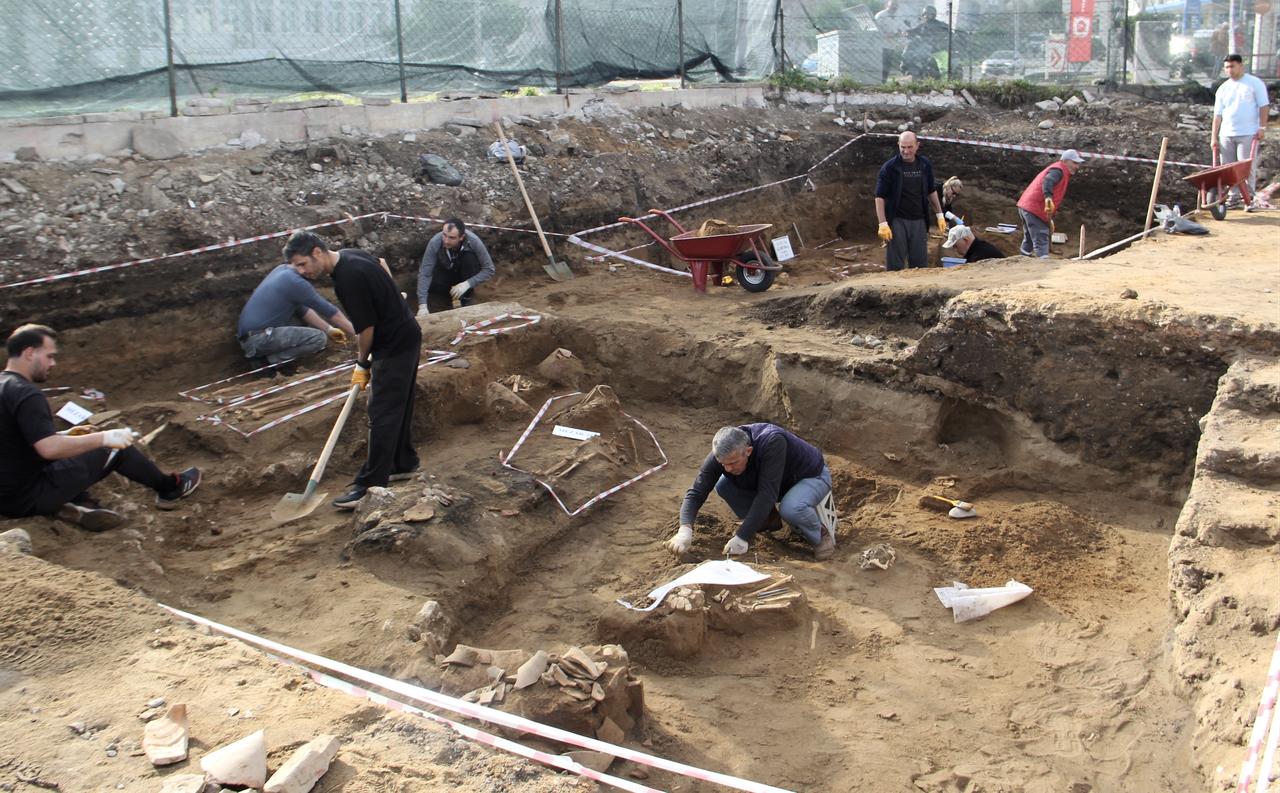
Large parts of Sinop’s city center—around 80%—are designated as third-degree archaeological conservation zones, a status that requires developers to seek approval from the provincial Directorate of Culture and Tourism before breaking ground. Since urban construction intensified in 1921, this rule has allowed thousands of ancient objects to come to light during foundation works.
Archaeologists assigned to the directorate supervise all preliminary excavations. If any historical remains are detected, the process shifts according to the decision of the Regional Conservation Council, ensuring that no cultural layer is damaged or overlooked.
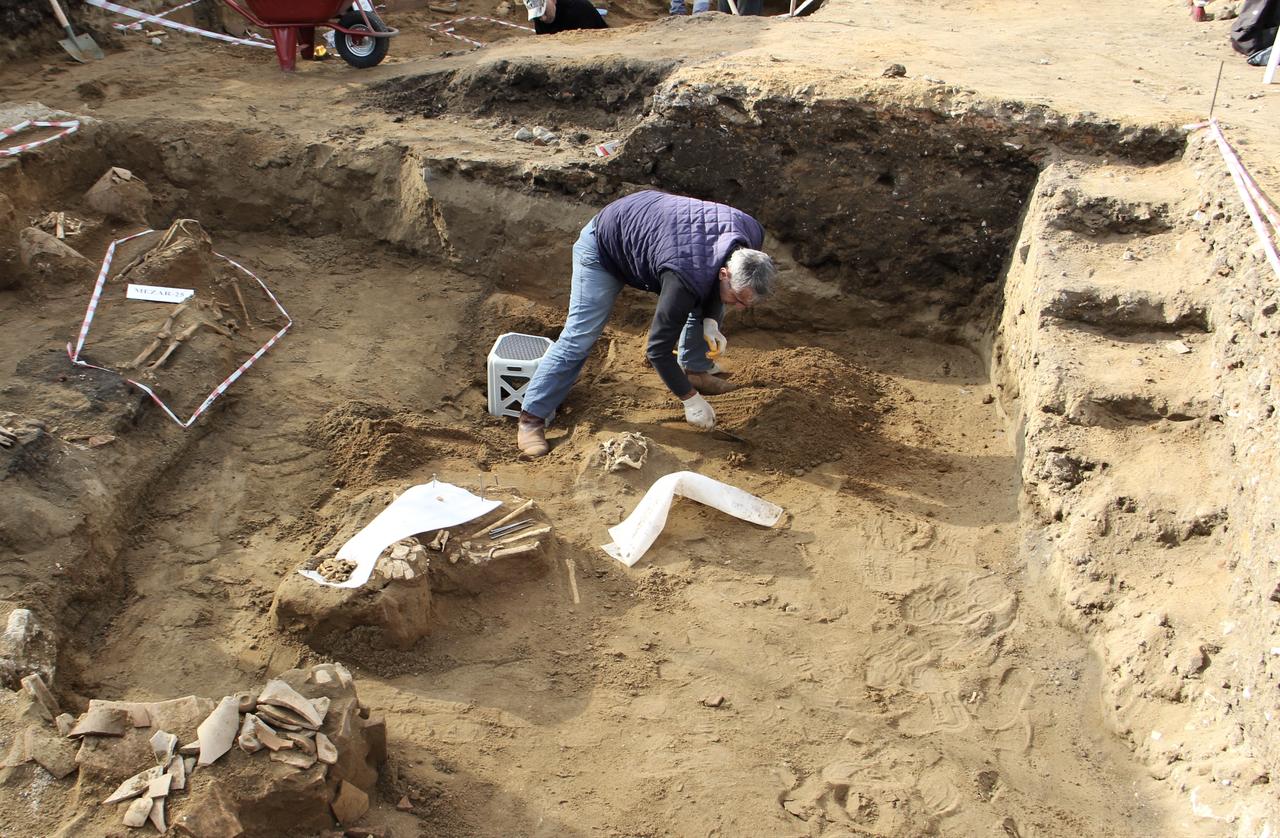
According to Provincial Culture and Tourism Director Fatih Guzel, every artefact discovered during construction is first delivered to the museum and immediately placed under the care of specialist conservators. Guzel explained that the process begins with stabilizing each object to prevent deterioration, followed by an assessment that determines its period and significance.
Once conservation is complete, a commission evaluates the objects under set criteria and admits them to the museum collection. Guzel underlined that the core mission is to protect and exhibit Sinop’s heritage, saying the goal is to “ensure that the city’s cultural values are transferred to future generations.”
In cases where an excavation reveals an exceptionally dense archaeological layer, the Ministry of Culture and Tourism initiates a formal rescue excavation. If not, construction continues under standard procedures.
The Archaeology Museum, opened in 1970, now displays more than 13,000 artefacts, and nearly 70% of them were unearthed during construction or infrastructure work. These include Hellenistic mosaics, Roman and Byzantine grave stelae, marble sarcophagi, lions depicted attacking deer, multi-handled Greek vessels, and numerous amphorae — ancient two-handled storage jars.
Recent finds also include a Medusa sculpture, currently undergoing conservation before it joins the museum’s permanent display.
While movable objects are transferred to the museum, immovable cultural remains uncovered during excavations are preserved on site. After documentation and project planning, they are exhibited in their original locations to maintain their historical context. Guzel emphasized that balancing preservation with urban development remains the city’s guiding principle.


 Set as preferred source
 Set as preferred source


 3 min read