Newsletters


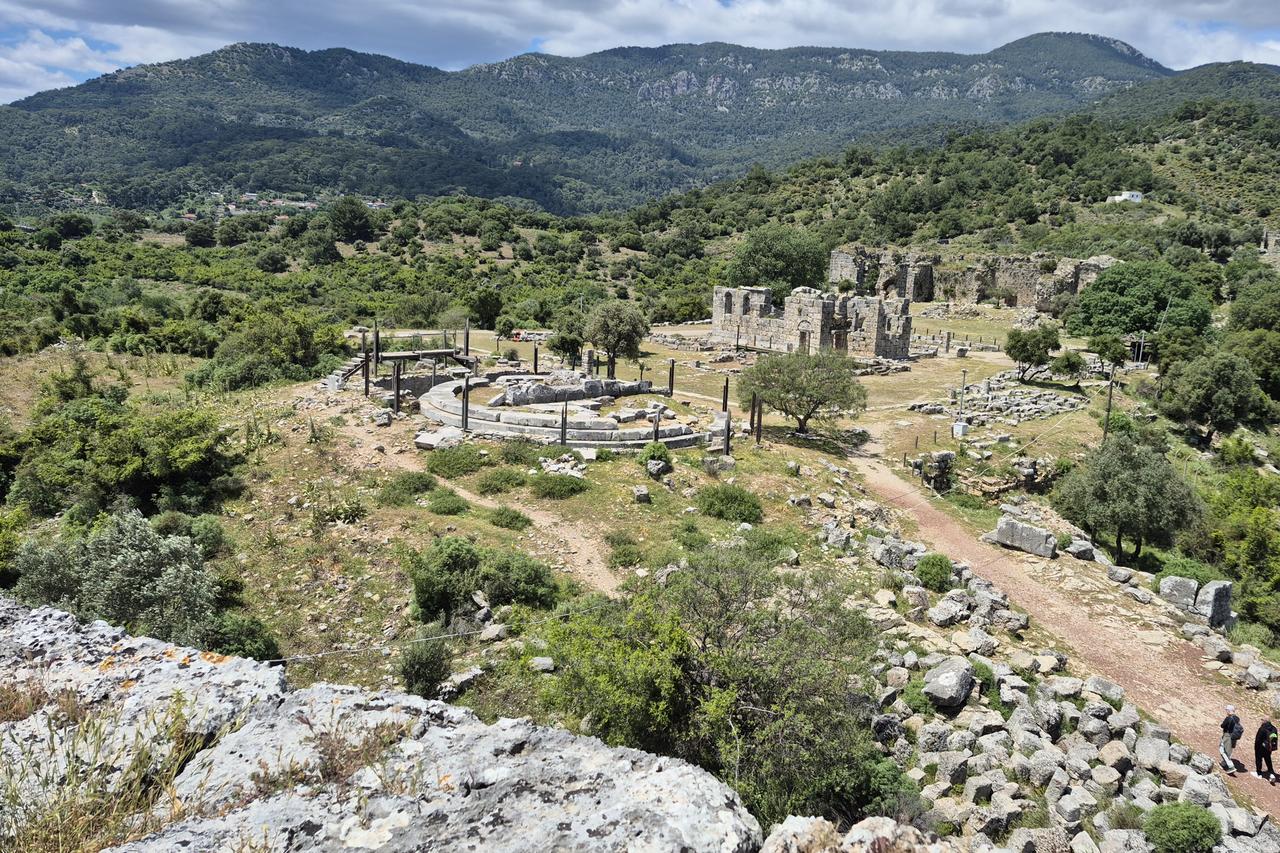


In the ancient city of Kaunos, archaeological excavations have been carried out without interruption for six decades, gradually revealing a multi-layered past that stretches back roughly 3,000 years and continues to offer new insights into the region’s long-term settlement history.
Located in the Koycegiz district of Mugla province, Kaunos has been on the UNESCO World Heritage Tentative List, a preliminary stage before full inscription that signals international cultural significance. Excavations at the site began in 1966 under Prof. Baki Ogun and have continued ever since, making it one of the rare long-running archaeological projects in Türkiye.
Over the years, researchers have brought to light a wide range of structures, including rock-cut tombs, a 5,000-seat theater, a basilica, bath complexes, an agora (a central public square in ancient Greek cities), and sanctuaries dedicated to deities such as Demeter, Apollo and Artemis.
More recent discoveries have also pointed to traces from later Turkish and Ottoman periods, showing that the site remained active long after antiquity.
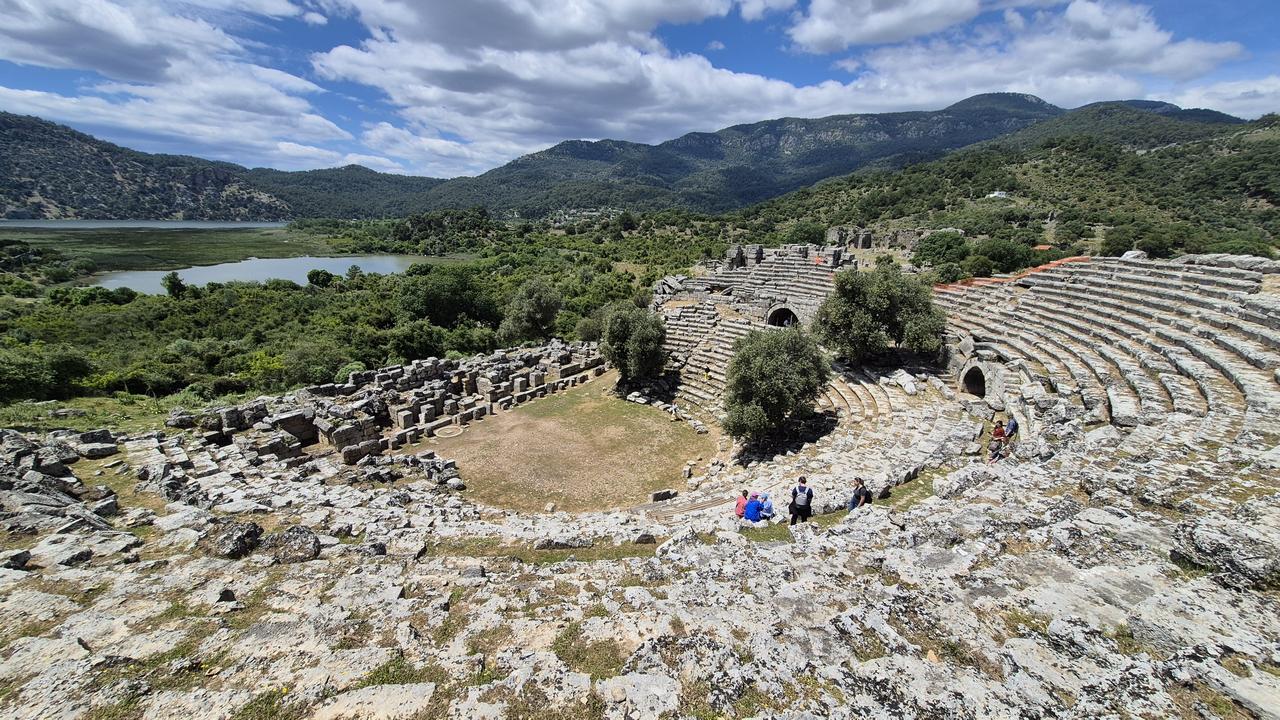

The excavation has evolved through academic continuity, as Prof. Cengiz Isik, who led the project from 2000, handed over responsibility in 2021 to his student, Assoc. Prof. Ufuk Cortuk. Cortuk, now the third-generation head of the excavation, said the team continues to build on the legacy of earlier scholars while expanding the site’s historical narrative.
He noted that maintaining uninterrupted excavation, restoration and conservation work over 60 years represents a significant achievement, emphasizing that each season contributes to a broader understanding of the city’s development.
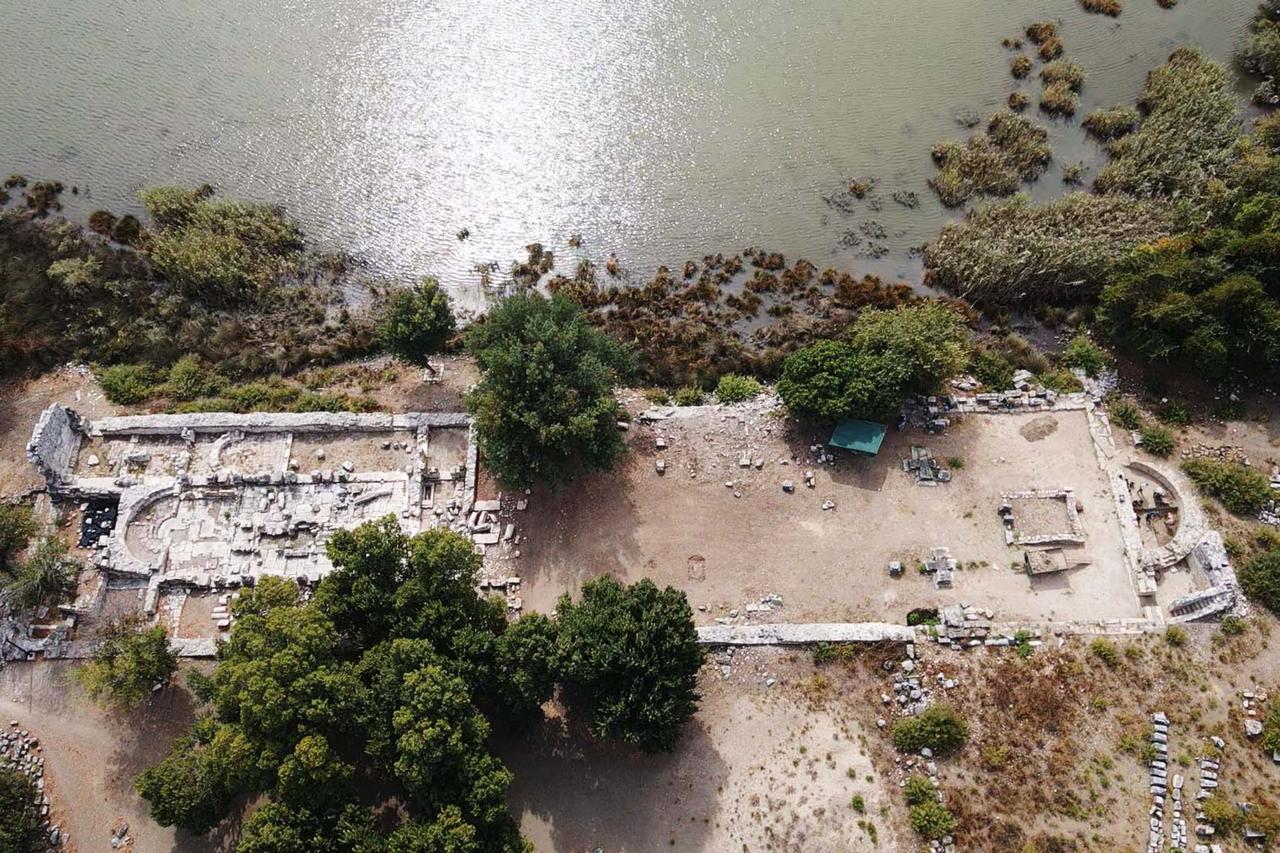
Recent work has focused on what is described as an “archaic inner wall monastery area,” a complex zone where excavations have intensified over the past three years. According to Cortuk, the team has uncovered structural elements and materials not commonly encountered in other ancient cities, suggesting unique phases of use.
The area spans approximately 3,250 square meters and includes cisterns (water storage systems), vaulted rooms, clusters of interconnected spaces and narrow passageways. Findings from this zone have begun to shed light not only on the city’s earliest phases but also on its later periods of use, offering a more complete picture of how Kaunos evolved over time.
Cortuk highlighted the importance of these discoveries, stating: “The data we have obtained over the past three years in the archaic inner wall monastery area has provided valuable insights into both the deep history of the city and its final phases of use.”
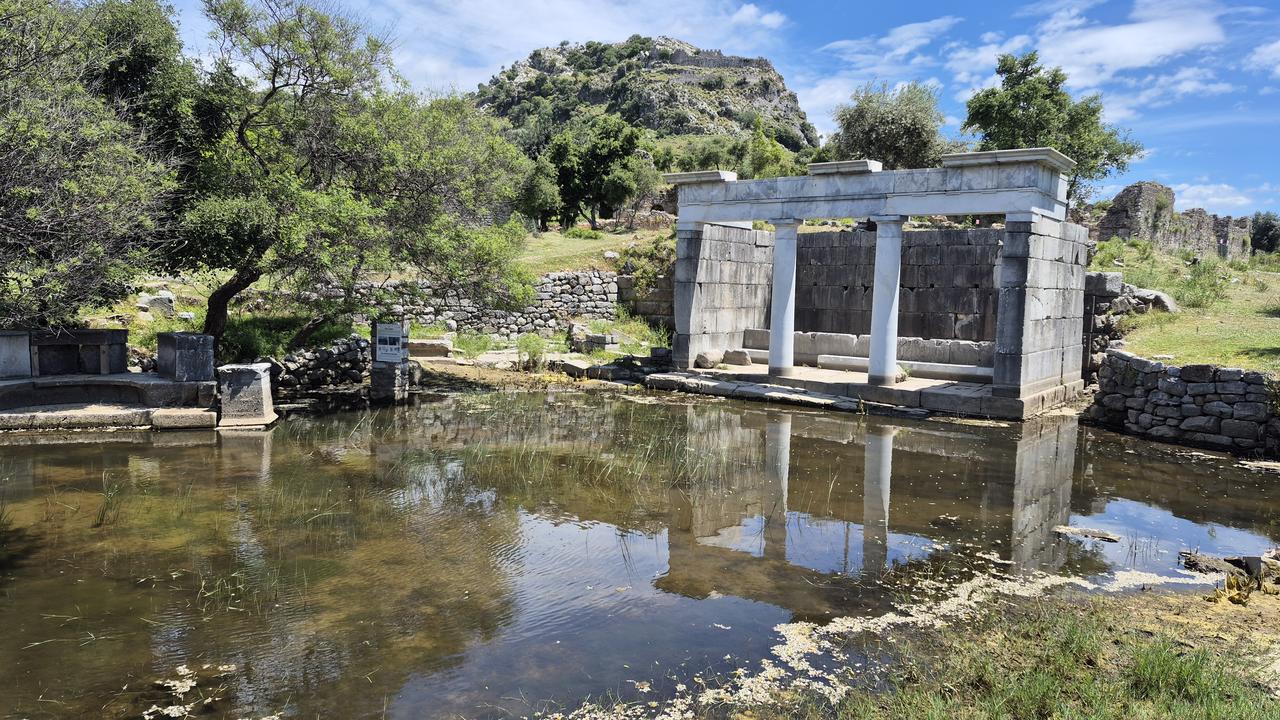
Excavation efforts at Kaunos are supported by multiple Turkish institutions, including the Ministry of Culture and Tourism, the General Directorate of Cultural Heritage and Museums, the Turkish Historical Society, and regional authorities in Mugla.
As the project enters its 60th year, the excavation team is preparing for a new season with expectations of further discoveries. Cortuk indicated that the upcoming work may reveal additional layers hidden beneath the surface, reinforcing the site’s role as a key reference point for understanding the region’s long-term cultural landscape.


 Set as preferred source
 Set as preferred source


 1 min read
 1 min read