Newsletters




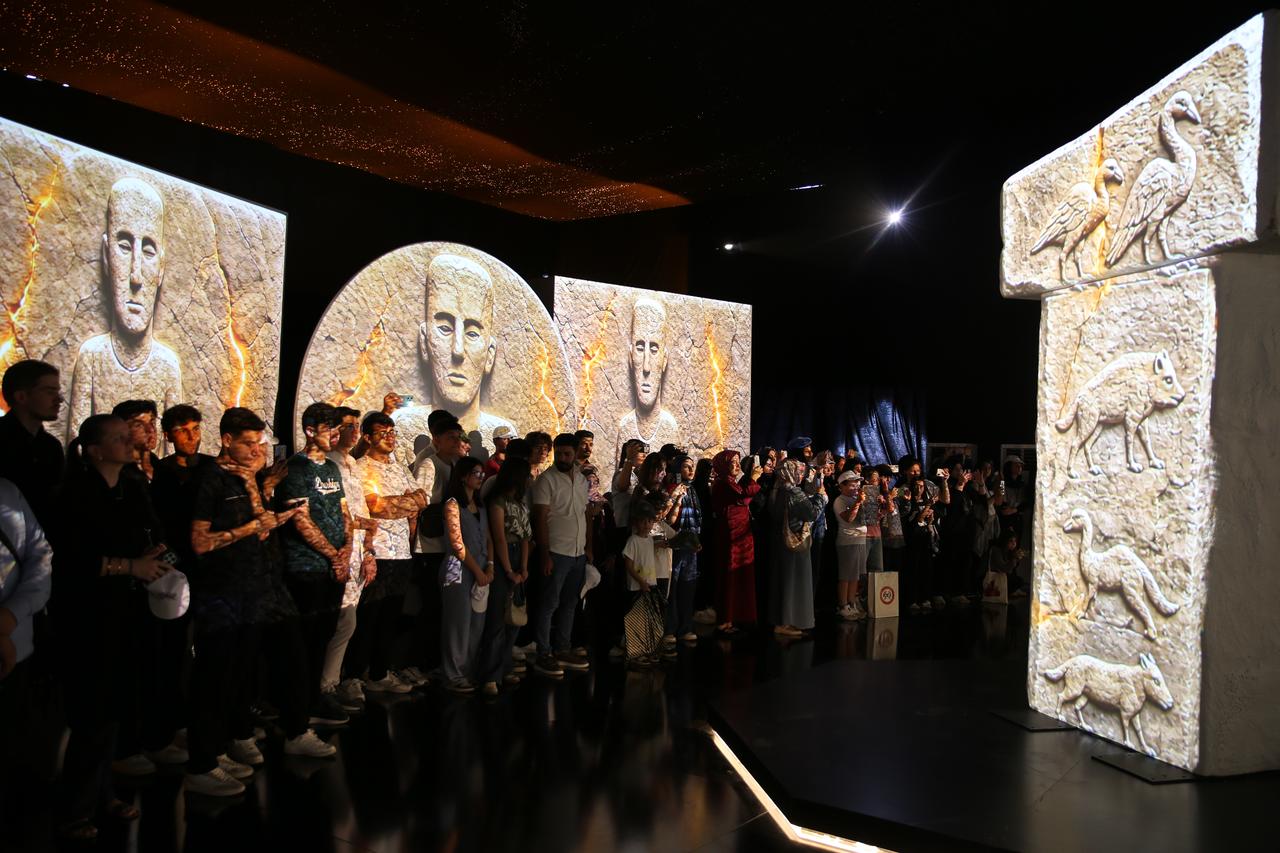
Tucked away in Istanbul’s Kagithane district, the Hisart Living History and Diorama Museum offers visitors a different way to experience history.
Instead of static display cases, the museum builds entire scenes that bring past events into focus.
Founded in 2014 by collector Nejat Cuhadaroglu, the museum brings together thousands of artifacts, life-sized figures, and detailed dioramas that span centuries of regional and global history.
For visitors and expats looking for something beyond Istanbul’s well-known landmarks, Hisart offers an immersive alternative that turns historical knowledge into a visual experience.

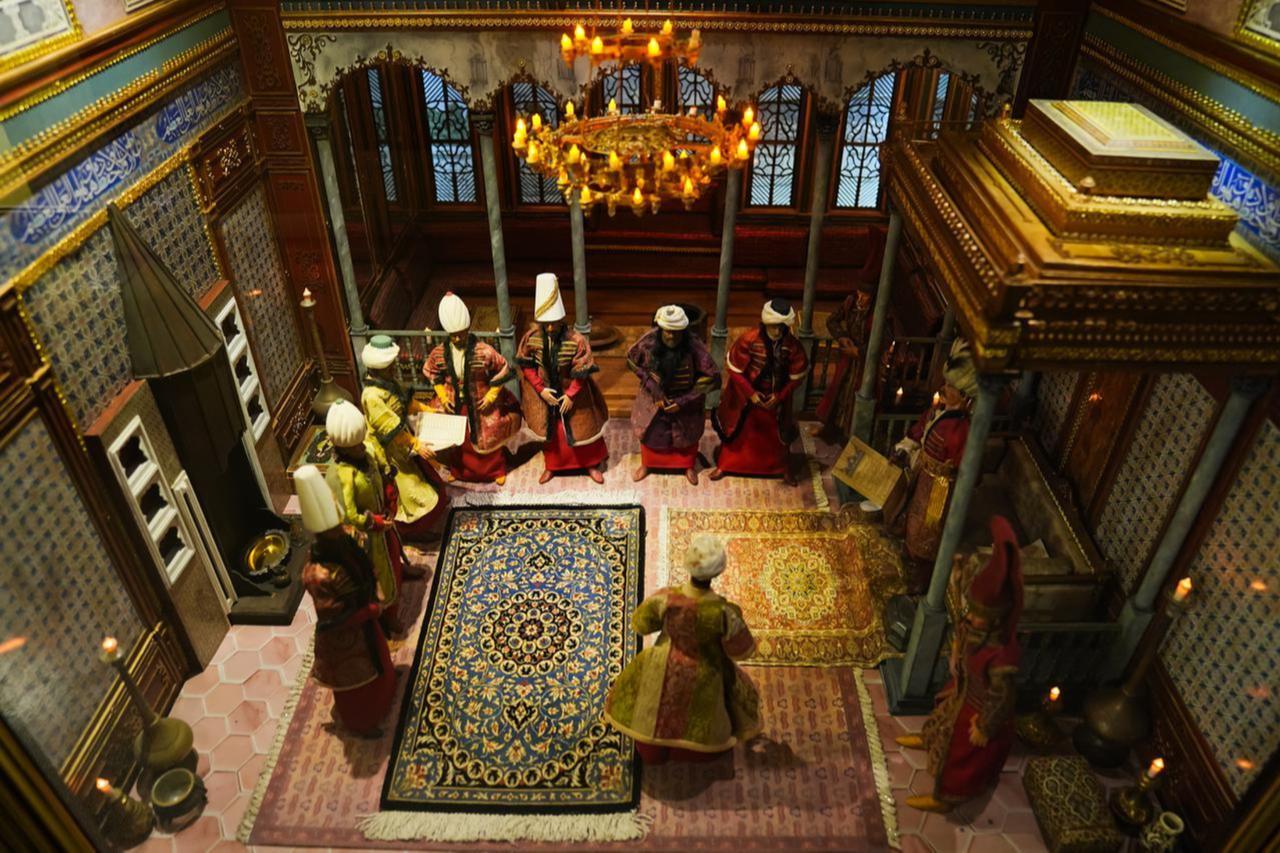
Hisart does not follow a traditional museum format.
Objects are not presented in isolation but placed within carefully constructed scenes that recreate historical moments.
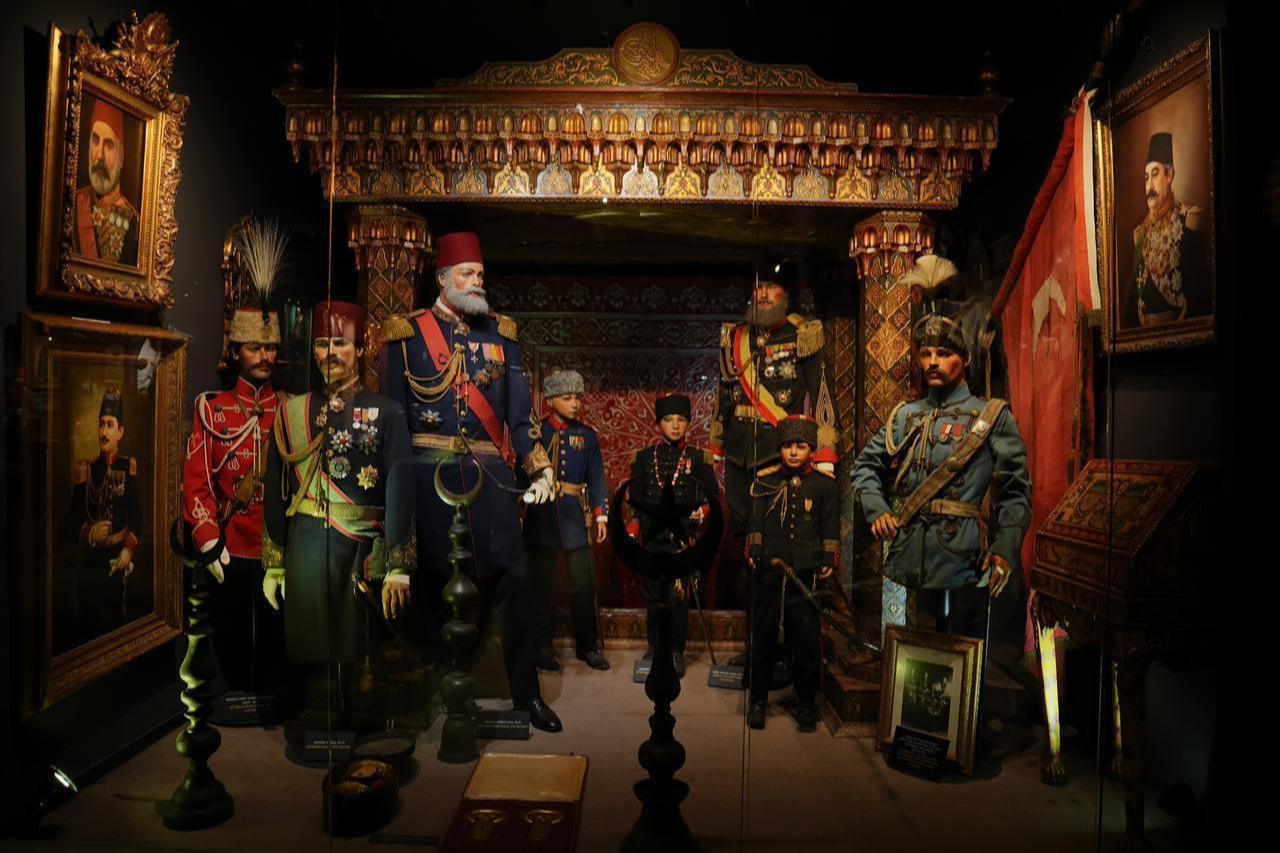
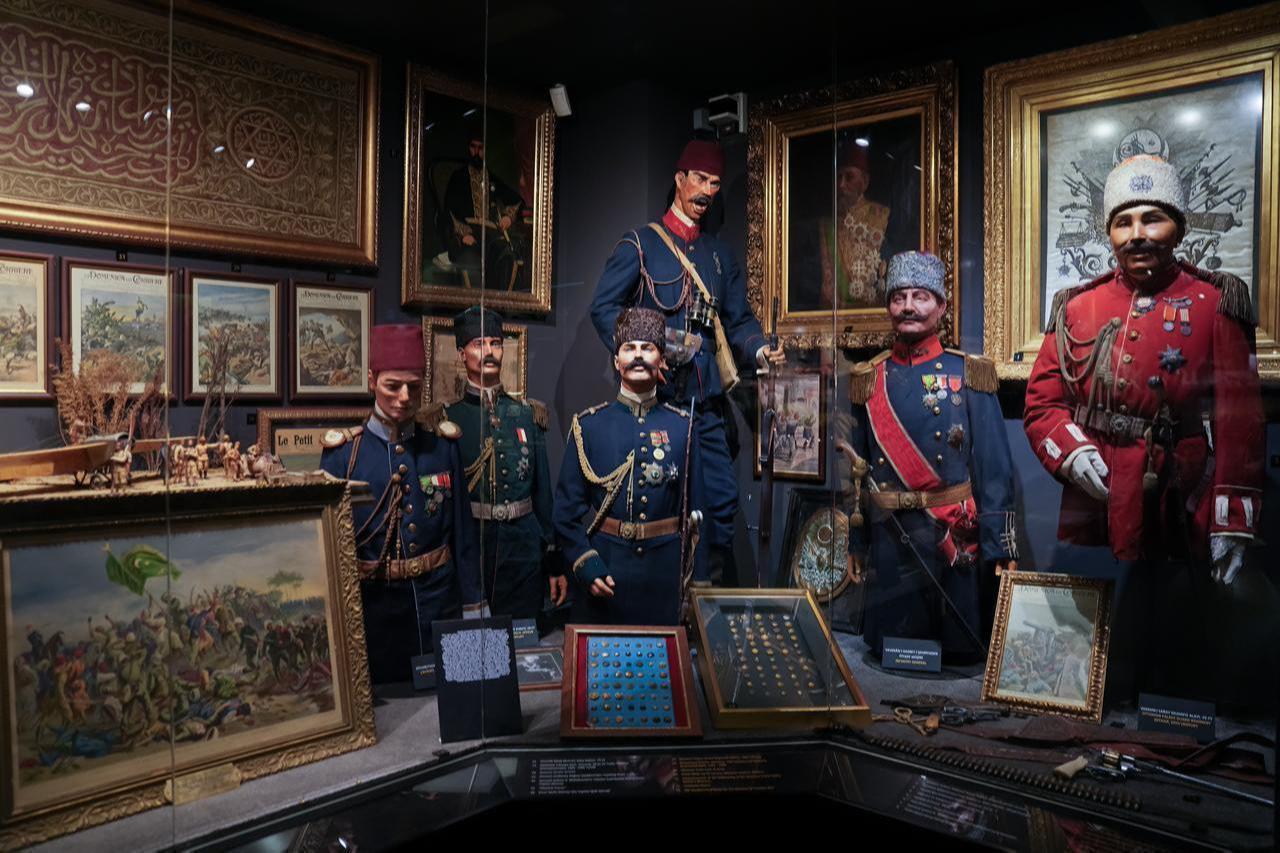
The museum includes around 500 mannequins arranged in battlefields, command centers, and everyday environments. These scenes use original artifacts, uniforms, and equipment to reflect real conditions as closely as possible.
Rather than moving from one display case to another, visitors move through staged episodes that connect objects to narrative.
Founder Nejat Cuhadaroglu has said the idea grew from a lifelong interest in drawing and model making, which later evolved into collecting. Some of his early works are still on display, reflecting the personal scale of a collection built over decades.
The museum’s collection spans a wide historical timeline, beginning with the Eastern Roman (Byzantine) period and continuing through the Seljuk and Ottoman eras into the modern Republic.
Visitors can follow key moments such as the 1453 conquest of Istanbul, the Balkan Wars, World War I, the Turkish War of Independence, and World War II.
The narrative is not limited to Türkiye. It also includes scenes from conflicts such as Korea, Vietnam, and Cyprus, placing regional history within a wider global framework.
Thousands of objects are displayed across this timeline, including weapons, medals, engravings, and personal belongings linked to historical figures. These items also reflect the craftsmanship, materials, and symbolic language of their time.
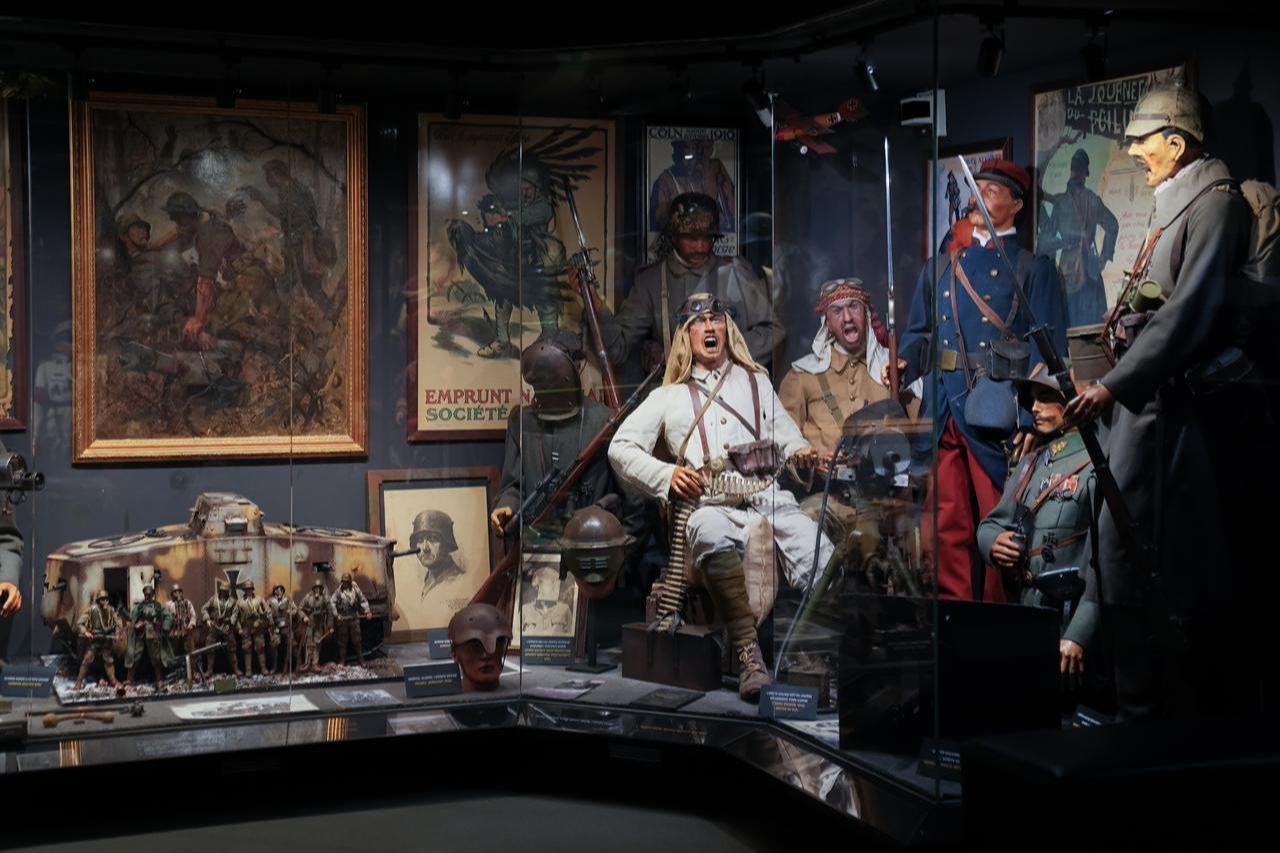
One of the defining features of the museum is how it reconstructs moments where no visual records exist.
For more recent events, dioramas are based on historical photographs to ensure accuracy. For earlier periods, designers rely on written sources and surviving artifacts to build informed interpretations.
Museum director Omer Calsimsek said many visitors react strongly to the material reality of past conflicts. Speaking about the War of Independence section, he said visitors often ask, “Was this really what they used?” after seeing the limited equipment on display.
He said this response shows how difficult it is to understand hardship without seeing it. The museum aims to show not only outcomes, but also the shortcomings and conditions behind them.
A dedicated section focuses on Mustafa Kemal Ataturk, tracing his role from military commander to founding leader of the Republic.
Uniforms and personal items illustrate this transition and provide a more tangible view of a period that shaped modern Türkiye. The presentation avoids a purely instructional tone and instead allows visitors to engage directly with the material.
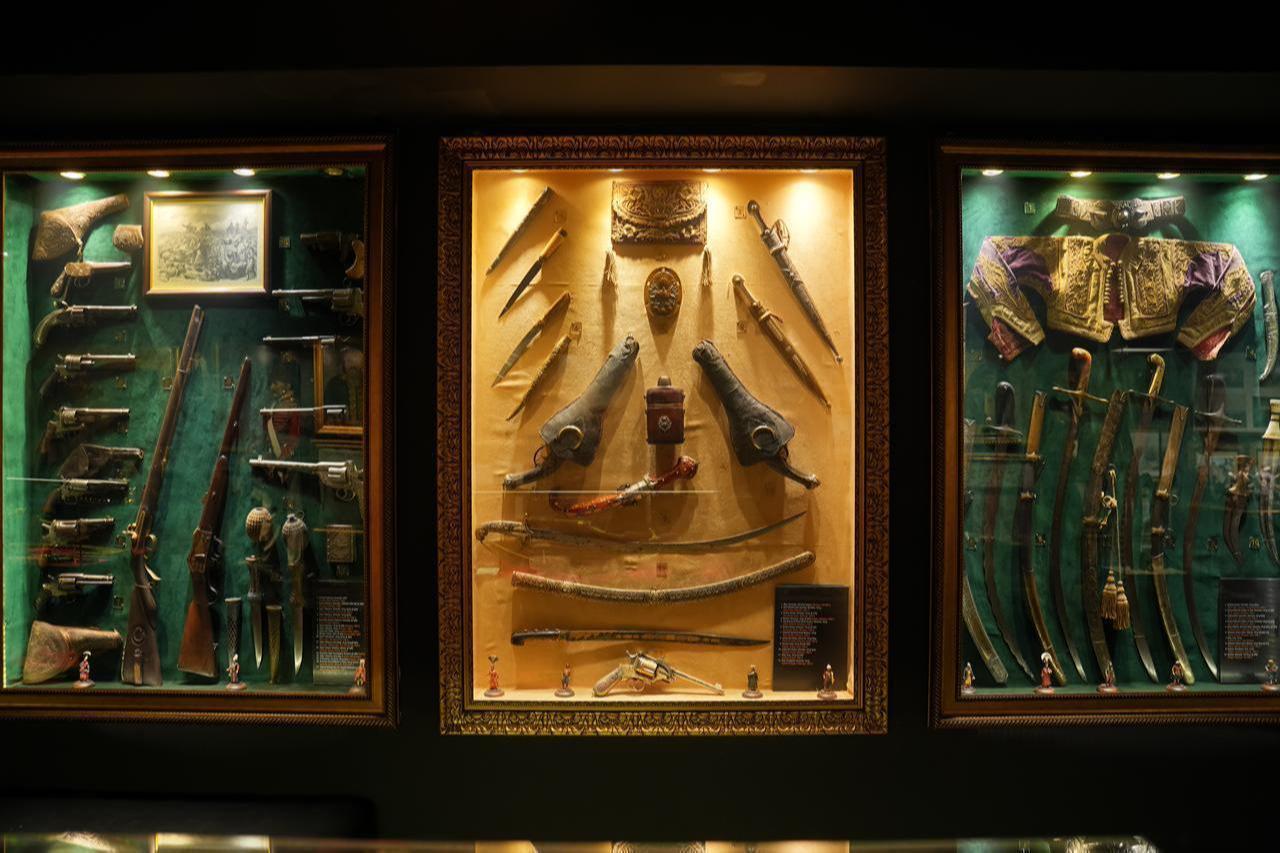
Hisart is now preparing to expand beyond its Istanbul base.
Plans for 2026 include international exhibitions, with projects expected in the United States, Europe, the Middle East, and Turkic republics. The aim is to present Türkiye’s historical narrative to a wider audience and position the museum within a broader cultural exchange.
The collection has already been exhibited across Türkiye, with around 20 exhibitions held in major venues such as the Ataturk Cultural Center, Atlas Cinema, and the Presidential Complex.
What you should know before going
Ticket prices:
If you want to see how history actually looked and felt, Hisart lets you walk through reconstructed scenes rather than just reading about them.


 Set as preferred source
 Set as preferred source


 2 min read