Newsletters


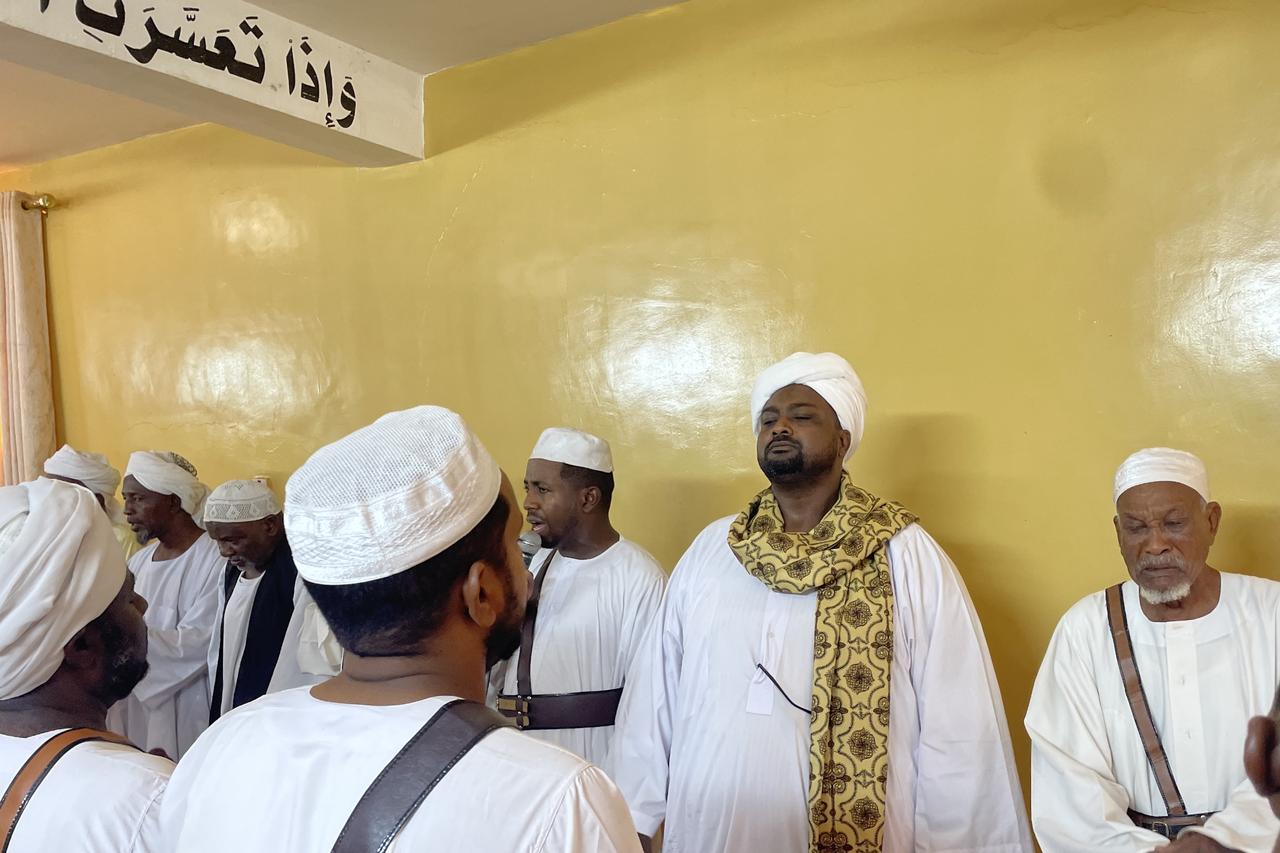


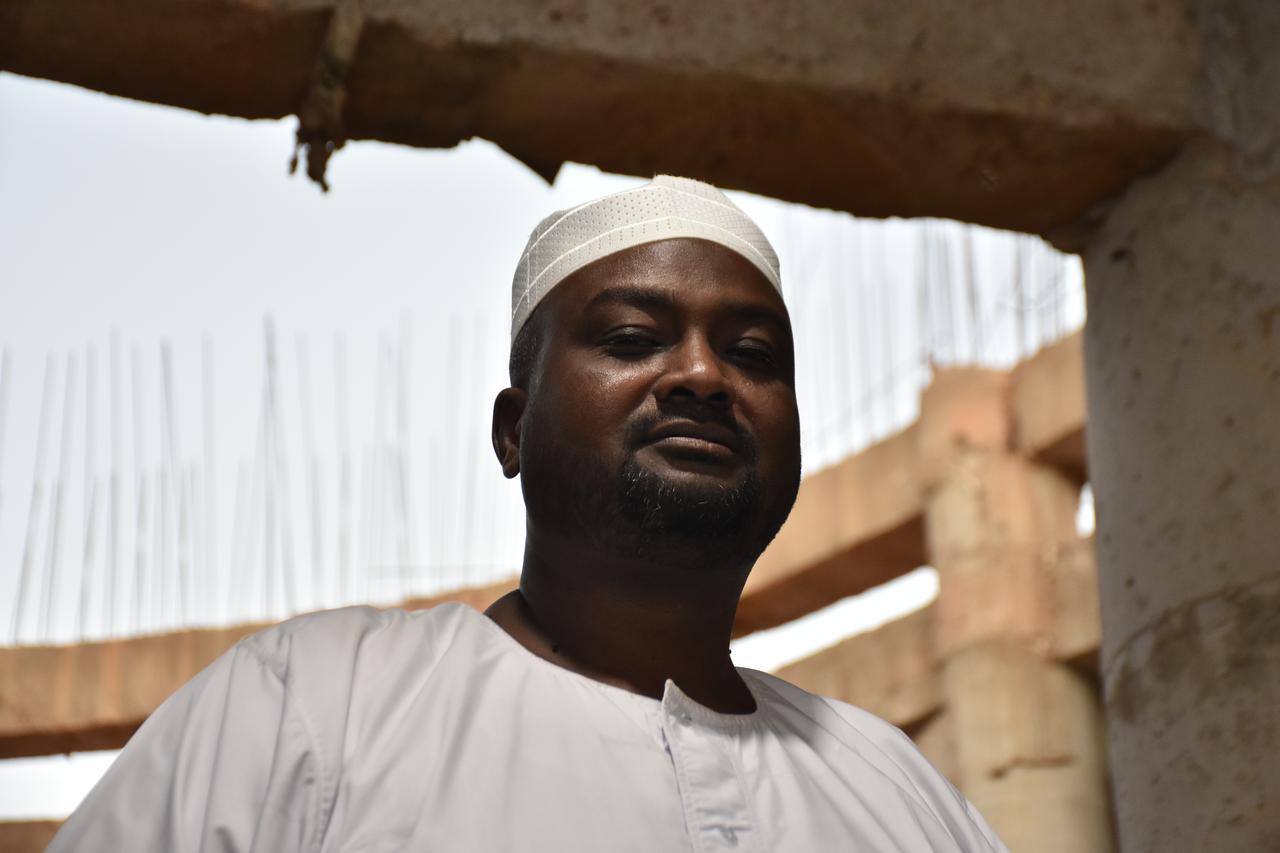
The sheikh of Sudan’s Sammaniyya Sufi order said the group has long-standing spiritual links with Türkiye through the Halvetiyye Sufi tradition
He thanked the Turkish people and government for what he described as support for Sudan.
Speaking to an Anadolu Agency correspondent in Omdurman, near Sudan's capital, Khartoum, Abdulwahab said the Sammaniyya order is rooted in Türkiye through its link to the Halvetiyye and stressed that these connections remain active through an unbroken chain of transmission.
The name "Sammaniyya" derives from its founder, Muhammad bin Abd al-Karim al-Samman, who he described as a descendant of Abu Bakr, a close companion of the Prophet Muhammad.
"He was from Medina, and his grave is in al-Baqi Cemetery," Abdulwahab said.
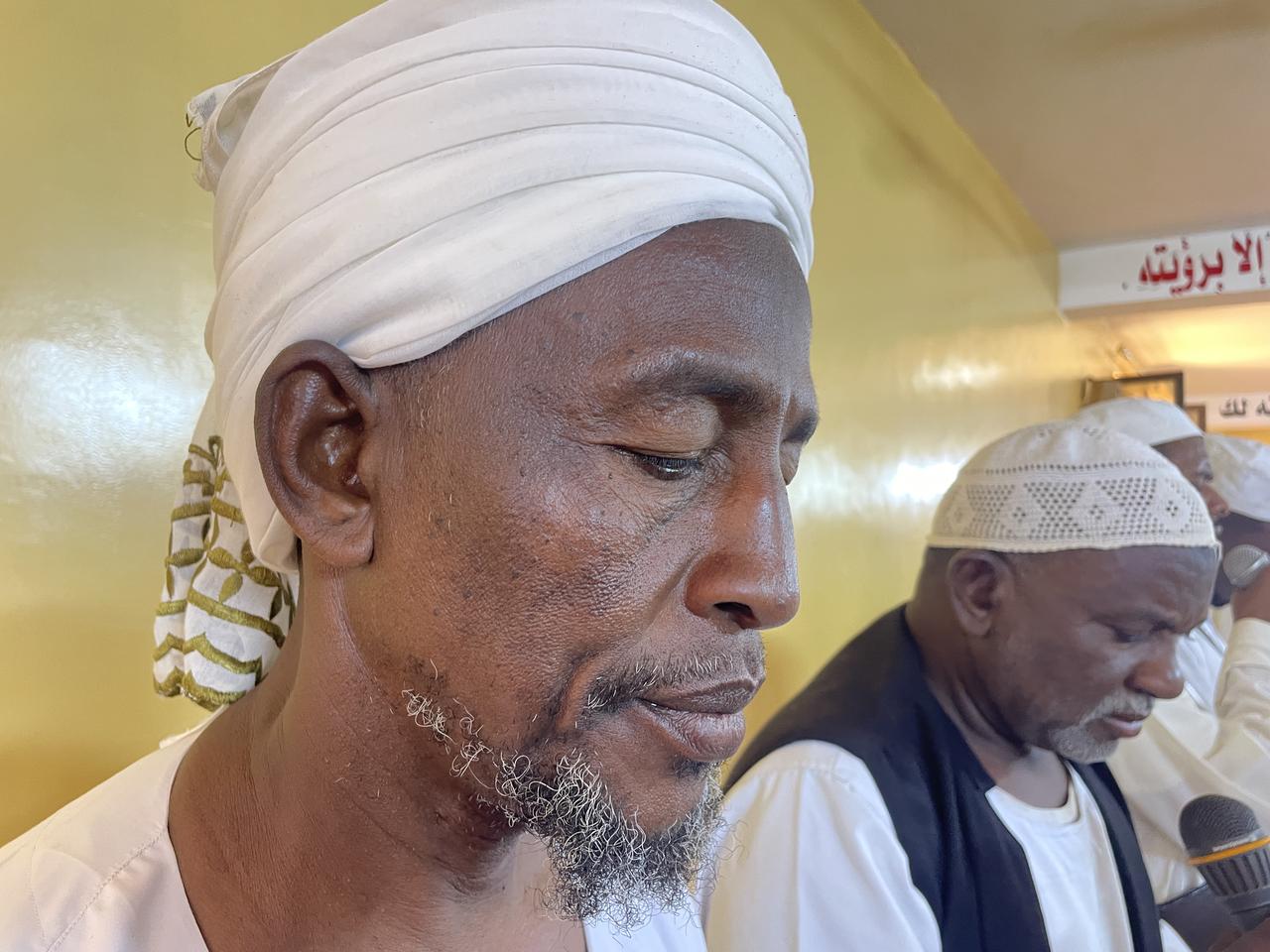

Born in Medina in the 18th century, the Sammaniyya order, rather than being an independent order in Ottoman Istanbul and Anatolia, gained prominence as a branch of the Halvetiyye, becoming influential in Sudan, Egypt, North Africa, and Southeast Asia.
Abdulwahab said the path "came from Türkiye," naming among well-known Halveti figures Kastamonulu Arif-i Billah Shaykh Saban-i Veli and Hayrettin Tokadi.
He also said the order has historically attracted scholars by balancing the relationship between madrasas and tekkes.
He also added that the cooperation of many of its shaykhs with Ottoman governors in Sudan helped strengthen ties between the public and the state.
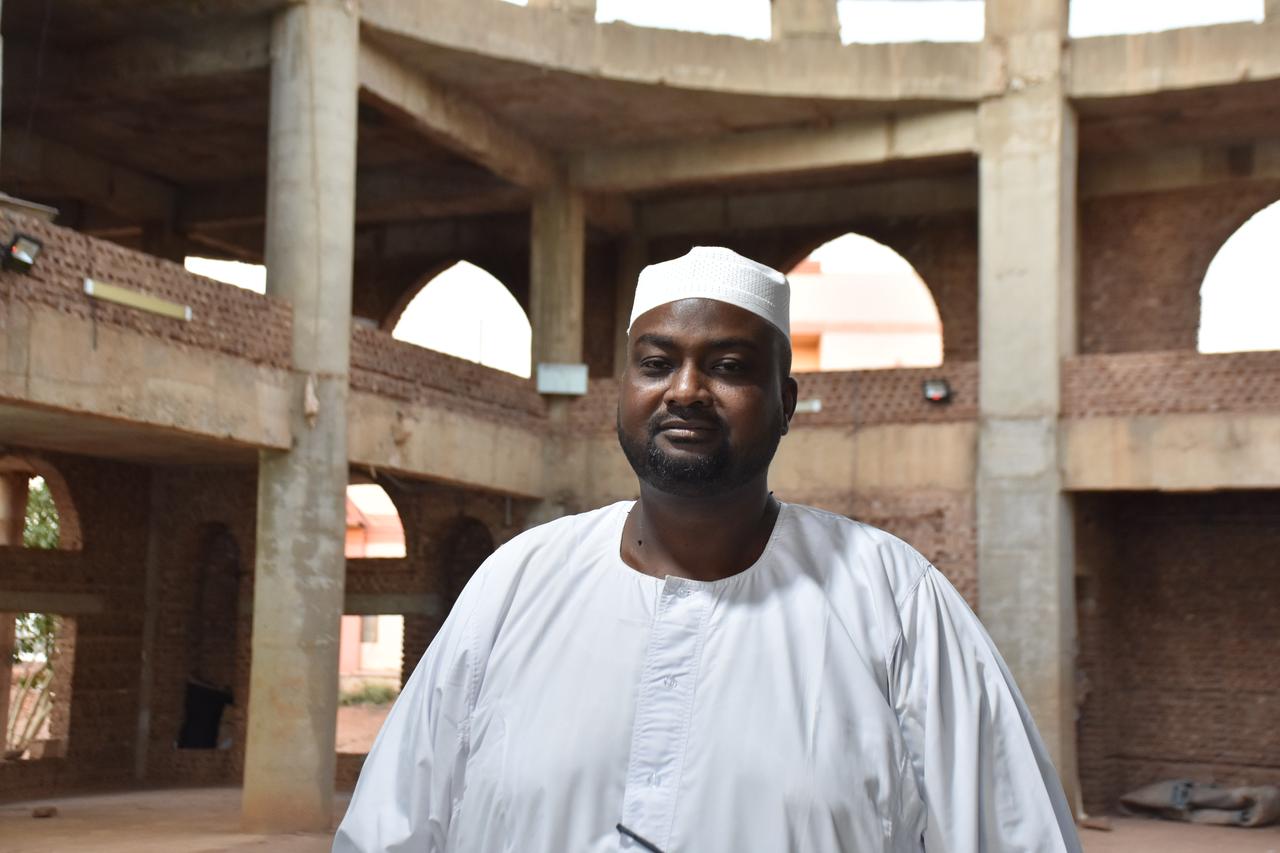
Recalling his family's religious service in Omdurman, Abdulwahab said his grandfather, Shaykh Gharibullah, began serving Muslims in the city.
He added that the Sammaniyya path arrived in Sudan more than 250 years ago.
"The Sammaniyya Order was brought from Medina to Sudan more than 250 years ago by our great ancestor Shaykh Ahmad al-Tayyib," he said.
"Ahmad al-Tayyib has a shrine and a large mosque to the north of Omdurman, and both his spiritual legacy and his descendants spread the path within Sudan," he added.
Abdulwahab said the order practices various forms of remembrance, or dhikr, and described a continuing connection to Halveti figures associated with Türkiye, saying the chain of transmission back to the Prophet is recorded in their books.
He also named Mustafa al-Bakri, originally from Aleppo, as a major figure who spread the Halveti path in Egypt and the Hijaz.
Abdulwahab said the Sammaniyya is widely known as the "Order of Scholars" and highlighted what he described as a documented connection to Aksemseddin, the mentor of Sultan Mehmed the Conqueror.
"Shaykh Aksemseddin is the spiritual conqueror of Istanbul," he said, adding that while Istanbul was conquered militarily by Sultan Mehmed, Aksemseddin prepared him and instructed him in the Halveti path.
Abdulwahab said that within their chain of transmission is Shaykh Mibram al-Halveti, whom he described as Aksemseddin's brother in the order, and said this spiritual bond is documented by the order.
Turning to the situation in Sudan, Abdulwahab said "true salvation lies in following the path of the Prophet," and argued that Sudan's core issue is not political rivalry but an assault by those seeking the country's wealth, including "gold, agriculture, fisheries, and livestock."
He said the Rapid Support Forces, or RSF, have committed rape against women, burned mosques, and carried out looting.
"As a people, we stand with our army, because the attacks are directed not only at the army but at civilians," he said. "The RSF has done every evil. They seek to steal Sudan's resources."
Abdulwahab stressed unity as the path to salvation and called for solidarity with Sudan, saying support can take the form of "ideas, money, weapons, or prayer."
Concluding his remarks, Abdulwahab again emphasized solidarity and offered special thanks to Türkiye for what he called its support for Sudan.
"We thank President Erdogan and the Turkish people. You carry the banner of Islam and stand with truth and the oppressed," he said. "May God protect you and grant you victory."


 Set as preferred source
 Set as preferred source


 3 min read