Newsletters


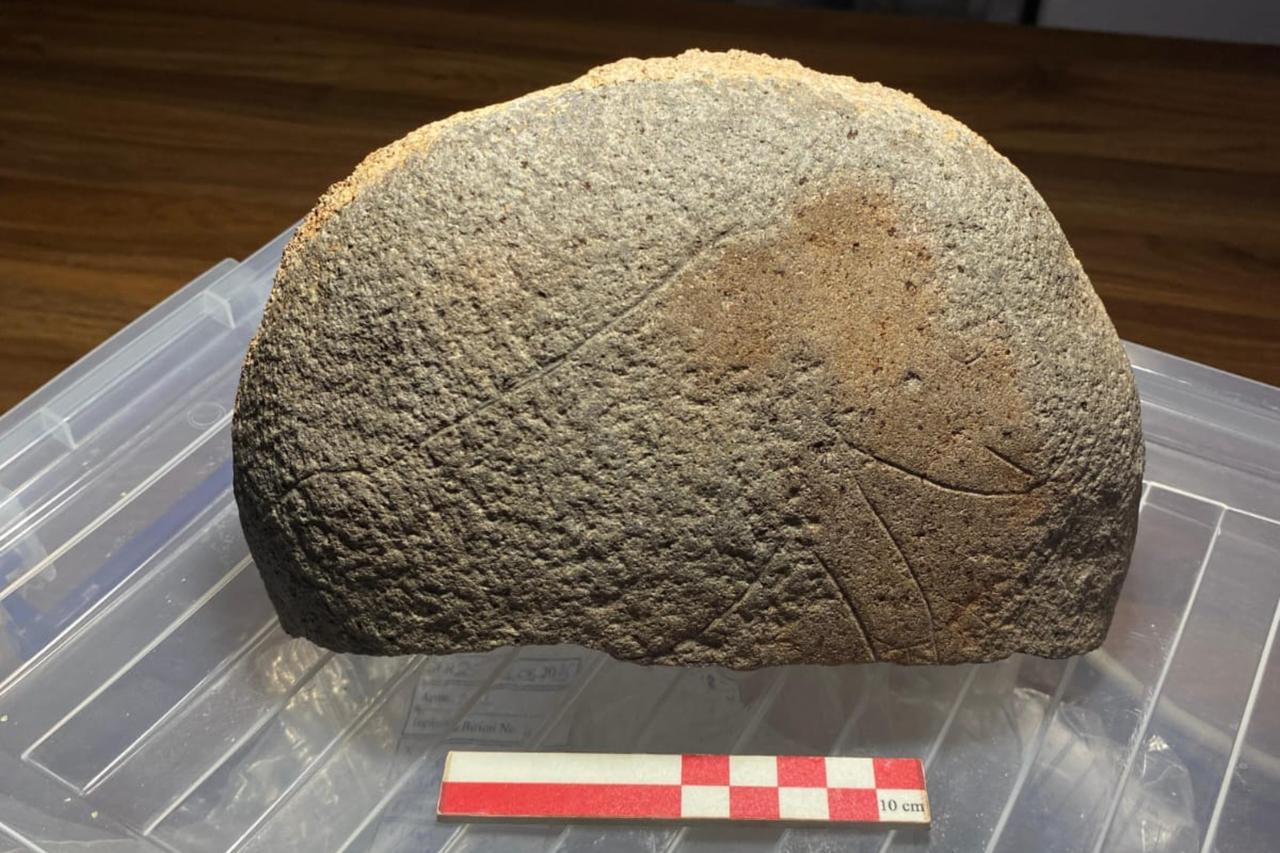


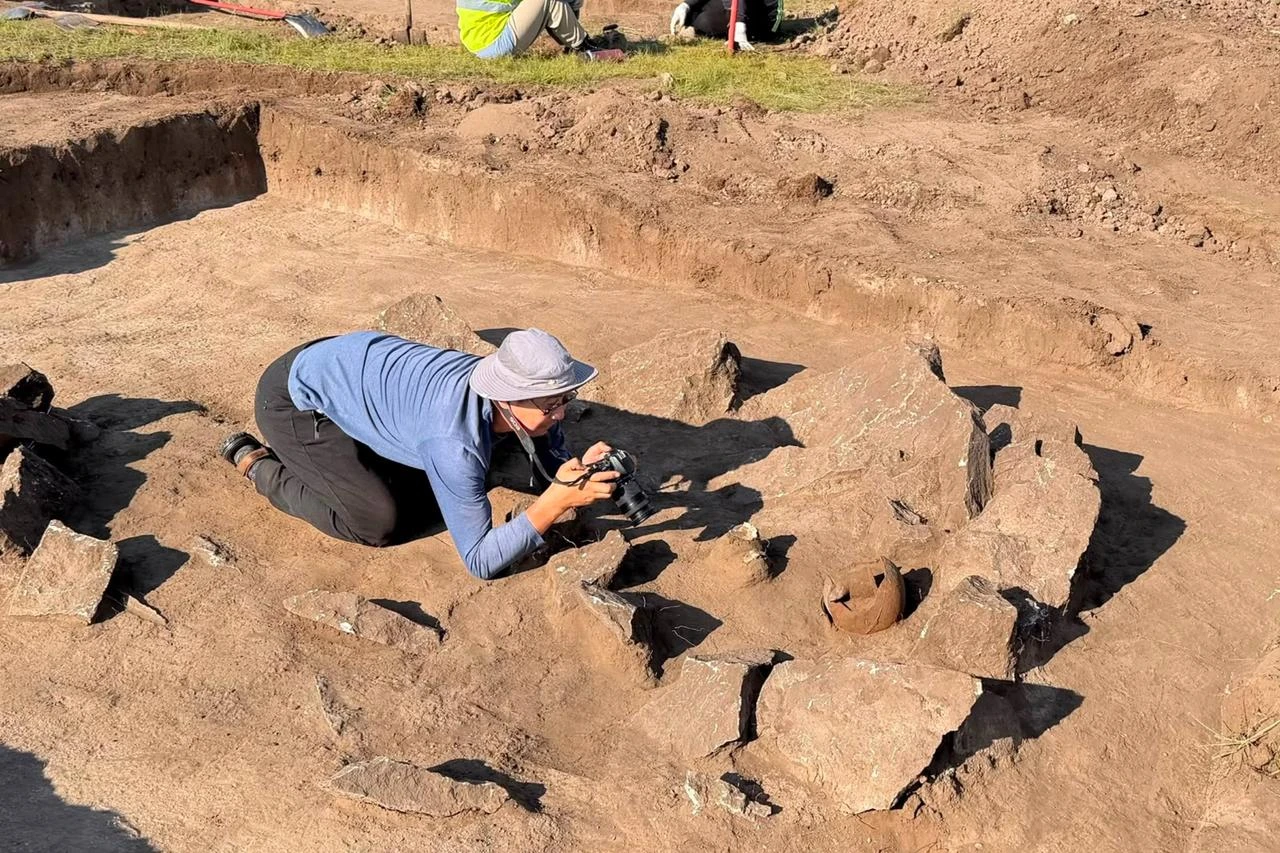
Archaeologists working in Sefertepe, one of the key Neolithic sites within the wider Tas Tepeler (Stone Mounds) region of southeastern Türkiye, have identified a finely carved depiction of a baby wild boar on the back surface of a grinding stone.
The discovery was reported from ongoing excavations led by Associate Professor Emre Guldogan of Istanbul University’s Department of Prehistoric Archaeology and was first shared by Arkeolojihaber, a Turkish social media news channel.
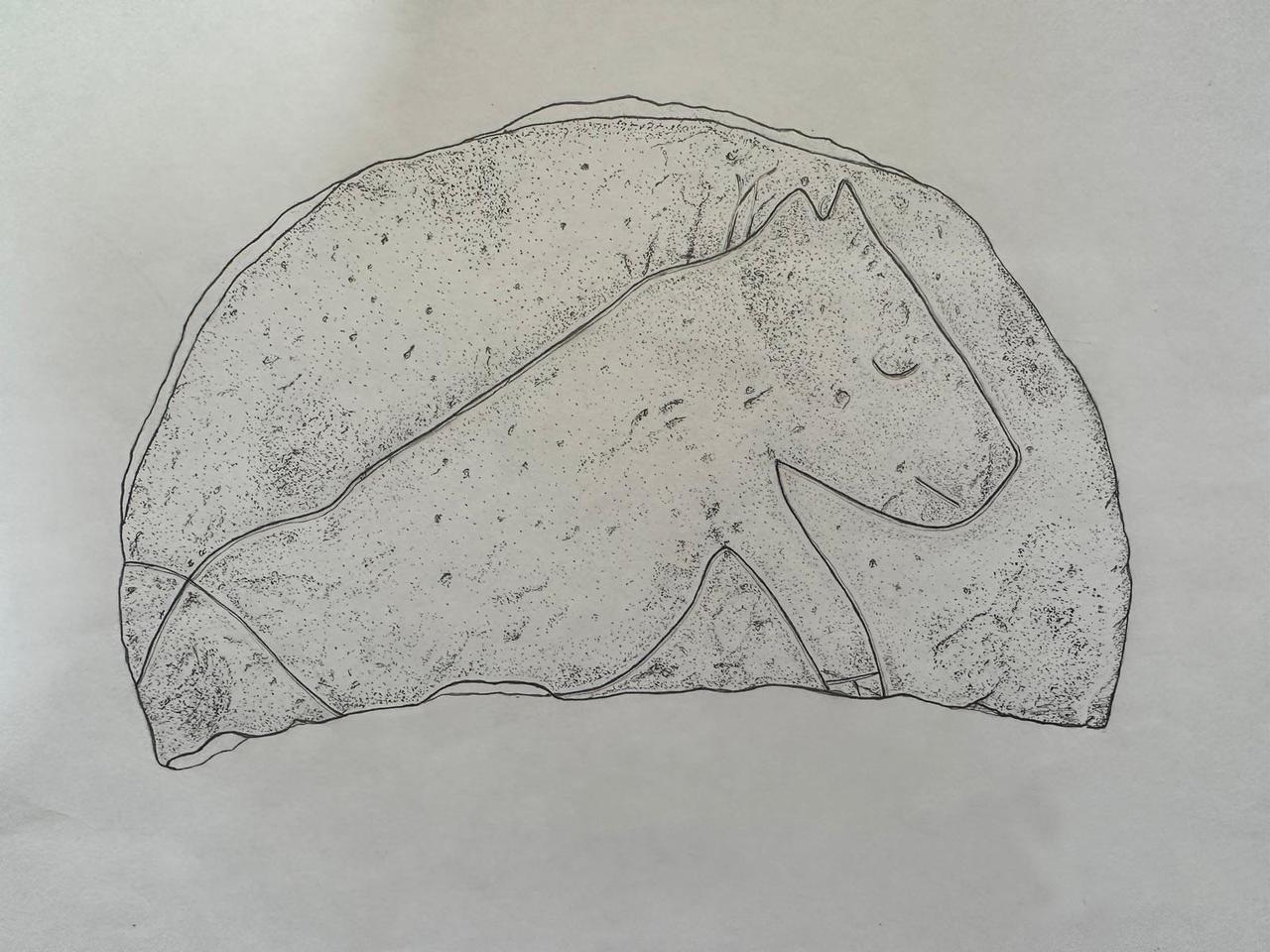

According to the excavation team, the carving was revealed on the reverse side of a lower grinding stone that had clearly seen extensive use. Guldogan explained that the back of the stone appeared to have been treated as a kind of “canvas,” where the animal's head was rendered with noticeable precision, while its front legs and hoof were shaped through thin incised lines.
He noted that the body of the young boar extended across most of the stone’s surface, with the eye and mouth carefully highlighted and its ears and mane clearly distinguishable.
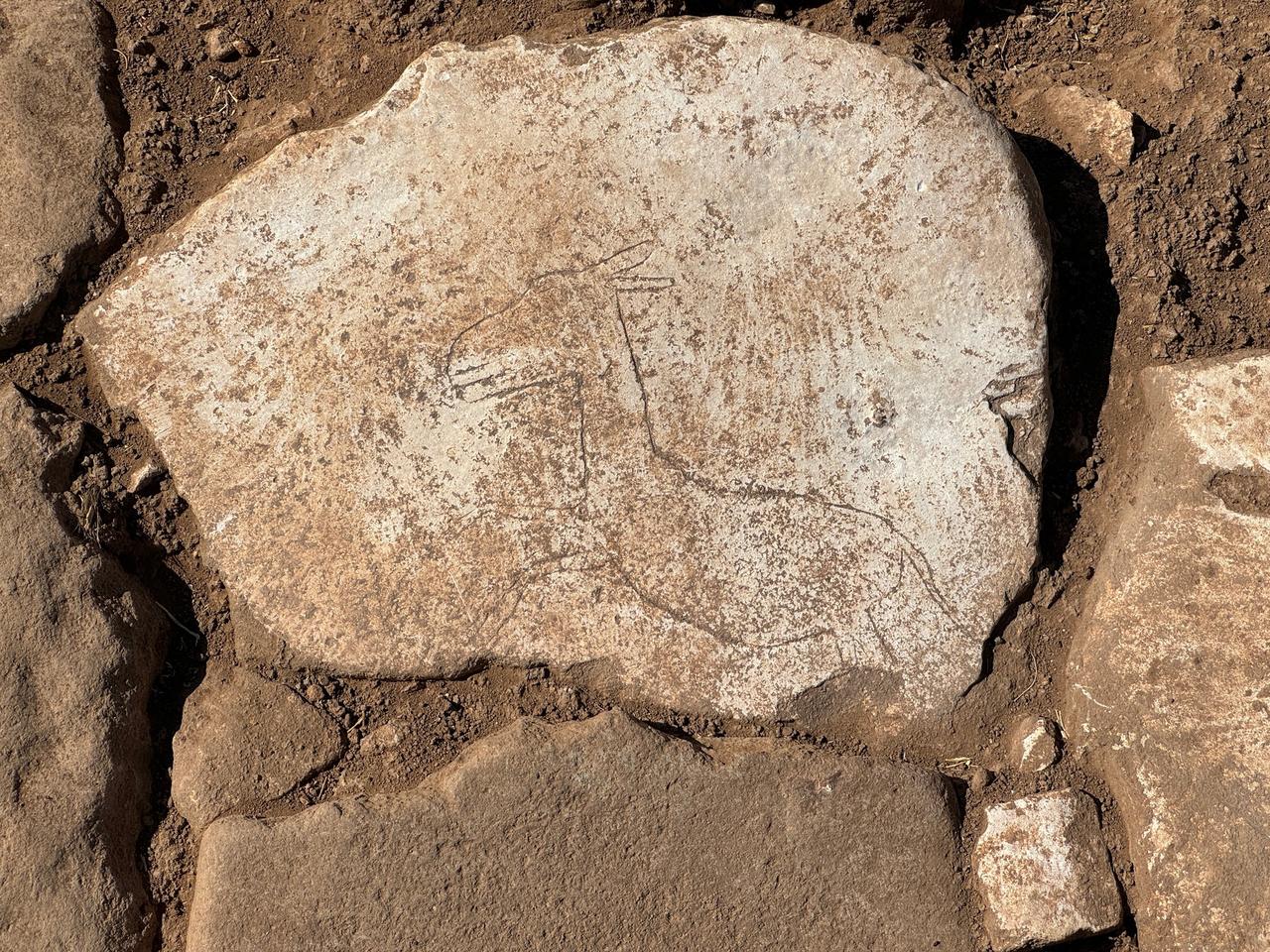
Researchers observed that the rear portion of the carving, including the tail and the division of the body, was executed in a more stylized manner.
The team pointed out that the technique closely resembles that of another animal depiction discovered in previous seasons at Karahantepe, another major Neolithic site in the same archaeological cluster. Guldogan remarked, “We consider that it was made using the same technique as the wild ass carving found at Karahantepe.”
 2 min read
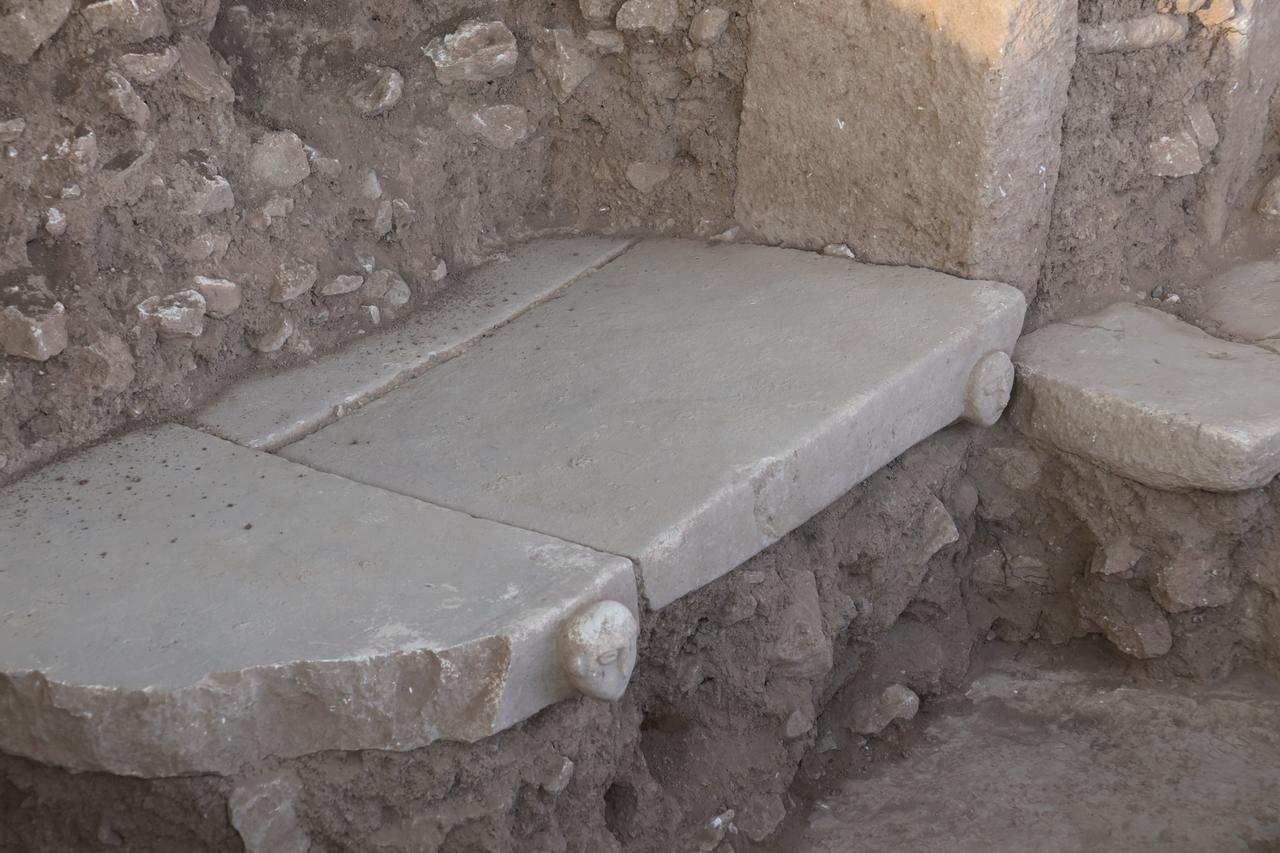
The discovery adds to the expanding catalogue of prehistoric imagery emerging from Tas Tepeler, a region defined by large communal buildings, stone pillars, and early artistic expression.
As excavations continue in Sefertepe under Istanbul University’s direction, the newly identified carving strengthens academic interest in how Neolithic communities represented the animals that shaped their daily lives.


 Set as preferred source
 Set as preferred source


 1 min read