Newsletters


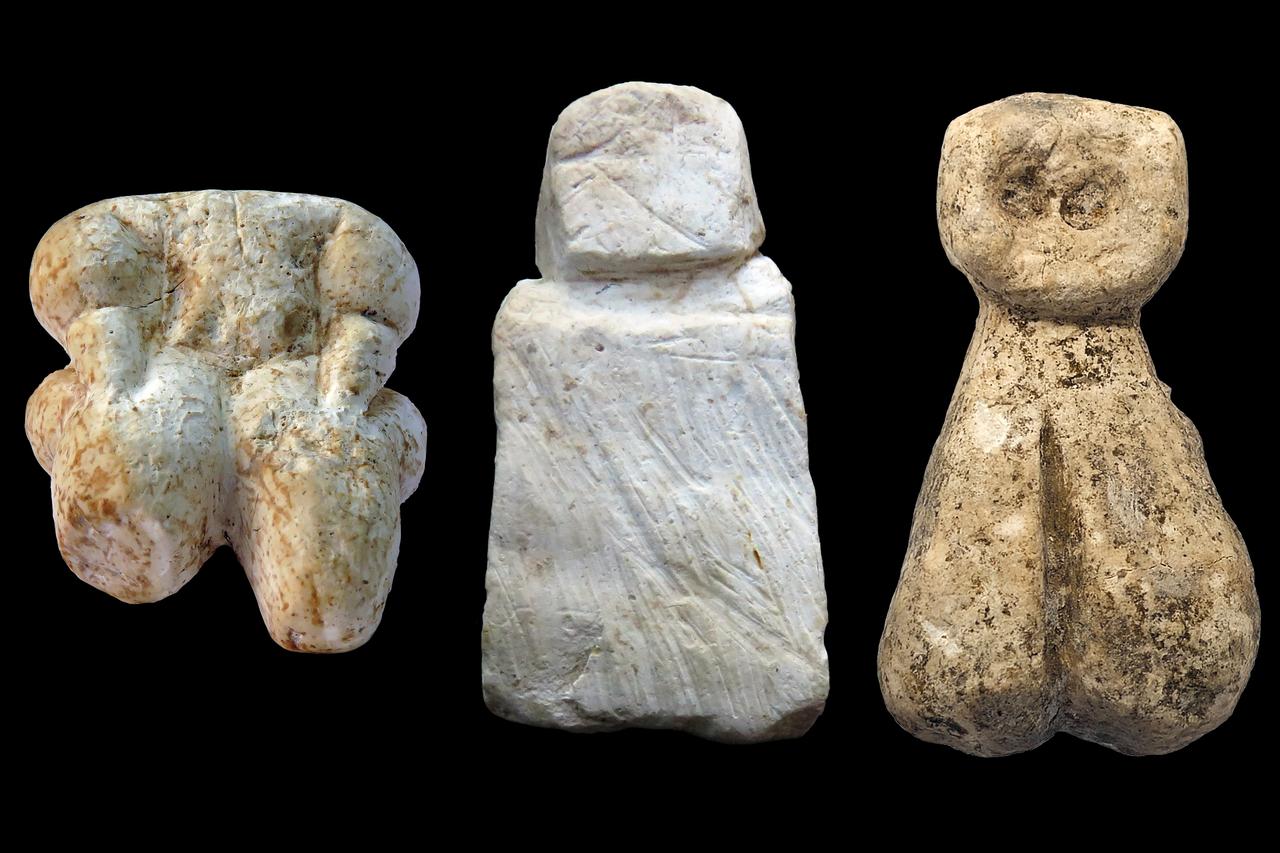


Small limestone and clay figurines unearthed at Gurcutepe near Sanliurfa are helping archaeologists rethink how Neolithic communities in the Tas Tepeler region changed their way of life once they left the famous limestone hills behind and moved down into the plain.

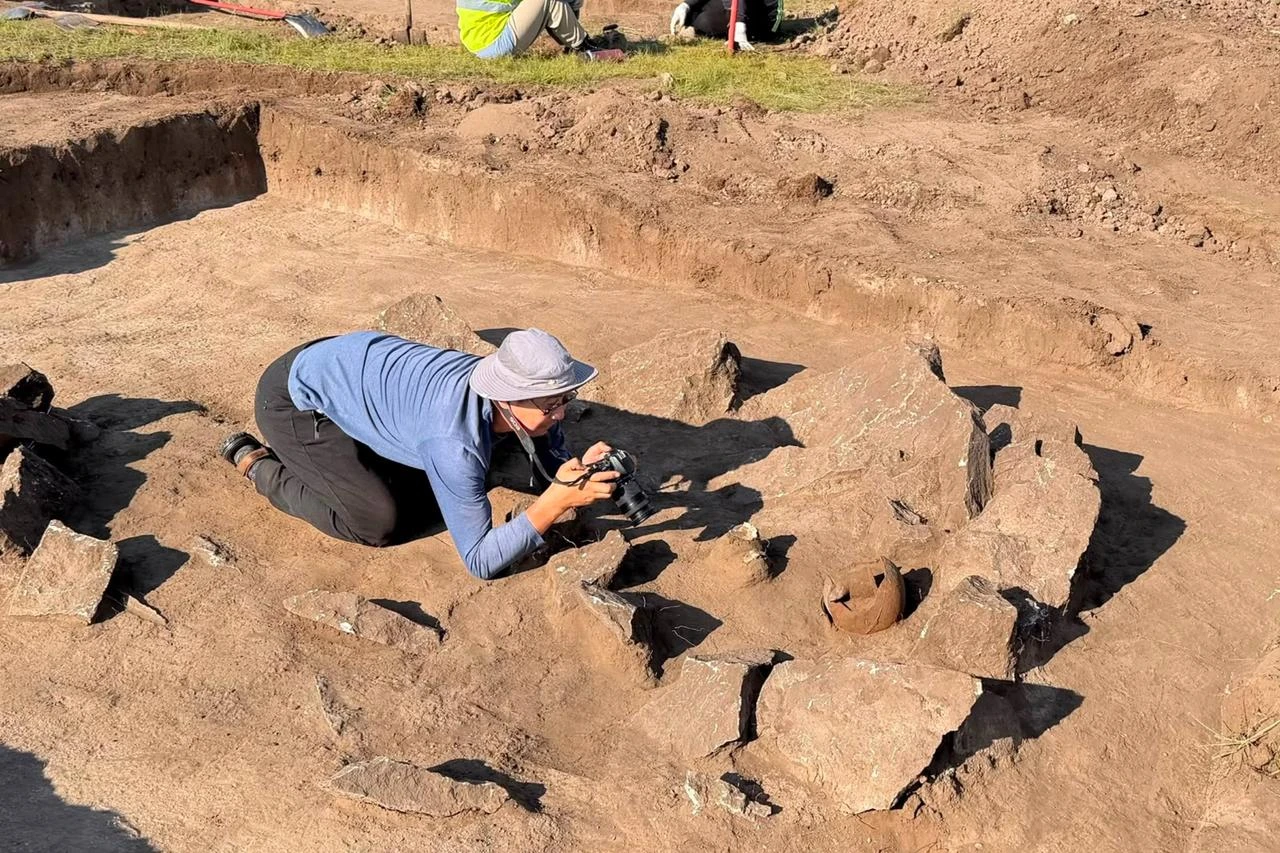
Gurcutepe lies about 4 kilometers southeast of Sanliurfa, on the northwestern edge of the Harran Plain, where natural springs and the Sirrin stream once shaped a favorable environment for settlement.
Archaeologists say that communities built eight closely spaced settlements there, four mounded and four flat, in an area that later became occupied by modern housing, leaving only part of one mound, Gurcutepe III, preserved as agricultural land.
The site belongs to the end of the Late Pre-Pottery Neolithic, an early farming phase before pottery became widespread, and continues into the Pottery Neolithic. It therefore represents a long-lived community that emerged after earlier sites on the Sanliurfa plateau, such as Gobeklitepe, Sayburc and Karahantepe were abandoned.
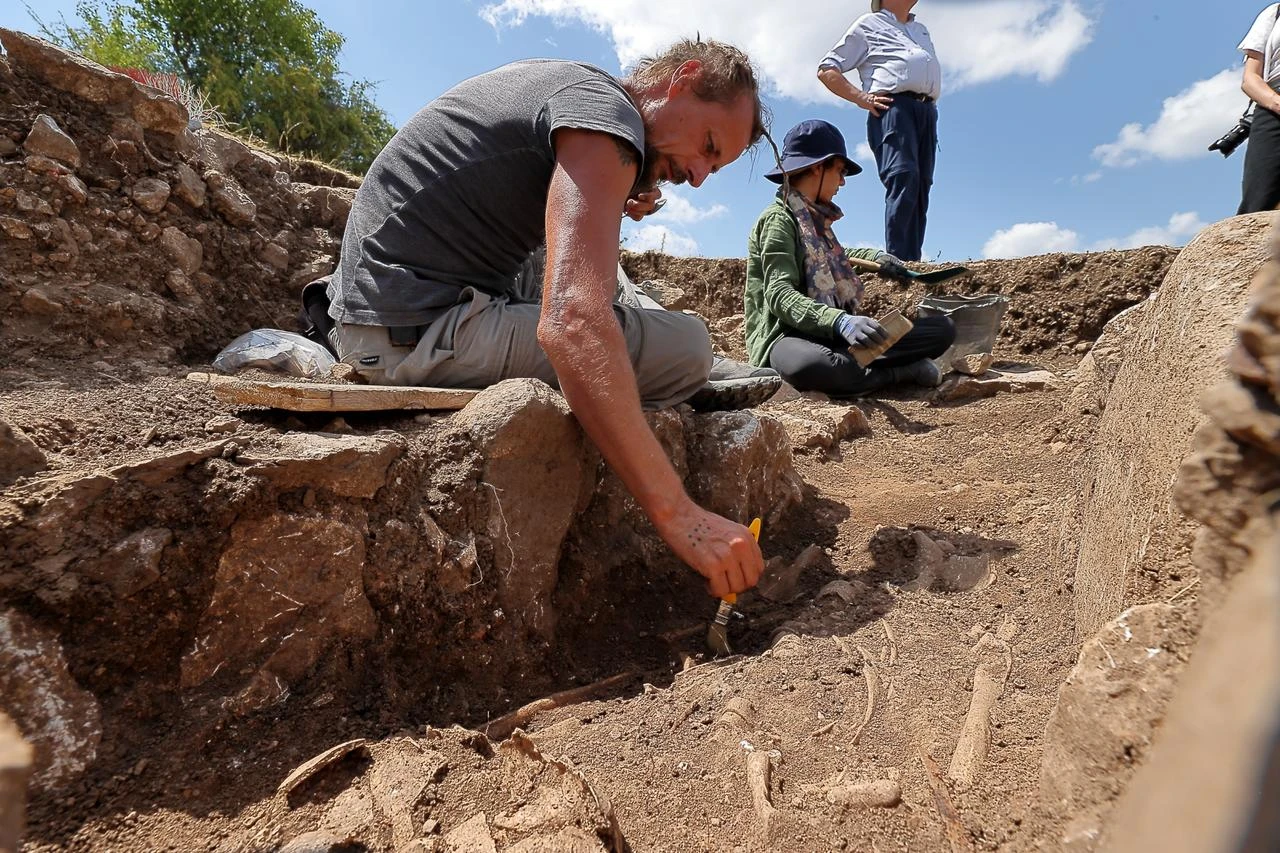
Excavation director Associate Professor Mucella Erdalkiran, who spoke to Arkeolojihaber, explains that the people who established Gurcutepe by settling four adjacent areas on the plain relied mainly on farming and herding.
She noted that they sustained their lives through production and that, instead of building monumental structures and large sculptures, they created domestic buildings and small-scale figurines.
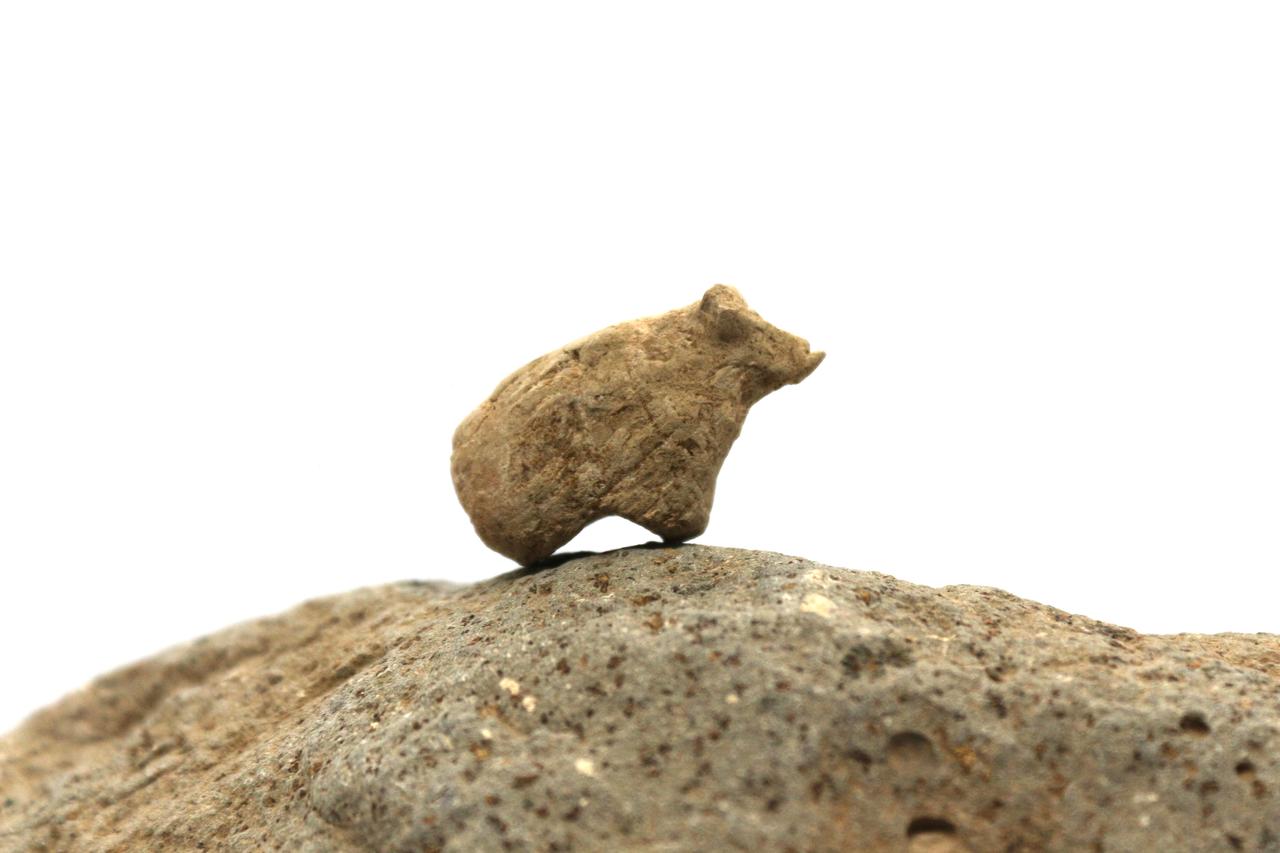
Erdalkiran added that excavations on two mounds have brought to light many limestone and clay figurines, some schematic and others more realistic, depicting women or gender-neutral human forms, and that the series includes female figurines known from Central Anatolia.
According to her, these diverse human figurines reflect the belief world of the Gurcutepe community and its cultural contacts with regions beyond the immediate area, while clay models of domesticated and hunted animals also appear.
Within the "Tas Tepeler" project, part of the wider Sanliurfa Neolithic Research Project, Gurcutepe occupies the latest position in a long chronological sequence.
Researchers see it as crucial for understanding why earlier communities that had lived on limestone hills chose to move down into the plain, why they adopted smaller, more domestic buildings instead of monumental architecture, and why such a large settlement was eventually abandoned.
The Gurcutepe team is trying to reconstruct changing lifeways in detail by combining data on paleogeography, subsistence and household economies. They plan to examine animal bones, botanical remains and different categories of everyday artifacts in order to trace how daily routines, production strategies and domestic arrangements evolved through time.
Erdalkiran underlines that the results from Gurcutepe, shared through Türkiye Today, are expected to play a central role in answering questions about movement, settlement and long-term change within the Tas Tepeler landscape and in connecting this sequence to developments over a wider region.
The chipped stone tools from Gurcutepe include large arrowheads of Byblos and Palmyra types that are characteristic of Pre-Pottery Neolithic B and link the site to wider technological traditions.
The assemblage of heavy domestic equipment is also rich, with basalt mortars and pestles, groundstones and stone vessels made of alabaster or limestone.
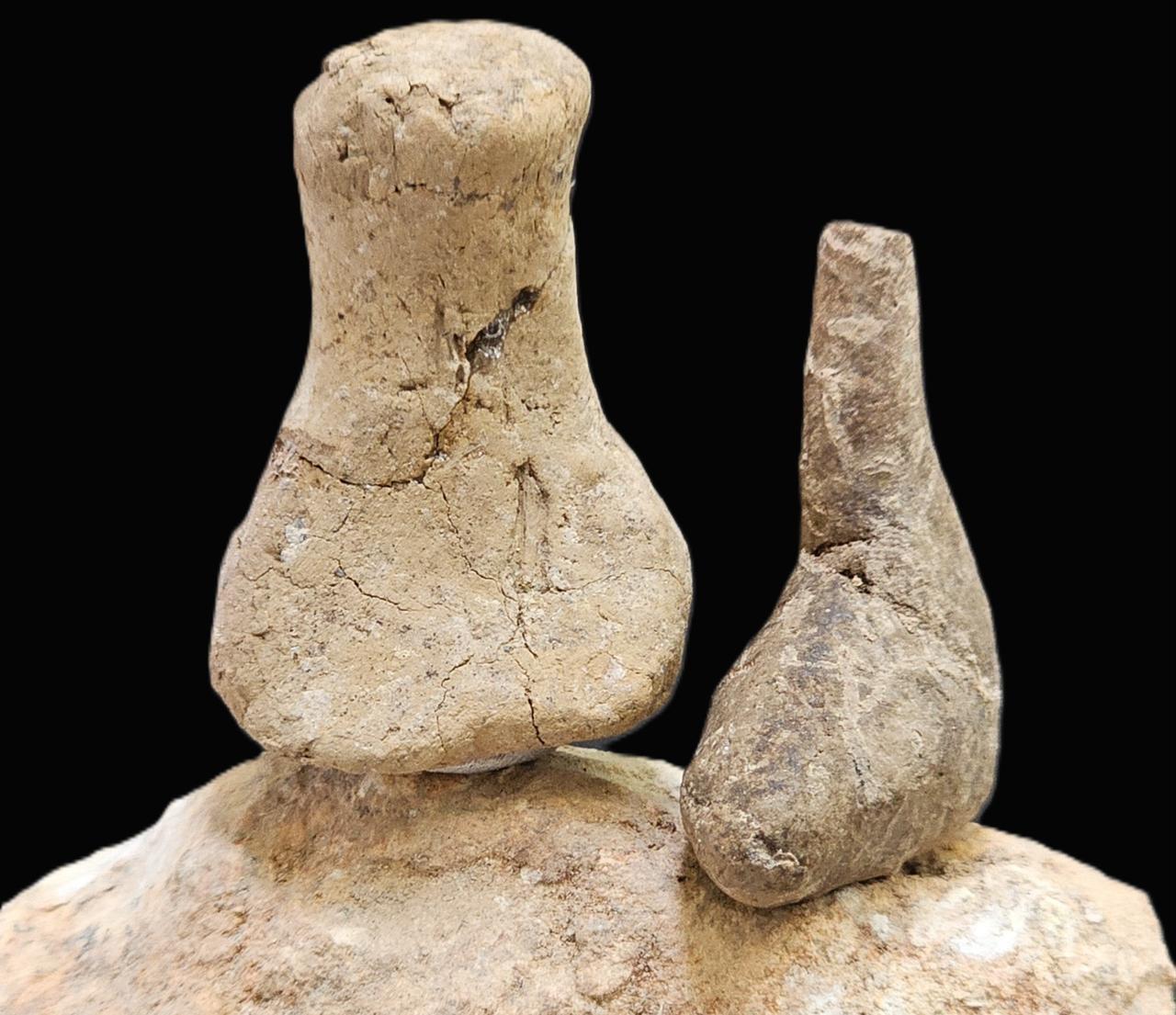
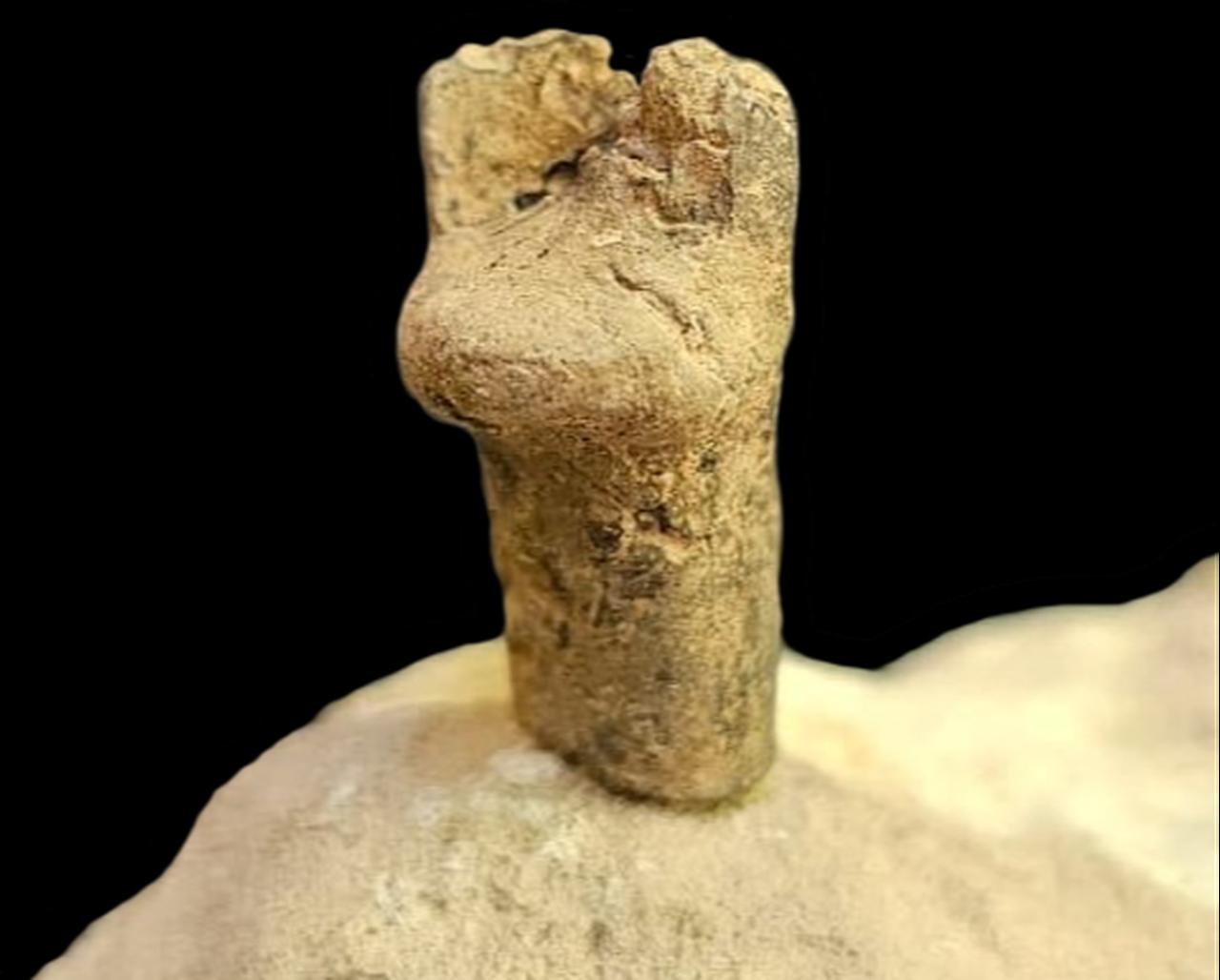
In symbolic terms, the community left behind a notable series of figurines carved from limestone. These include female, male and sometimes gender-neutral examples.
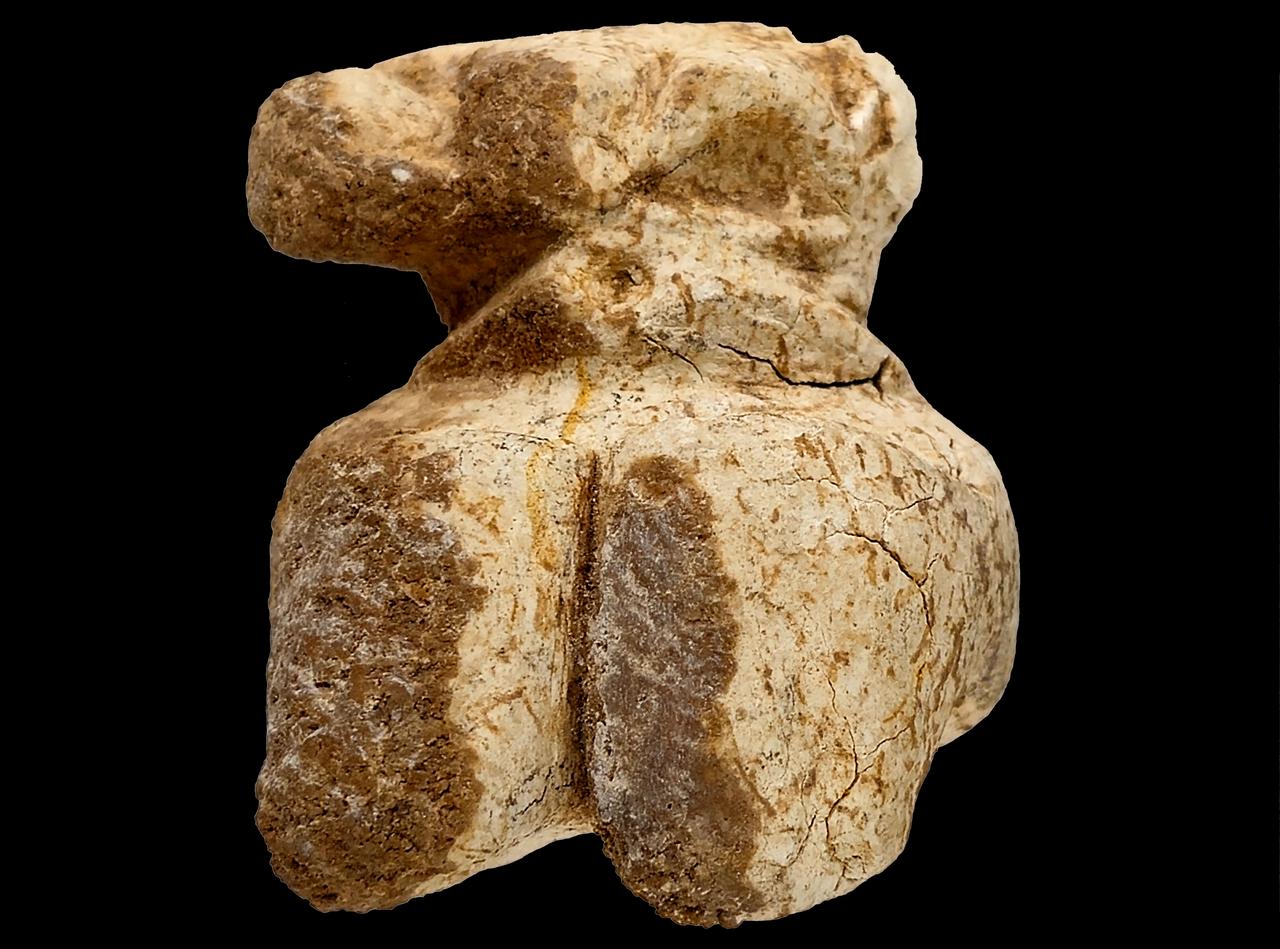
Although most of the figurines are cubic in shape and consistent with other settlements in the region, two overweight female figurines stand out and point to different cultural characteristics within this imagery.
Taken together with the animal figurines, these objects show that the social and symbolic world of Gurcutepe gave a prominent place to human and animal bodies and to female representations in particular.
According to preliminary evaluations, the cultural sequence at Gurcutepe spans the transitional period between the Late Pre-Pottery and Early Pottery Neolithic.
This phase is marked by smaller buildings than the monumental architecture documented at other early settlements within the Tas Tepeler Project and by a strong female element in the social and symbolic sphere.
Archaeologists plan to set the results from Gurcutepe into a broader regional framework, looking for links with other Neolithic centers and with wider environmental and cultural developments.


 Set as preferred source
 Set as preferred source


 3 min read