Newsletters


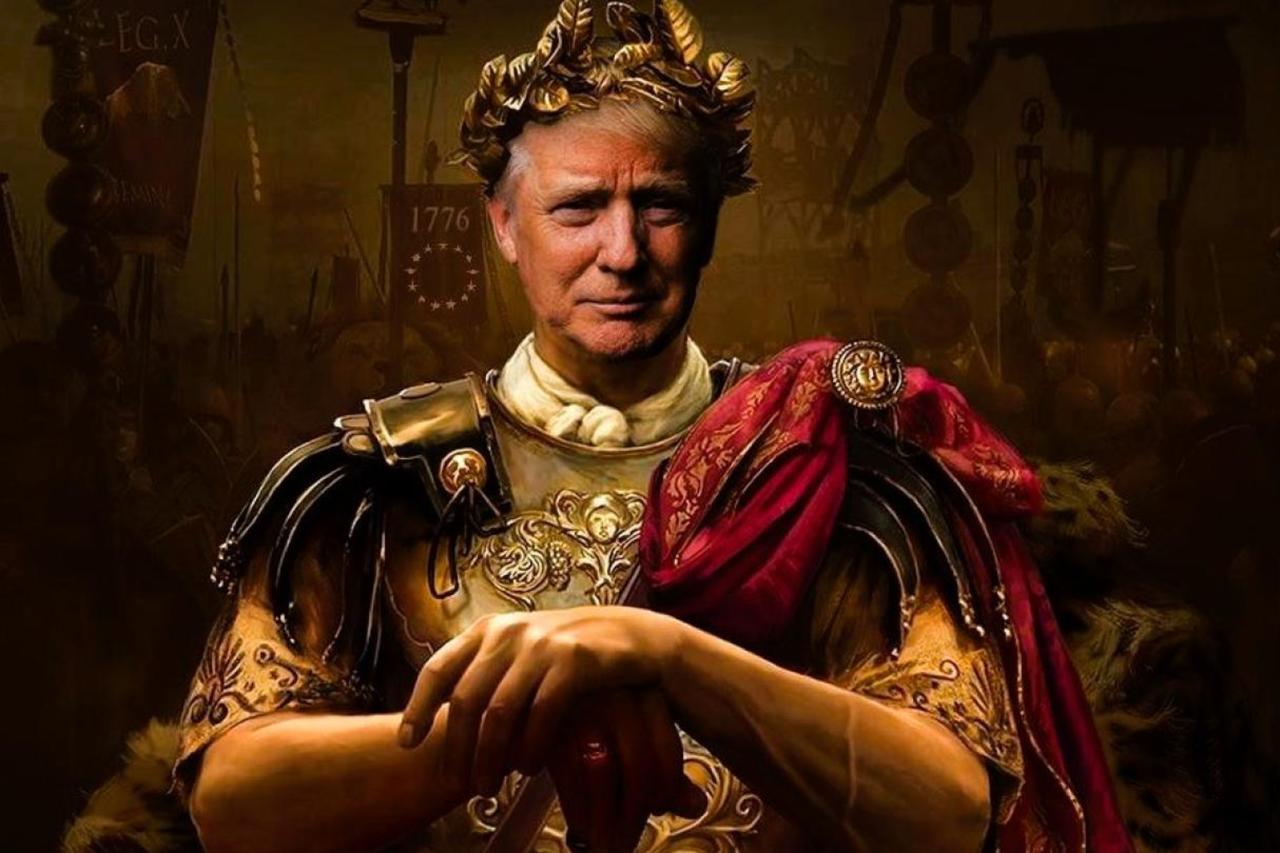


The emergence of the $TRUMP meme coin, alongside plans to place President Donald Trump’s signature on U.S. dollar bills, highlights a familiar strategy: using currency not only as a financial tool but also as a vehicle for political messaging.
The two developments, one digital and speculative, the other institutional and state-backed, point to a shared logic that stretches back thousands of years, when rulers first began to embed authority and identity into the money people handled every day.
Trump’s entry into the cryptocurrency space with the $TRUMP meme coin showed how financial instruments can double as branding tools, with its market value rapidly climbing to significant levels after launch. The project reflected how political identity can be packaged, circulated, and amplified through digital assets.
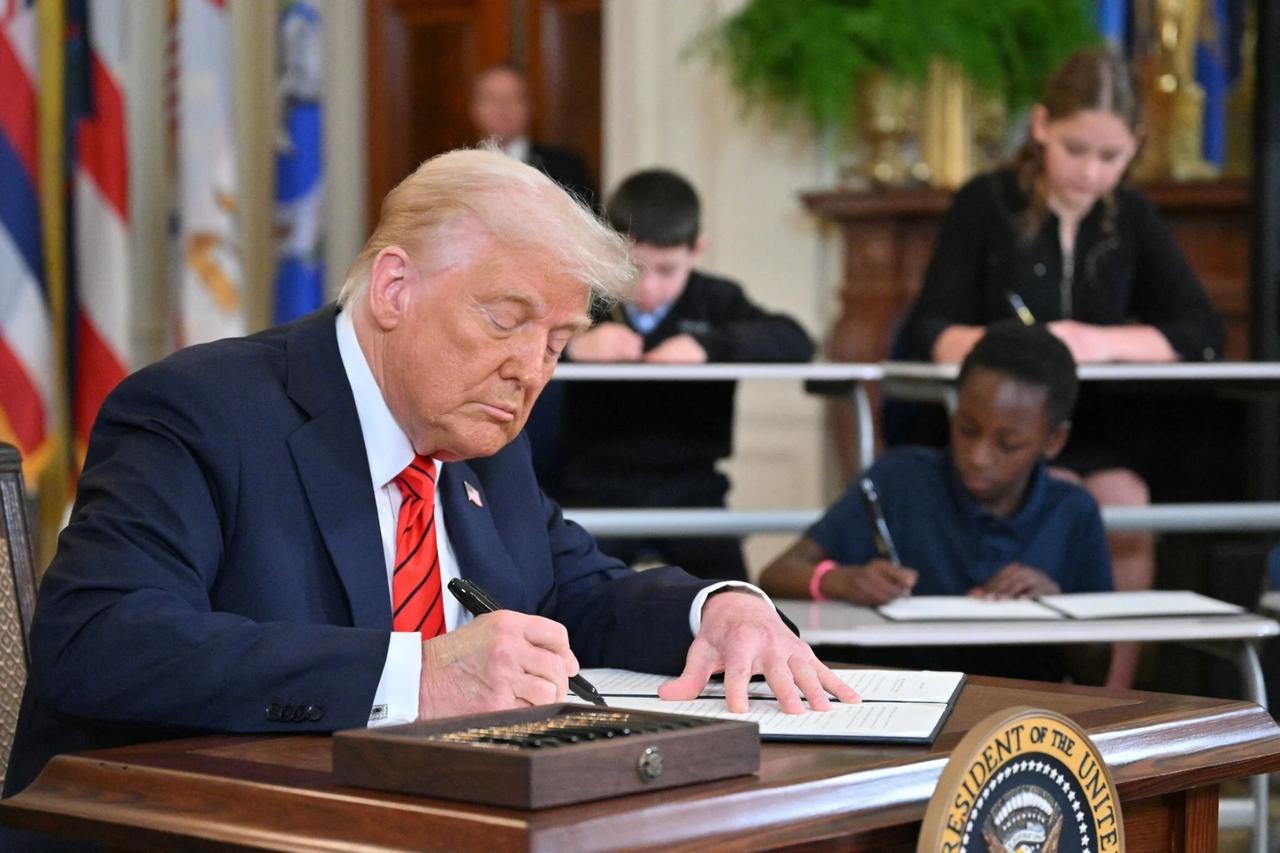
This dynamic now appears in a more formal setting. The U.S. Treasury Department has announced that new banknotes will carry Trump’s signature, marking the first time a sitting president’s name will appear on American currency. Officials linked the move to the country’s 250th anniversary, framing it as a symbolic recognition of both national history and the current presidency.
While U.S. banknotes have traditionally featured the signatures of treasury officials since the 19th century, the change introduces a more direct association between the presidency and the dollar itself.
This blending of value and messaging has deep historical roots. In ancient Lydia, located in modern-day Türkiye, rulers transformed raw gold and silver into standardized coins stamped with royal symbols, turning money into a medium that carried authority as it moved through society.
The same approach was refined over time. Alexander the Great used coin imagery to project divine association, presenting himself with symbols linked to Zeus Ammon, while reinforcing his power across a vast empire.
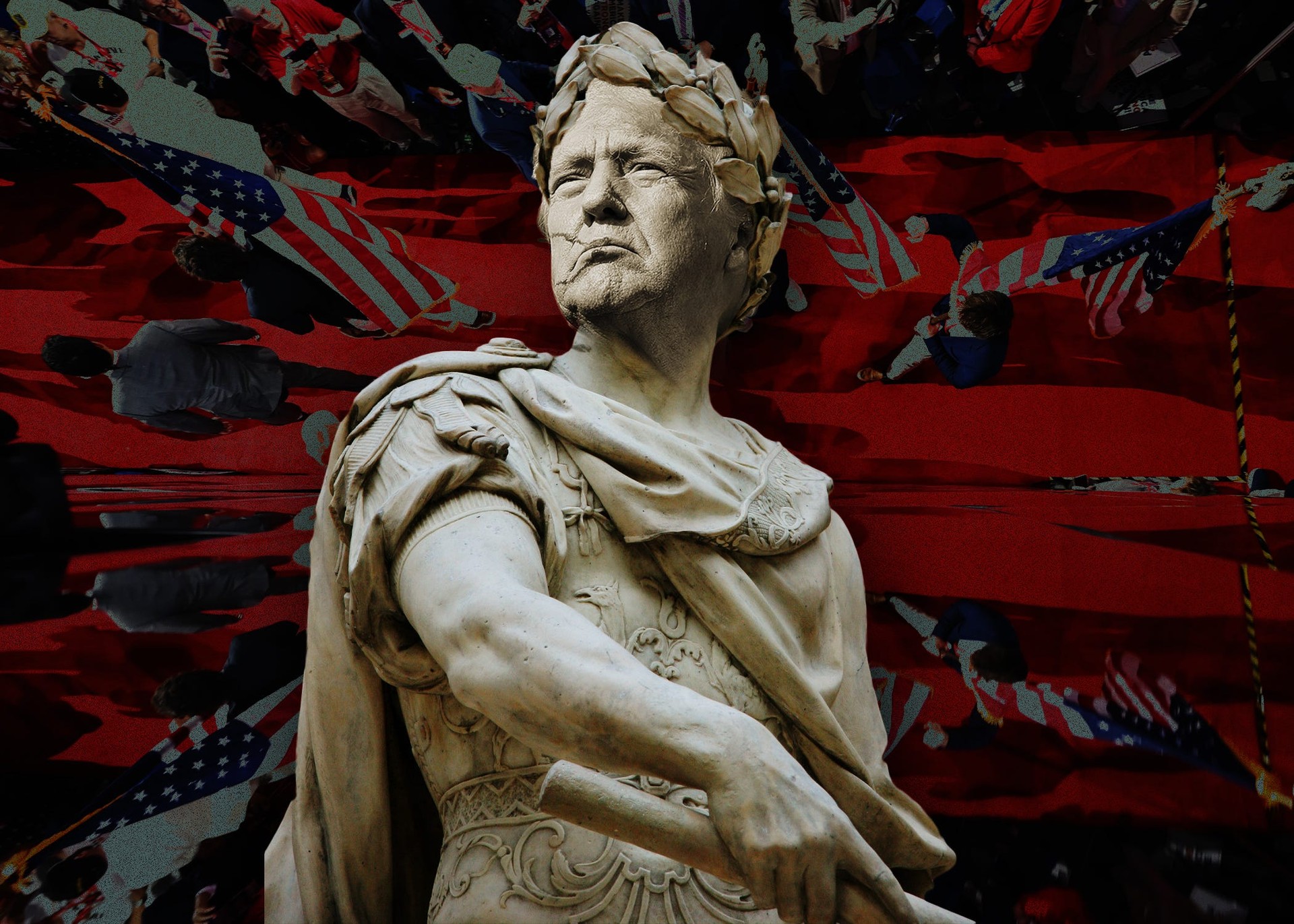
Roman leaders later elevated coinage into a sophisticated messaging system. Julius Caesar placed his portrait and title on coins, signaling a shift in political order, while later issues, such as the “Judaea Capta” coins under Emperor Vespasian, used imagery to communicate conquest and dominance.
Seen in this context, the $TRUMP coin and the redesigned U.S. banknotes represent different formats of the same enduring idea. One operates in decentralized digital markets driven by speculation and online visibility, while the other circulates through official financial systems backed by the state.
The Treasury Department indicated that the first updated $100 bills will be printed in June, gradually replacing existing notes that carry earlier signatures.
A federal arts commission has approved a commemorative gold coin featuring Trump’s image, further reinforcing the symbolic dimension of currency design.
The announcement has also triggered political reactions. California Governor Gavin Newsom criticized the move by tying it to broader economic concerns, suggesting that the president’s name on currency could serve as a reminder of rising costs.
Taken together, the developments show how currency continues to sit at the intersection of economics and image-making, echoing practices first established in antiquity while adapting to both digital and modern state systems.


 Set as preferred source
 Set as preferred source


 1 min read
 1 min read