Sign in
 Newsletters




Turkish researchers have identified the possible location of a palace city built by Bilge Khagan, an eighth-century ruler of the Gokturks, in Mongolia's Orkhon Valley, following an investigation into a 13th-century literary text and satellite images.
The research, carried out by academics from Ankara University and Canakkale Onsekiz Mart University (COMU) in Türkiye, points to the modern town of Hotont as the likely location of the ancient settlement.
Associate Professor Hayrettin Ihsan Erkoc, a historian at COMU, said the findings could challenge conventional accounts of the Gokturks, an early Turkic empire traditionally described in Chinese historical records as predominantly nomadic.
However, the researchers have not yet established whether the structures visible in satellite images belong to Bilge Khagan's palace city or to later periods, making archaeological fieldwork necessary to confirm the identification.
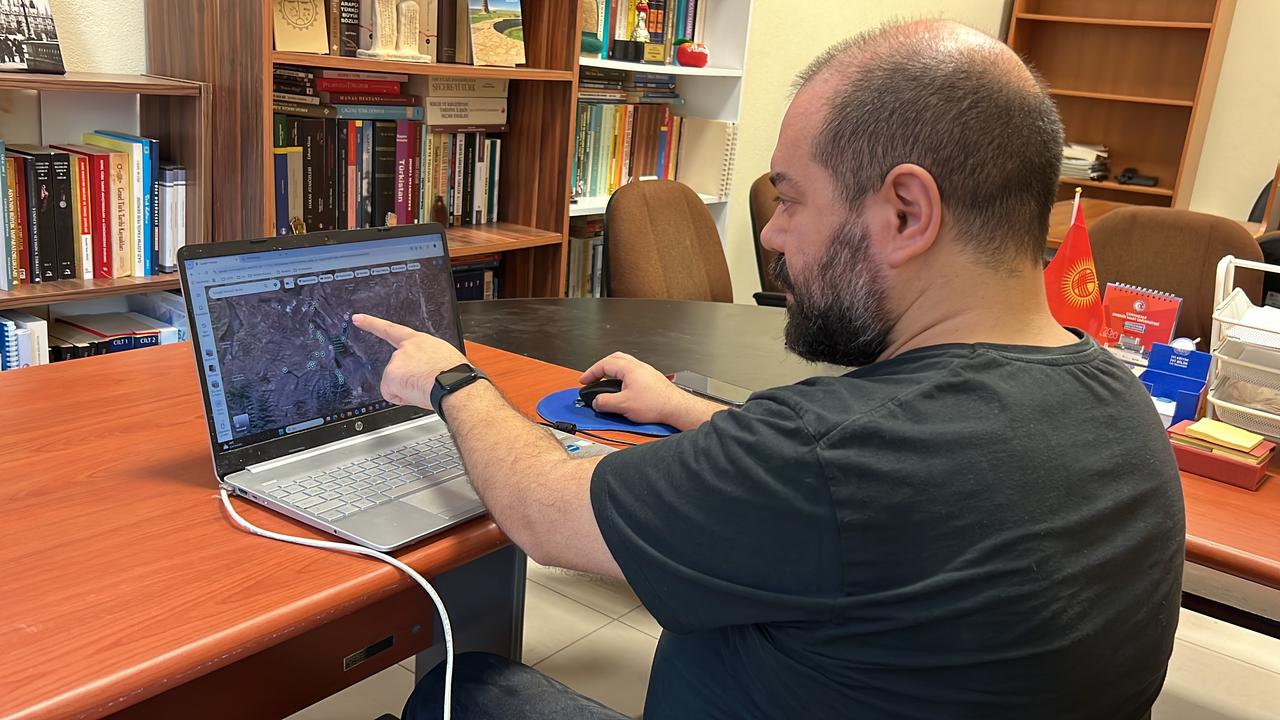

The investigation began when Professor Gurhan Kirilen, head of the Sinology Department at Ankara University's Faculty of Language, History and Geography, came across an explanatory note in a poem written by Yelu Zhu, a 13th-century poet and statesman of Khitan origin.
The note referred to a palace city associated with Bilge Khagan, prompting Kirilen to share the reference with Erkoc for further historical investigation.
According to Erkoc, Yelu Zhu was the son of Yelu Chucai, a minister who served Genghis Khan, and had traveled through the region during his youth.
The poet placed Bilge Khagan's palace city approximately 35 kilometers northwest of Karakorum, the former Mongol capital, and around 35 kilometers southwest of the Kul Tigin inscription, one of the historic Orkhon monuments.
Erkoc said these geographical references suggested that the palace city's remains were still visible during the poet's lifetime.
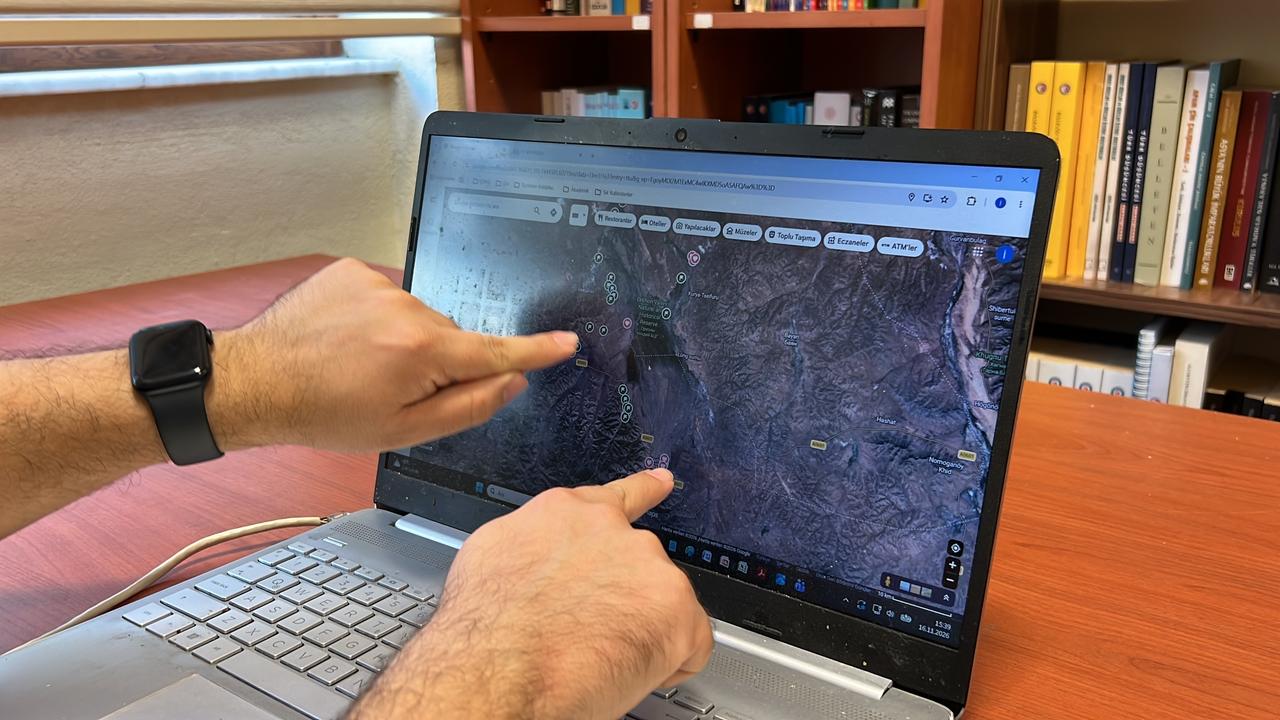
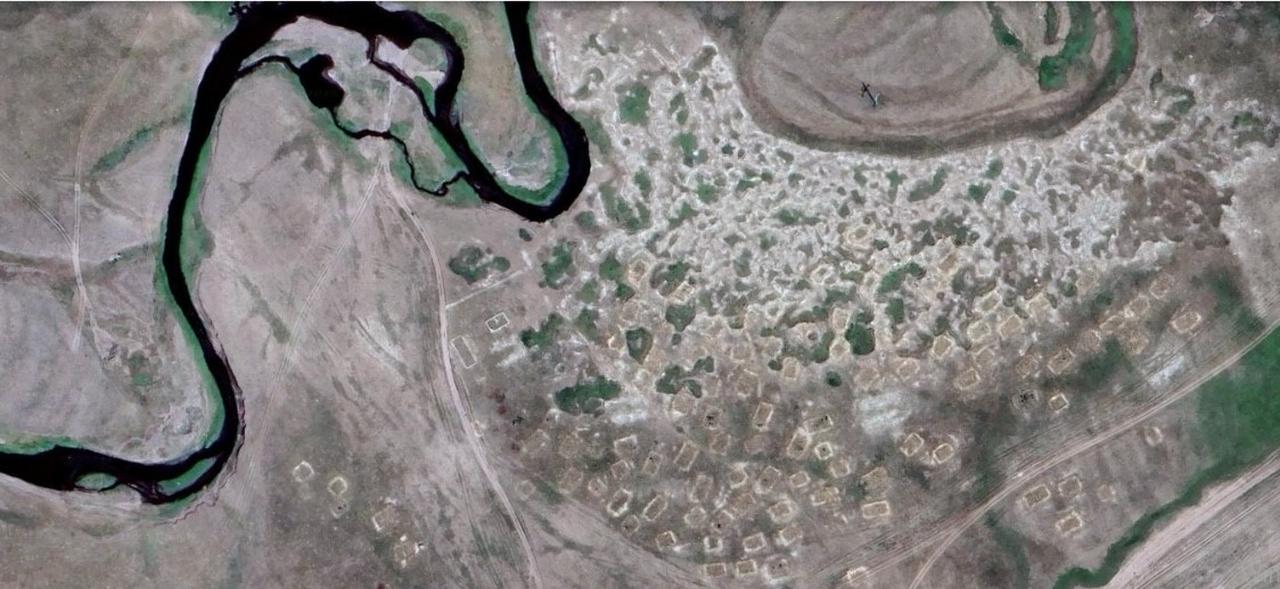
By comparing the distances recorded in the text with satellite imagery, the researchers identified Hotont and its surrounding area as a potential match.
The findings also bring renewed attention to an account preserved in Chinese historical sources concerning Bilge Khagan's plans to establish a fortified capital.
According to those records, the ruler proposed building a walled city containing Buddhist and Taoist temples, but his chief adviser, Tonyukuk, opposed the plan.
Tonyukuk reportedly argued that the Gokturks' military advantage depended on their mobility and that establishing a permanent capital could leave them vulnerable to enemy attacks.
Chinese accounts suggest that Bilge Khagan eventually abandoned the project, although Erkoc questioned whether the story accurately reflected what happened.
He noted that the episode does not appear in the Gokturks' own inscriptions and suggested that Bilge Khagan may have initially accepted Tonyukuk's advice before proceeding with construction.
The newly examined literary reference, according to the historian, provides grounds to reconsider the earlier account.
The researchers also examined the broader historical geography of the Orkhon Valley, which served as an administrative center for successive Turkic and steppe states.
Erkoc pointed out that the Uyghurs, who gained control of the region after the Gokturks, established their capital at Ordu Baliq, also known as Karabalgasun, approximately 15 kilometers from the proposed palace city.
The Orkhon inscriptions are located in the same wider region, while Karakorum was subsequently established nearby under Ogedei Khan in the 1230s.
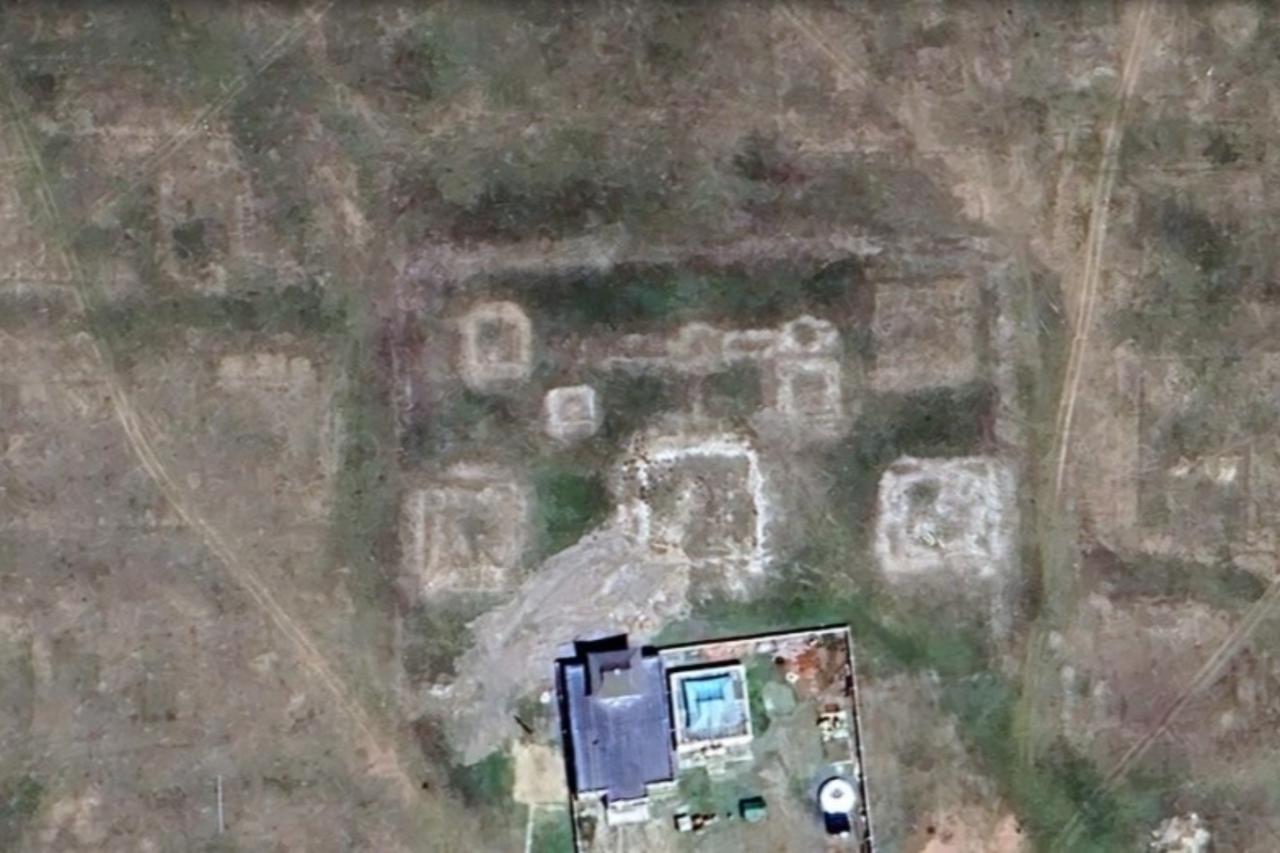
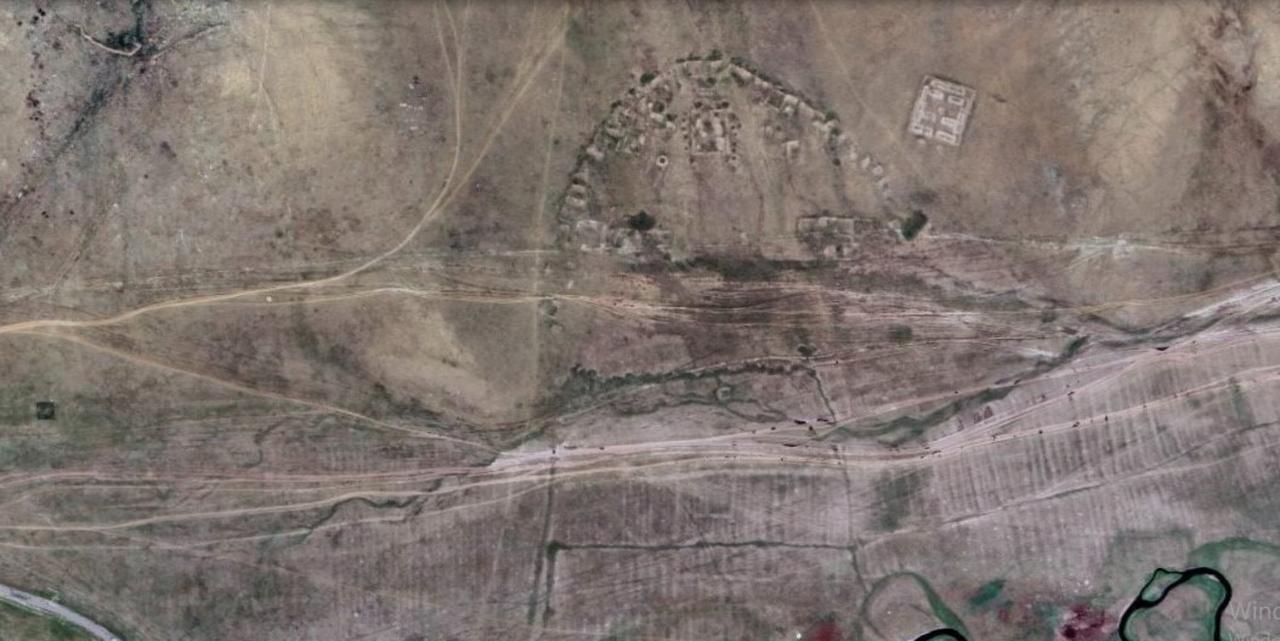
Satellite imagery of Hotont has revealed traces of several structures, although their origins and dates remain uncertain.
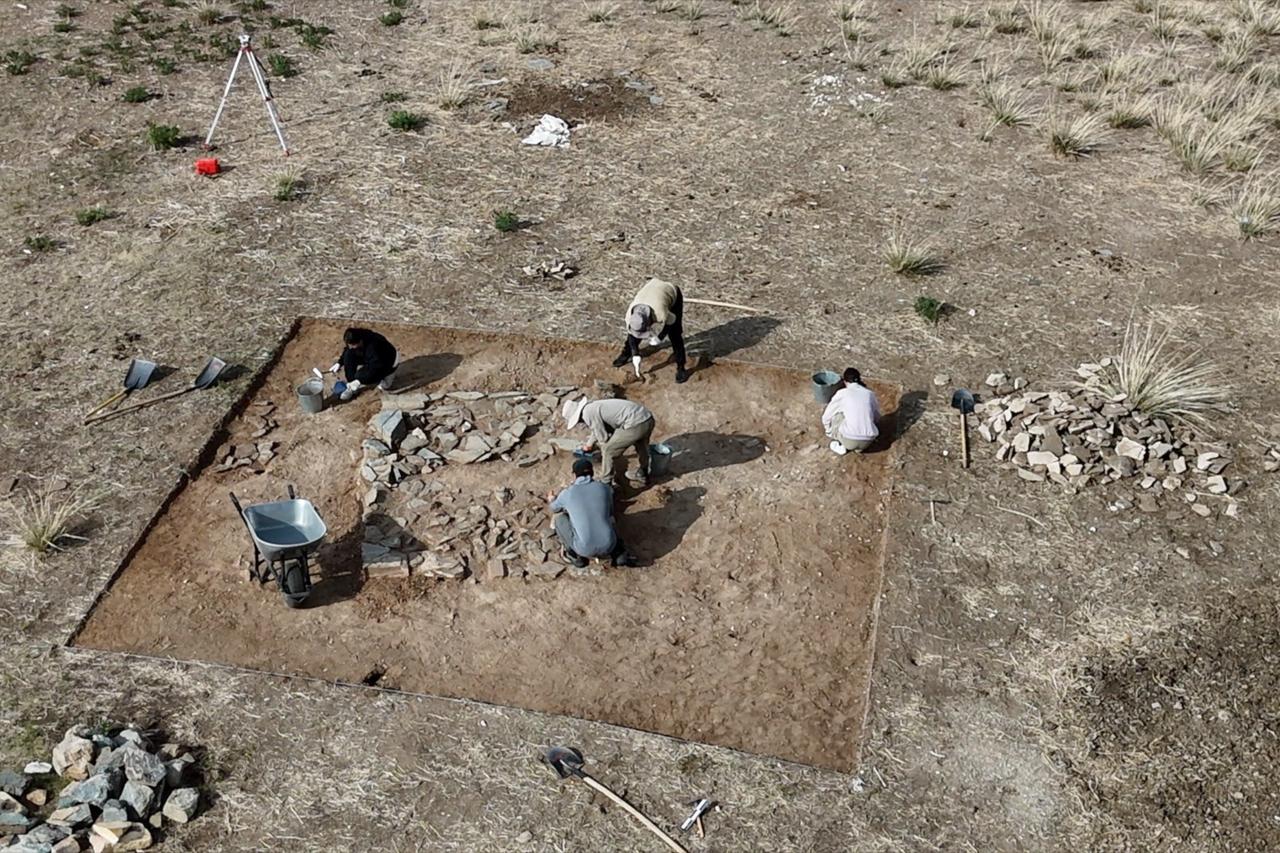
Erkoc emphasized that archaeological surveys and possible excavations would be needed to determine whether these remains could be connected to Bilge Khagan.
Beyond the proposed palace city, Erkoc said the research could contribute to a broader reassessment of urban development among early Turkic societies.
He explained that Chinese historical records frequently portrayed the Gokturks as communities that moved between pastures and water sources without permanent settlements.
However, Gokturk inscriptions refer to cities and fortresses, while approximately 50 settlements associated with the subsequent Uyghur period have already been identified in the Orkhon Valley.
Erkoc argued that these findings point to a more complex settlement history than the conventional portrayal of entirely nomadic communities.
"Over the coming years, perhaps even decades, our understanding of the history of ancient Turkic urbanism in Mongolia may change considerably," he said.
The researchers intend to pursue archaeological investigations in the Hotont area to establish whether the identified structures are connected to Bilge Khagan's reported palace city.


 Set as preferred source
 Set as preferred source


 1 min read
 1 min read