Sign in
 Newsletters




Türkiye has carried out archaeological work at 261 excavation sites across 67 provinces in 2026 under its "Heritage for the Future Project," while transferring 1.2 million cultural artifacts into a national digital museum system, Culture and Tourism Minister Mehmet Nuri Ersoy announced.
Speaking at the Türkiye International Museology Congress, held at the Presidential National Library in Ankara, Ersoy said the country expects its total number of archaeological excavations and research activities to reach 800 by the end of the year.
The congress, organized under the auspices of the Presidency and coordinated by the Ministry of Culture and Tourism, brought together researchers, museum directors and cultural heritage specialists from several countries.
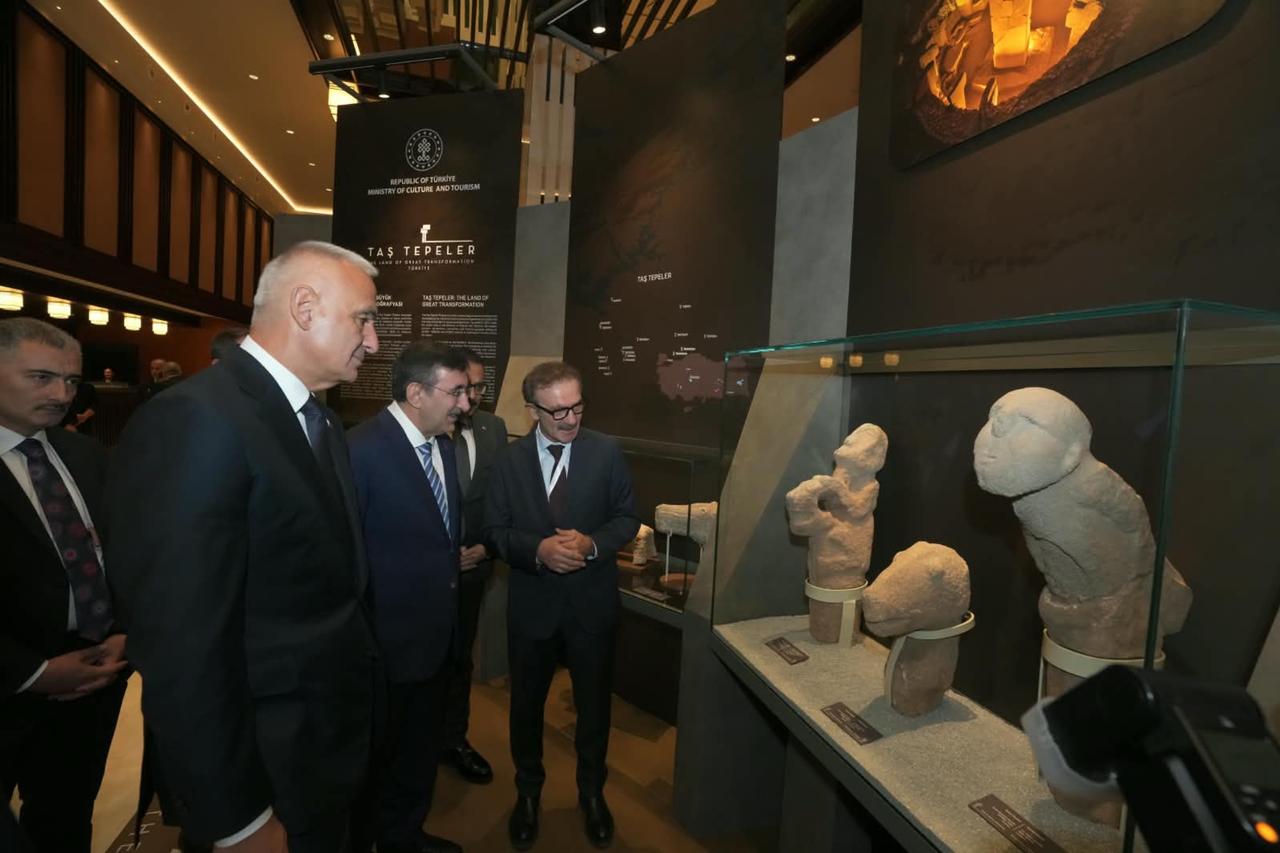
Vice President Cevdet Yilmaz and Ersoy also visited the Tas Tepeler exhibition, where artifacts unearthed at the prehistoric settlements of Karahantepe, Sayburc and Gobeklitepe were displayed at the Presidential National Library for the first time.
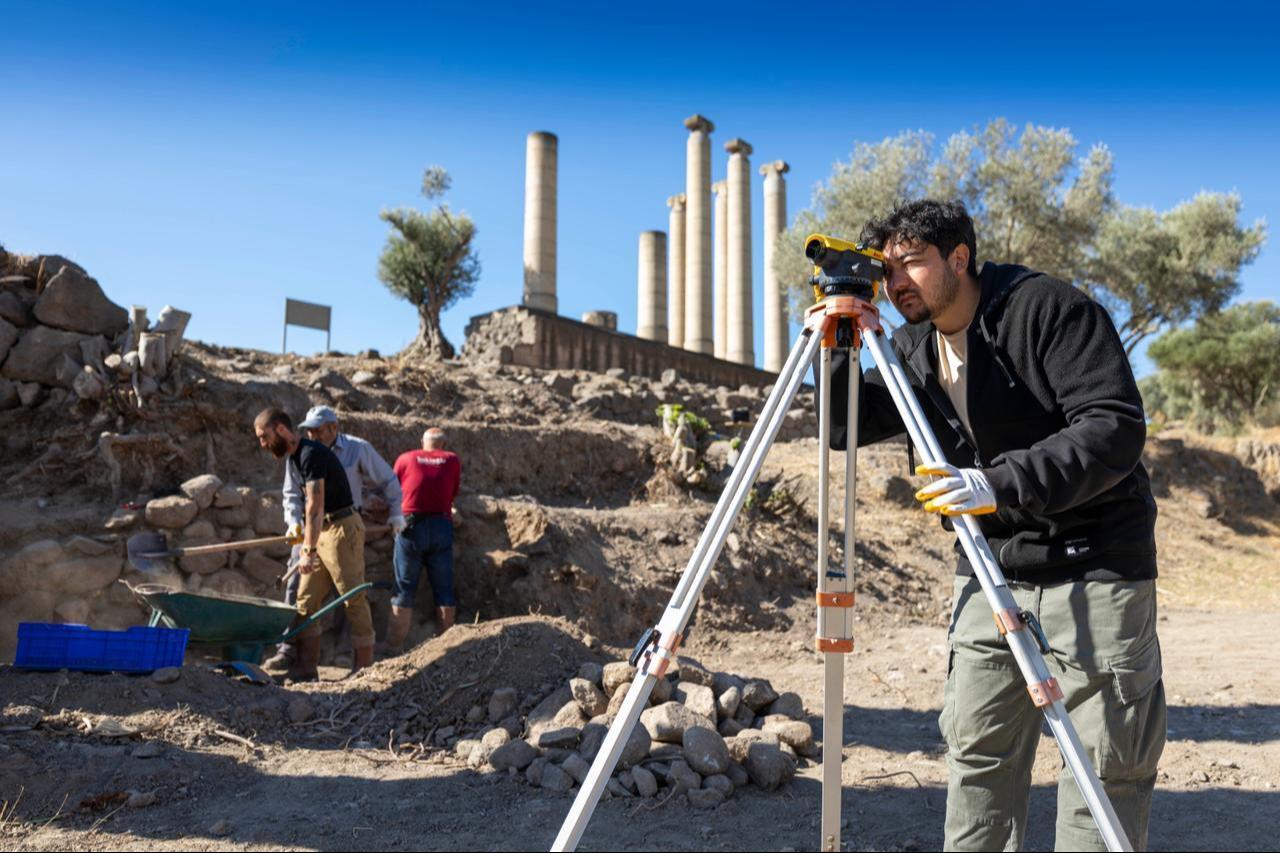

Launched in 2023, the Heritage for the Future Project aims to expand archaeological excavations, strengthen scientific research and establish a year-round approach to protecting cultural heritage.
Ersoy said the initiative had helped extend archaeological work across Türkiye, covering sites associated with some of humanity's earliest settlements as well as the capitals of ancient civilizations.
Alongside the excavations, the ministry has stepped up investments in museum infrastructure to ensure newly discovered artifacts can be examined, preserved and made accessible to researchers and visitors.
Ersoy announced that 1.2 million cultural artifacts had been entered into the National Museum Information System, a digital platform developed by the ministry to bring together museum inventory, conservation and collection management.
The system is already being used for artifact inventories, laboratory operations and efforts to combat cultural property trafficking, with additional modules being introduced to expand its capabilities.
Highlighting the importance of digital access, Ersoy said technology should strengthen rather than weaken the relationship between people and cultural heritage.
The ministry is also incorporating digital services into museum experiences through virtual exhibitions, digital experience museums, Turkish Museums, Google Arts & Culture and Museum With No Frontiers.
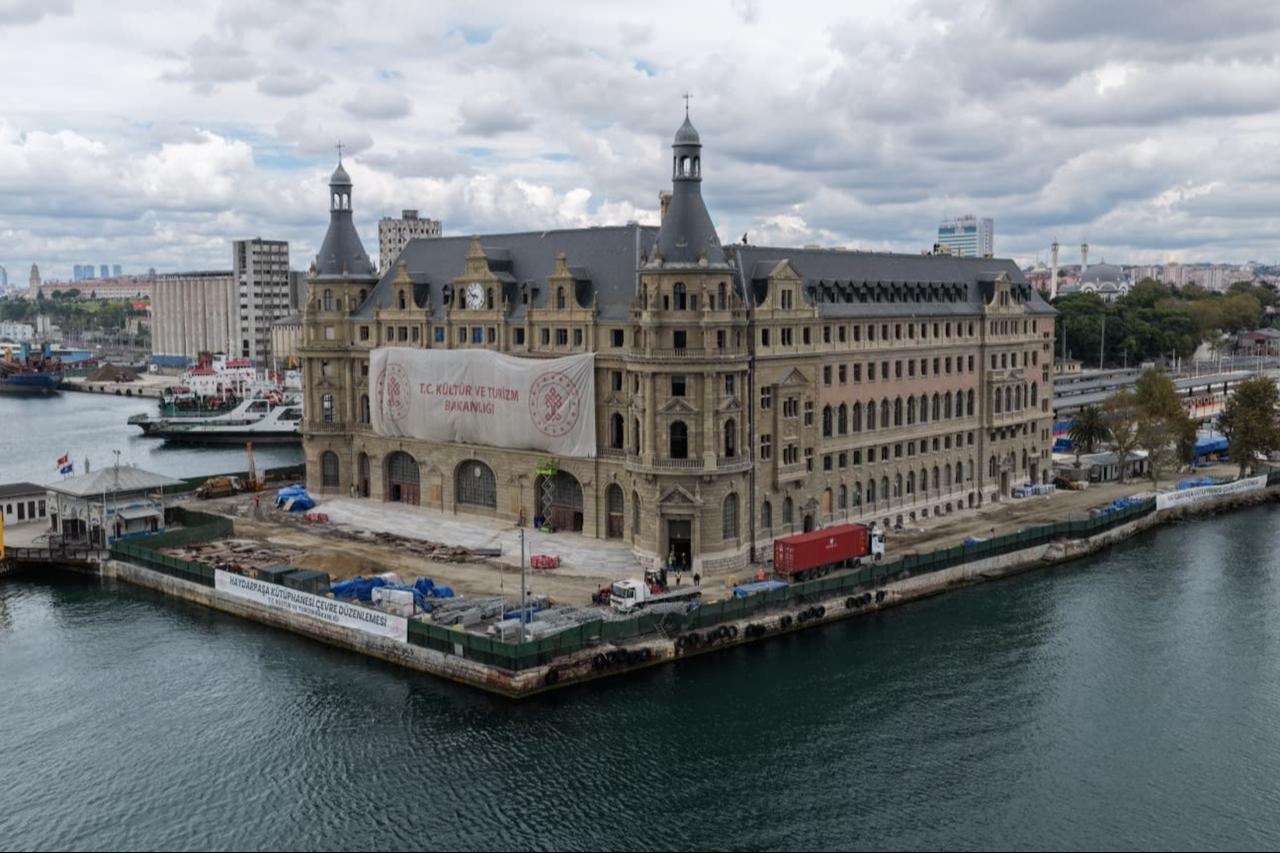
The ministry is also moving forward with plans to transform the historic Haydarpasa and Sirkeci railway station areas in Istanbul into cultural destinations featuring museums, exhibition halls, libraries and arts activities.
Ersoy said the projects are intended to bring historic buildings into everyday cultural life while encouraging visitors to return for exhibitions, educational programs and other events.
"We see our museums not simply as places visited once, but as dynamic cultural centers where society wants to come together again and again," Ersoy said.
A separate museum investment in Antalya is expected to significantly expand exhibition space and allow more artifacts currently held in storage to go on public display.
According to Yilmaz, Türkiye has 692 museums housing nearly 4 million artifacts, including 233 museums operated by the Culture and Tourism Ministry.
More than 150 million visits have been recorded at museums and archaeological sites since 2021.
The ministry also oversees 149 organized archaeological sites and supervises 459 private museums.
Among recent developments, Yilmaz highlighted the restoration of seven buildings and 46 halls within the former Imperial Mint complex at Istanbul's Topkapi Palace. The restored spaces have been arranged into five museums displaying more than 10,000 artifacts.
Meanwhile, the ministry's nighttime museum initiative has opened 22 museums and archaeological sites for visits during designated evening hours, attracting more than 1 million visitors.
Ersoy also pointed to improvements at the Istanbul Archaeological Museums and the Museum of Anatolian Civilizations in Ankara as examples of ongoing efforts to upgrade exhibition, conservation and visitor facilities.
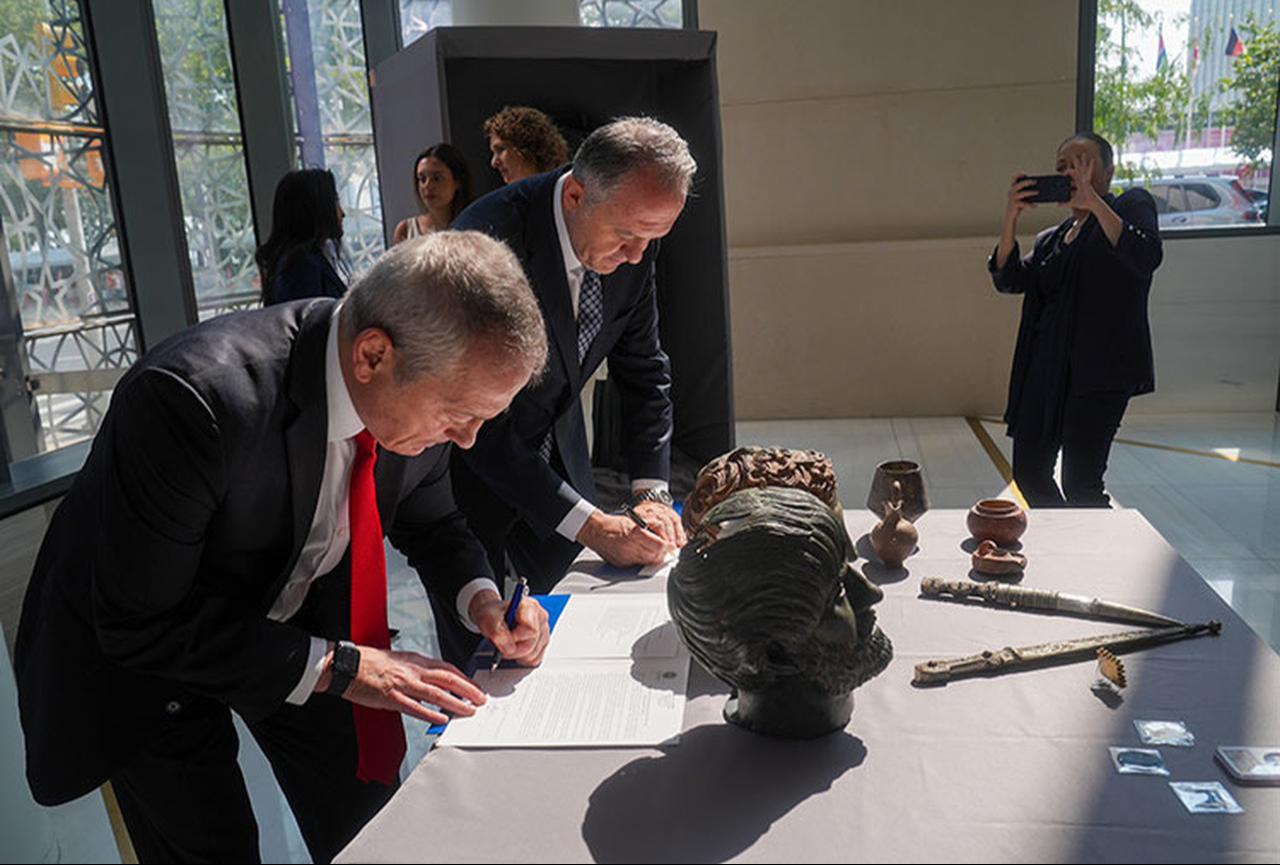
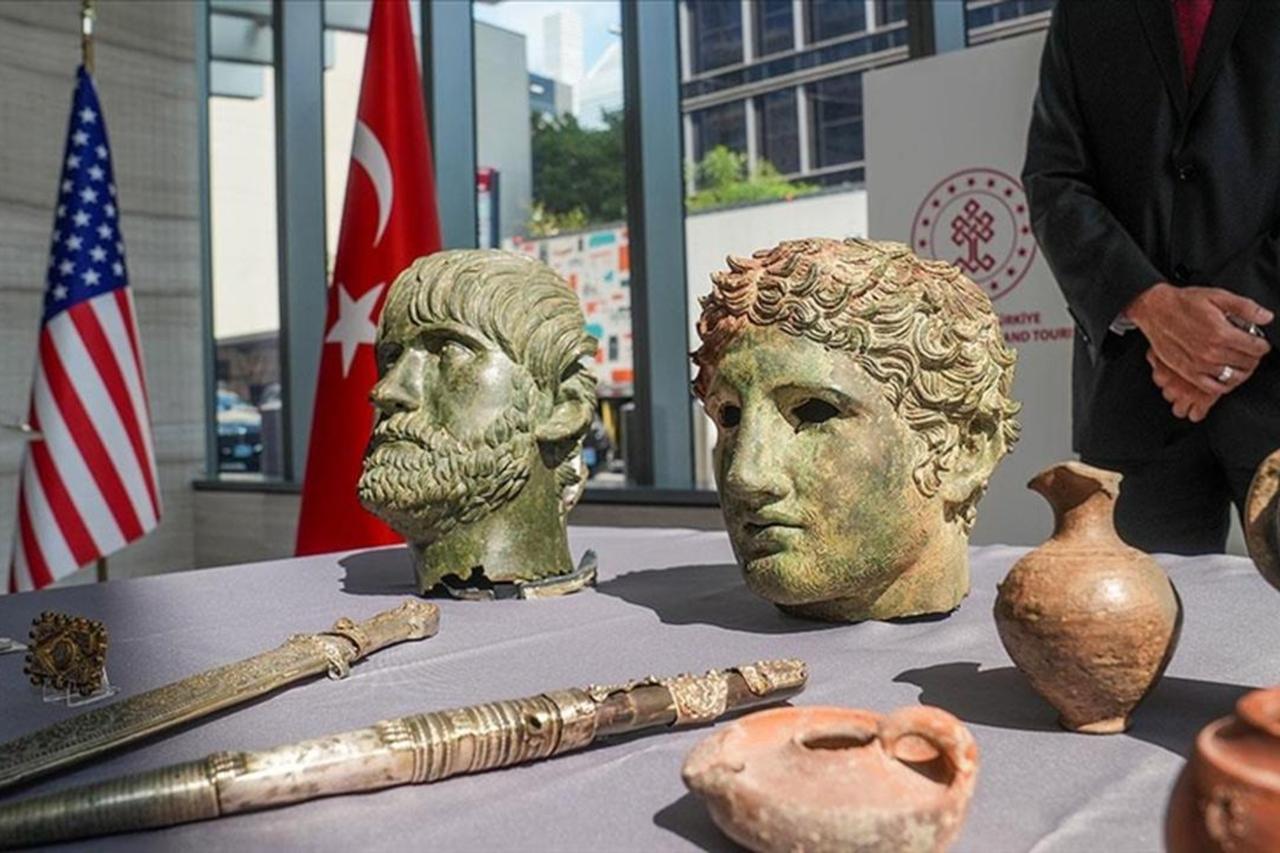
Addressing efforts to combat illicit cultural property trafficking, Ersoy said Türkiye had secured the return of 13,574 cultural artifacts from abroad between 2002 and 2026.
He emphasized that although cultural heritage belongs to humanity as a whole, artifacts also remain closely connected to the historical memory of the communities and regions from which they originate.
Ersoy identified climate change, natural disasters, armed conflicts and illegal artifact trafficking as major threats to cultural heritage, calling for stronger international cooperation to address them.
Ersoy confirmed that Istanbul will host the 49th session of the UNESCO World Heritage Committee in 2027, bringing international discussions on cultural heritage protection to Türkiye.
The committee is responsible for overseeing the implementation of the World Heritage Convention, including decisions concerning sites recognized for their outstanding universal value.
Türkiye has also expanded its international exhibition activities. Ersoy said the country organized 166 exhibitions domestically and two abroad in 2026, including presentations highlighting Gobeklitepe and the Tas Tepeler culture in Berlin and the relationship between Troy and Mediterranean civilizations in Rome.
Turkish museum collections also contributed artifacts to joint exhibitions in the United Kingdom, Italy and Denmark.
Ersoy said the international museology congress was intended to build lasting partnerships between institutions and develop shared approaches to digital transformation, conservation, accessibility and museum education.


 Set as preferred source
 Set as preferred source


 1 min read

 1 min read