Newsletters


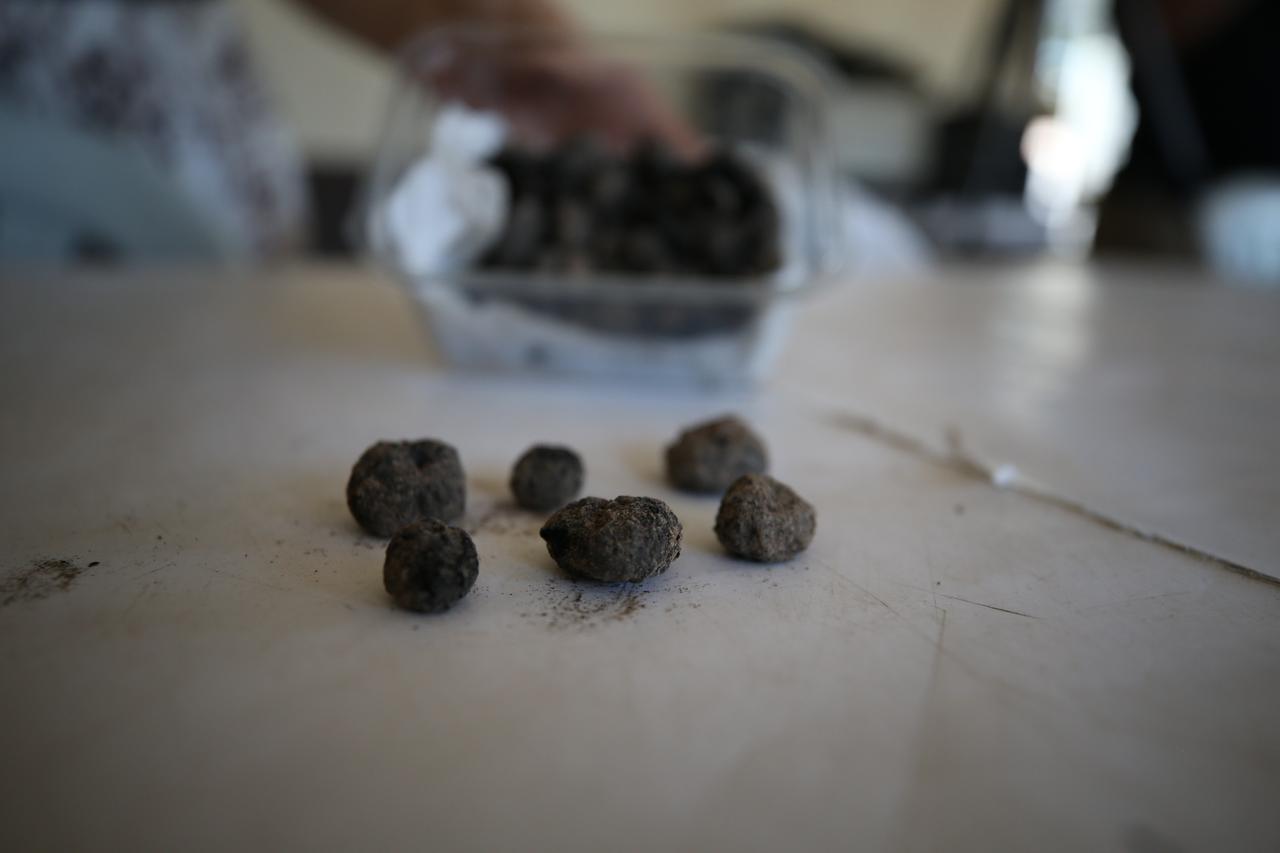


Archaeologists working at Andik Cave in western Türkiye have uncovered carbonized remains of black figs dating back to around 6300 B.C., showing that the fruit now associated with the Havran district was present in the area more than 8,000 years ago.
The remains were found during excavations led by Professor Derya Yalcikli of Canakkale Onsekiz Mart University's Department of Archaeology. Carbon-14 testing carried out at the Scientific and Technological Research Council of Türkiye (TUBITAK) Marmara Research Center dated the figs to the Neolithic period.
Yalcikli said Havran black figs are among the district's important products today and have geographical indication status, a designation used to identify products associated with a particular place of origin.
"We found its carbonized form. According to Carbon-14 testing carried out at the TUBITAK Marmara Research Center, the fig remains date back to 6300 B.C. We can therefore say that Havran's famous fig has actually been present in the region since the Neolithic period," Yalcikli said.
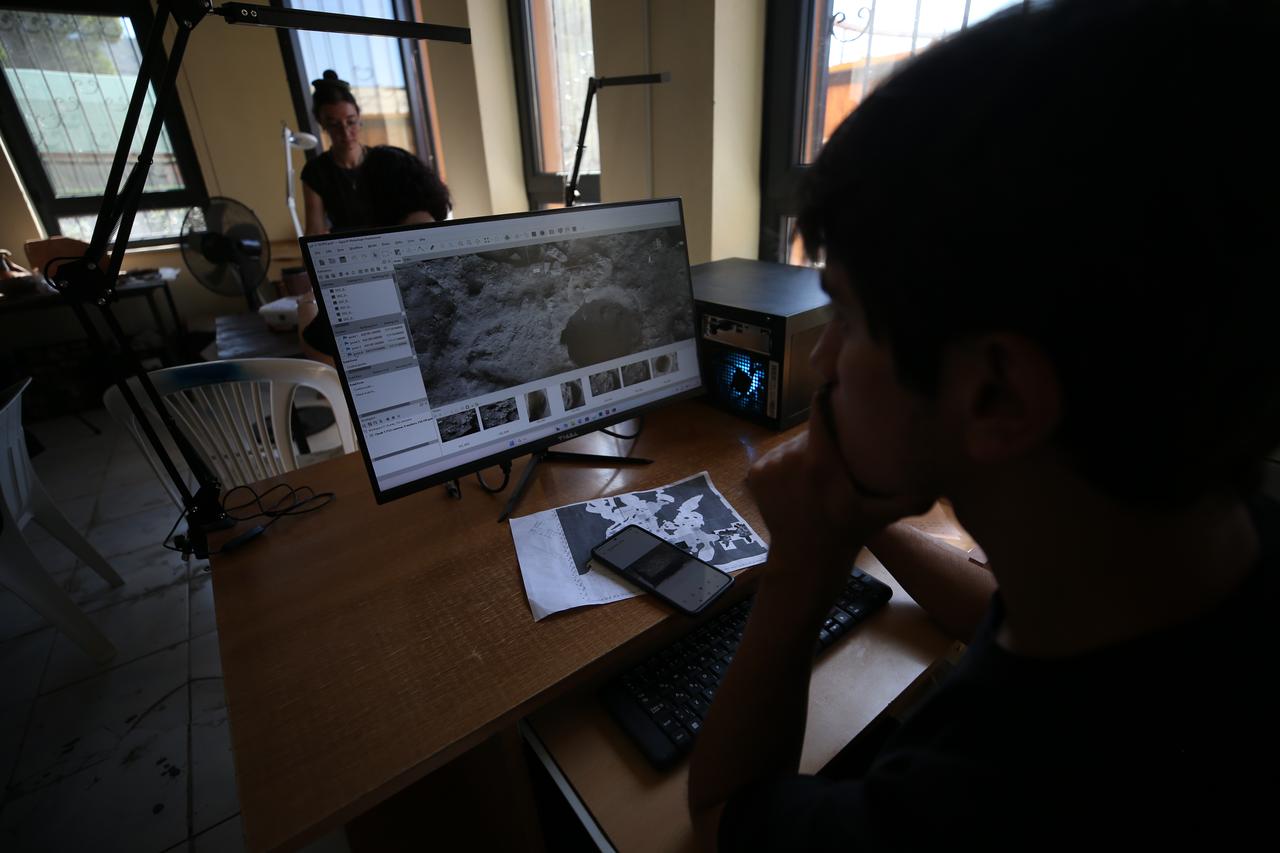

Researchers also came across barley, wheat and other food remains in the archaeological layers, but Yalcikli said the figs stood out because they had survived particularly well and were found in relatively large numbers.
The remains had been piled up and stored together, indicating that figs were among the fruits used for food during the period, according to Yalcikli.
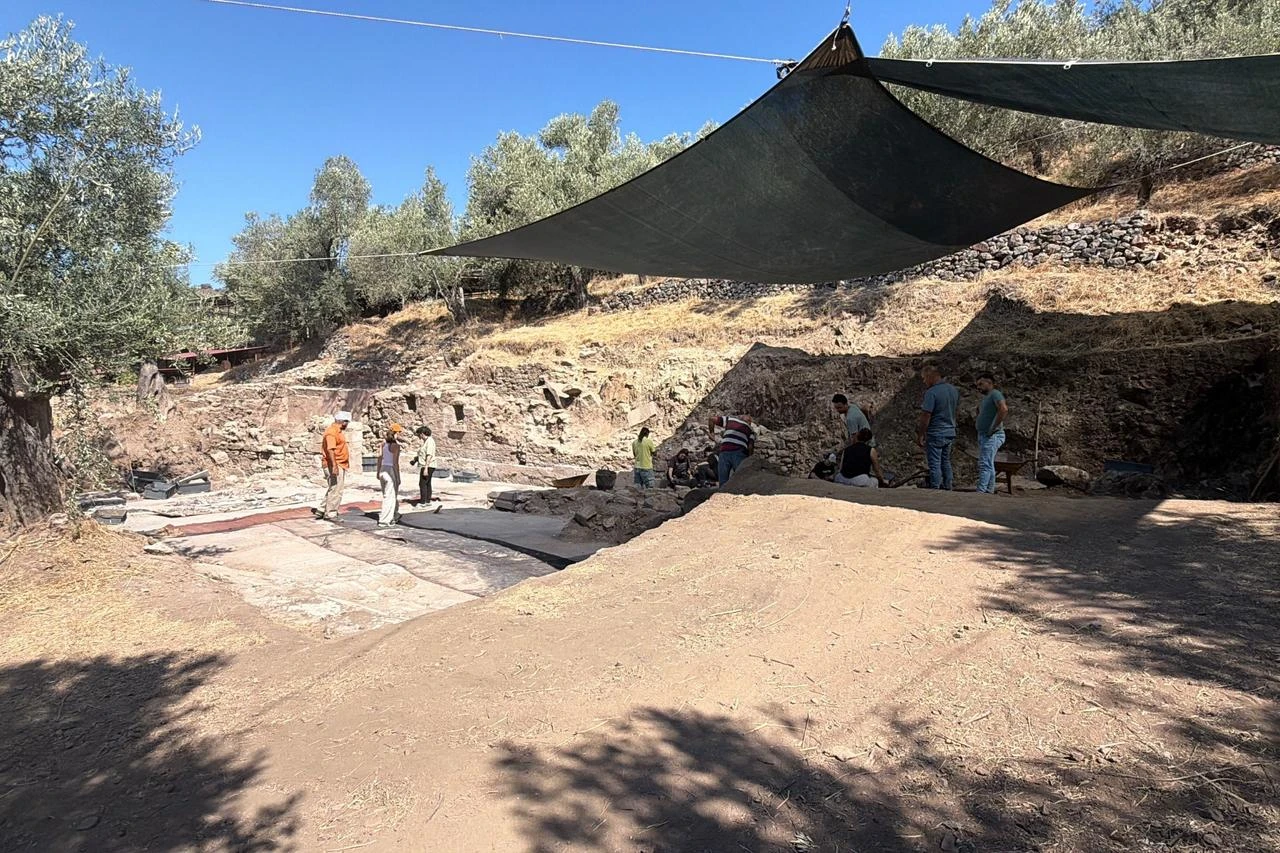
The discovery came as archaeologists worked through layers showing that the Andik Cave had been used over a long period. Although evidence points to activity beginning after around 6700 B.C., parts of the cave were later used from the Early Bronze Age into the middle of the Late Bronze Age, with shorter periods of use also detected during the Byzantine era.
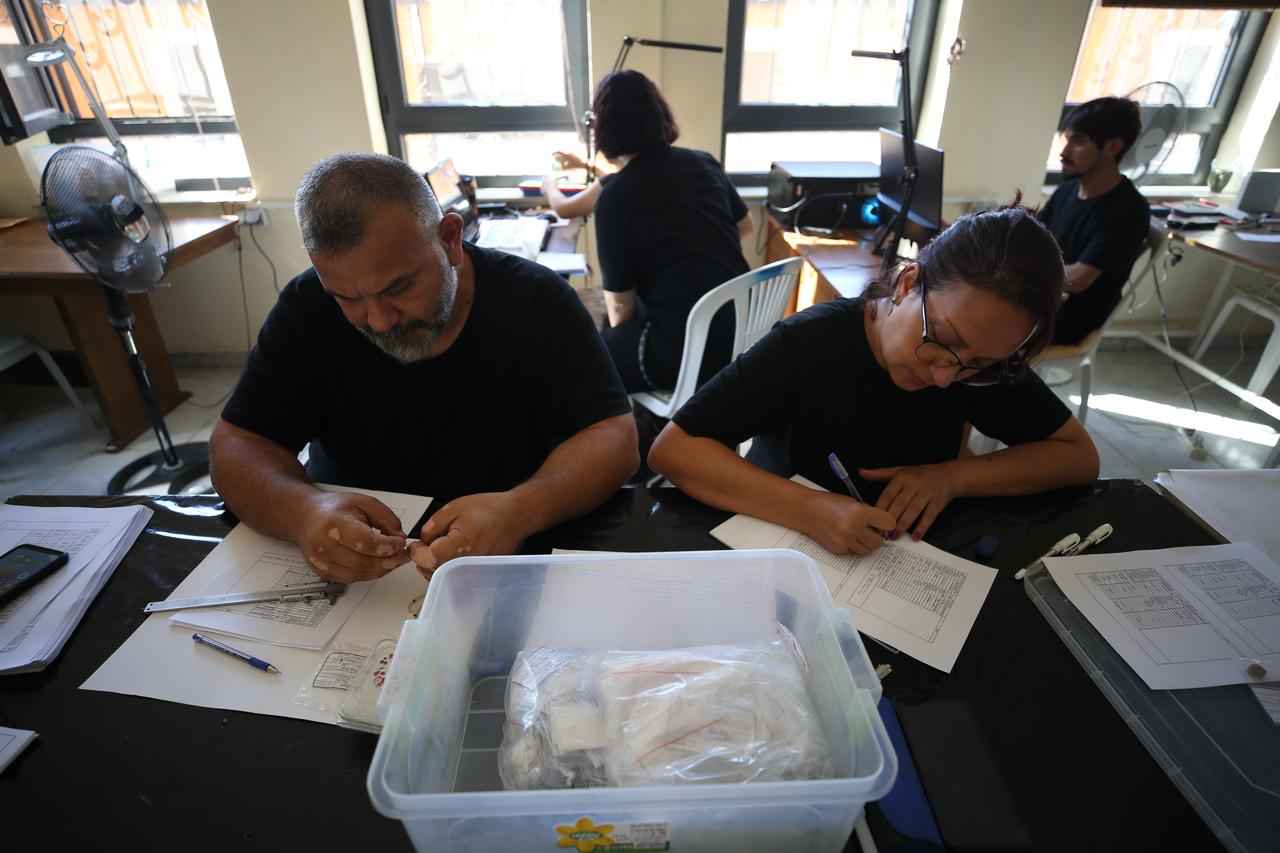
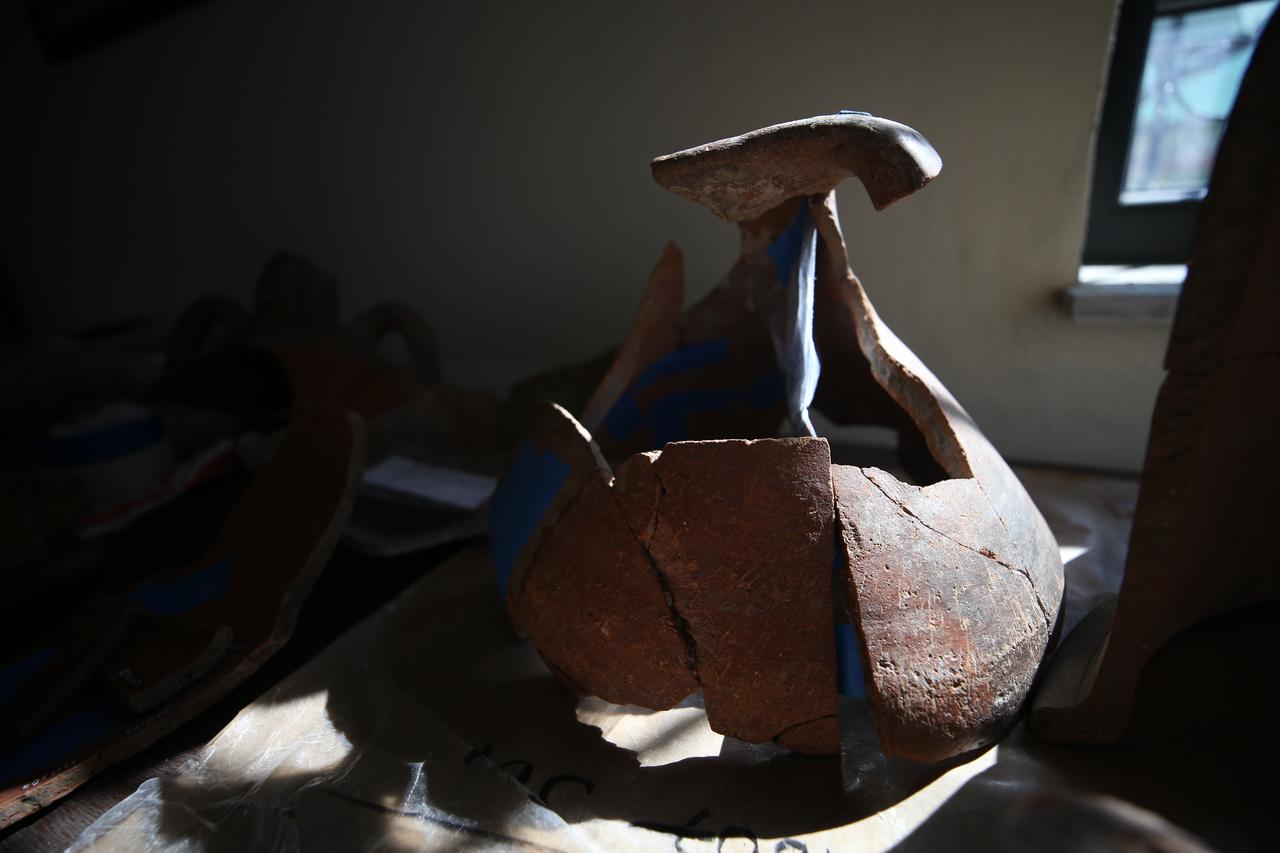
Excavations have brought to light living areas and floor surfaces along with pottery, grinding stones and tools made largely from bone and stone, reflecting periods when metal was either not widely used or had not yet come into use.
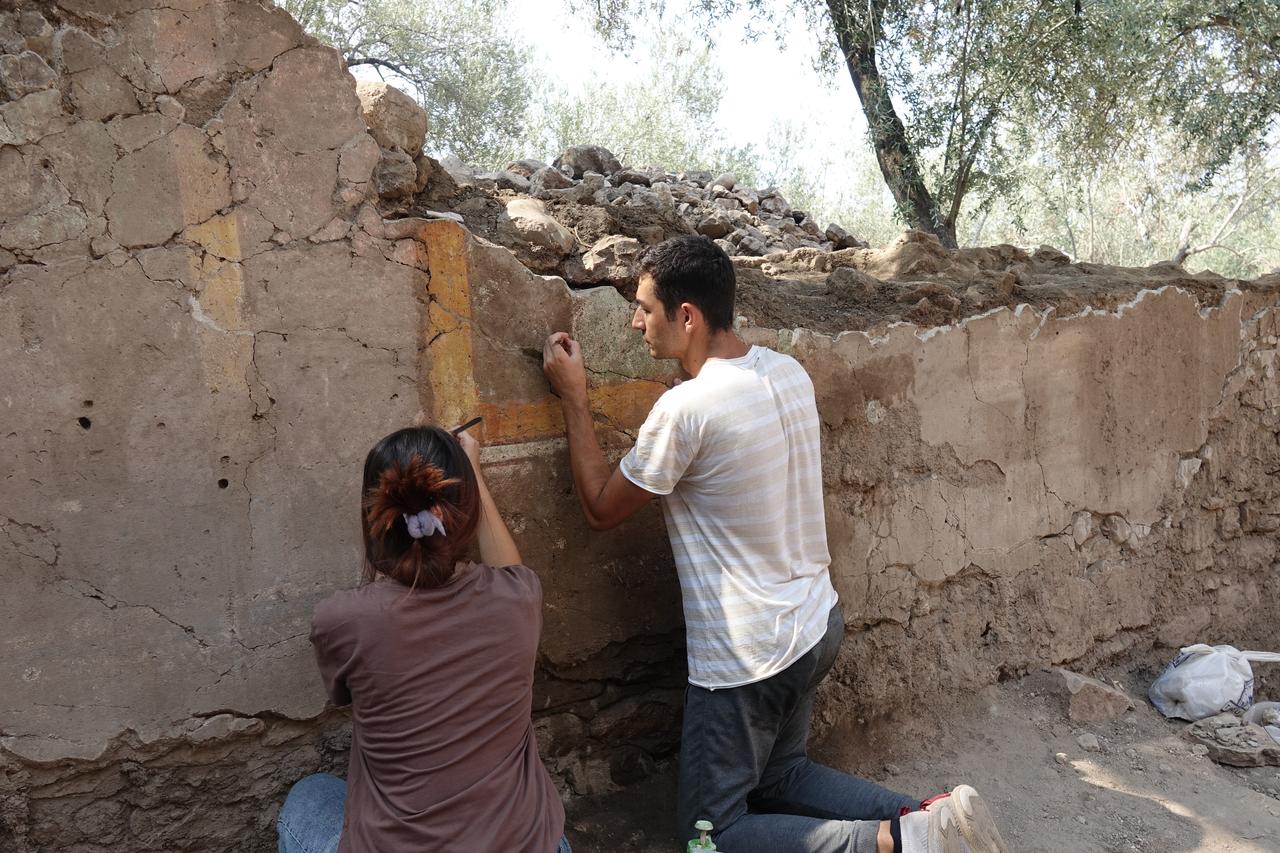
Yalcikli said this year's work also turned up unusual floor arrangements resembling those found inside houses, including examples from phases before pottery came into use.
The cave additionally contains a wall painting depicting a mountain peak and a leopard figure.
Located near Kocacal Tepe in Havran, the Andik Cave was first identified in 1949 by Professor Kilic Kokten. The excavation is being carried out with the permission of Türkiye's Culture and Tourism Ministry and with support from the Balikesir Kuva-yi Milliye Museum Directorate, Balikesir Metropolitan Municipality and Havran Municipality.
Havran Mayor Emin Ersoy said the municipality continued to support the excavations and welcomed the discovery of the ancient fig remains.


 Set as preferred source
 Set as preferred source


 1 min read
 1 min read