Newsletters


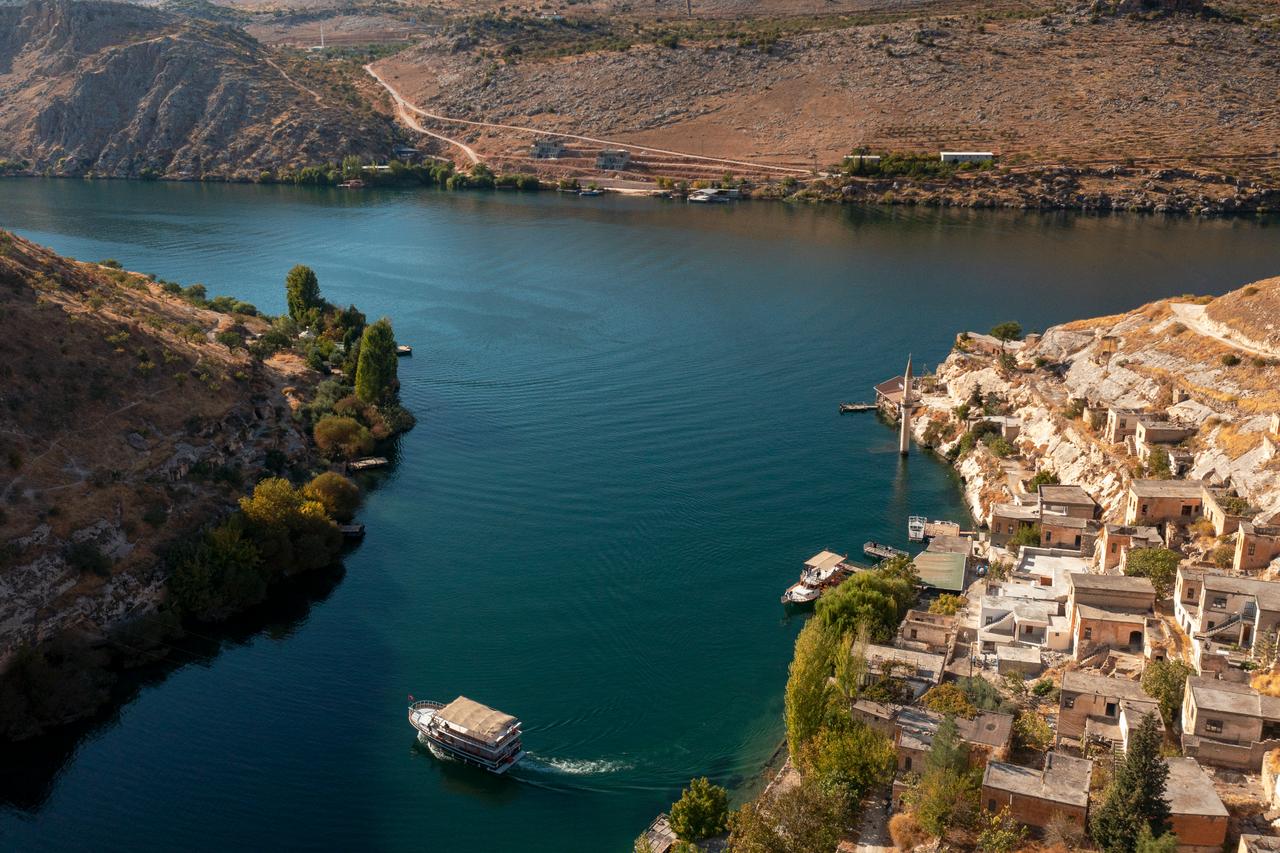


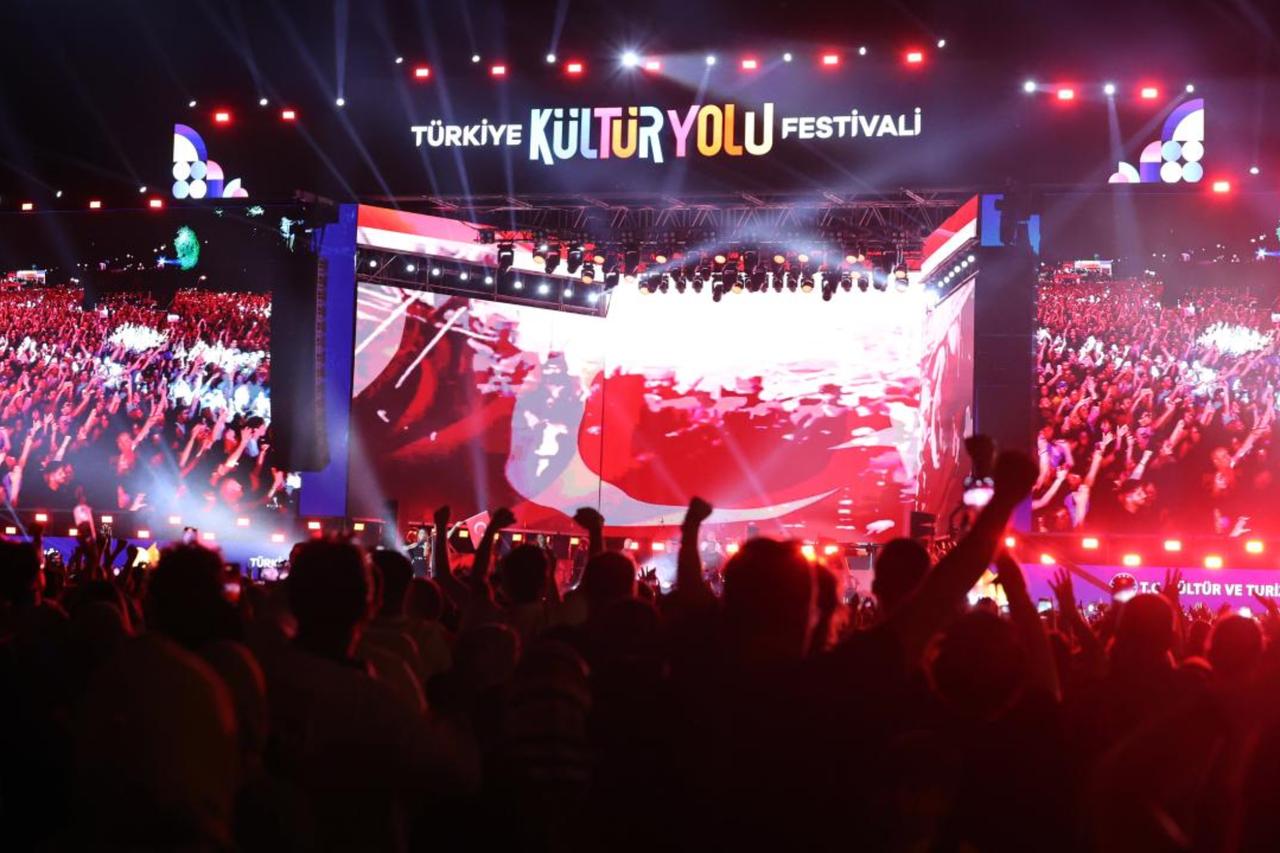
Türkiye Culture Route Festival will begin its 2026 program in Sanliurfa on April 25, bringing a wide-ranging mix of exhibitions, concerts, gastronomy and workshops to one of the world’s oldest continuously inhabited regions.
Organized by the Ministry of Culture and Tourism, the festival will run until May 3 and aims to showcase the city’s layered heritage, cultural identity and culinary traditions through a multi-disciplinary program.

Sanliurfa, described as one of the key centers of civilization due to its deep historical and archaeological roots, will host the festival for the third time. Officials underline that the event has grown significantly since its launch in 2021 in Beyoglu, expanding into a nationwide cultural initiative across multiple regions and cities.
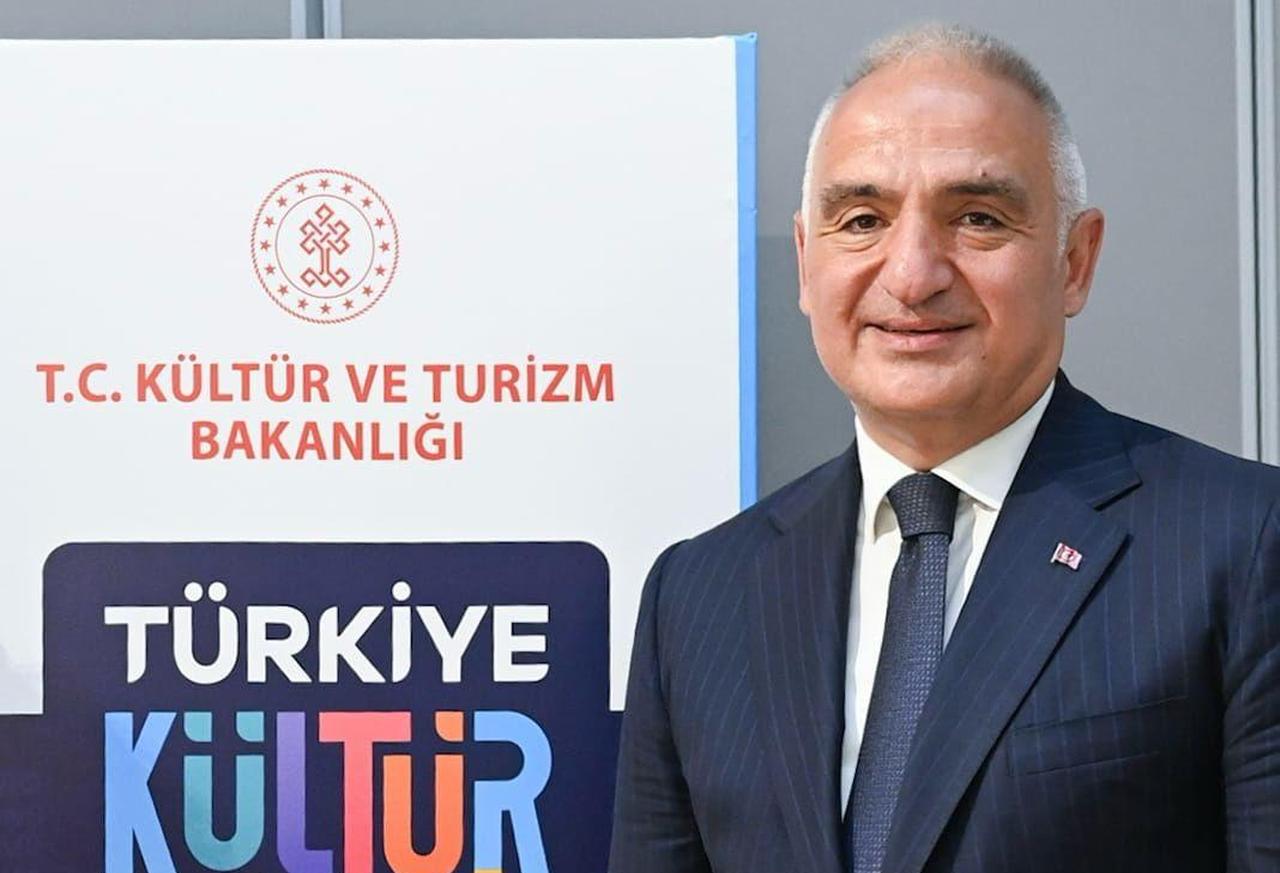
Culture and Tourism Minister Mehmet Nuri Ersoy said the festival has evolved into a strong cultural movement, adding that Sanliurfa’s heritage will be brought together with art across various disciplines, from music and exhibitions to workshops and performances. He noted that the city’s cultural fabric and distinctive cuisine will become more visible throughout the event.
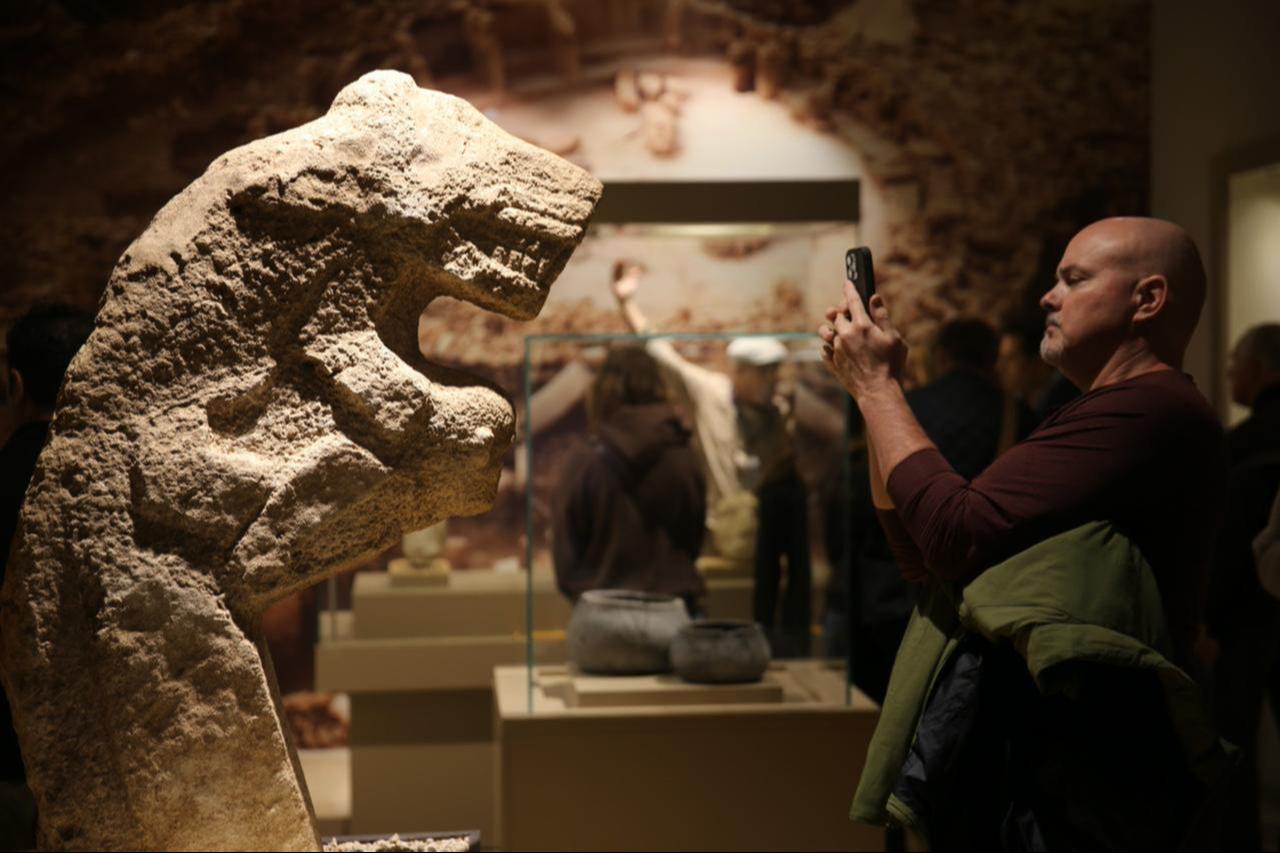
A series of exhibitions will open across key venues, offering visitors insight into both historical and modern artistic expressions.
At the Sanliurfa Archaeology Museum, the “Hane” exhibition will explore the concept of family through traditional and contemporary art forms, including calligraphy, ceramics, illumination art (tezhip, a decorative manuscript art), and digital works. Another exhibition, “Sacred Relics of the Ottoman,” will present objects such as Quran manuscripts, calligraphic panels and ceremonial textiles linked to religious traditions.
Meanwhile, the “Living Heritage: Sanliurfa” exhibition will bring together a wide range of crafts, from ceramics and textiles to woodwork and metalwork, reflecting the region’s artisanal diversity. A separate exhibition will reinterpret Neolithic-era discoveries from sites such as Gobeklitepe, Karahantepe and Nevali Cori through artworks created by high school students, connecting early human history with contemporary creativity.
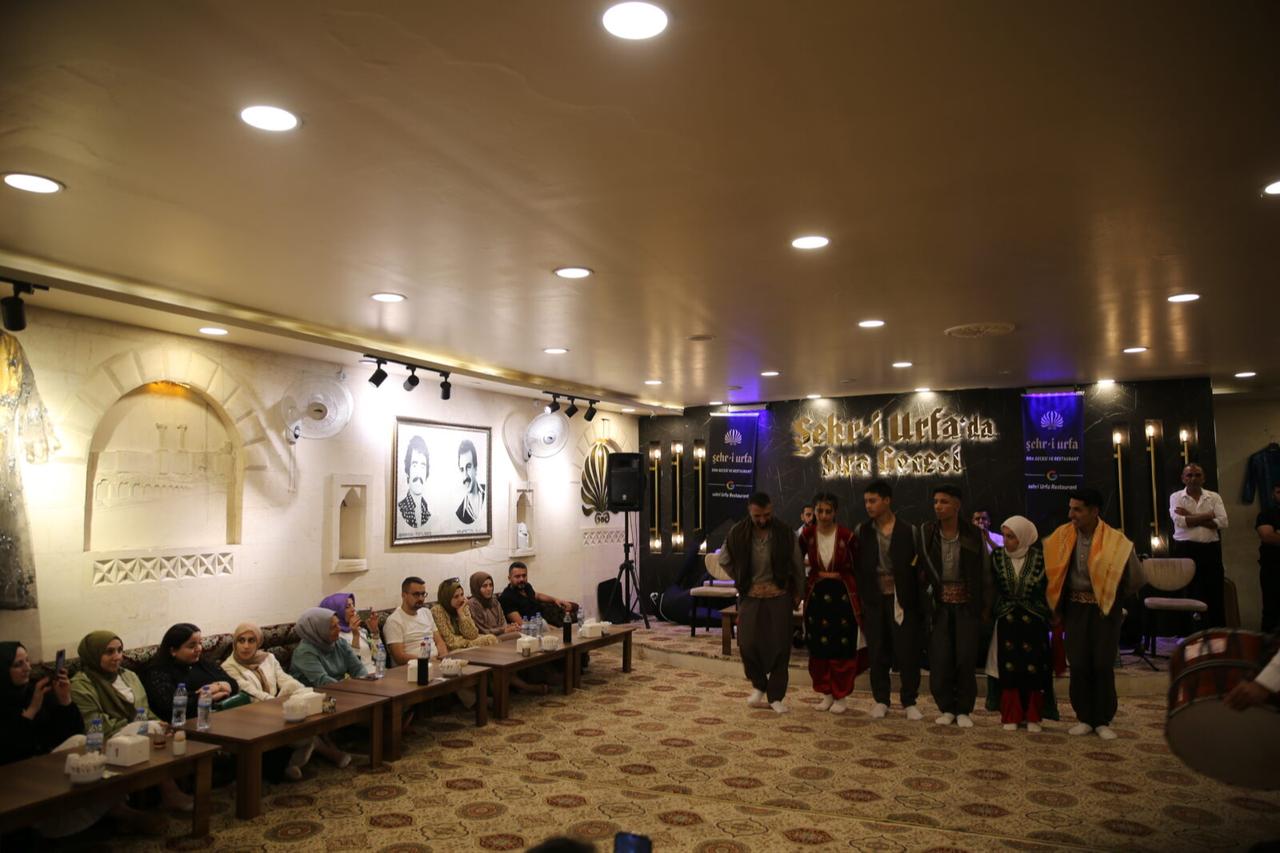
The festival’s performance program will feature a mix of well-known Turkish artists and traditional ensembles. Concerts will take place at venues including the Sanliurfa Archaeology Museum and cultural centers across the city.
Alongside pop performances, audiences will be able to experience projects that revive lesser-known compositions from the 19th and 20th centuries, as well as choral interpretations of Anatolian melodies. Traditional music gatherings known as “sira gecesi,” which combine music and social storytelling, will also be staged, offering visitors a glimpse into local cultural practices.
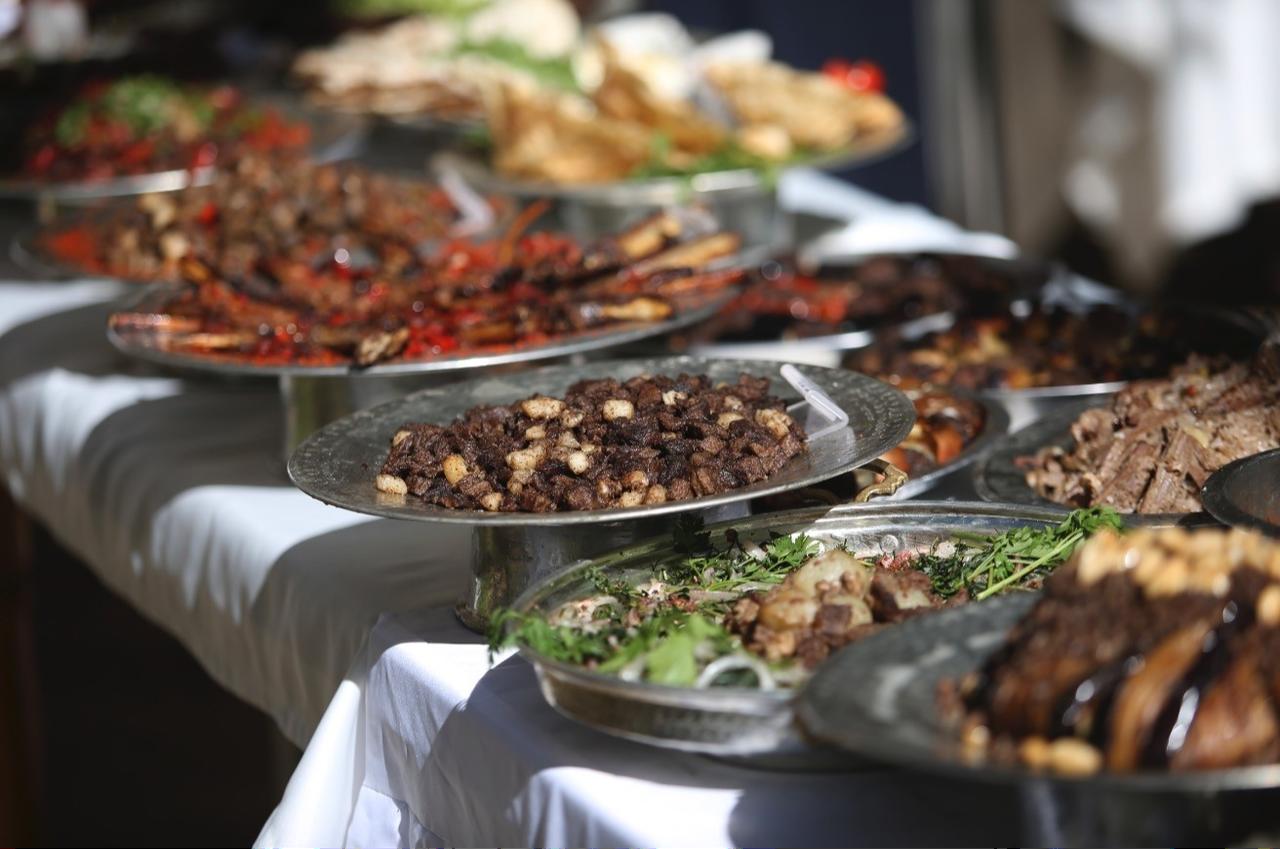
Through the “Lezzet Noktasi” (Taste Stop) project, the festival will map out a curated food route across the city. Selected restaurants will present dishes that reflect Sanliurfa’s culinary heritage, giving visitors a direct way to engage with local flavors.
Chef Omur Akkor will contribute to the gastronomy program, helping to promote the city’s food culture to wider audiences.
The program also includes talks and workshops focusing on intangible cultural heritage. One session will explore “mirra,” a strong, traditional coffee central to social rituals in southeastern Türkiye, while others will cover archaeological sites such as Sanliurfa Castle, Harran and Sogmatar.
Literary events and discussions on classical Ottoman poetry will further expand the intellectual scope of the festival, while a Mevlevi ritual performance, featuring whirling dervishes and poetry, will offer insight into spiritual traditions.
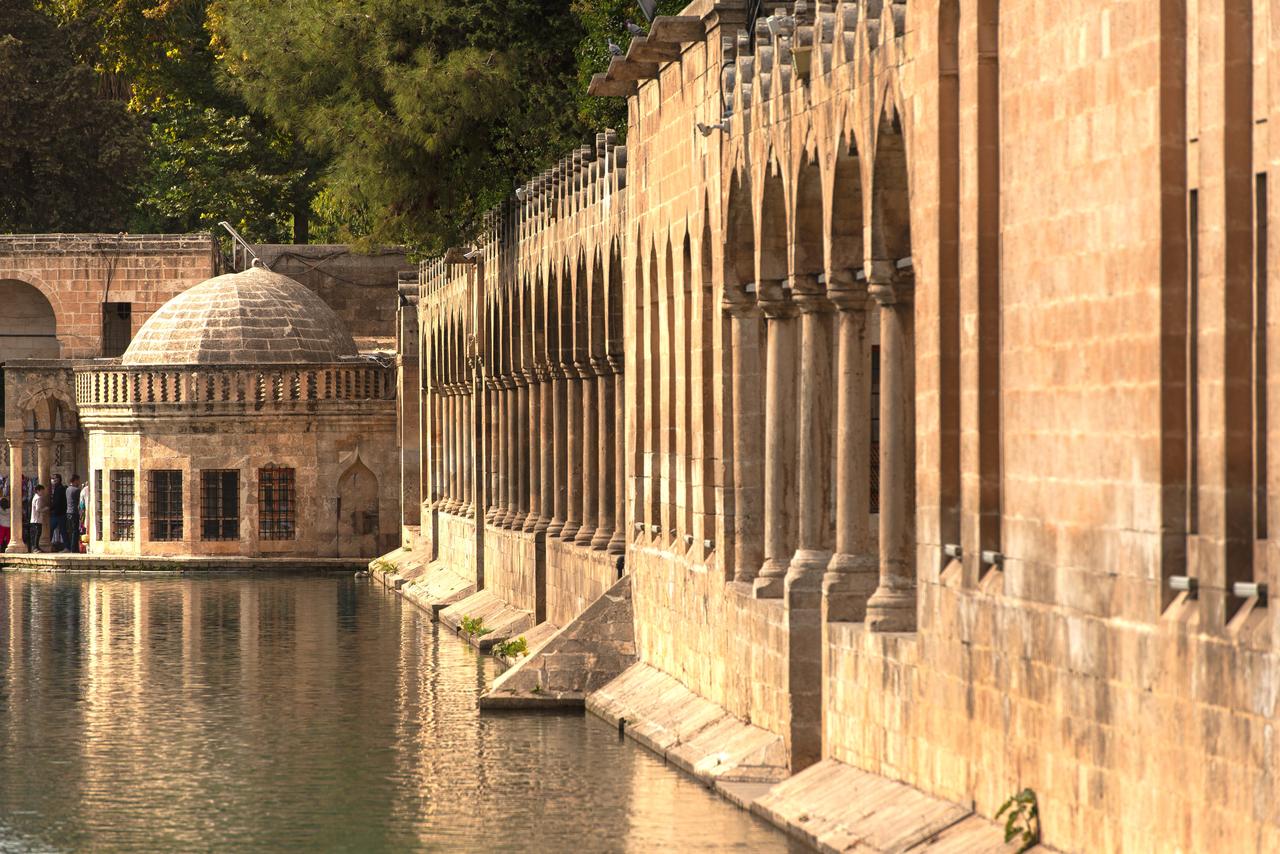
Beyond indoor events, the festival will branch out into nature and exploration activities. Visitors will be able to join photography marathons, cycling tours, canoeing and guided walks, including routes that trace the region’s prehistoric past.
For younger audiences, a dedicated “Children’s Village” will be set up at the Archaeology Museum’s Archaeopark area, combining games, workshops and performances to create an interactive environment.


 Set as preferred source
 Set as preferred source


 1 min read
 1 min read