Newsletters


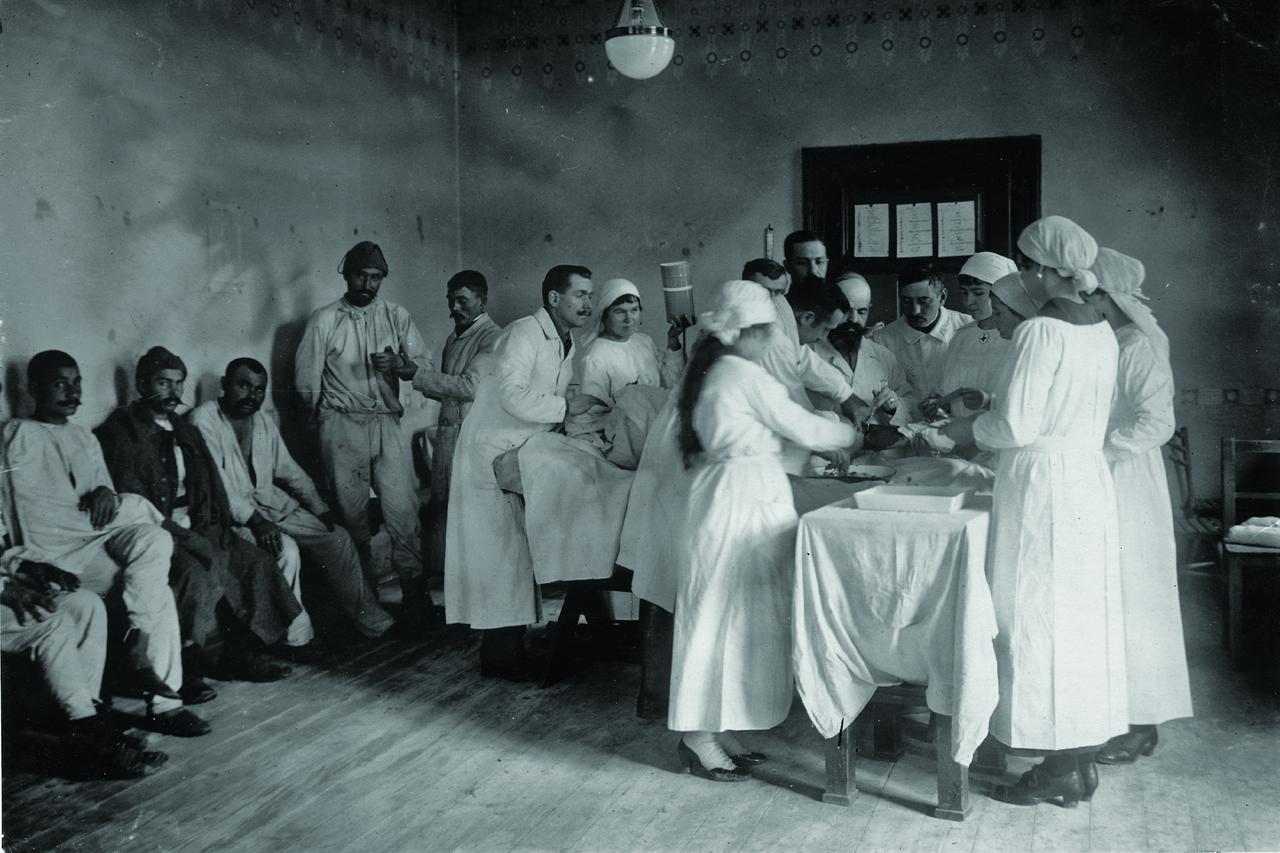


A newly identified 1915 report has brought to light the medical toll of the Gallipoli campaign, laying out in detail how wounded Ottoman soldiers were treated during some of the fiercest months of the fighting.
The document was uncovered during research carried out by the Canakkale Wars Institute and published in the 30th issue of Anafarta magazine. Institute Director Utkan Emre Er said the report was found as part of ongoing work on the 3rd Corps War Diaries and was written directly in 1915 by Ali Riza, the chief physician of the 3rd Corps and the Northern Group.
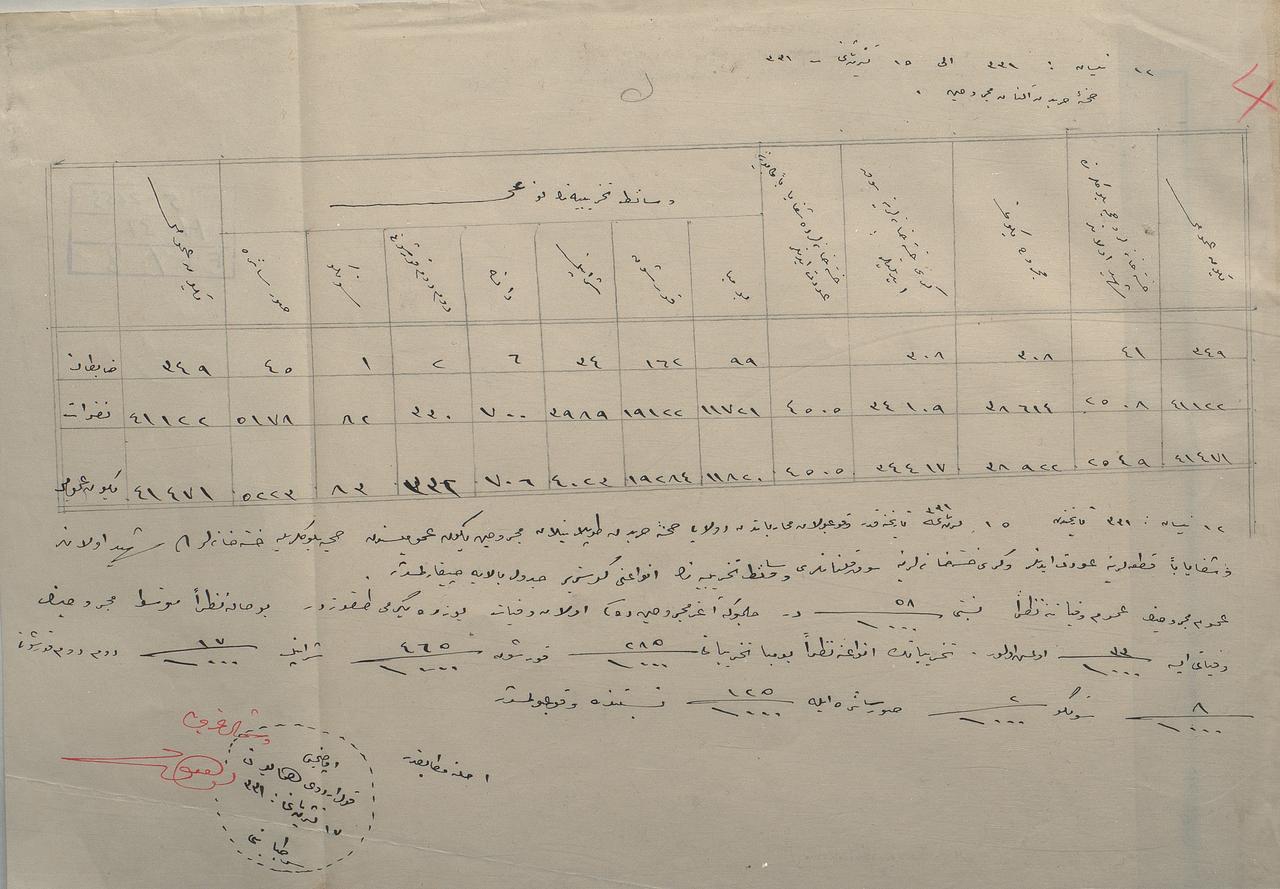

Er said many studies and casualty tables on the Gallipoli battles had already been published, but this document stood out because it set out the campaign's medical balance sheet in unusually direct form. According to him, the report covers the bloodiest and most critical phase of the land battles, from April 25, 1915, when the ground fighting began, through the end of November.
He said the document includes statistics from all major clashes in the Ariburnu and Conkbayiri sectors, making it a rare source not only for military history but also for the study of wartime data. The figures, he noted, show the scale of human loss in a very narrow battlefield zone.
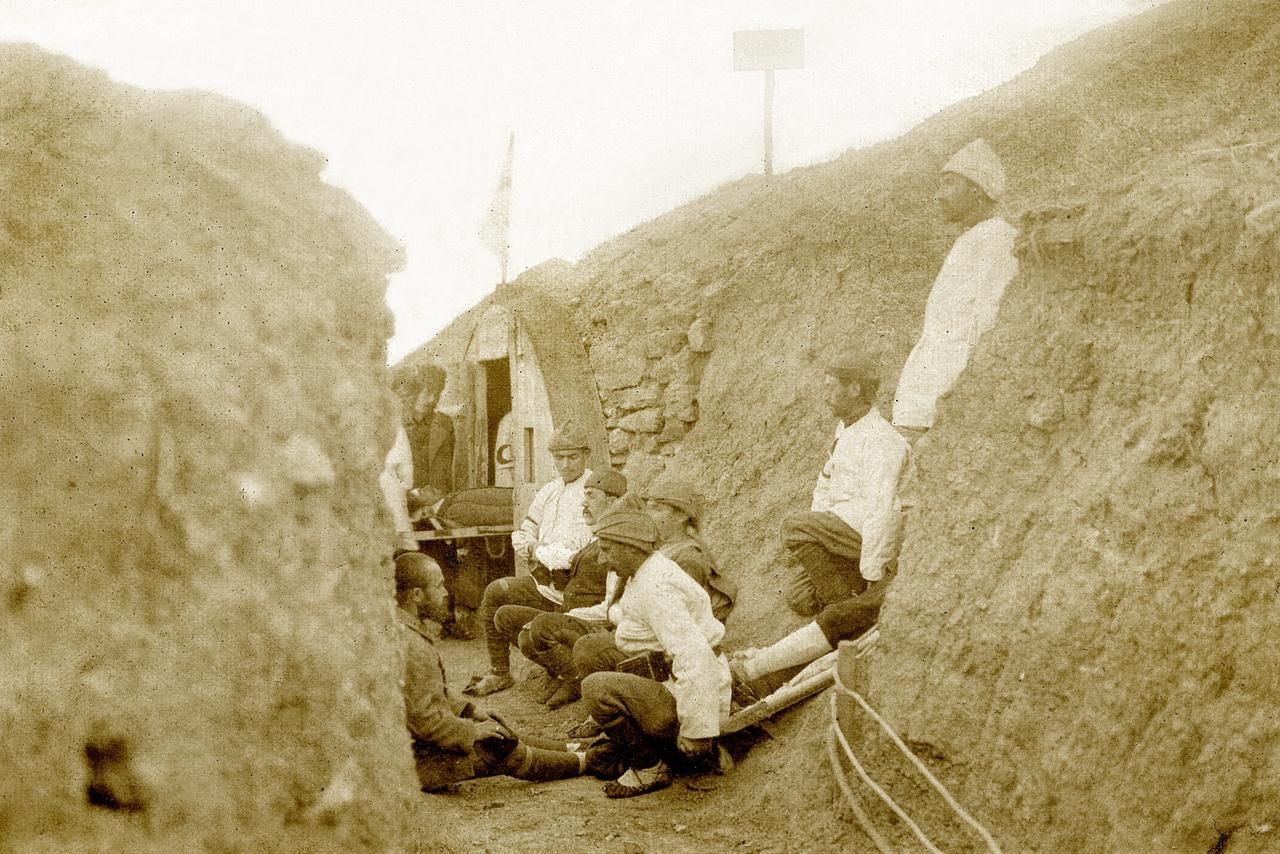
The report recorded 41,471 wounded soldiers collected from the front defended by the 3rd Corps. More than 40,000 of them were transferred to dressing stations and hospitals, while 2,549 soldiers who had been brought out alive from the firing line later died in hospital wards.
Er said those numbers showed that the Gallipoli story was written not only in the trenches and underground tunnel fighting, but also in hospital tents, where another struggle was being fought to keep men alive. He added that the document also pointed to the strength of the Ottoman army's logistical and medical organization during the campaign.
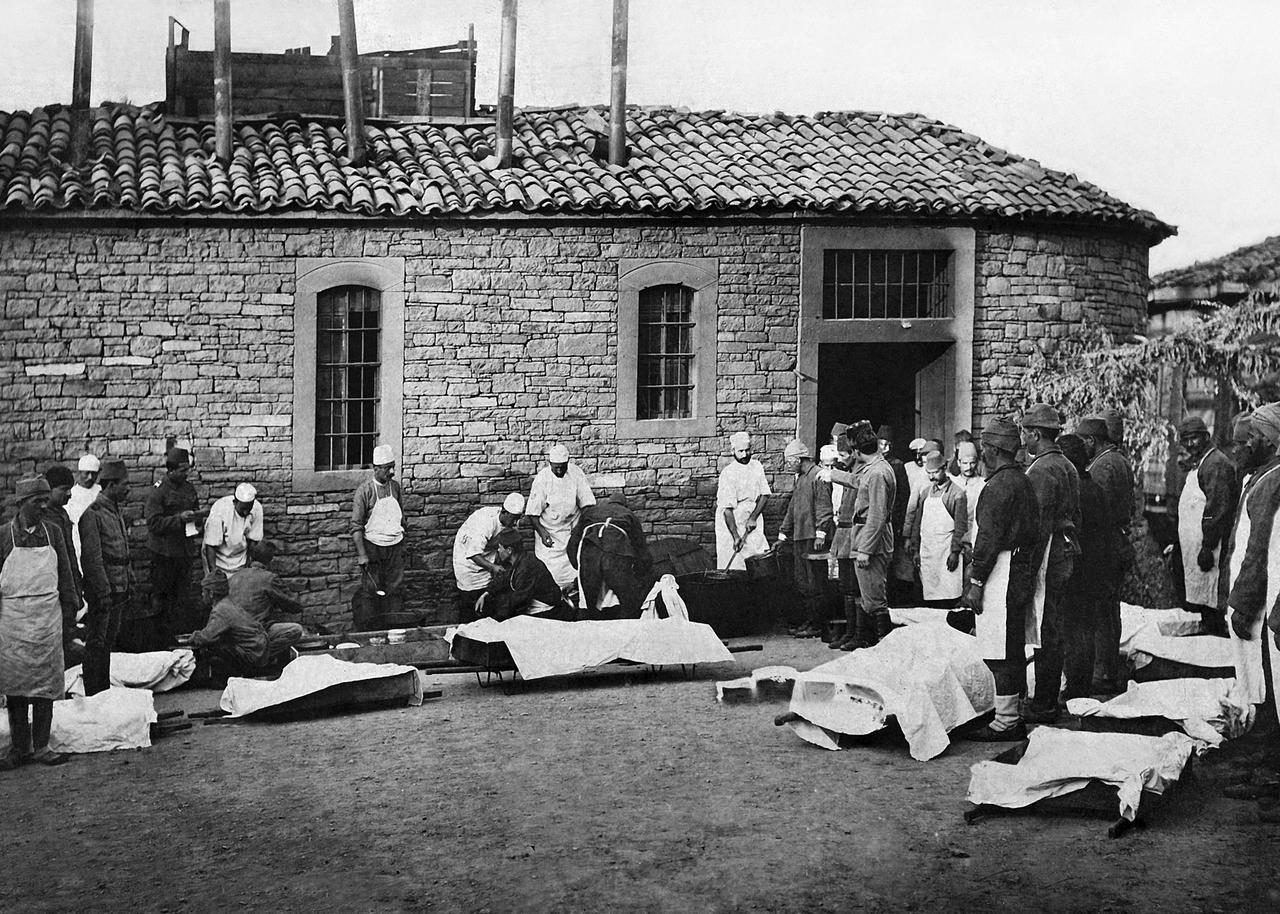
Er said military hospitals were not limited to central Canakkale. Medical facilities were also set up in locations such as Lapseki, Biga and Ezine, where wounded soldiers were treated before the most serious cases were sent by sea to hospitals in Istanbul.
Taken together, he said, the report shows that a broad military hospital network was operating across the region during the fighting. It also details the damage caused by Allied ammunition and battlefield tactics, especially in a geography where landing points and combat zones on the Gallipoli Peninsula were fully exposed to naval fire.
Because of that setting, bomb and shrapnel wounds were recorded at very high levels and in different forms, the report said.
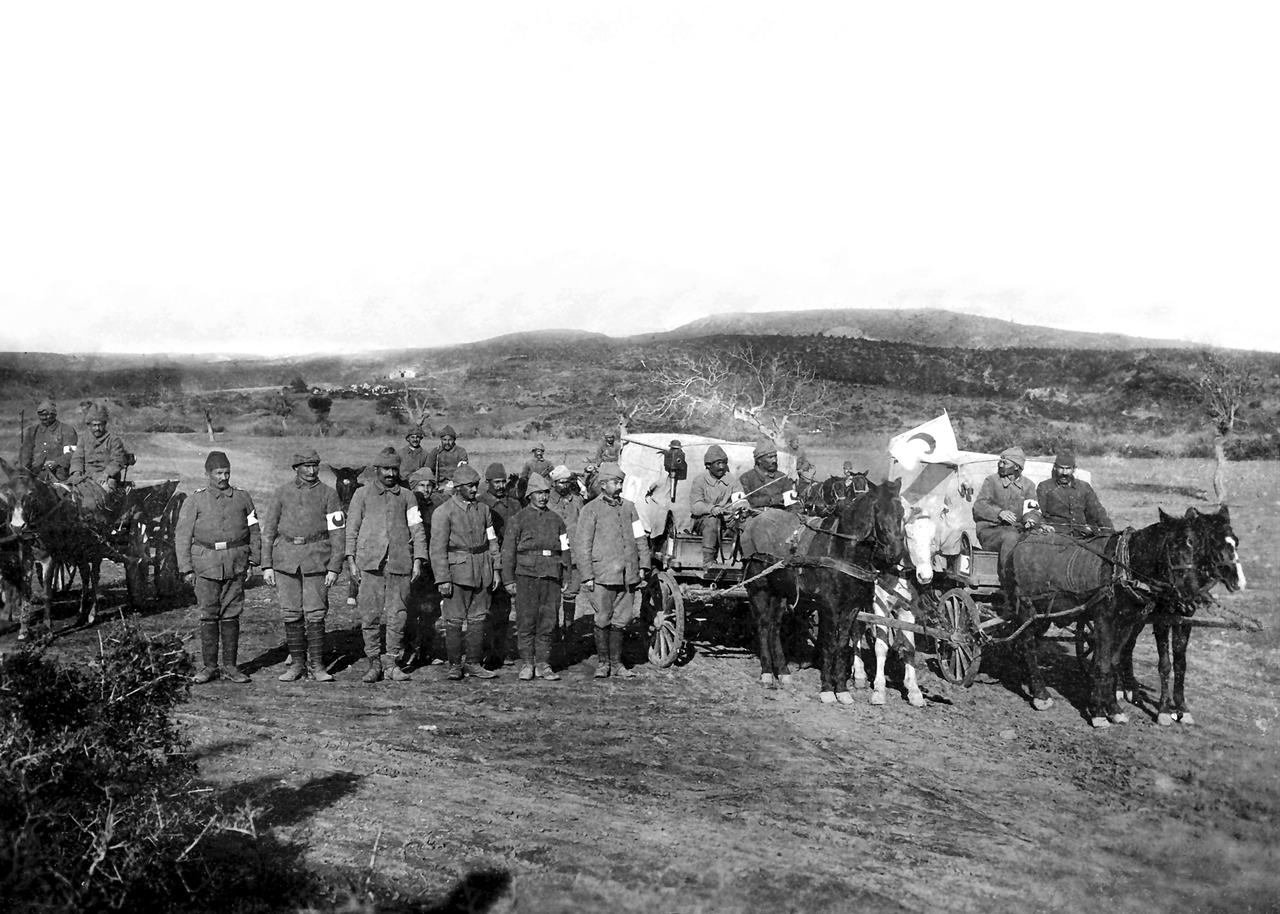
Among the most striking details in the document, Er said, was the use of ammunition banned under the laws of war. Official records in the report state that 332 Turkish soldiers were wounded by so-called "dumdum bullets," expanding rounds that cause severe tissue damage on impact and are regarded as a war crime.
He also said the chief physician's report covered close-quarters combat during some of the harshest moments of the campaign. It recorded that 83 soldiers were either badly wounded or killed in bayonet attacks, underlining how brutal the fighting became at the front.
Er said the institute would go on bringing such rare documents to light in order to preserve the memory of those who fought in the Gallipoli campaign.


 Set as preferred source
 Set as preferred source


 1 min read
 1 min read