Newsletters


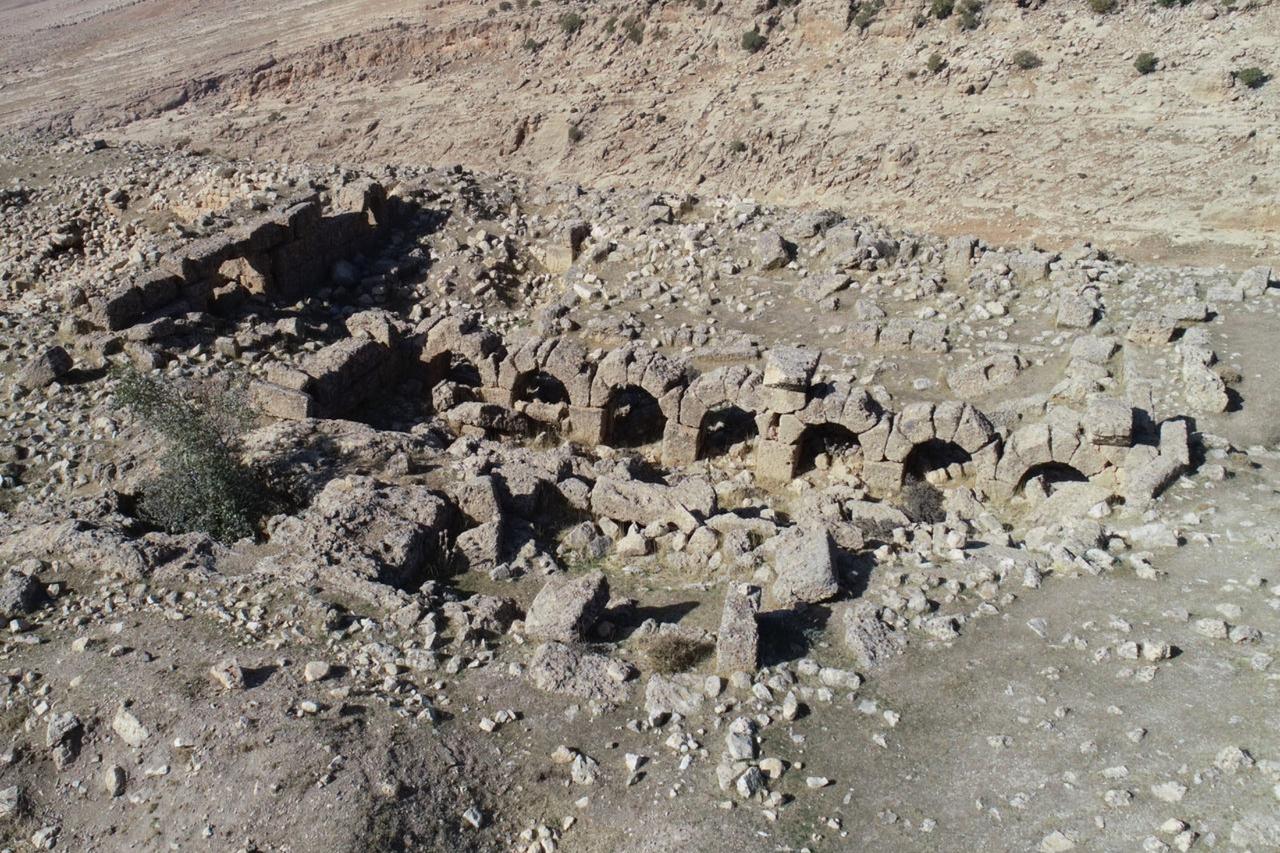


Türkiye added 1,581 new protected areas and 3,263 immovable cultural assets to its national inventory in 2025, marking a significant step in recording and safeguarding the country’s cultural heritage, according to the General Directorate of Cultural Assets and Museums under the Ministry of Culture and Tourism.
The announcement, shared via the directorate’s official social media channels, underlined that the cultural memory of Anatolia is being systematically documented and passed on to future generations through scientific methods.
The General Directorate explained that teams across the country have been carrying out identification, evaluation, and inventory studies, allowing cultural assets to be recorded in a consistent and scientific way.
Through this ongoing work, the national inventory now covers around 28,000 protected areas and approximately 131,000 registered immovable cultural assets across Türkiye.
With the additions made in 2025, the authorities said the country’s thousands of years of accumulated heritage is being backed up by a stronger and more comprehensive scientific record, which helps ensure long-term preservation.
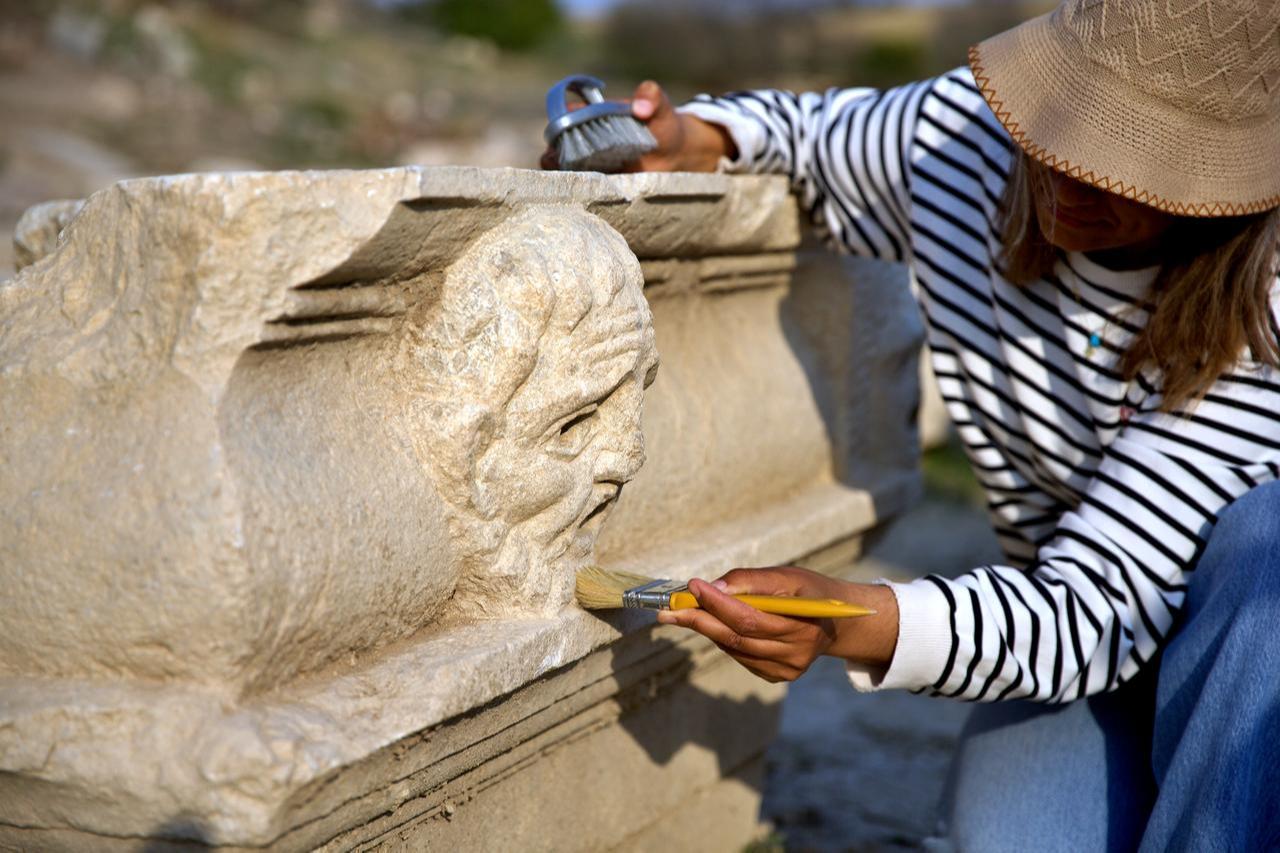

In its statement, the General Directorate stressed that cultural heritage represents one of the most valuable trusts shared by the nation, forming a collective memory that stretches back millennia.
By steadily expanding the national inventory each year, the ministry aims to keep this legacy visible, protected, and accessible for future generations, while maintaining a nationwide framework for conservation.
In Türkiye, a “sit alani” refers to a legally protected area of cultural, historical, archaeological, or natural importance, where development is restricted to preserve heritage value.
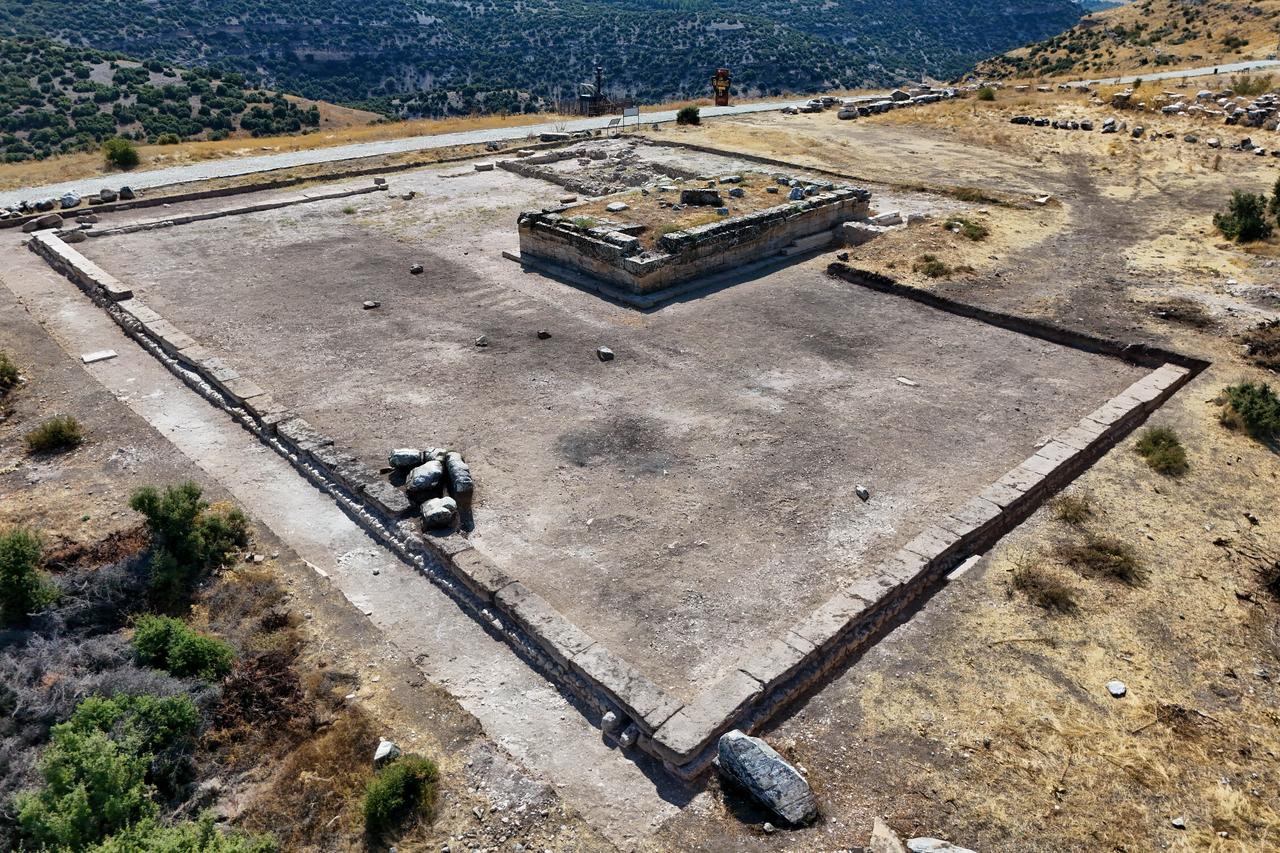
“Immovable cultural assets” include structures such as historic buildings, archaeological remains, and monuments that cannot be relocated and are protected under national law.


 Set as preferred source
 Set as preferred source


 2 min read