Newsletters


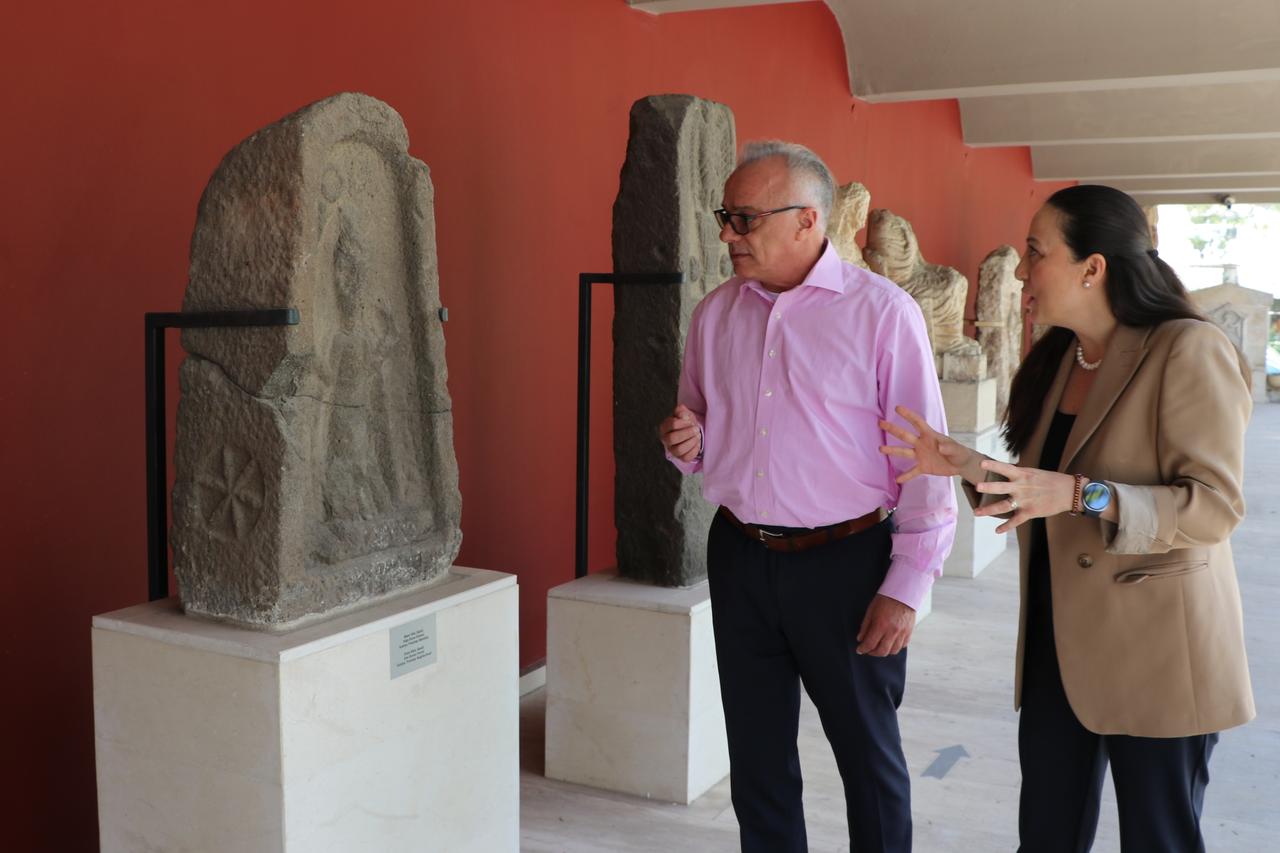


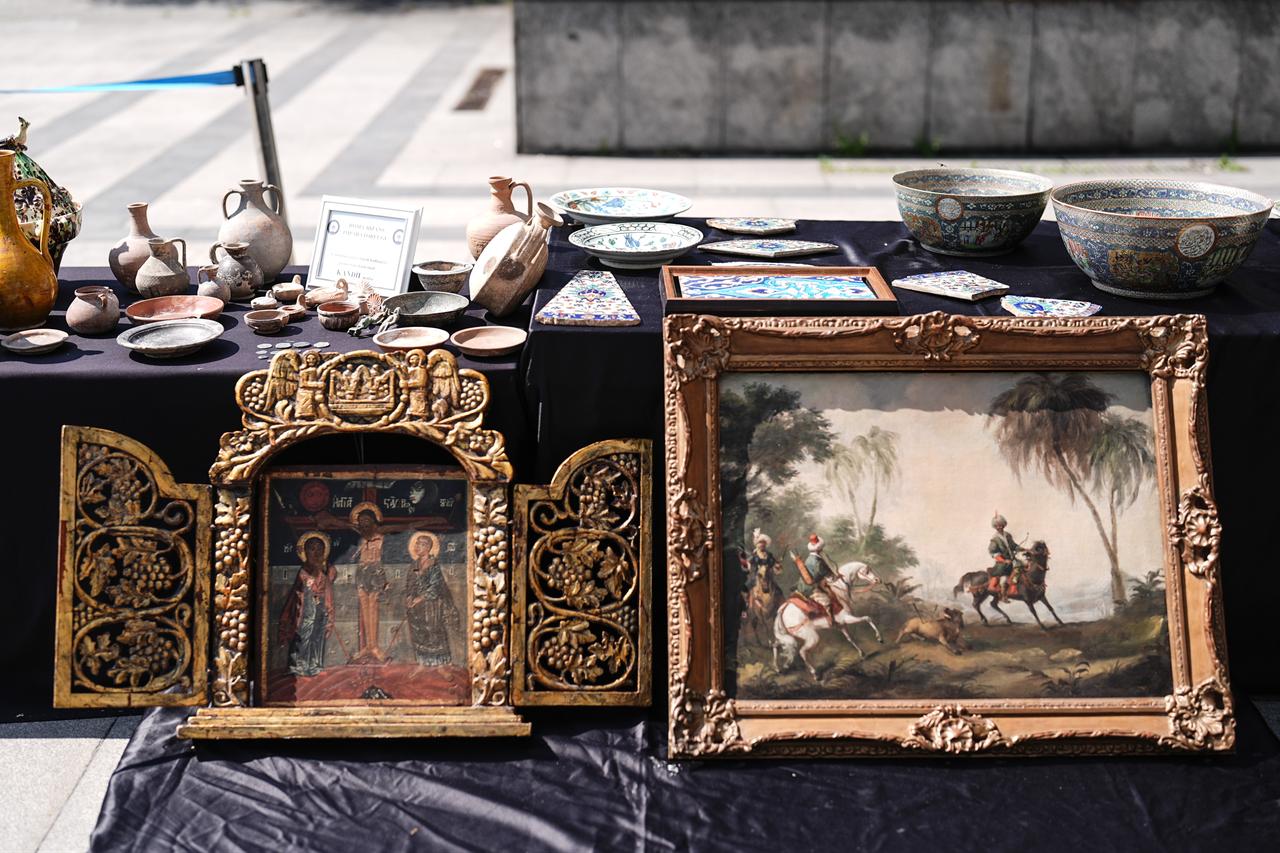
Türkiye intercepts over 1 million historical artifacts each year, most of them coins, as part of a broad effort to stop illegal trafficking of cultural heritage, according to a senior ministry official.
Zeynep Boz, who leads the Anti-Smuggling Department at the Ministry of Culture and Tourism, spoke at the Turkish Cultural Heritage Strategic Cooperation Conference and Technical Workshop: Program to Combat Illicit Trade in Cultural Property, held in Gaziantep.
Boz told Anadolu Agency (AA) that the large number of domestic seizures shows the importance of in-country enforcement operations.
"Every year, we can say that more than 1 million artifacts are intercepted, the majority of which are coins," Boz said. "If they were not caught in Türkiye, they would be smuggled abroad, and perhaps we could secure their return; perhaps we could not."
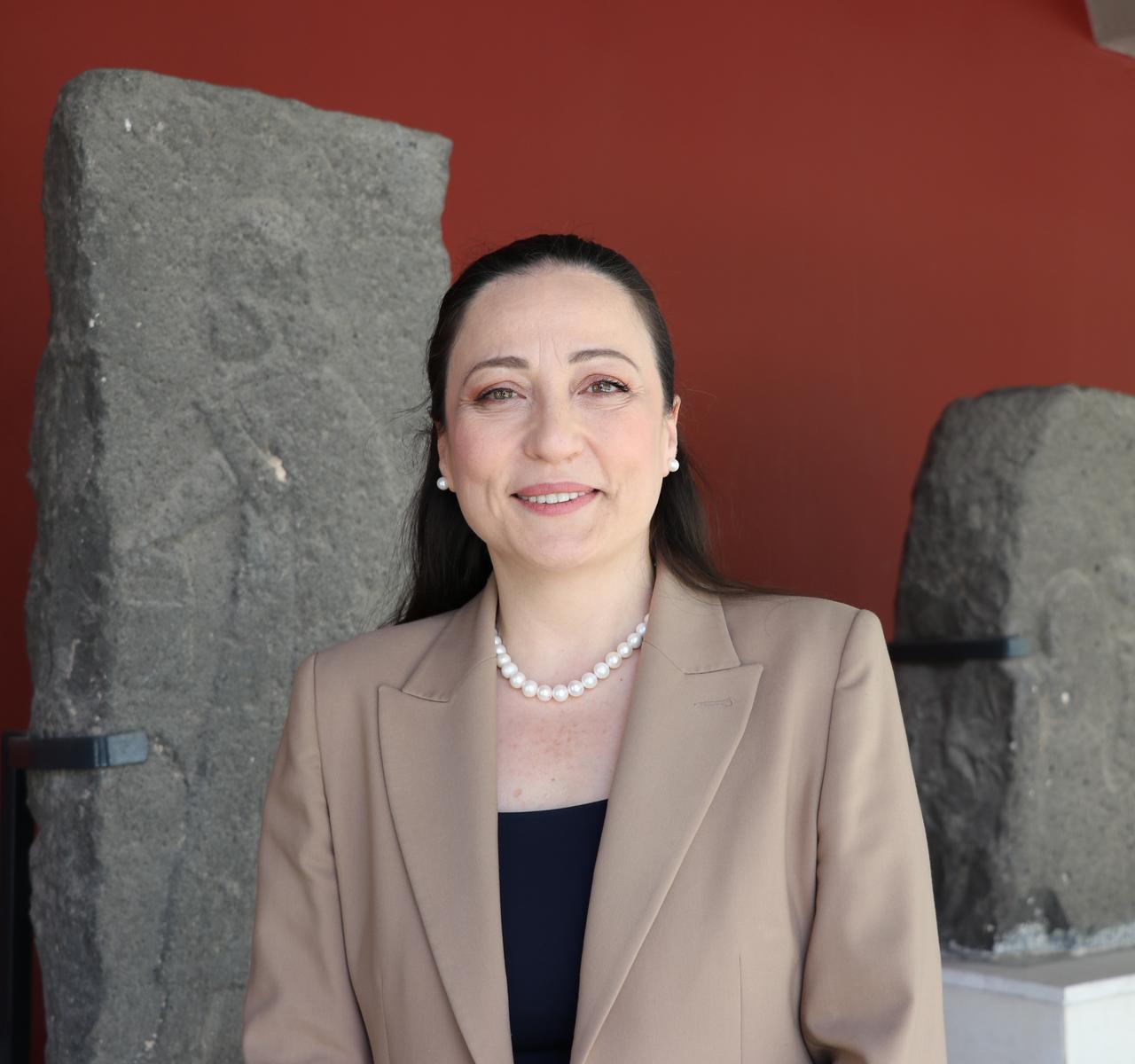

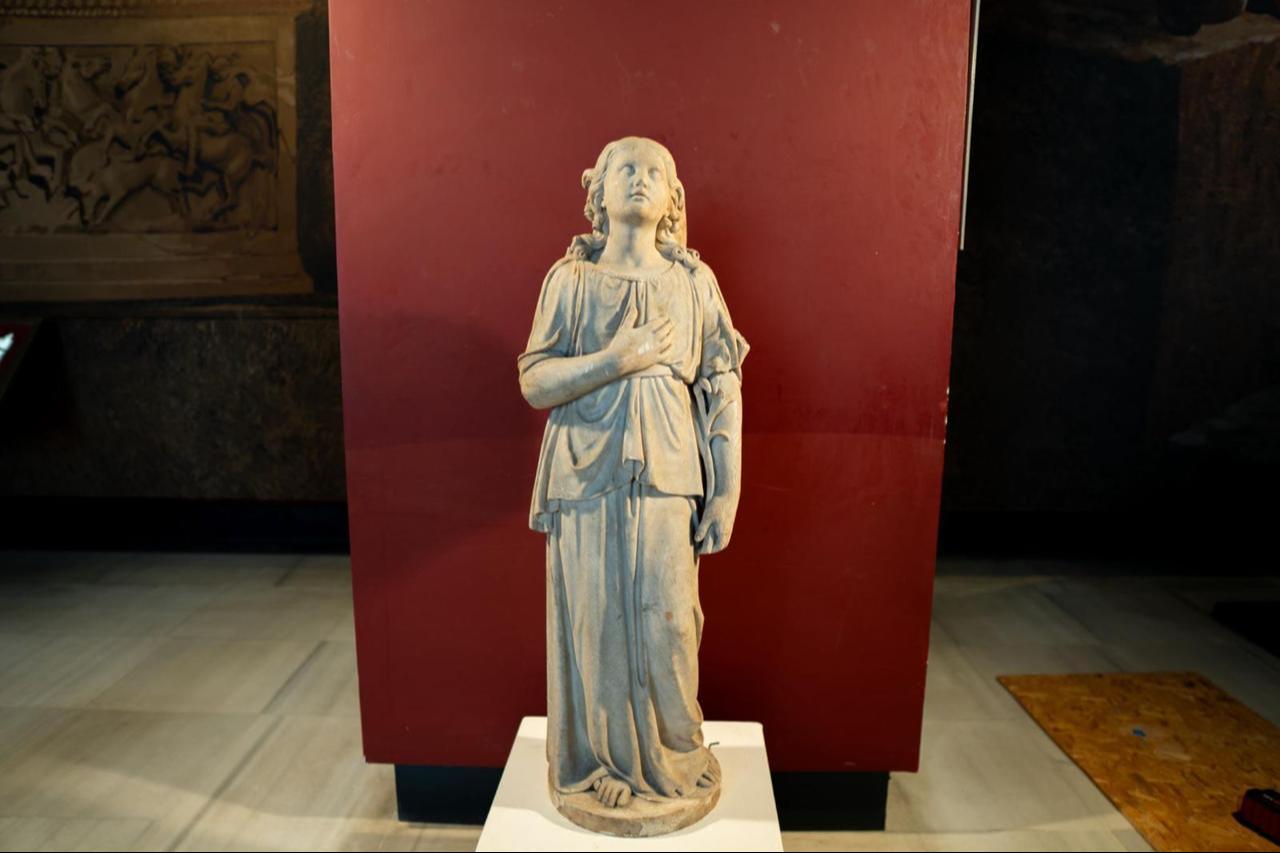
Along with domestic seizures, Boz said that repatriation efforts have achieved significant results over the past twenty years. Since 2002, Türkiye has brought back 13,453 artifacts from abroad.
She described international repatriation as the most visible and symbolically important part of the country's anti-smuggling strategy.
"The repatriation of artifacts from abroad represents the most symbolic work in this field and sends the strongest message to the international community," Boz said.
She added that these returns were possible thanks to cooperation with foreign governments, museums, and institutions, and that they show a broader shift in how the global community views the origins of cultural objects.
Boz also emphasized that awareness and education campaigns are a key part of Türkiye's anti-trafficking efforts, along with enforcement and diplomacy.
She said that raising public awareness about the value of cultural heritage is essential for long-term prevention.
"We need our people to understand the importance of cultural property," Boz said. "To achieve this, we keep running educational activities for all ages."
Boz noted a broader change in how the international art and museum world now approaches artifacts of uncertain origin. What was once seen as a minor offense, and when artifacts left their country of origin, they were often considered legitimate once they reached market countries, is no longer viewed that way.
"We now see that museums, major institutions, institutes, and foreign organizations specifically ask where an artifact comes from," she said.
Boz said much of Türkiye's domestic success comes from coordination between security, customs, and cultural heritage agencies.
She explained that working together has helped increase the number of artifacts intercepted before they leave the country.
She said the conference in Gaziantep is part of ongoing efforts to strengthen both domestic and international partnerships in the fight against the illegal trade of cultural property.


 Set as preferred source
 Set as preferred source


 3 min read