

 Newsletters


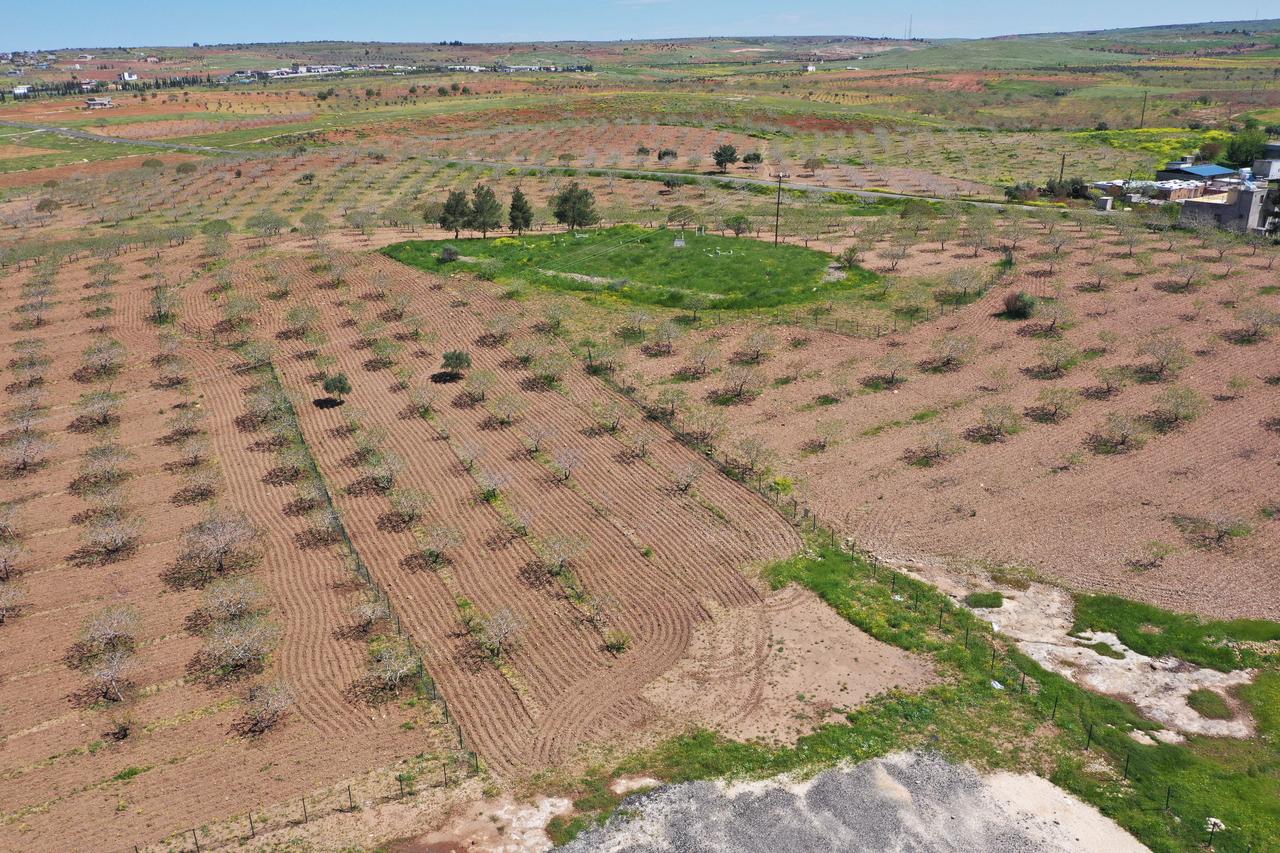


Japanese and Chinese archaeologists are set to take part in new excavations at Ayanlar Hoyuk and Yogunburc in Sanliurfa, bringing a stronger international dimension to Türkiye’s Tas Tepeler Project, one of the country’s most extensive archaeological initiatives focused on the Neolithic period.
The work will be carried out in settlements linked to the same prehistoric landscape as Gobeklitepe and Karahantepe, where researchers have been tracing early evidence of settled life, architecture, food production and social organization.
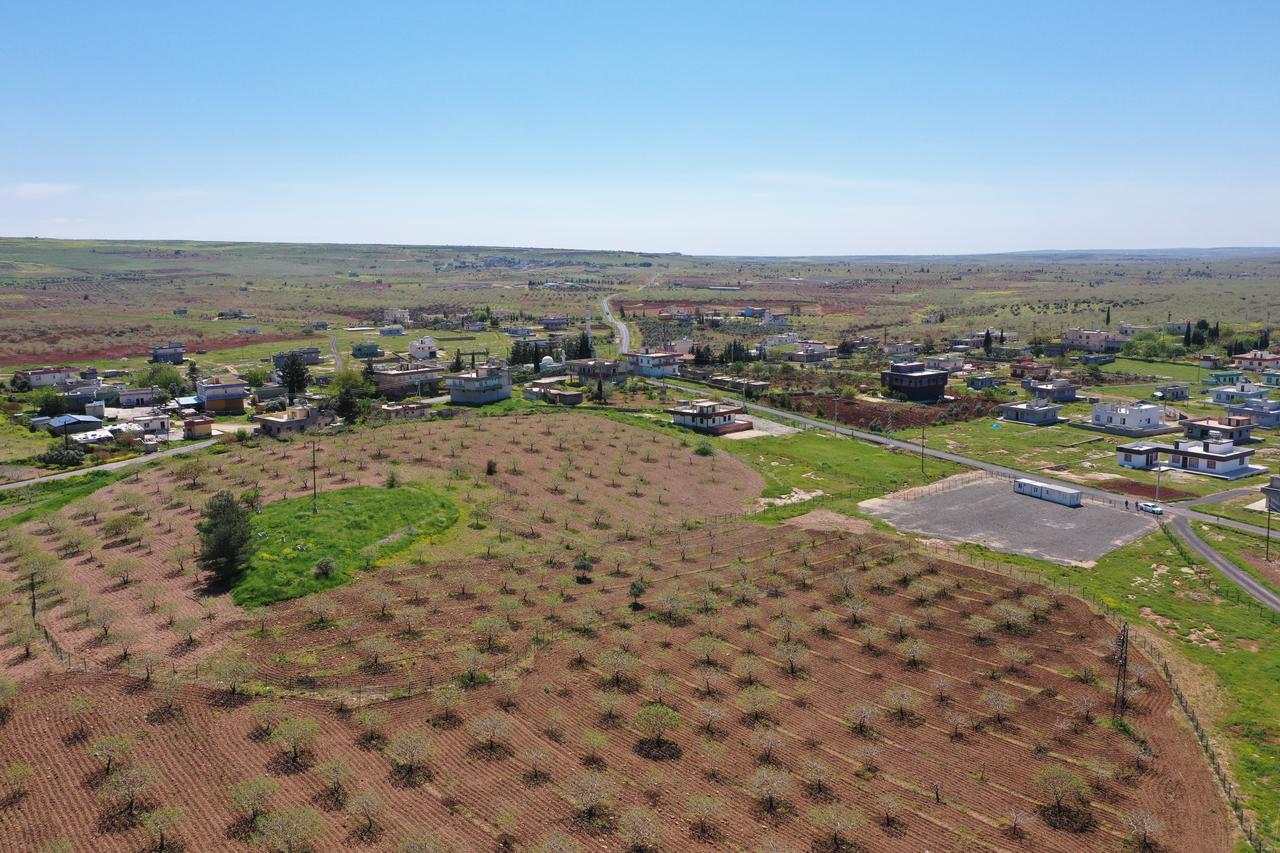

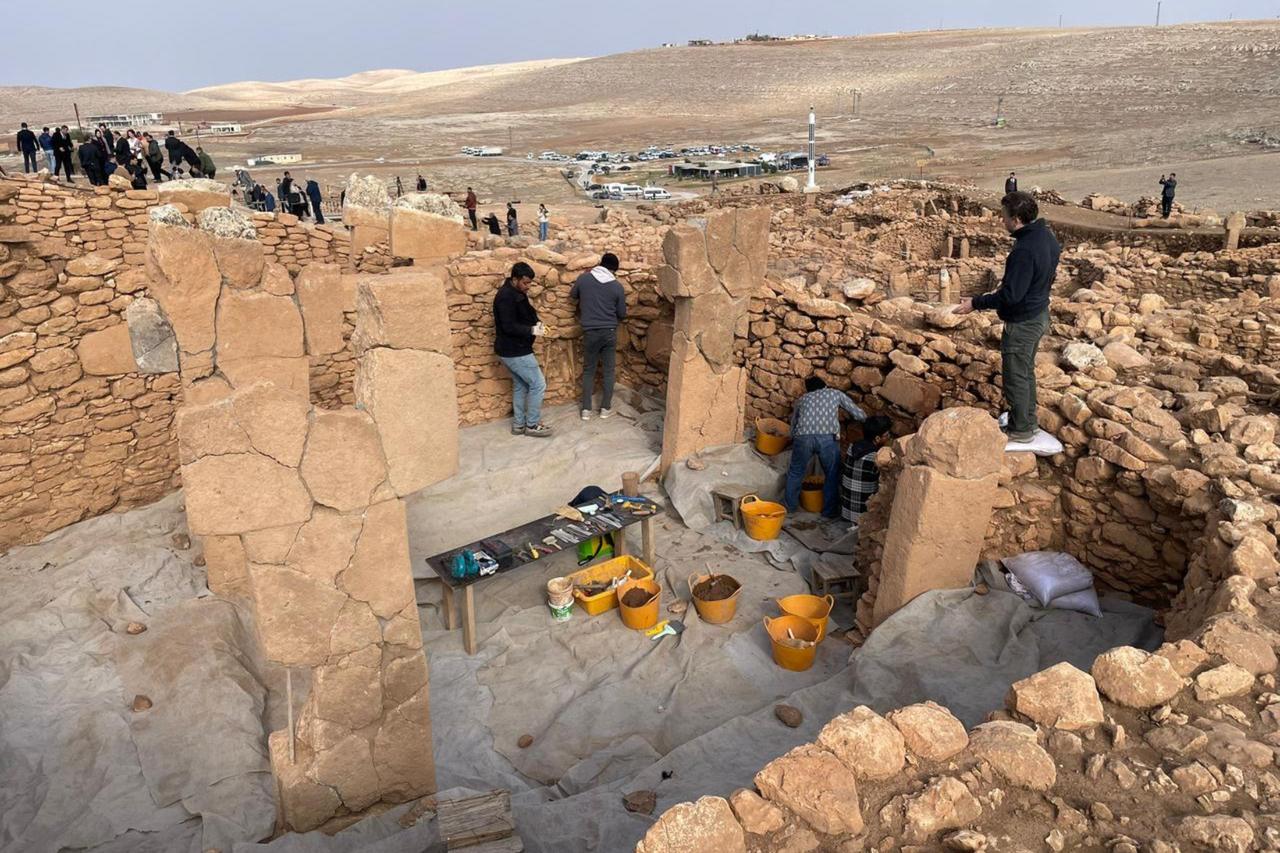
Tas Tepeler Coordinator and Karahantepe Excavation Head Professor Necmi Karul said Japanese archaeologists would soon begin work at Ayanlar Hoyuk, where preparations had already been carried out before the excavation stage.
Karul recalled that Japan’s Princess Akiko of Mikasa visited the Ayanlar excavation site last year with Türkiye’s Culture and Tourism Minister Mehmet Nuri Ersoy and symbolically struck the first pickaxe at the site.
“Japanese colleagues are in a long-term plan,” Karul said, noting that they had already set up infrastructure, excavation houses, and preliminary documentation work at the site.
He said the Japanese team was not looking for quick results but was committed to carrying out the work properly, no matter how long it takes.
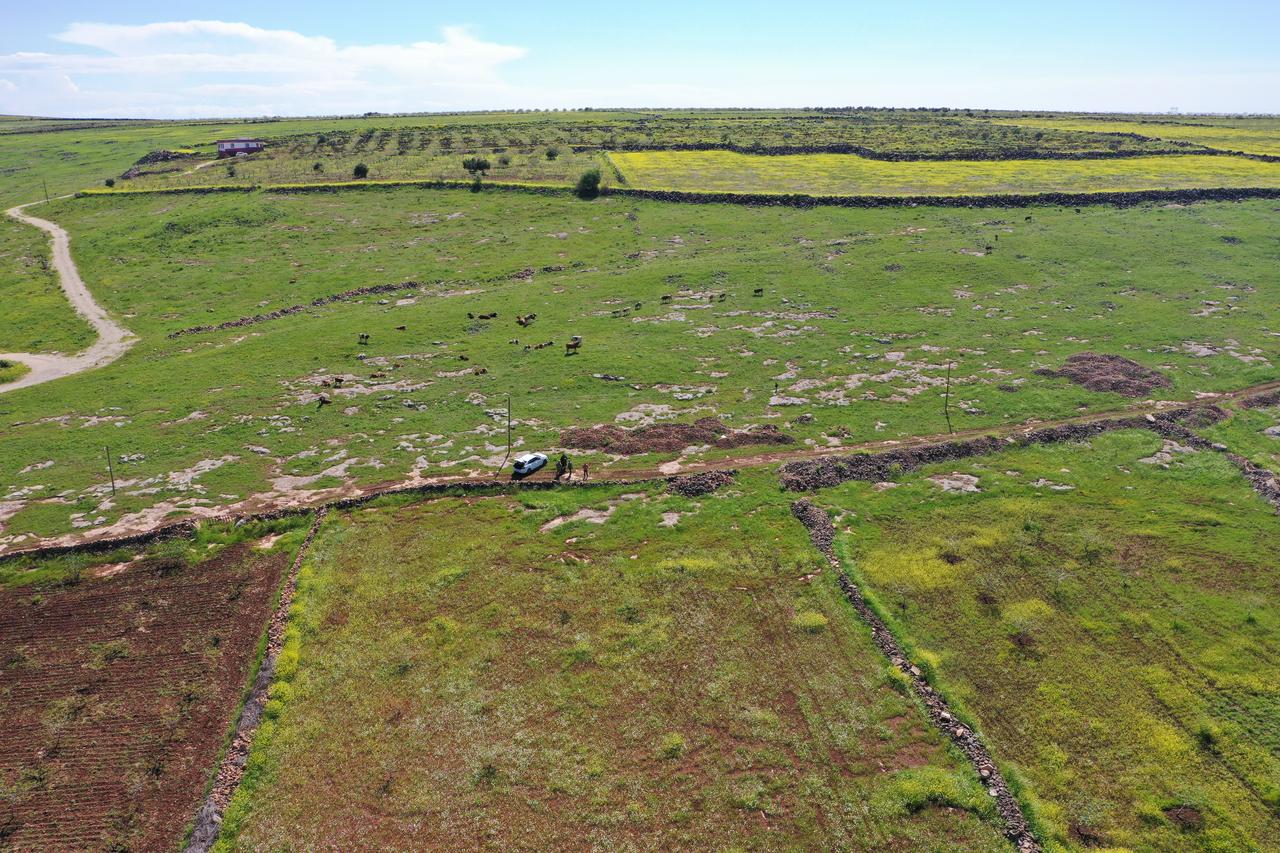
Karul also said Chinese archaeologists would join the Tas Tepeler Project from next month and begin excavations at Yogunburc, where no excavation has previously taken place.
“Yogunburc will be excavated for the first time. It will be the People’s Republic of China’s first excavation project in Türkiye,” Karul said.
He added that the Chinese Institute of Archaeology had already carried out preliminary research to look into new sites that could offer further evidence from the Neolithic period.
 2 min read
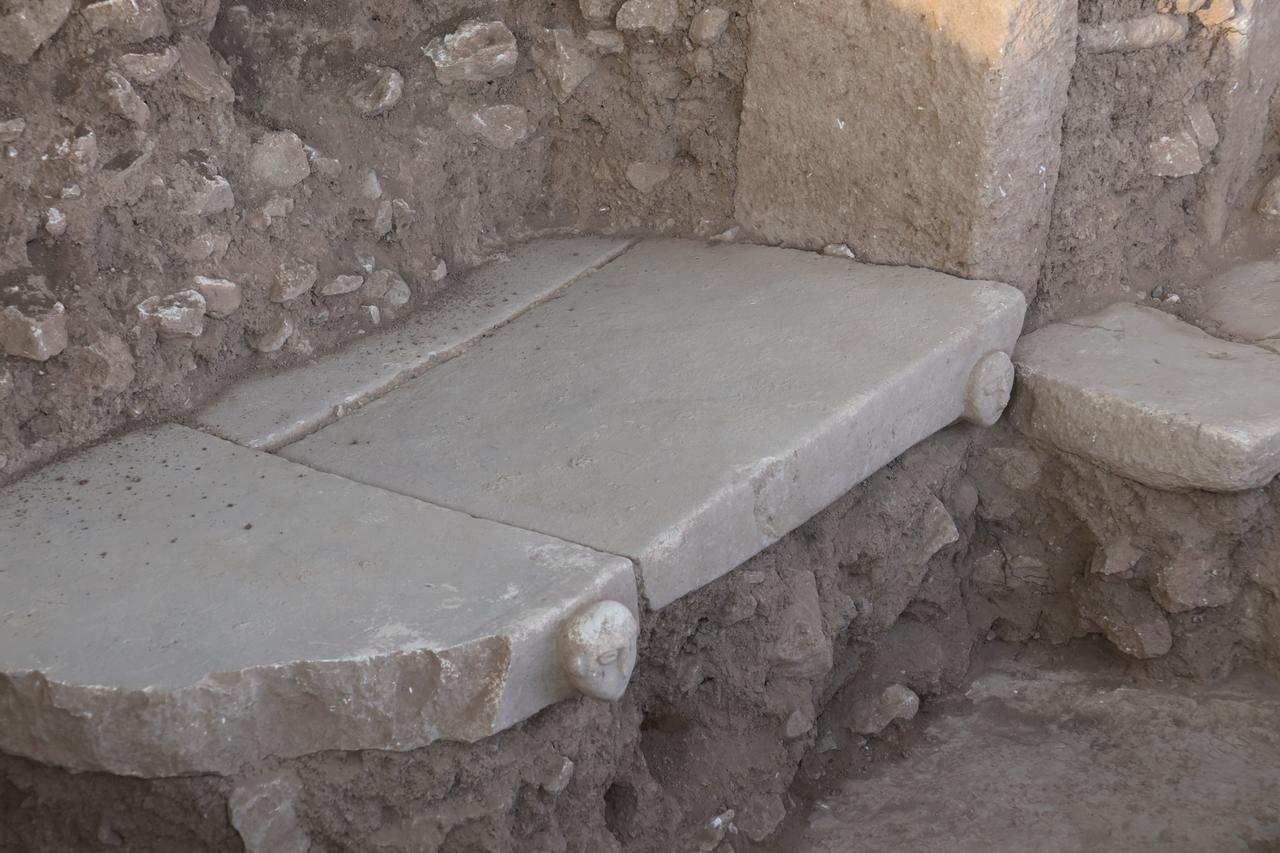
Karul described the Neolithic period as a shared stage in human history, pointing to settlement, food production, division of labor, and architecture as common themes that attract scholars from around the world.
He said the project is being carried out in cooperation with 36 international academic board members, including 15 from Türkiye and 21 from abroad.
According to Karul, around 200 archaeologists worked within the project last year, bringing together both experienced specialists and young archaeologists.
He said new students are trained in the field through knowledge passed on by those already involved in the project.


 Set as preferred source
 Set as preferred source


 1 min read


