Newsletters


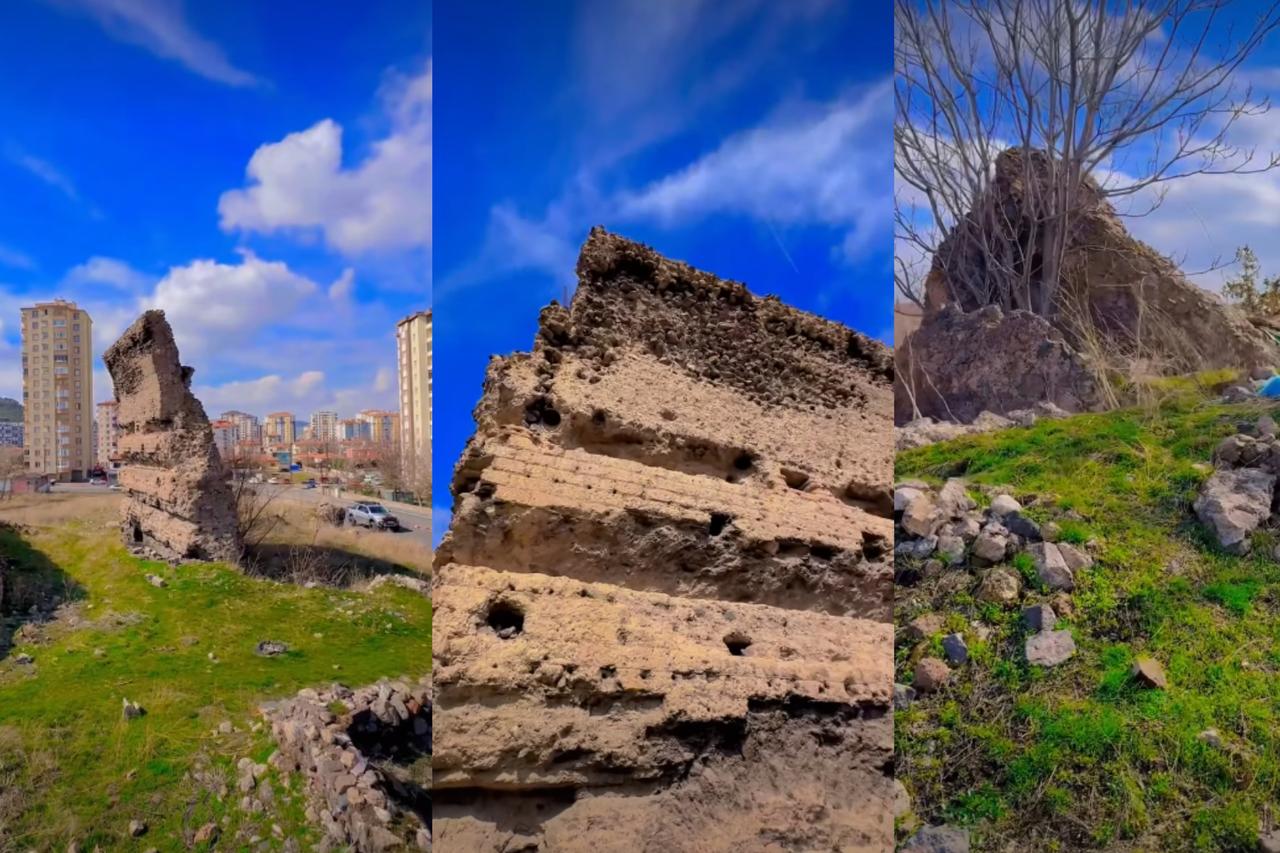


A historic site in central Türkiye believed to contain the remains of one of the world's earliest known hospital complexes has been declared a third-degree archaeological protected area. This move will block new construction on the land and open the way for further study.
The site is located in Kayseri's Melikgazi district and is associated with Saint Basil, also known as Aziz Basileios, who is said to have built a charitable complex there after a major earthquake in the late fourth century.
According to historian and writer Halit Erkiletlioglu, the complex included an almshouse, shelters, religious buildings, schools and hospitals that provided free care and inpatient treatment with physicians. For this reason, the remains are being evaluated as part of a structure that may represent one of the earliest examples of a hospital in world medical history.
The area was declared a third-degree protected site on April 28, 2026, after the issue was brought back into public discussion through reports by Demiroren News Agency.
A third-degree protected site, known in Türkiye as a "sit area," is a legally protected zone where construction and land use are restricted because of cultural, historical or archaeological value.
Erkiletlioglu said the decision was taken by the Kayseri Regional Board for the Protection of Cultural Assets, which operates under the Ministry of Culture and Tourism. Before the registration, officials carried out surface research and drone documentation across the area.
Erkiletlioglu said the site's importance goes beyond Kayseri because it is closely tied to the history of medicine. He explained that the complex emerged after a major earthquake in 367 or 368, which destroyed the old city located south of the present area.
He said Saint Basil's letters described the destruction and appealed for help after the city was left in ruins.
According to Erkiletlioglu, accounts from the period described the city as extremely wealthy before the disaster, comparing its richness to the Egyptian pyramids and its splendor to Babylon. After the earthquake, many people were left without homes or families, creating an urgent need for food, shelter and medical care.
Saint Basil then began to build up a large charitable complex. It first served people in need through an almshouse, then expanded with shelters, dormitory-like buildings, a church, schools for religious training and hospitals.
The hospital section of the complex is considered especially important because it reportedly offered free care, inpatient treatment and medical services by physicians.
Erkiletlioglu said the structures were built between 368 and 373 A.D., within about five years after the earthquake. He also stated that the complex, together with its related buildings, became a model for later Byzantine charitable and medical institutions until the 11th century.
He added that such complexes came to be known as "Basileias" and inspired similar structures elsewhere.
Although only scattered remains are visible today, Erkiletlioglu said the foundations of much of the site still survive. However, the area currently includes modern structures, informal housing and even a health clinic.
He said the next steps should include clearing the area, carrying out expropriation where private property exists, and launching excavations.
Erkiletlioglu also said he was pleased that official institutions had taken ownership of the issue and added that local municipalities had responded positively. He expressed hope that a broader excavation could begin after expropriation, describing the site as an important cultural asset for Kayseri and for the wider history of medicine.


 Set as preferred source
 Set as preferred source


 3 min read