Newsletters


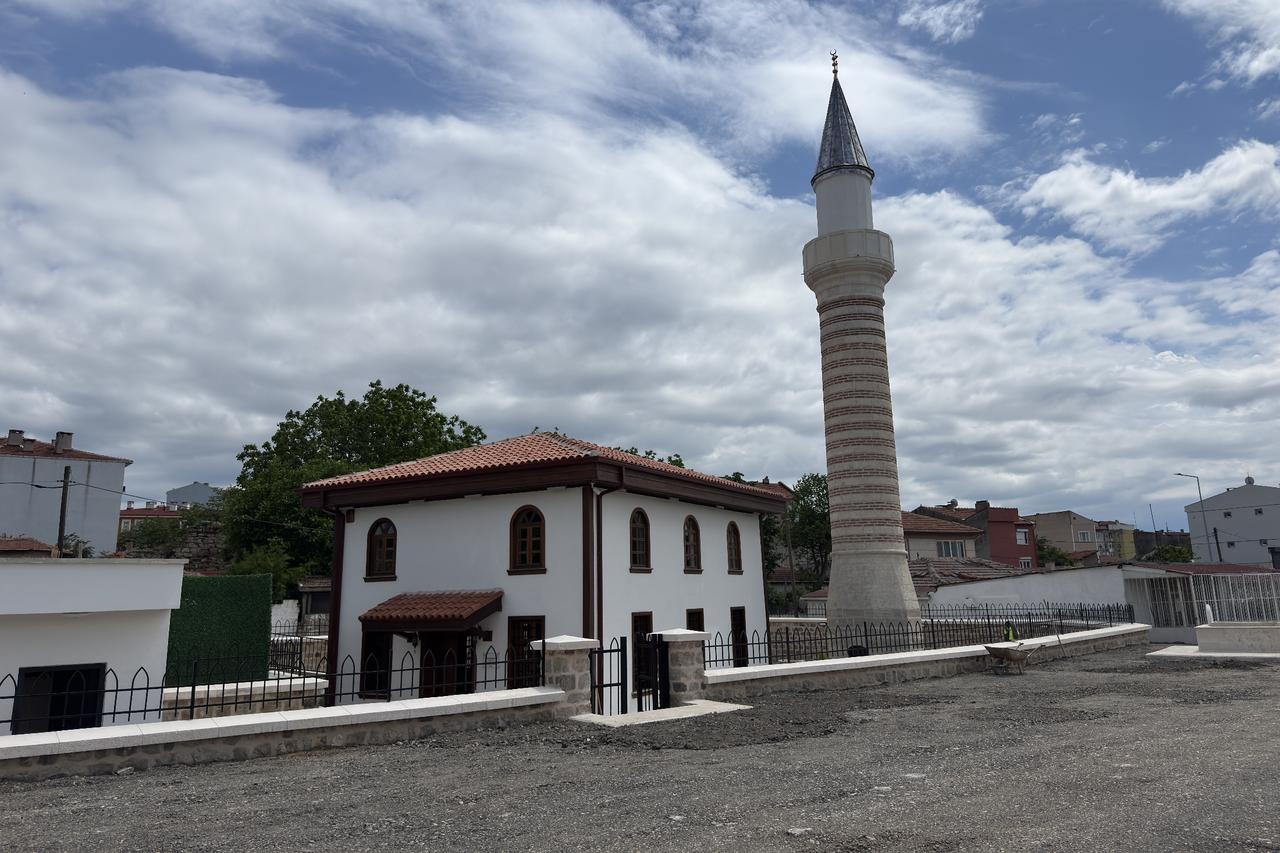


A historic mosque in the northwestern Turkish city of Edirne has reopened for Friday prayers following an 18-month restoration effort that returned the structure to working order after years of abandonment.
The Seyh Suceaddin Mosque, situated along the embankment of the Tunca River, was originally built as a small prayer hall and dervish lodge during the reign of Sultan Murad II, one of the most prominent rulers of the Ottoman Empire's early consolidation period.
The structure was converted into a mosque in 1535, during the reign of Suleiman the Magnificent, the longest-reigning sultan in Ottoman history, marking a significant shift in the building's religious function and architectural identity.
The mosque suffered severe structural damage in the 1751 earthquake, leaving only portions of the original building intact. Over the following centuries, the site fell into progressive disrepair.
By the time restoration work began approximately 18 months ago, the mosque had stood in ruins for generations, with significant sections reduced to rubble and its minaret half-collapsed.
Archaeological excavations carried out during the restoration uncovered subterranean sections of the original structure that had been buried over time. Workers reconstructed the perimeter walls and completed the minaret, which had been partially destroyed.
 1 min read
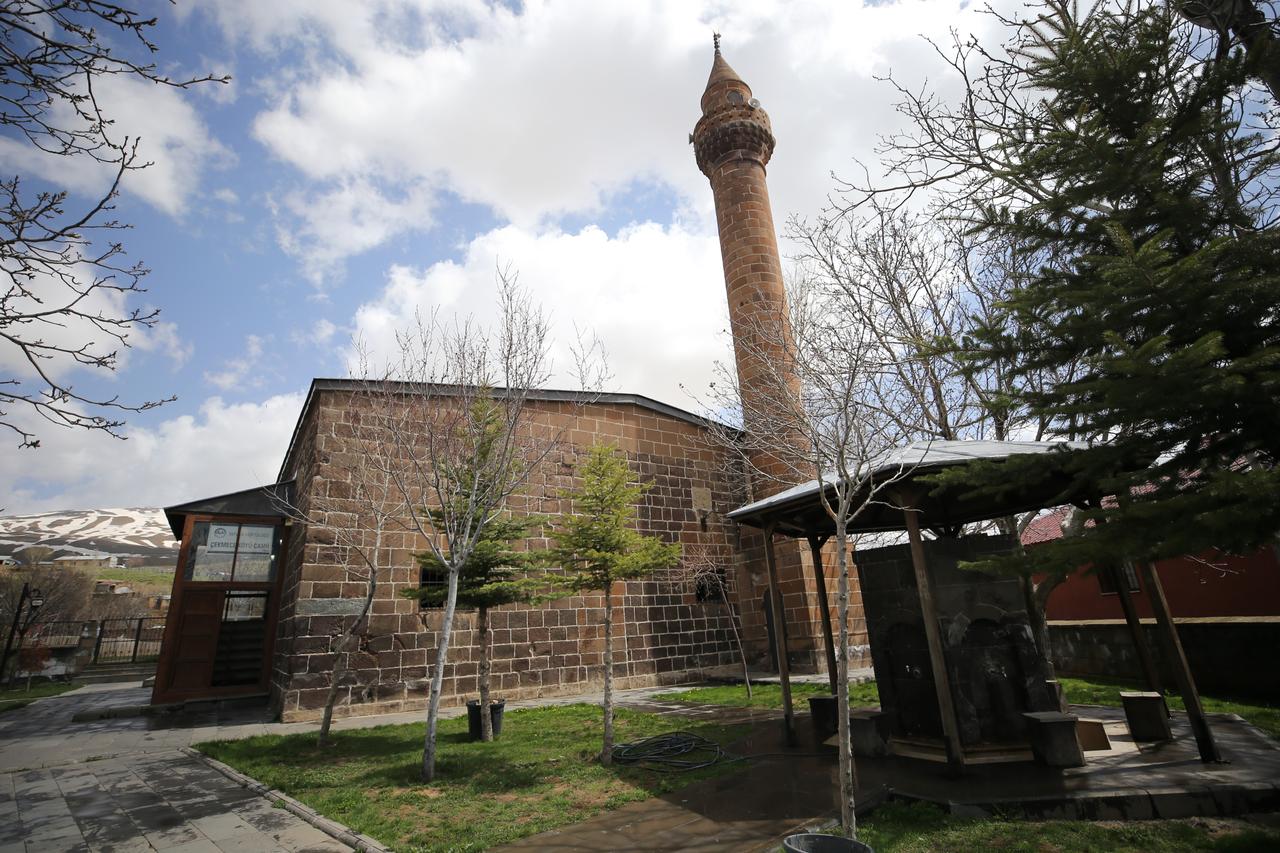
The mosque's main prayer hall, which had been destroyed, presented a particular engineering challenge. Due to its proximity to the Tunca River, traditional stone construction was deemed unsuitable.
Builders instead opted for a steel-framed system to rebuild the structure, a method chosen to mitigate the risks posed by ground conditions near the riverbank.
The tomb of Seyh Suceaddin Karamani, the Sufi figure for whom the mosque is named, remains on the mihrab facade—the wall indicating the direction of prayer—preserving a direct connection to the site's original spiritual purpose.
With the restoration now complete, residents of Edirne can use the mosque for regular worship for the first time in decades. The reopening marks the end of a long period during which one of the city's oldest surviving Ottoman religious sites was inaccessible to the public.
Edirne, located at Türkiye's northwestern border with Greece and Bulgaria, served as the Ottoman capital before the conquest of Constantinople in 1453 and retains a significant concentration of Ottoman-era religious and civic architecture. The restoration of the Seyh Suceaddin Mosque adds to ongoing efforts in the city to preserve the built heritage.


 Set as preferred source
 Set as preferred source


 1 min read